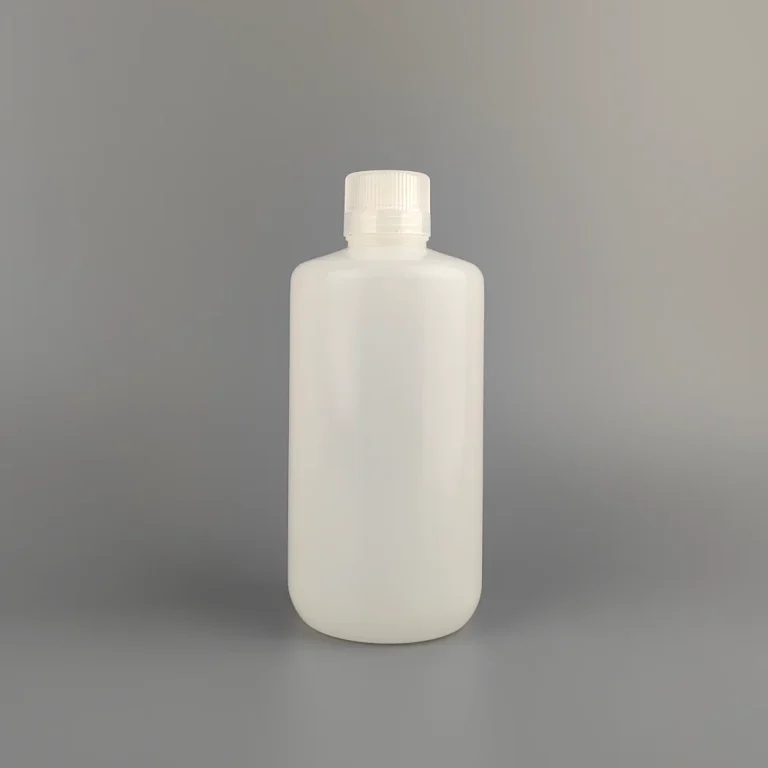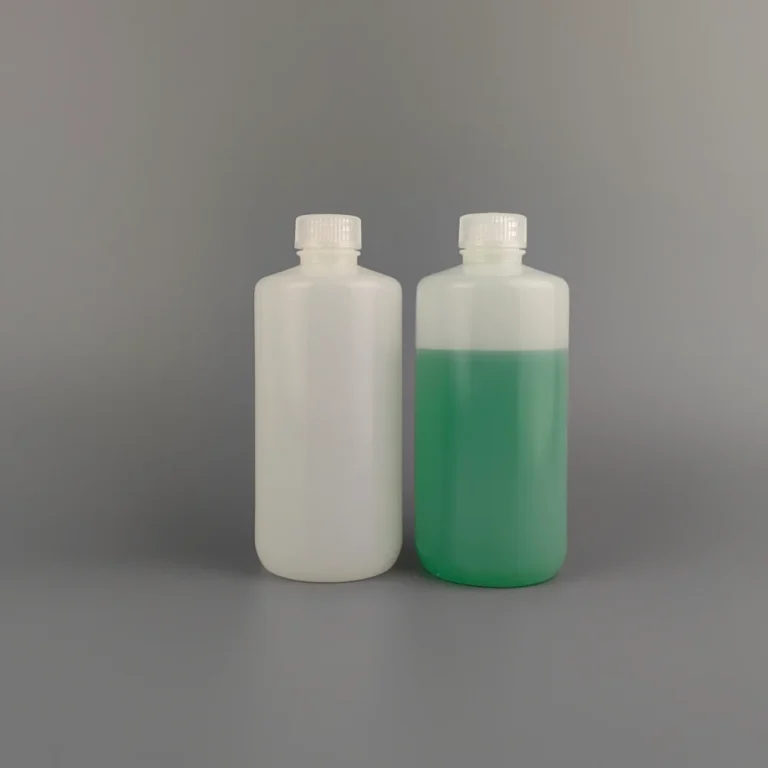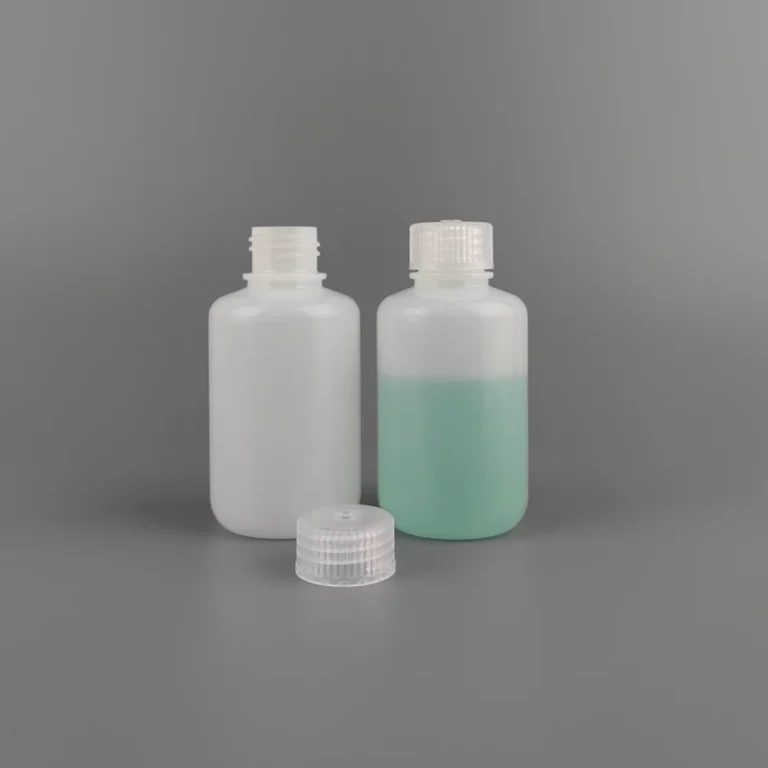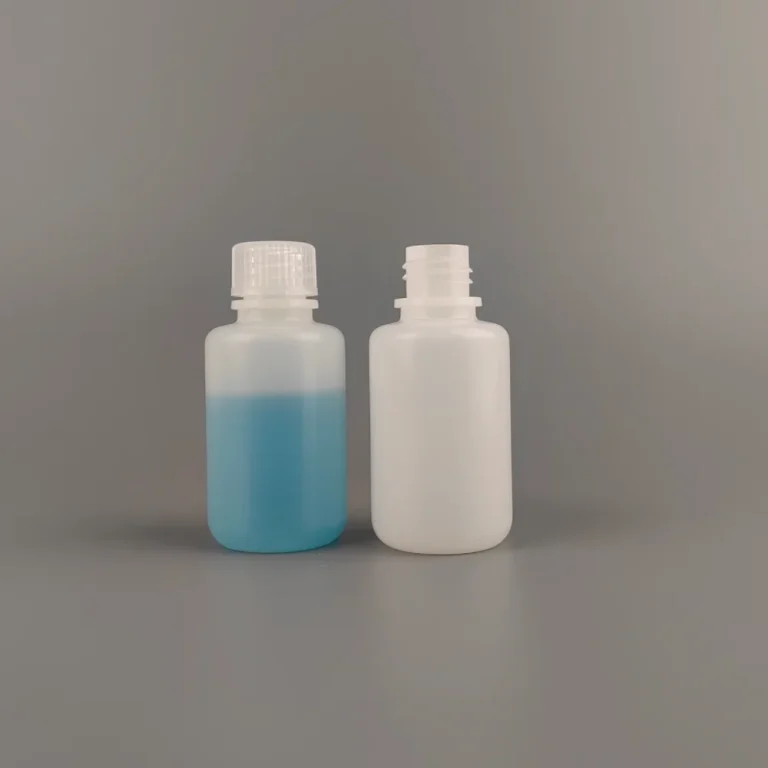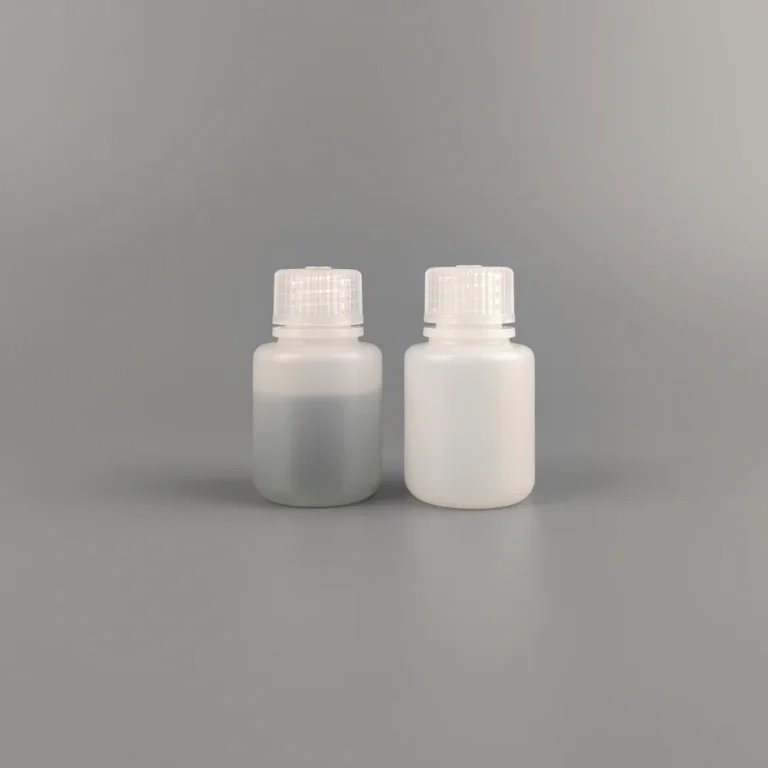
If a reagent stored near a window gradually changes color over a week, the cause is often not contamination—it’s UV-induced degradation. In some cases, the container itself becomes brittle after light exposure, leading to cracking during handling or leakage due to seal instability. These failures are rarely immediate. They develop under continuous UV exposure.
From 15 years at JSBIO, UV resistance is often underestimated. The real issue is how material (PP/HDPE), wall thickness, sealing design, temperature range (-80°C to 121°C), and mechanical stress (Max RCF) interact under light exposure.
Technical Insights: What UV Resistance Means in Practice
UV resistance refers to a material’s ability to:
- Resist photodegradation (polymer chain breakdown)
- Maintain mechanical strength over time
- Prevent chemical changes in stored samples
- Preserve sealing integrity under prolonged exposure
Plastic materials are inherently sensitive to UV unless stabilized.
Polypropylene (PP) Under UV Exposure
Typical parameters:
- Temperature Range: -80°C to 121°C
- Max RCF: up to 15,000–20,000 × g
- Wall Thickness: high precision, uniform
- Sealing: multi-thread + leak-proof gasket
UV Behavior:
- Moderate UV resistance
- Can degrade over time without additives
- Surface embrittlement may occur
Observed risks:
- Reduced impact resistance
- Micro-cracks after extended exposure
- Potential changes in sealing performance
High-Density Polyethylene (HDPE) Under UV Exposure
Typical parameters:
- Temperature Range: -50°C to 110°C
- Max RCF: low
- Wall Thickness: moderate
- Sealing: threaded cap, optional gasket
UV Behavior:
- Slightly better inherent UV resistance than PP
- Still susceptible to long-term degradation
- Performance improves significantly with UV stabilizers
Observed risks:
- Surface chalking
- Gradual loss of flexibility
- Increased permeability over time
Impact of UV on Chemical Stability
UV exposure can affect both the container and the contents:
- Breakdown of sensitive reagents
- Increased interaction between sample and container
- Formation of degradation by-products
For light-sensitive substances:
- UV shielding becomes a requirement, not an option
Role of Wall Thickness in UV Resistance
Wall thickness affects UV penetration.
- Thicker walls: better UV shielding
- Thin or uneven walls: faster degradation
JSBIO design approach:
- Controlled wall thickness uniformity
- Optimization based on exposure conditions
This reduces localized degradation and extends container life.
Sealing Performance Under UV Exposure
UV affects sealing indirectly:
- Material degradation reduces thread strength
- Gasket materials may lose elasticity
- Cap torque stability decreases over time
JSBIO sealing system:
- Multi-thread closure
- Integrated leak-proof gasket design
- Material selection for UV-exposed environments
Observed results:
- Stable sealing under moderate UV exposure
- Reduced risk of leakage during storage
Temperature and UV Interaction
UV exposure combined with temperature accelerates degradation.
At Elevated Temperatures:
- Polymer breakdown accelerates
- Sealing materials degrade faster
At Low Temperatures (-80°C):
- UV impact is reduced but not eliminated
- Material brittleness may increase if already degraded
PP maintains broader temperature compatibility, but UV exposure still needs control.
Mechanical Performance After UV Exposure
UV exposure reduces mechanical strength.
Impact on performance:
- Lower resistance to impact
- Increased cracking risk
- Reduced tolerance under stress
Centrifugation (Max RCF):
- PP: up to 15,000 × g (if not UV-degraded)
- HDPE: low
UV-degraded materials may fail below rated RCF.
Technical Specifications Comparison
| Parameter | Polypropylene (PP) | HDPE |
| Temperature Range | -80°C to 121°C | -50°C to 110°C |
| UV Resistance | Moderate | Moderate (slightly better) |
| Autoclavable | Yes | Limited |
| Max RCF | Up to 20,000 × g | Low |
| Wall Thickness Control | High precision | Medium |
| Leak-proof Design | Advanced (gasket + thread) | Optional |
| Structural Stability (UV Exposure) | Moderate | Moderate |
| Permeability Change (UV) | Low–Moderate | Moderate |
Lab Tips: How to Improve UV Resistance
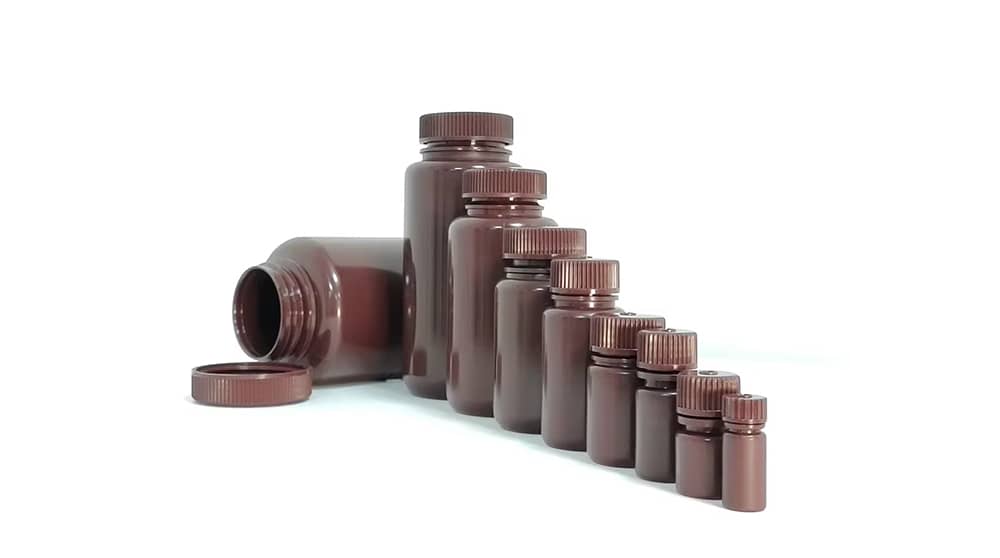
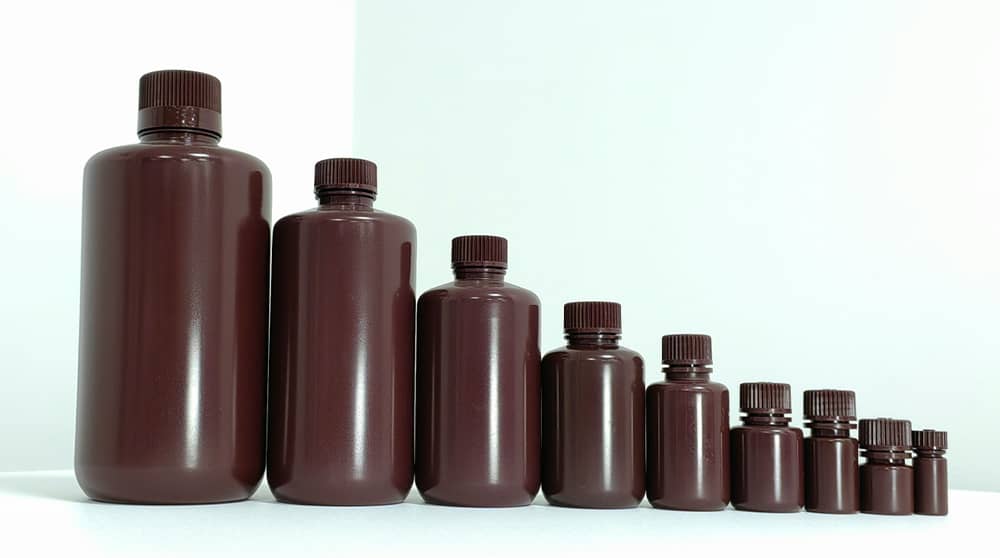
✔ Use opaque or UV-stabilized containers
✔ Avoid direct sunlight exposure
✔ Store light-sensitive samples in secondary packaging
✔ Select containers with sufficient wall thickness
✔ Verify gasket material compatibility with UV exposure
✔ Replace containers after prolonged UV exposure
Common Mistakes in Labs
- Using transparent containers for UV-sensitive samples
- Ignoring cumulative UV exposure over time
- Storing containers near windows or UV sources
- Reusing UV-degraded containers
- Overlooking sealing degradation
These issues typically develop gradually.
From a Supplier’s Perspective
UV resistance is not defined by base material alone.
In OEM projects, we adjust:
- UV stabilizer additives in PP or HDPE
- Wall thickness for improved shielding
- Gasket material for long-term elasticity
- Container color (opaque vs translucent)
Two containers made from the same material can perform differently under UV exposure depending on these factors.
Practical Selection Checklist
Before selecting UV-resistant containers:
✔ Is the sample sensitive to light?
✔ Will the container be exposed to UV or sunlight?
✔ Is wall thickness sufficient to reduce UV penetration?
✔ Does the design include a leak-proof gasket?
✔ Is the material UV-stabilized?
✔ Is temperature exposure within -80°C to 121°C if required?
CTA (For Procurement Decision)
If you are evaluating UV resistance for lab containers:
A. Request free samples for validation
→ Test UV exposure, sealing, and mechanical performance
B. Get a bulk quote and customization details
→ Define material additives, wall thickness, and sealing design
If you can share your exposure conditions (indoor lighting, sunlight, UV sterilization), I can recommend the appropriate material and container configuration.