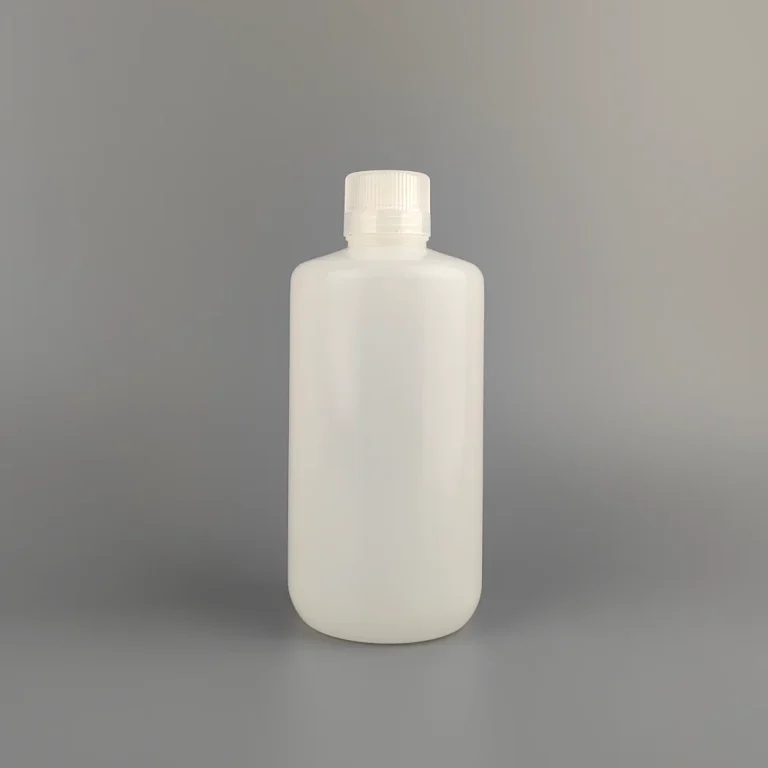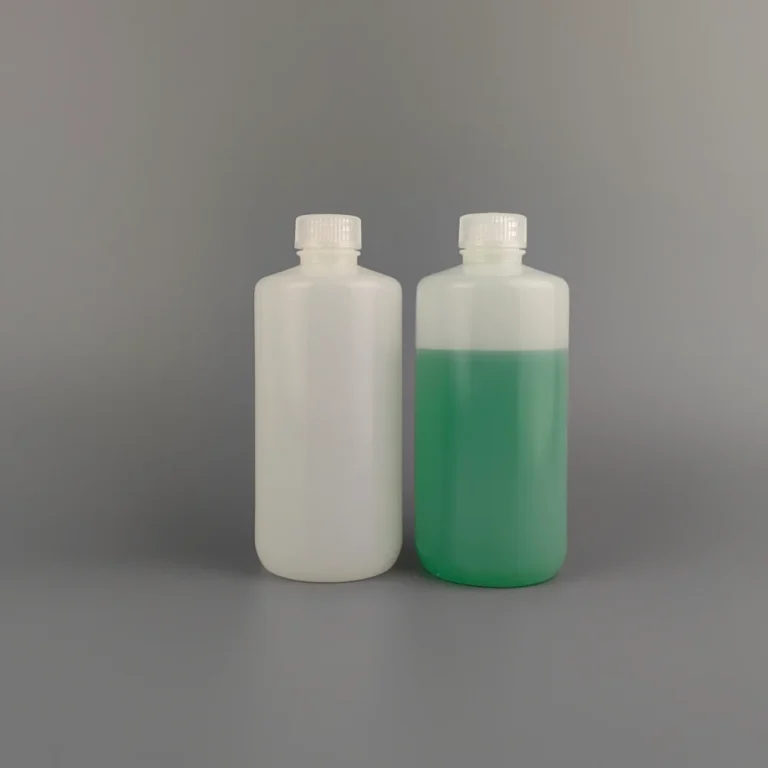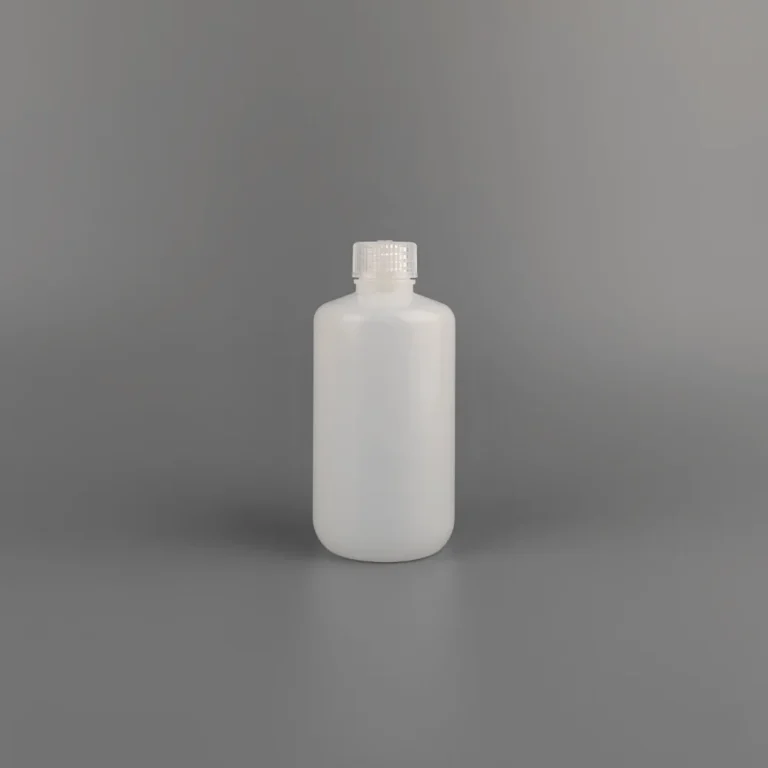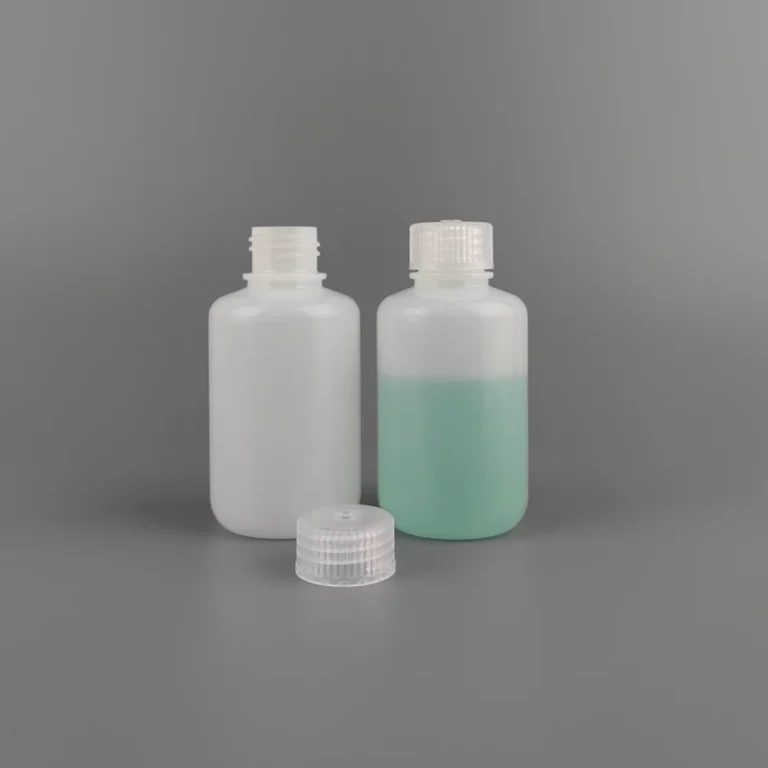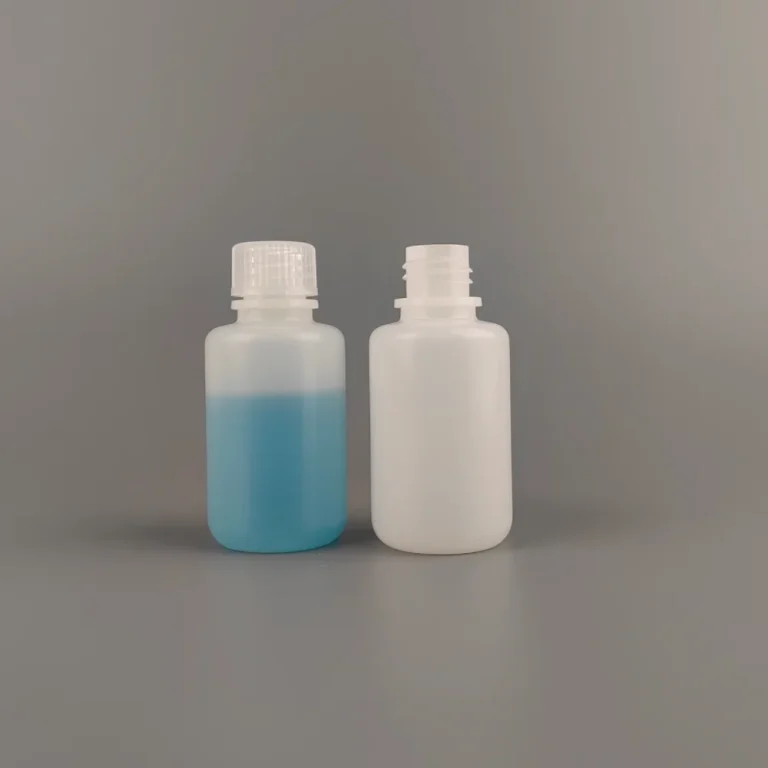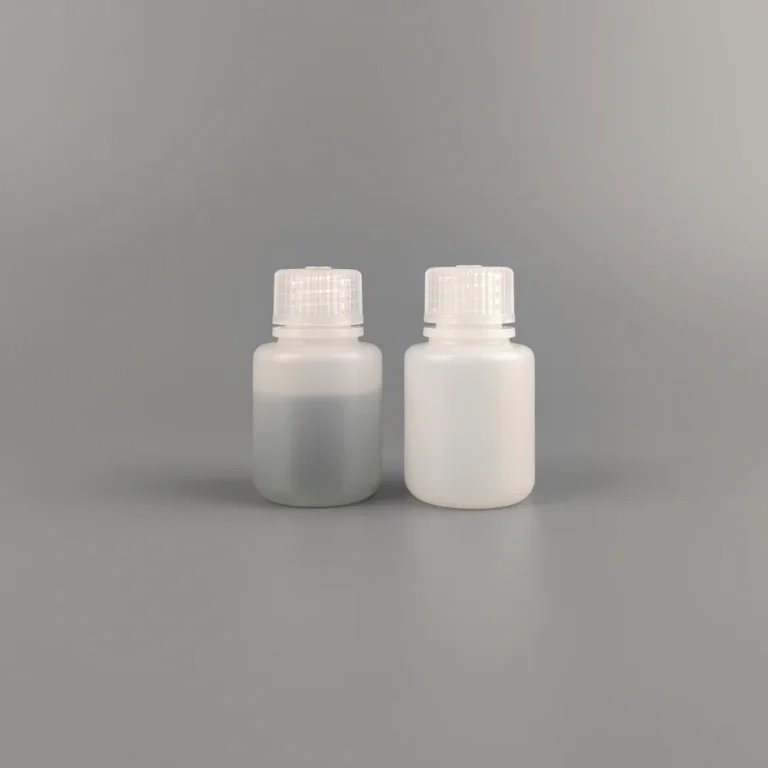
If a storage bottle gradually softens after holding an acid, the failure is not always visible at first. The cap still fits, the liquid looks unchanged—but over time, sealing pressure drops, vapor loss increases, and contamination risk rises. In many cases, this is caused by using a material that is not optimized for long-term chemical exposure.
From 15 years at JSBIO, HDPE is widely used for chemical storage not because it is the cheapest option, but because it provides stable chemical resistance, structural reliability, and predictable performance under real storage conditions.
Technical Insights: What Chemical Storage Actually Requires
Chemical storage containers must handle:
- Long-term chemical exposure (days to months)
- Temperature variation (-50°C to moderate heat)
- Permeation control (gas and vapor transmission)
- Sealing integrity (leak-proof design)
- Mechanical durability (handling, transport)
Material choice directly impacts all of these factors.
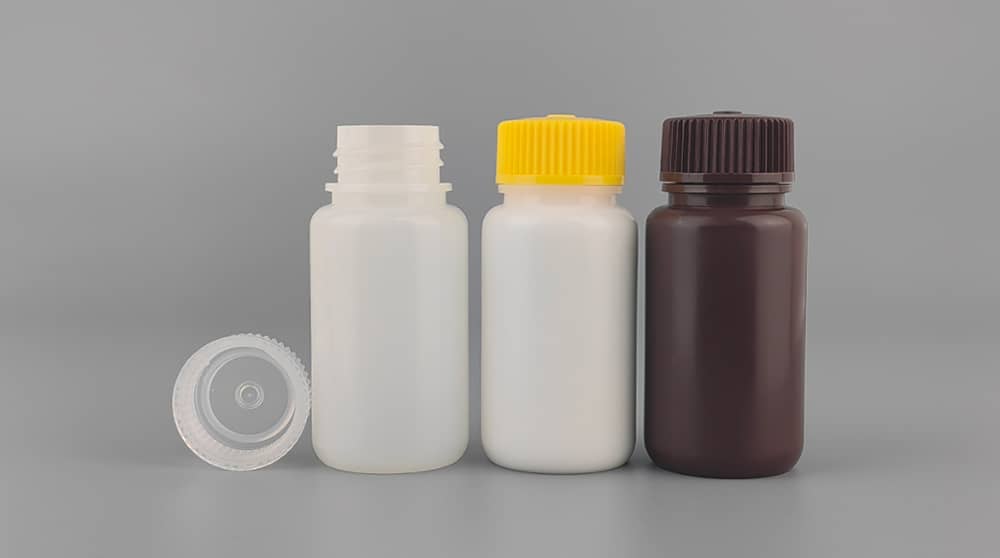
HDPE Material Profile
Typical technical parameters:
- Material: High-Density Polyethylene (HDPE)
- Temperature Range: -50°C to 110°C
- Max RCF: low (not designed for centrifugation)
- Wall Thickness: moderate, impact-resistant
- Sealing: threaded cap, optional leak-proof gasket
These parameters define HDPE as a storage-focused material, not a processing material.
Key Reason 1: High Chemical Resistance
HDPE performs well with a wide range of chemicals:
- Strong acids (e.g., hydrochloric acid, sulfuric acid)
- Bases (e.g., sodium hydroxide solutions)
- Aqueous solutions and buffers
Performance characteristics:
- Low reactivity
- Minimal material degradation
- Stable surface properties over time
Compared to many plastics, HDPE maintains integrity under corrosive conditions.
Key Reason 2: Low Permeability for Storage Stability
Permeability affects:
- Evaporation rate
- Contamination risk
- Concentration stability
HDPE offers:
- Lower permeability than LDPE
- Better containment for volatile or reactive chemicals
This is critical for:
- Long-term storage
- Transport of chemicals
Key Reason 3: Structural Durability
Chemical storage involves handling and movement.
HDPE provides:
- High impact resistance
- Flexibility under stress (reduces cracking)
- Resistance to deformation during transport
Unlike rigid materials, HDPE absorbs mechanical stress instead of failing suddenly.
Key Reason 4: Wall Thickness and Stability
Wall thickness influences both durability and chemical resistance.
JSBIO design approach:
- Controlled wall thickness uniformity
- Reinforced base and shoulder areas
Benefits:
- Reduced permeation
- Improved resistance to stress cracking
- Consistent performance across batches
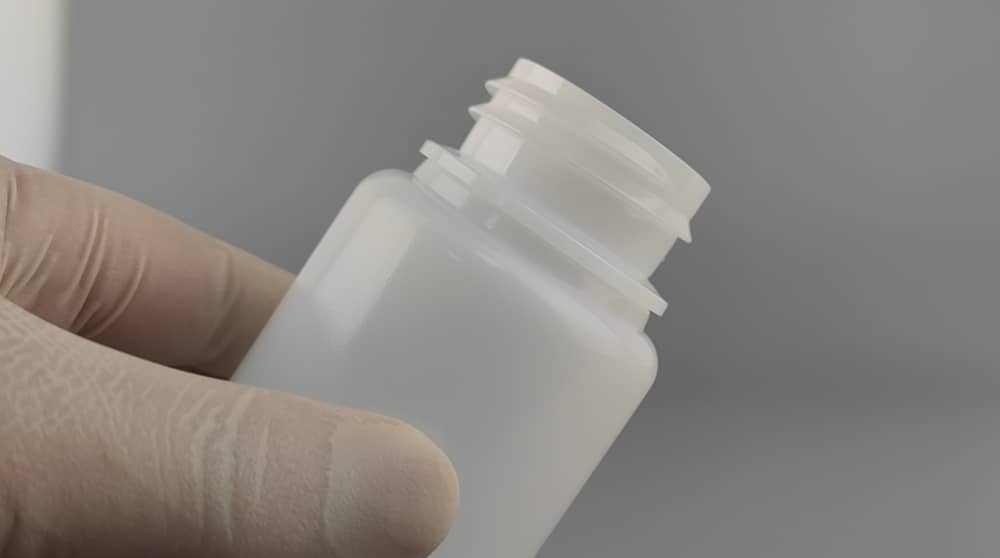
Key Reason 5: Reliable Sealing Systems
Sealing is critical in chemical storage.
HDPE containers can include:
- Threaded cap systems
- Optional leak-proof gasket design
- Torque-controlled sealing
Performance impact:
- Reduced leakage during transport
- Stable sealing under pressure changes
- Lower contamination risk
Key Reason 6: Compatibility with Industrial and Lab Environments
HDPE is widely used because it fits:
- Laboratory storage
- Industrial chemical handling
- Transport and packaging systems
It balances:
- Performance
- Cost efficiency
- Manufacturability
Limitations of HDPE in Chemical Storage
HDPE is not universal.
Key limitations:
- Not suitable for high-temperature sterilization (121°C cycles)
- Limited performance with some organic solvents
- Not designed for high-speed centrifugation (low Max RCF)
In these cases, alternative materials like PP or specialized polymers may be required.
Temperature Considerations
HDPE performs well within its range:
- Stable at low temperatures down to -50°C
- Maintains structure under moderate heat
However:
- Prolonged exposure near 110°C may cause deformation
- Not suitable for repeated autoclaving
Comparison with Other Materials
vs Polypropylene (PP)
- PP: broader temperature range (-80°C to 121°C)
- HDPE: better resistance to acids and bases
vs LDPE
- HDPE: lower permeability, higher strength
- LDPE: more flexible but less suitable for storage
vs Glass
- HDPE: impact-resistant, lightweight
- Glass: zero permeability but fragile
Technical Specifications Comparison
| Parameter | HDPE | Polypropylene (PP) | LDPE |
| Temperature Range | -50°C to 110°C | -80°C to 121°C | -50°C to 80–90°C |
| Chemical Resistance | Very High (acids/bases) | High | Moderate |
| Organic Solvent Resistance | Moderate | Moderate | Low |
| Permeability | Low | Low–Moderate | High |
| Max RCF | Low | Up to 20,000 × g | Not suitable |
| Wall Thickness Control | Medium | High precision | Flexible |
| Leak-proof Design | Optional (gasket) | Advanced | Basic |
| Structural Strength | High | High | Low |
Lab Tips: When to Use HDPE for Chemical Storage
✔ Storing strong acids or bases
✔ Long-term chemical storage
✔ Transporting chemicals safely
✔ Applications where impact resistance is required
✔ When low permeability is important
Common Mistakes in Chemical Storage
- Using HDPE for high-temperature sterilization
- Storing incompatible organic solvents
- Ignoring sealing system requirements
- Selecting containers with uneven wall thickness
- Choosing based only on cost
These issues typically appear during extended storage.
From a Supplier’s Perspective
HDPE performance depends on more than material selection.
In OEM projects, we optimize:
- Wall thickness distribution for permeability control
- Gasket materials for chemical compatibility
- Cap design for sealing stability
- Material grade for specific chemical exposure
Two HDPE containers can perform differently depending on these design factors.
Practical Selection Checklist
Before selecting HDPE containers:
✔ Is the chemical compatible with HDPE?
✔ Is temperature within -50°C to 110°C?
✔ Is long-term storage required?
✔ Is wall thickness uniform and controlled?
✔ Does the container include a leak-proof gasket?
✔ Is permeability acceptable for your application?
CTA (For Procurement Decision)
If you are sourcing HDPE containers for chemical storage:
A. Request free samples for validation
→ Test chemical exposure, sealing, and storage performance
B. Get a bulk quote and customization details
→ Optimize wall thickness, sealing design, and material grade
If you can share your chemical type, storage duration, and environmental conditions, I can recommend the exact HDPE container specifications for your application.