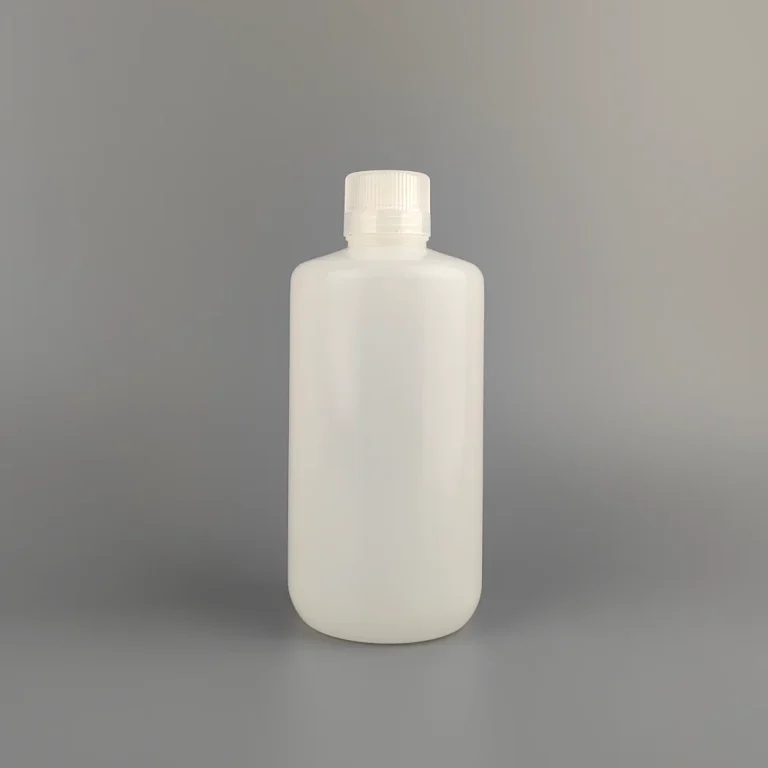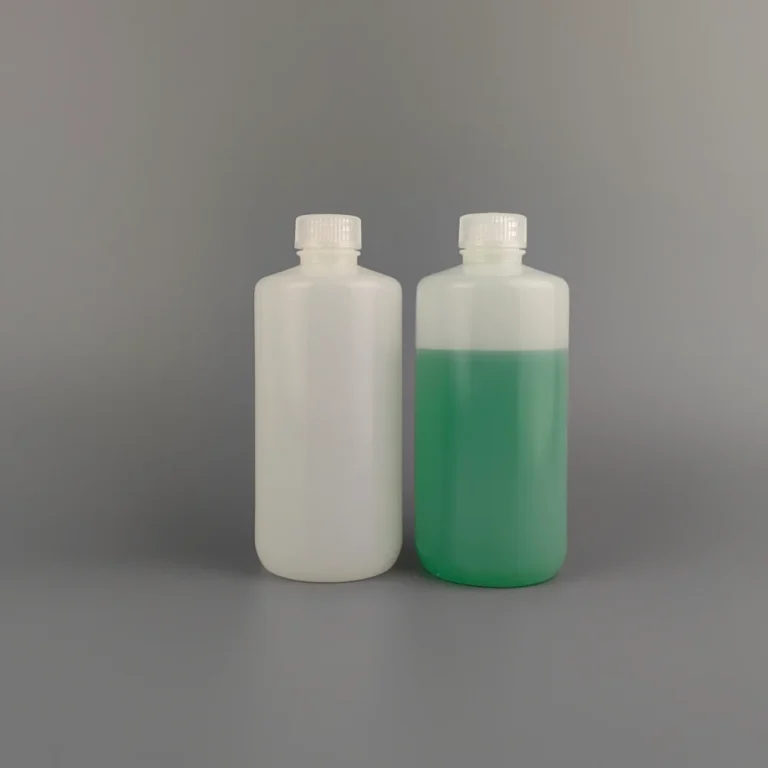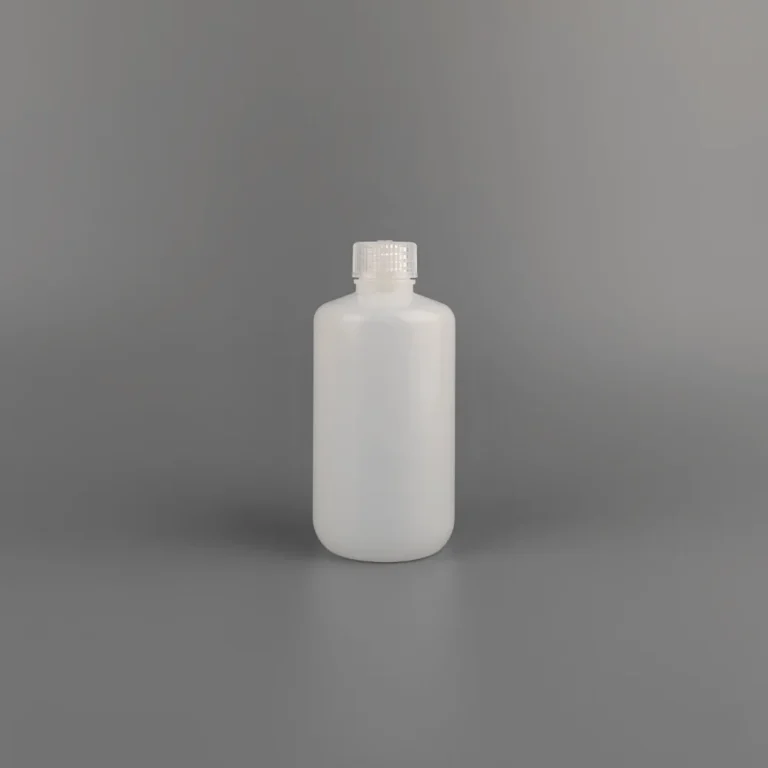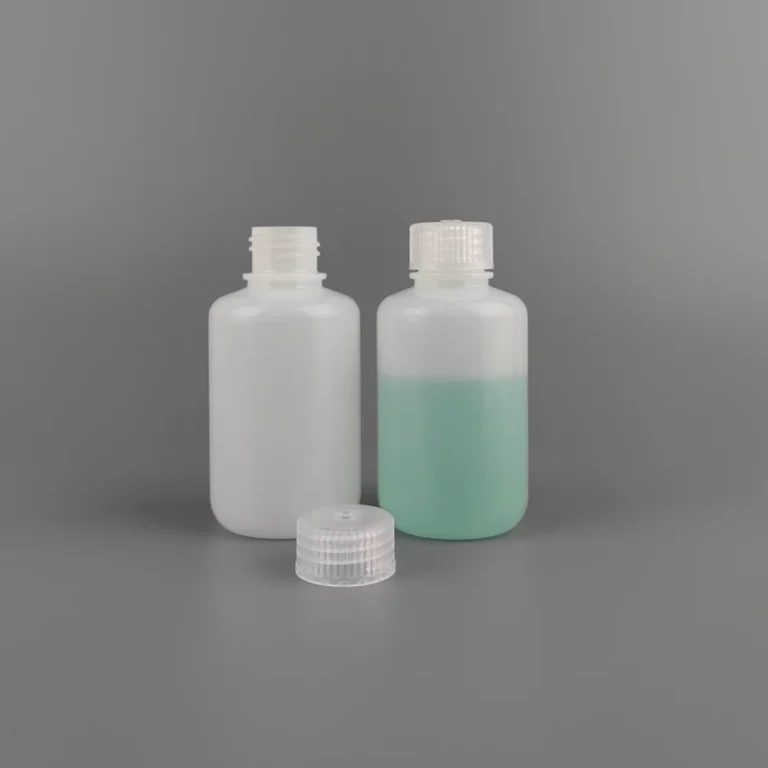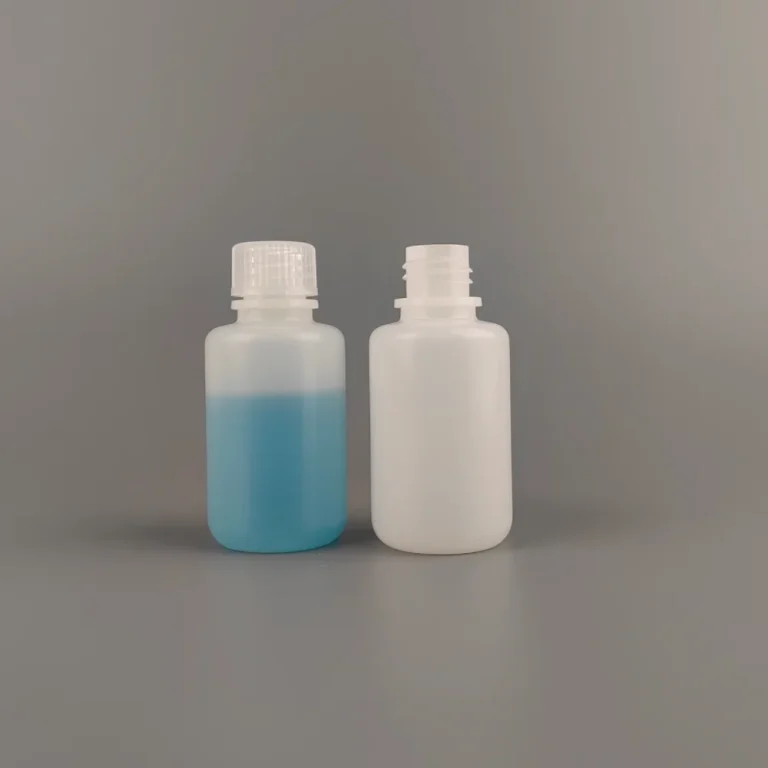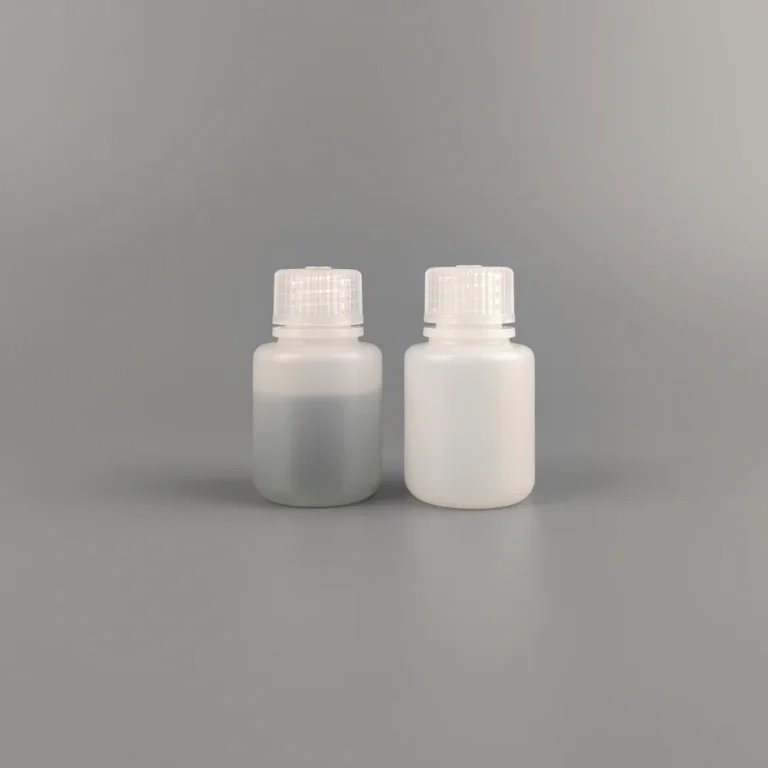
A groundwater sample collected from a remote mining area can spend 12 to 48 hours in transportation before reaching a laboratory. During that time, extreme temperature changes, vibration, UV exposure, and poor sealing can alter the sample itself. In remote field operations, container failure is one of the most common causes of compromised environmental data.
From 15 years at JSBIO, remote-site sampling containers must withstand far more than laboratory storage conditions. The container needs to maintain:
- Structural stability during transport
- Leak-proof performance under vibration
- Temperature resistance (-80°C to 121°C)
- UV and weather exposure resistance
- Chemical compatibility with environmental samples
In remote environments, the container effectively becomes part of the preservation system.
Why Remote Field Sampling Is More Challenging
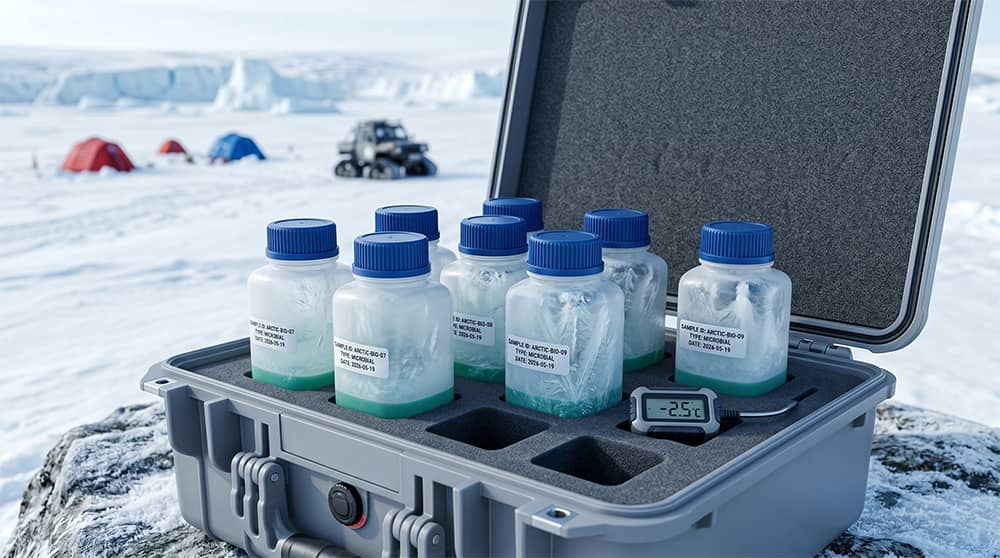
Remote sampling sites often involve:
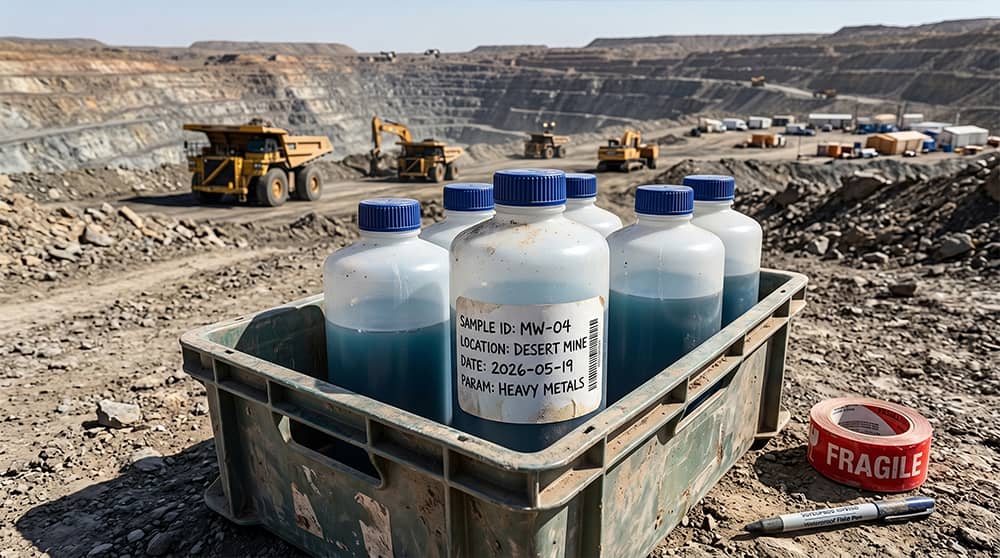
- Mining areas
- Oil & gas facilities
- Desert monitoring stations
- Forest environmental projects
- Offshore platforms
- Remote agricultural zones
- Mountain or Arctic research sites
These environments create additional risks:
- Long transport times
- Limited refrigeration
- Rough handling
- Direct sunlight exposure
- Dust and contamination
- Extreme temperature fluctuation
A standard laboratory container may not survive these conditions reliably.
Core Requirements for Remote Sampling Containers
1. High Impact Resistance
Remote transportation often includes:
- Off-road vehicles
- Helicopter transfer
- Boat transport
- Long-distance shipping
Containers must resist:
- Drops
- Compression
- Vibration stress
Recommended Materials
| Material | Field Durability |
| HDPE | Very High |
| PP | High |
| Glass | Low |
HDPE is widely used for rugged environmental transport because of its impact resistance.
HDPE Containers for Remote Sampling
Typical Specifications
- Temperature Range: -50°C to 110°C
- Strong acid/base resistance
- High impact durability
- Moderate wall thickness precision
- Optional leak-proof gasket design
Best Applications
✔ Soil sampling
✔ Water quality monitoring
✔ Wastewater collection
✔ Industrial environmental testing
Technical Insights
HDPE performs well in remote operations because it tolerates:
- Rough transport
- Outdoor UV exposure
- Mechanical stress
- Chemical exposure
Opaque HDPE bottles also help reduce light-related sample degradation.
PP Containers for Specialized Remote Sampling
Typical Specifications
- Temperature Range: -80°C to 121°C
- Max RCF: up to 15,000–20,000 × g
- Uniform wall thickness
- Advanced leak-proof sealing
Best Applications
✔ Biological environmental sampling
✔ Microbial analysis
✔ Frozen sample storage
✔ Sterile field collection
Technical Insights
PP is often selected when:
- Samples require freezing
- Sterile handling is necessary
- Laboratory centrifugation follows collection
PP provides better thermal stability compared with standard HDPE containers.
Why Leak-Proof Sealing Is Critical in Remote Transport
Remote transport exposes containers to:
- Pressure changes
- Vibration
- Temperature cycling
Poor sealing may cause:
- Sample leakage
- Moisture loss
- VOC evaporation
- Cross-contamination
JSBIO remote sampling systems use:
- Multi-thread cap structures
- Integrated leak-proof gasket design
- Stable torque-controlled sealing
This improves reliability during long transport routes.
Wall Thickness and Structural Stability
Wall thickness directly affects:
- Impact resistance
- Temperature durability
- Pressure stability
Thin-Wall Failure Risks
Containers with inconsistent wall thickness may experience:
- Cracking during transport
- Cap deformation
- Increased permeability
JSBIO manufacturing control focuses on:
- Uniform wall thickness distribution
- Reinforced base and shoulder areas
- Tight molding tolerances
This improves consistency across large environmental projects.
Temperature Challenges in Remote Sites
Remote sampling often occurs in extreme environments.
Typical Conditions
| Environment | Potential Temperature Exposure |
| Desert | High heat exposure |
| Arctic | Sub-zero freezing |
| Tropical | High humidity + heat |
| Mountain regions | Rapid temperature changes |
Material Performance by Temperature
PP Containers
- Stable from -80°C to 121°C
- Suitable for freezing and sterilization
HDPE Containers
- Stable from -50°C to 110°C
- Better for rugged outdoor transport
Improper material selection may result in:
- Brittleness at low temperature
- Seal relaxation under heat
- Sample instability
UV Resistance for Outdoor Sampling
Remote environmental sampling frequently involves direct sunlight.
UV Exposure Risks
- Polymer degradation
- Increased sample temperature
- Biological activity changes
Recommended controls:
✔ Use opaque containers
✔ Minimize sunlight exposure during storage
✔ Use UV-stabilized HDPE when necessary
Chemical Compatibility Requirements
Remote field samples may include:
- Acidic wastewater
- Heavy metal contamination
- Hydrocarbon residues
- Biological material
Container materials must remain chemically stable throughout transport and storage.
HDPE
- Excellent resistance to acids and industrial chemicals
PP
- Better suited for biological and sterile applications
Labeling and Traceability in Remote Operations
Remote sites increase traceability risks.
Each container should support:
- Waterproof labeling
- Batch tracking
- Sample identification
- Long-duration readability
Label failure during transport is a common operational issue.
Technical Specifications Comparison
| Parameter | PP Containers | HDPE Containers | Glass Containers |
| Temperature Range | -80°C to 121°C | -50°C to 110°C | Wide |
| Chemical Resistance | High | Very High | Very High |
| Leak-proof Design | Advanced gasket + thread | Optional gasket | Cap + liner |
| Wall Thickness Control | High precision | Medium | Rigid |
| UV Resistance | Moderate | Moderate–High | High |
| Impact Resistance | High | Very High | Low |
| Max RCF | Up to 20,000 × g | Low | Limited |
| Suitable for Biological Sampling | High | Moderate | Moderate |
| Remote Field Durability | High | Very High | Low |
Remote Field Sampling Checklist
Before Deployment
✔ Select chemically compatible materials
✔ Verify leak-proof sealing performance
✔ Prepare temperature-controlled transport if needed
✔ Use waterproof labeling systems
During Field Sampling
✔ Minimize direct UV exposure
✔ Avoid contamination during transfer
✔ Secure containers against vibration
✔ Maintain recommended storage temperature
During Transportation
✔ Use protective transport packaging
✔ Prevent excessive pressure changes
✔ Inspect seals before shipment
✔ Track storage duration carefully
Common Problems in Remote Sampling Projects
Using Standard Consumer Bottles
Non-laboratory plastics may introduce contamination or leak during transport.
Poor Seal Stability
Long-distance vibration can gradually loosen low-quality caps.
Inadequate UV Protection
Sunlight exposure changes biological and chemical stability.
Thin-Wall Container Failure
Containers may crack during rough transportation.
From a Supplier’s Perspective
Remote-site sampling containers require stronger structural and sealing control than standard laboratory storage products.
For OEM remote sampling projects, JSBIO commonly optimizes:
- HDPE or PP material grades
- UV-resistant additives
- Leak-proof gasket systems
- Reinforced wall thickness structures
- Waterproof labeling compatibility
Two containers with similar appearance may behave very differently after long-distance field transport.
Practical Selection Checklist
Before purchasing remote sampling containers, verify:
✔ Will samples experience extreme temperatures?
✔ Is long-distance transport involved?
✔ Will direct sunlight exposure occur?
✔ Is sterile sampling required?
✔ Does the container require leak-proof sealing?
✔ Are vibration and rough handling expected?
A. Request free samples for validation
Evaluate:
- Leak-proof performance
- UV resistance
- Transport durability
- Temperature stability
B. Get a bulk quote and customization details
Customization options include:
- PP or HDPE material selection
- UV-resistant opaque bottles
- Reinforced wall thickness
- Custom cap and gasket systems
- Waterproof labeling solutions
If you can share your remote sampling application (mining, environmental monitoring, oil & gas, agriculture, microbiology), I can recommend the most suitable field sampling container specifications for your workflow.