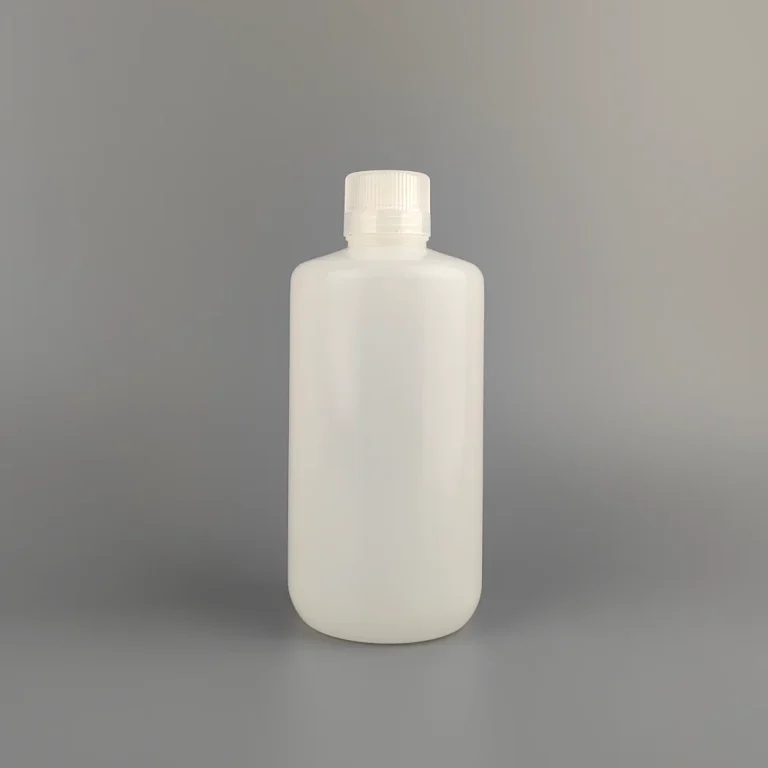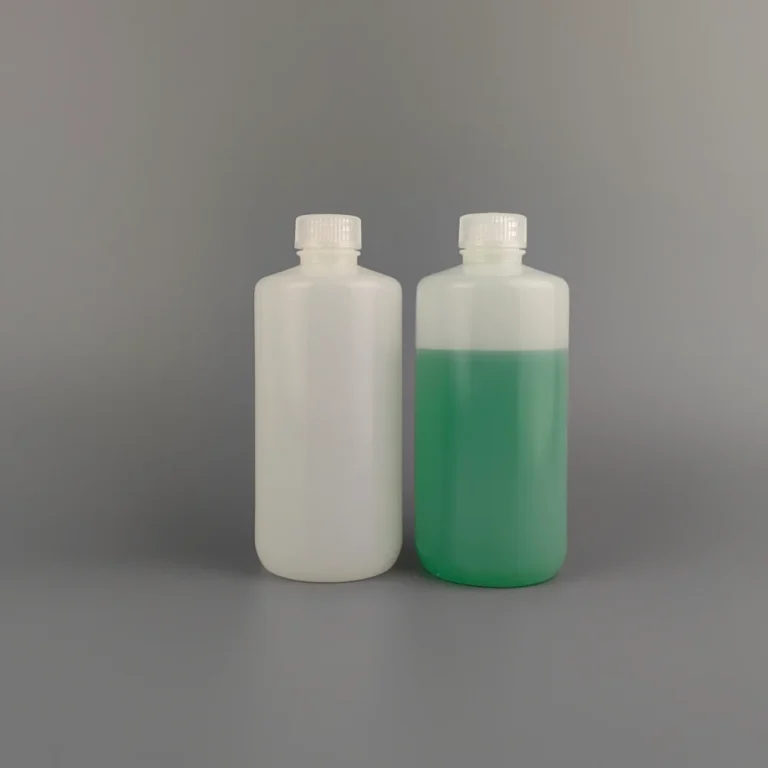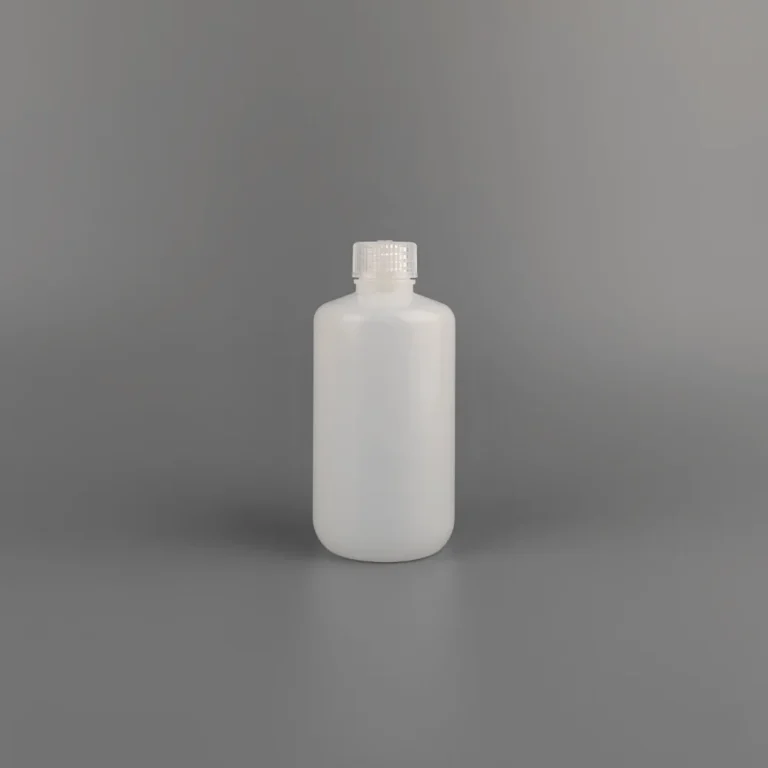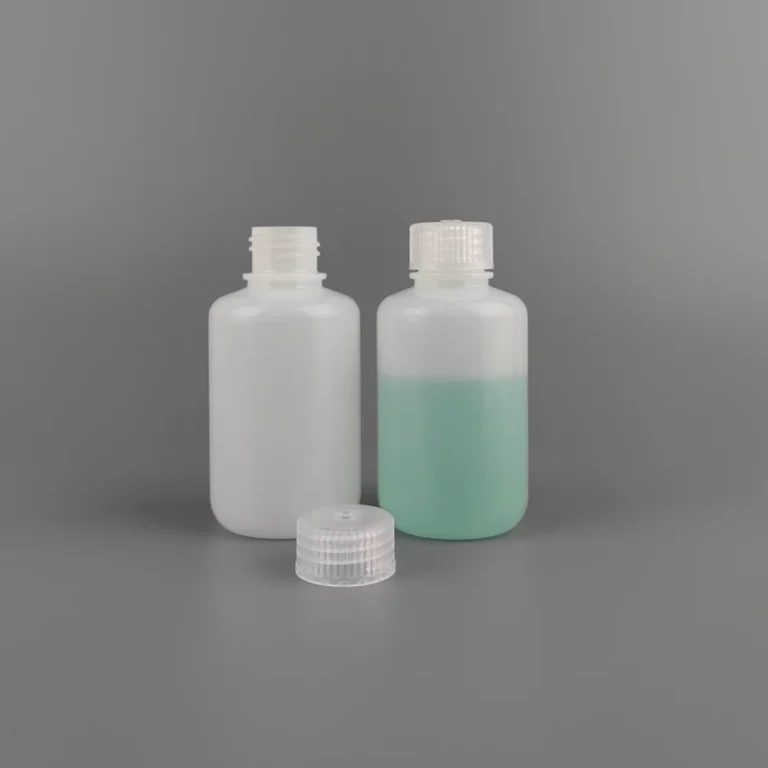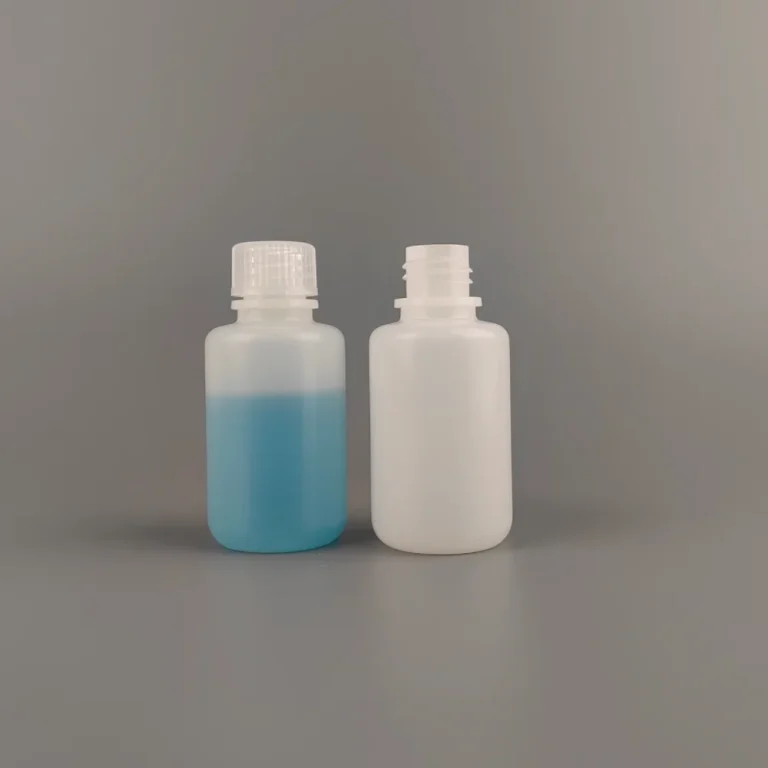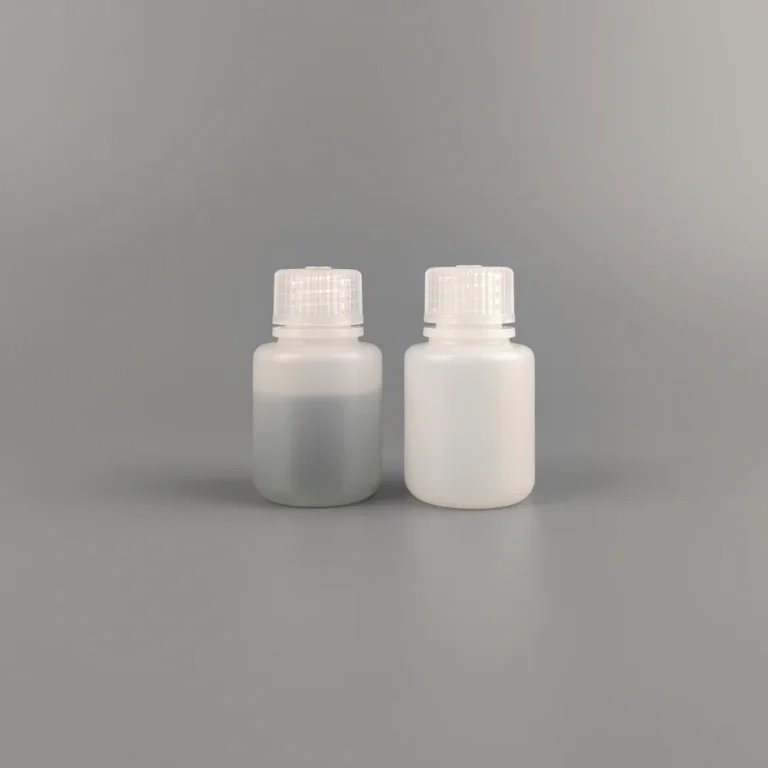
If a water sample container leaks during transportation or releases extractables after autoclaving, the problem is not limited to one failed test. It can invalidate microbial analysis, alter trace metal readings, and force a full resampling process. For environmental labs and industrial water testing facilities, that means delayed reports, repeat logistics costs, and compromised data integrity.
From a supplier’s perspective, container selection is not only about volume capacity. Material compatibility, wall thickness consistency, sealing performance, and temperature resistance directly affect sample stability from collection to analysis.
Why Container Material Matters in Water Sampling
Different water analysis workflows place different stress conditions on plastic containers. A container used for drinking water microbiology testing operates under very different conditions compared to wastewater chemical analysis or field sampling in sub-zero environments.
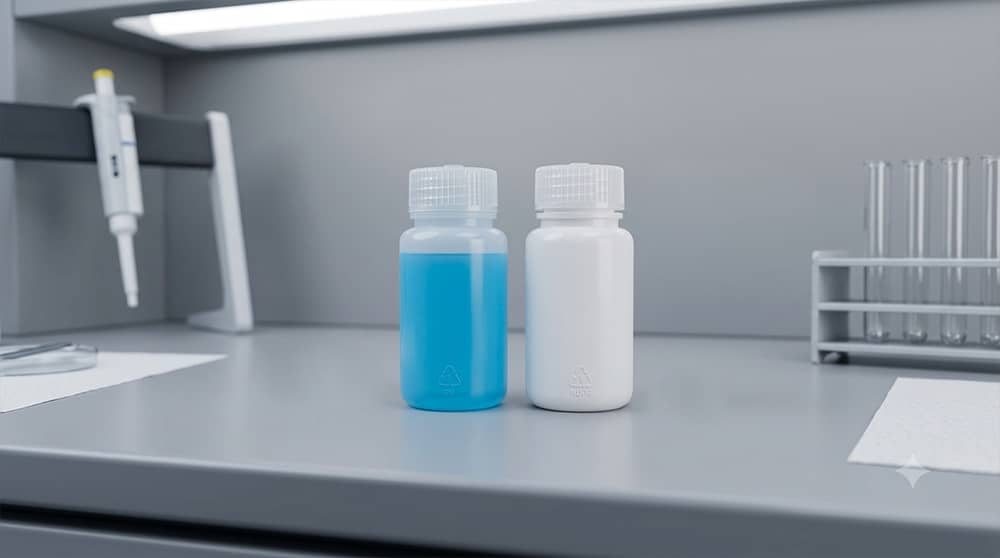
The two most commonly used materials are:
HDPE (High-Density Polyethylene)
HDPE containers are widely used for:
- Environmental water sampling
- Wastewater collection
- Heavy metal testing
- Chemical transport
Technical characteristics:
- High chemical resistance against acids and alkalis
- Lower extractable profile compared to general-purpose plastics
- Good impact resistance during transportation
- Typical temperature resistance: -80°C to 121°C
- Stable structure with thicker wall designs for field handling
Lab Tips:
- HDPE is generally preferred for inorganic analysis.
- Opaque bottle options help reduce UV exposure during transport.
PP (Polypropylene)
PP containers are commonly selected for:
- Sterile sampling
- Microbiology workflows
- Autoclavable applications
- High-temperature processing
Technical characteristics:
- Excellent thermal stability
- Autoclavable at 121°C
- Lower density with good rigidity balance
- Compatible with gamma sterilization processes
- Suitable for repeated lab handling cycles
Technical Insights:
PP performs better in repeated autoclave cycles, while HDPE often provides stronger chemical resistance for aggressive environmental samples.
Checklist: How to Select the Right Water Sampling Container
1. Verify Chemical Compatibility
Before selecting any container, check:
- Sample pH range
- Organic solvent exposure
- Oxidizing agent presence
- Trace metal sensitivity
A mismatch between sample chemistry and polymer material can introduce adsorption or leaching issues.
2. Evaluate Wall Thickness Consistency
Wall thickness directly affects:
- Mechanical durability
- Freezing resistance
- Centrifugation stability
- Transportation impact resistance
Uneven wall thickness can create stress concentration points during freezing or autoclaving.
Typical laboratory-grade specifications:
| Container Type | Recommended Wall Thickness |
| Small-volume sterile bottle | 0.8–1.2 mm |
| Environmental sampling bottle | 1.5–2.5 mm |
| Large-volume transport container | 2.0–3.5 mm |
From a manufacturing perspective, controlled injection molding parameters reduce dimensional deviation and improve sealing consistency batch-to-batch.
3. Check the Leak-proof Design
A leak-proof system is critical for:
- Field transportation
- Cold-chain shipping
- Hazardous sample handling
- Long-distance export logistics
Key sealing elements include:
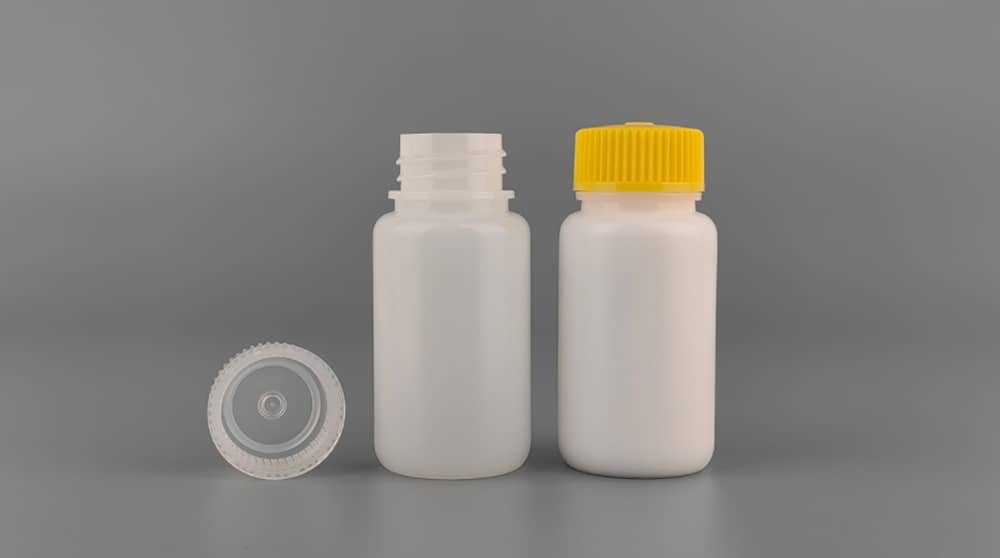
- Precision threaded cap structure
- Inner sealing ring geometry
- Torque-controlled closure fit
- Secondary liner compatibility
Data-driven leak testing often includes:
- Vacuum pressure testing
- Inverted storage testing
- Drop testing after filling
- Temperature cycling validation
For water sampling applications, silicone or TPE sealing rings are frequently used to improve closure integrity.
4. Confirm Temperature Resistance
Water sampling containers may experience:
- Deep freezing during storage
- Steam sterilization
- Outdoor field exposure
- Thermal cycling during shipment
Recommended operating range for laboratory-grade HDPE and PP containers:
| Material | Temperature Resistance |
| HDPE | -80°C to 121°C |
| PP | -80°C to 121°C |
Technical Insights:
Low-grade plastics often become brittle below -20°C. Inconsistent resin quality increases crack probability during freeze-thaw cycles.
5. Review Centrifugation Requirements
Some water testing workflows require sample pre-treatment through centrifugation.
Container performance should include:
- Structural stability under centrifugal force
- Cap integrity during rotation
- Dimensional consistency
Typical laboratory specifications:
| Container Format | Max RCF |
| Standard sampling bottle | 3,000–5,000 × g |
| Reinforced PP centrifuge container | Up to 12,000 × g |
Higher Max RCF tolerance usually requires reinforced shoulder geometry and thicker base construction.
Technical Specifications Comparison
| Specification | HDPE Water Sampling Container | PP Water Sampling Container |
| Material Type | High-Density Polyethylene | Polypropylene |
| Temperature Range | -80°C to 121°C | -80°C to 121°C |
| Chemical Resistance | Excellent for acids/alkalis | Strong for general lab chemicals |
| Autoclavable | Limited repeated cycles | Suitable for repeated cycles |
| Wall Thickness Range | 1.5–3.5 mm | 0.8–2.5 mm |
| Leak-proof Design | Threaded cap + sealing liner | Threaded cap + sealing ring |
| Max RCF | Up to 5,000 × g | Up to 12,000 × g |
| Typical Applications | Environmental sampling | Sterile and microbiology sampling |
Common Mistakes Seen in Water Sampling Projects
Using food-grade bottles for laboratory sampling
Food-grade containers may contain additives not validated for analytical testing.
Ignoring cap compatibility
Bottle and cap tolerances must be matched precisely. Cross-supplier combinations often increase leakage risk.
Choosing thin-wall bottles for frozen storage
Thin-wall structures are more vulnerable to cracking during rapid temperature changes.
Overlooking sterilization methods
Gamma sterilization, EO sterilization, and autoclaving create different material stress conditions.
What Procurement Teams Usually Evaluate
Procurement managers typically focus on more than unit price.
Key evaluation criteria include:
- Batch consistency
- Sterility validation
- Packaging cleanliness
- Export carton durability
- Lead time stability
- OEM labeling capability
- Regulatory documentation support
From a supplier’s perspective, consistent molding quality and leak testing standards are often more important than adding extra product features.
JSBIO Lab Tips for Water Sampling Projects
Recommended for Environmental Sampling
- HDPE bottles
- Thick-wall construction
- Tamper-evident cap options
- UV-resistant design if outdoor exposure is expected
Recommended for Sterile Laboratory Sampling
- PP autoclavable containers
- Individual sterile packaging
- Reinforced sealing ring structure
- Certified DNase/RNase-free options when required
Request Samples or Technical Support
If your laboratory is evaluating new water sampling containers, two practical options are available:
Option A — Request free samples for validation
You can test:
- Leak-proof performance
- Freeze-thaw resistance
- Autoclave compatibility
- Centrifugation stability
- Chemical compatibility under real workflows
Option B — Get a bulk quote and customization details
Available customization options may include:
Carton optimization for export logistics
Bottle volume
Cap color
Graduation marking
Sterile packaging
Private label printing