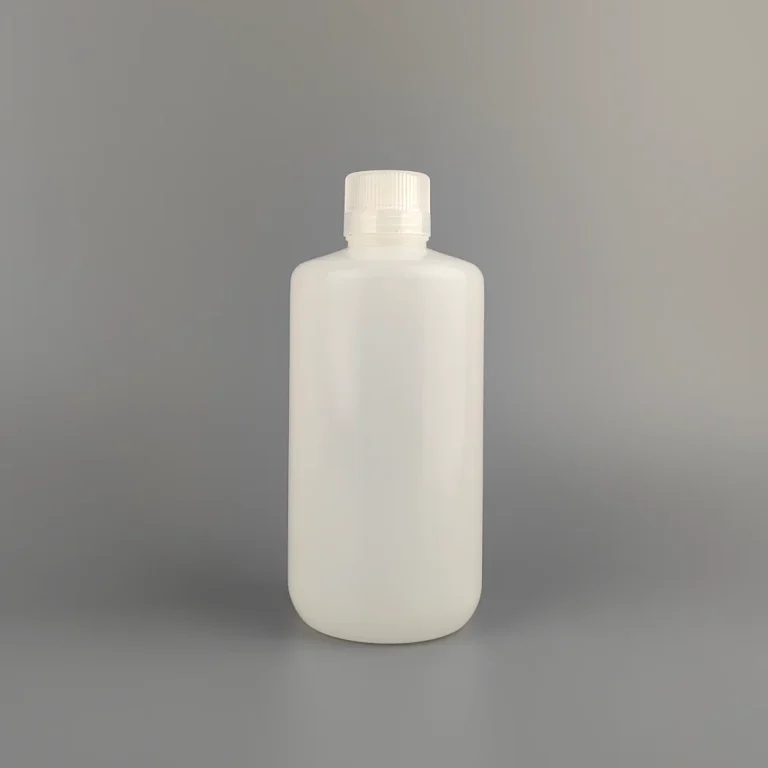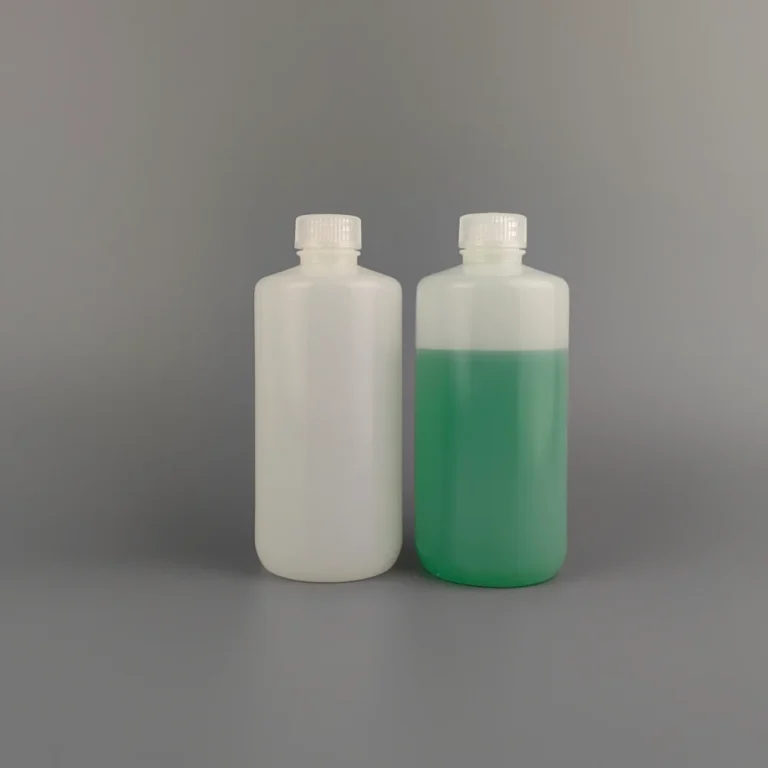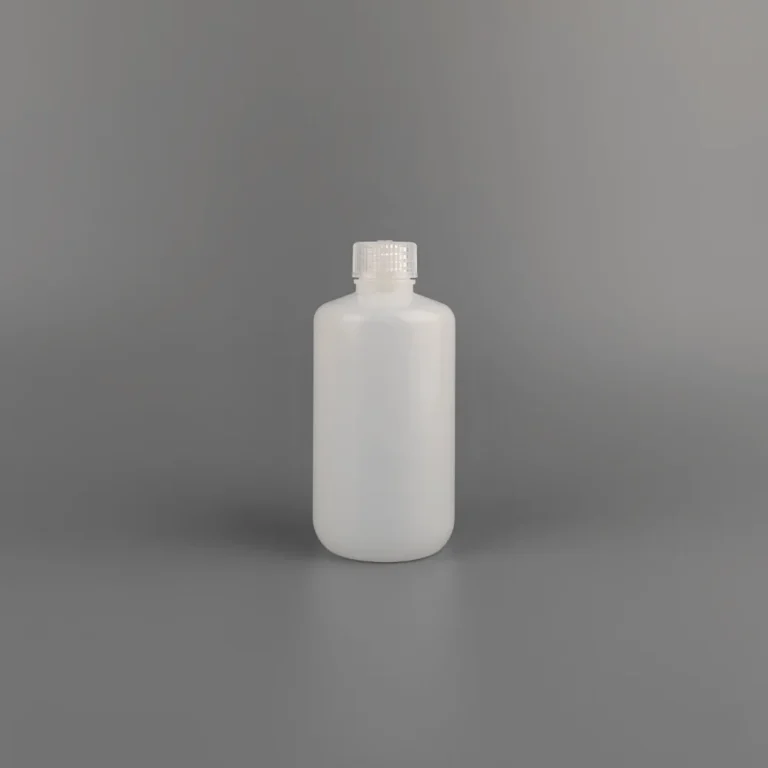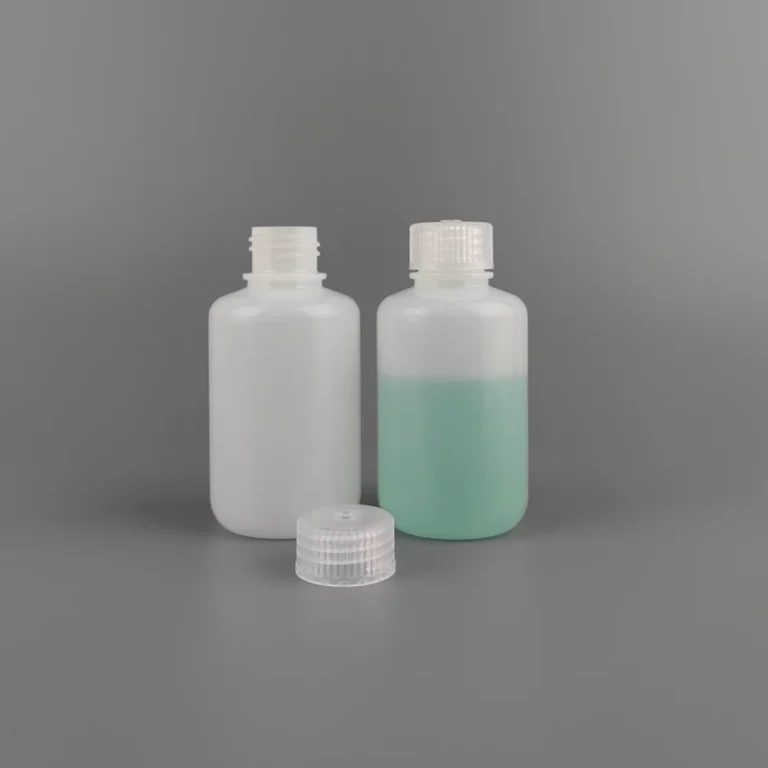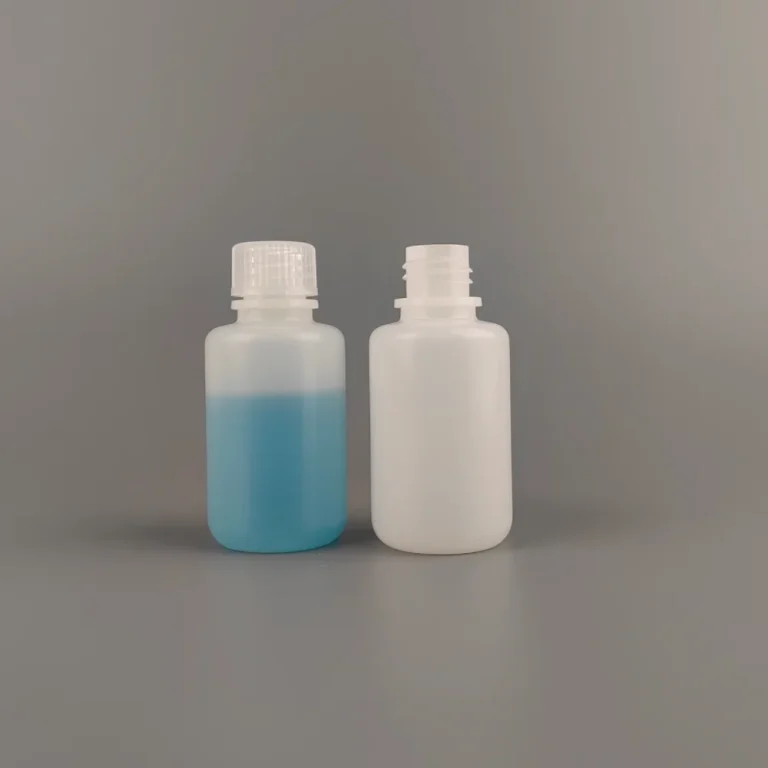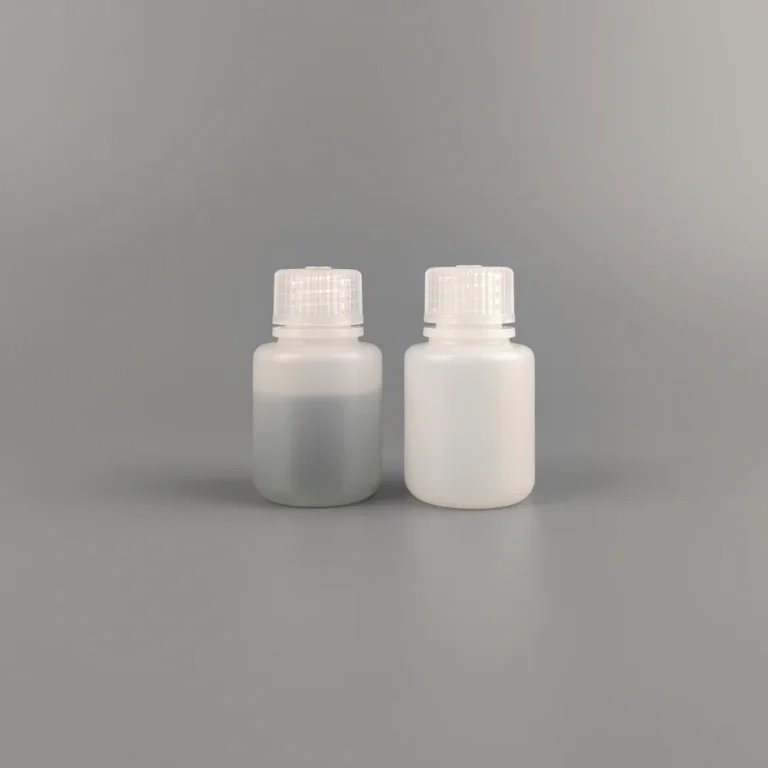
An air sample collected near an industrial facility may contain VOCs at only a few parts per billion. If the container seal allows minor vapor loss during transport, the laboratory result can shift significantly before analysis even starts. In airborne particulate studies, static charge inside low-grade plastic containers may attract particles and distort concentration measurements. Air sampling accuracy depends heavily on the storage container.
From 15 years at JSBIO, effective air sampling storage requires careful control of:
- Material compatibility (PP / HDPE / Glass)
- Leak-proof sealing systems
- Wall thickness consistency
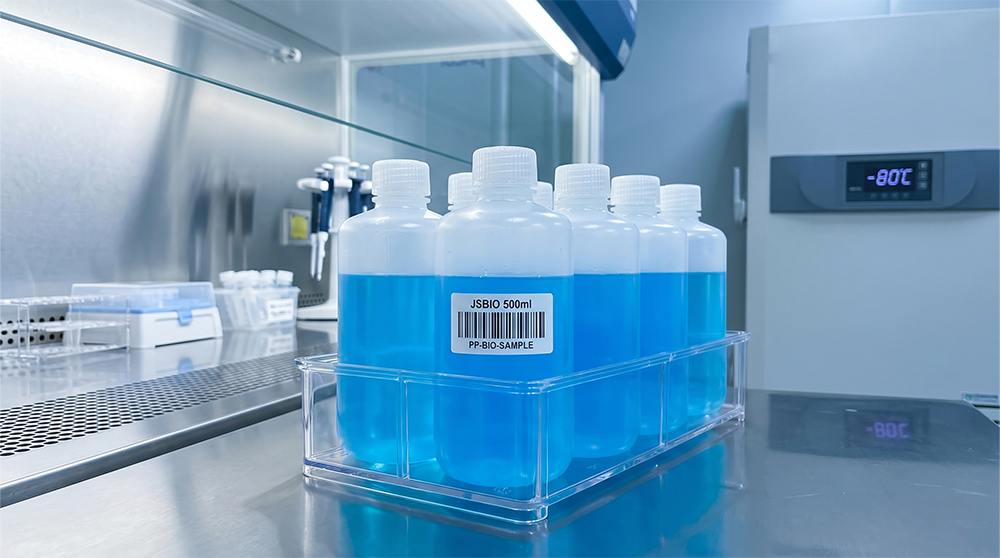
- Temperature stability (-80°C to 121°C)
- Chemical permeability resistance
In environmental monitoring, the container itself becomes part of the analytical process.
Why Air Sampling Containers Matter
Air samples are highly sensitive because contaminants are often present at extremely low concentrations.
Typical applications include:
- VOC monitoring
- Industrial emissions testing
- Indoor air quality analysis
- Cleanroom monitoring
- Occupational safety testing
- Airborne microbial analysis
- Environmental pollution studies
Improper storage may cause:
- VOC evaporation
- Gas permeation
- Cross-contamination
- Moisture intrusion
- Particle loss during transport
These issues directly affect analytical reliability.
Common Types of Air Sampling Containers
Polypropylene (PP) Containers
Typical Specifications
- Temperature Range: -80°C to 121°C
- Max RCF: up to 15,000–20,000 × g
- High wall thickness precision
- Advanced leak-proof gasket sealing
Best Applications
PP containers are commonly used for:
✔ Airborne particulate collection
✔ Biological air sampling
✔ Filter storage
✔ Sterile environmental workflows
Technical Insights
PP provides:
- Good structural stability
- Low adsorption characteristics
- Compatibility with sterilization
- Reliable sealing during transport
For microbiological air studies, PP containers are often preferred due to sterilization compatibility.
HDPE Containers
Typical Specifications
- Temperature Range: -50°C to 110°C
- Strong chemical resistance
- High impact resistance
- Moderate wall thickness precision
Best Applications
HDPE performs well in:
✔ General environmental air sampling
✔ Industrial field applications
✔ Outdoor transportation conditions
Technical Insights
HDPE offers:
- Excellent durability
- Strong resistance to acids and chemicals
- Better outdoor handling performance
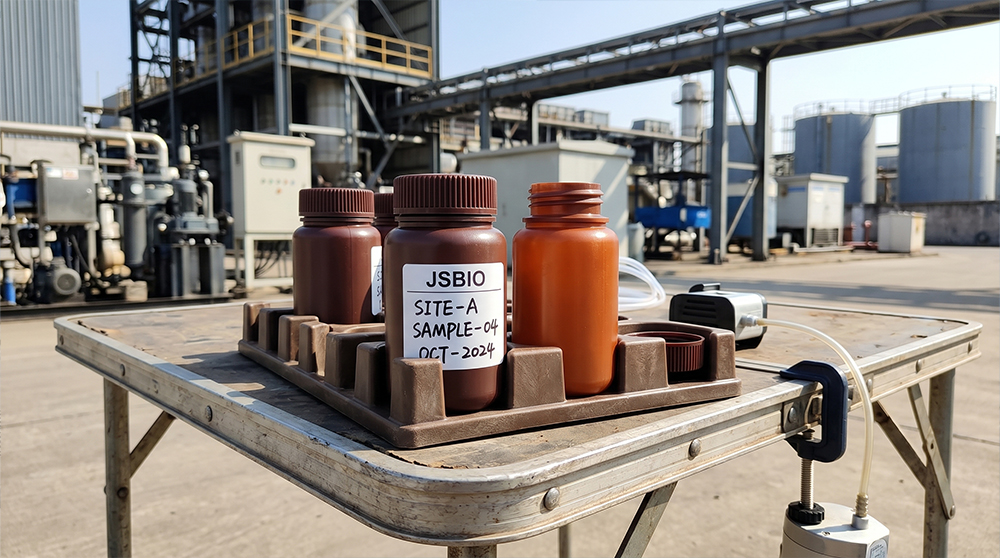
Opaque HDPE also reduces UV exposure for light-sensitive samples.
Glass Containers
Glass remains important for:
- VOC analysis
- Solvent-sensitive airborne compounds
- Trace-level gas testing
Advantages
- Near-zero gas permeability
- High chemical inertness
- Minimal adsorption
Limitations
- Breakage risk
- Higher transportation weight
- Increased handling difficulty in field environments
For volatile compounds, glass is often the preferred option despite handling limitations.
Leak-Proof Sealing Requirements
Air samples are highly vulnerable to vapor loss.
Poor sealing may cause:
- VOC evaporation
- Pressure imbalance
- External contamination
- Moisture ingress
JSBIO container systems use:
- Multi-thread cap structures
- Integrated leak-proof gasket design
- Stable torque-controlled sealing
This improves sample stability during:
- Long-distance transport
- Refrigerated storage
- Field vibration exposure
Wall Thickness and Gas Permeability
Wall thickness affects:
- Gas diffusion
- Structural stability
- Thermal resistance
Thin-Wall Risks
Containers with inconsistent wall thickness may experience:
- Increased permeation
- Pressure instability
- Deformation under temperature changes
JSBIO manufacturing focuses on:
- Uniform wall thickness distribution
- Reinforced stress areas
- Stable molding tolerances
This reduces variability across environmental sampling projects.
Temperature Requirements for Air Sampling Storage
Air sampling applications may involve different storage conditions.
Typical Temperature Conditions
| Application | Storage Condition |
| Routine environmental monitoring | 4°C |
| Biological air sampling | -20°C |
| Long-term microbial storage | -80°C |
| Sterile workflows | 121°C sterilization |
Material Performance by Temperature
PP Containers
- Stable from -80°C to 121°C
- Suitable for freezing and autoclaving
HDPE Containers
- Stable from -50°C to 110°C
- Suitable for routine transport and field use
Improper temperature management may alter:
- VOC concentration
- Microbial activity
- Moisture levels inside the container
UV Resistance During Outdoor Sampling
Outdoor air sampling frequently involves direct sunlight exposure.
UV-related risks include:
- Material degradation
- Increased internal temperature
- Chemical instability
Recommended controls:
✔ Use opaque containers
✔ Reduce direct sunlight exposure
✔ Use UV-stabilized HDPE when needed
Static Charge and Particle Retention
For airborne particulate sampling, static electricity can affect results.
Potential issues:
- Particle adhesion to container walls
- Uneven sample recovery
- Reduced analytical consistency
Material selection and surface quality become important for fine particle studies.
Technical Specifications Comparison
| Parameter | PP Containers | HDPE Containers | Glass Containers |
| Temperature Range | -80°C to 121°C | -50°C to 110°C | Wide |
| Chemical Resistance | High | Very High | Very High |
| Leak-proof Design | Advanced gasket + thread | Optional gasket | Cap + liner |
| Wall Thickness Control | High precision | Medium | Rigid |
| Gas Permeability | Low | Moderate | Very Low |
| UV Resistance | Moderate | Moderate–High | High |
| Impact Resistance | High | Very High | Low |
| Max RCF | Up to 20,000 × g | Low | Limited |
| Suitable for VOC Analysis | Moderate | Moderate | High |
| Suitable for Biological Sampling | High | Moderate | Moderate |
Lab Tips for Air Sampling
Before Sampling
✔ Select the correct container material
✔ Use leak-proof gasket systems
✔ Verify temperature compatibility
✔ Prepare sterile containers if required
During Sampling
✔ Minimize exposure time during transfer
✔ Avoid touching inner surfaces
✔ Keep samples away from direct sunlight
✔ Reduce unnecessary pressure changes
During Storage and Transport
✔ Maintain recommended temperature conditions
✔ Prevent vibration damage
✔ Protect VOC samples from evaporation
✔ Label samples immediately after collection
Common Air Sampling Mistakes
Using Standard Consumer Bottles
Non-laboratory plastics may release contaminants or allow vapor permeation.
Poor Sealing During VOC Transport
Even small leaks may alter analytical concentrations.
Using Transparent Containers Outdoors
UV exposure can affect temperature-sensitive compounds.
Ignoring Static Effects in Particle Sampling
Fine airborne particles may adhere to low-quality plastic surfaces.
From a Supplier’s Perspective
Air sampling containers require tighter sealing and permeability control than many standard laboratory applications.
For OEM projects, JSBIO commonly optimizes:
- PP or HDPE material grades
- Leak-proof gasket systems
- Low-permeability wall structures
- UV-resistant additives
- Sterile packaging options
Two containers with similar dimensions may perform very differently depending on molding precision and sealing quality.
Practical Selection Checklist
Before selecting air sampling containers, verify:
✔ Will VOC analysis be performed?
✔ Is biological or microbial sampling required?
✔ Will outdoor UV exposure occur?
✔ Is freezing or sterilization necessary?
✔ Does the container require ultra-low permeability?
✔ Is leak-proof transport critical?
A. Request free samples for validation
Evaluate:
- Leak-proof sealing
- Gas permeability
- Temperature stability
- Transport durability
B. Get a bulk quote and customization details
Customization options include:
- PP or HDPE material selection
- UV-resistant opaque containers
- Sterile packaging systems
- Custom cap and gasket configurations
If you can share your air sampling application (VOC monitoring, industrial hygiene, cleanroom testing, environmental monitoring), I can recommend the most suitable container specifications for your workflow.