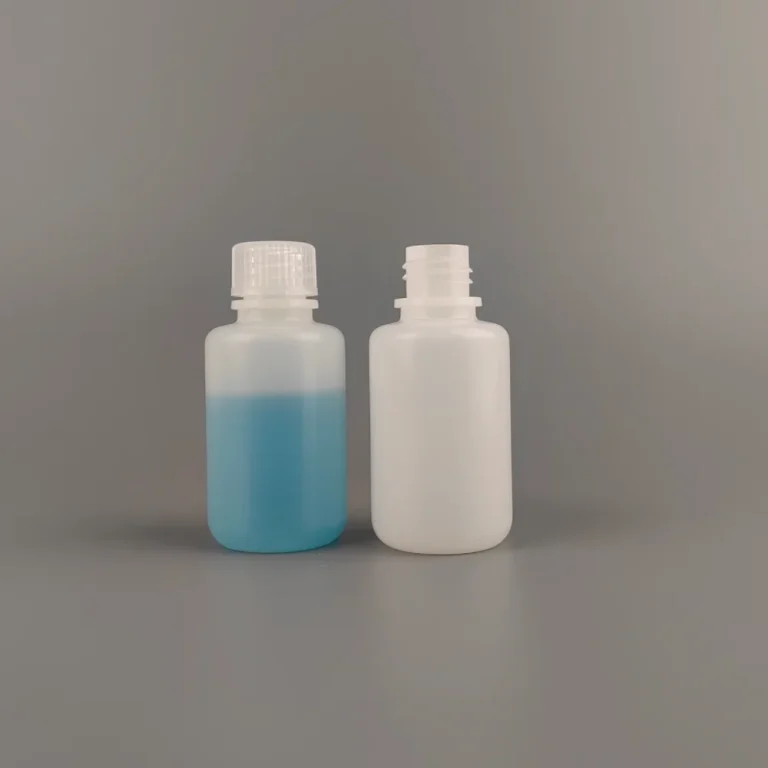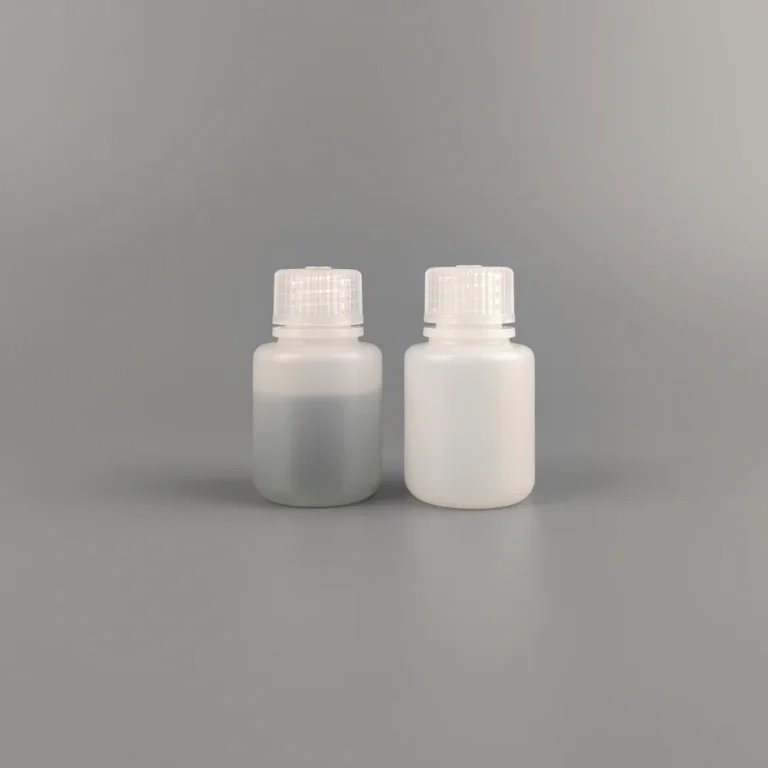
A water sample collected upstream and a soil sample taken only 20 meters away can produce completely different laboratory results if the containers, storage temperatures, or sealing conditions are inconsistent. In environmental testing, sampling errors often occur before the laboratory analysis even begins. Contamination, moisture loss, UV exposure, and poor container selection are among the most common causes of unreliable data.
From 15 years at JSBIO, stable environmental sampling depends on three connected systems working together:
- Correct sampling procedures
- Proper storage conditions
- Reliable laboratory-grade containers
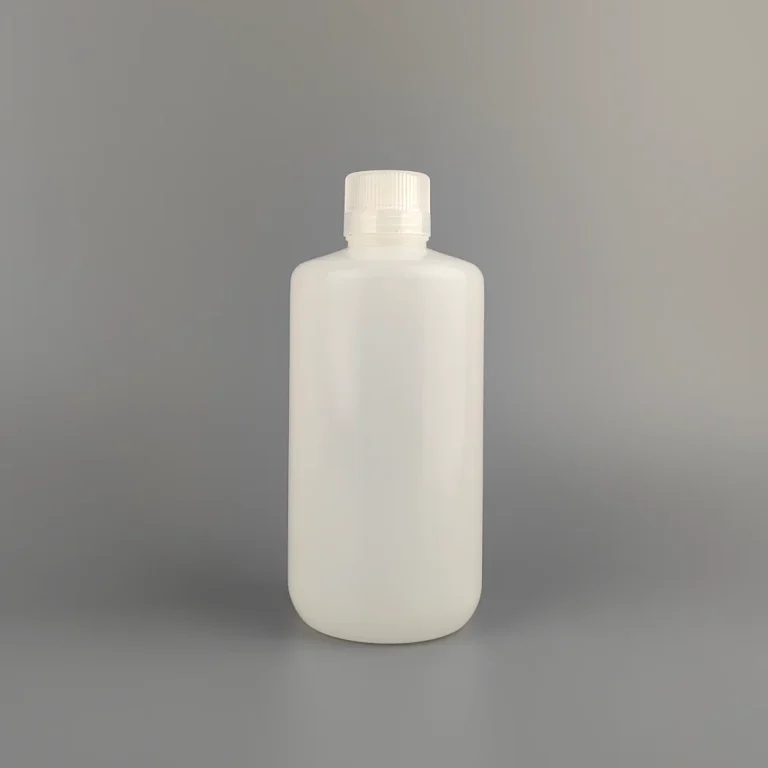
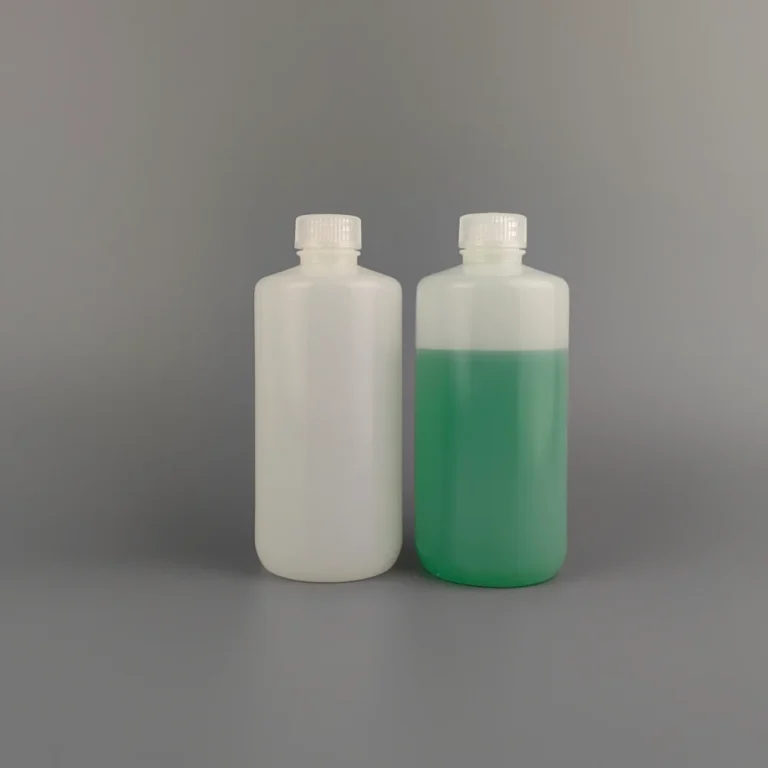
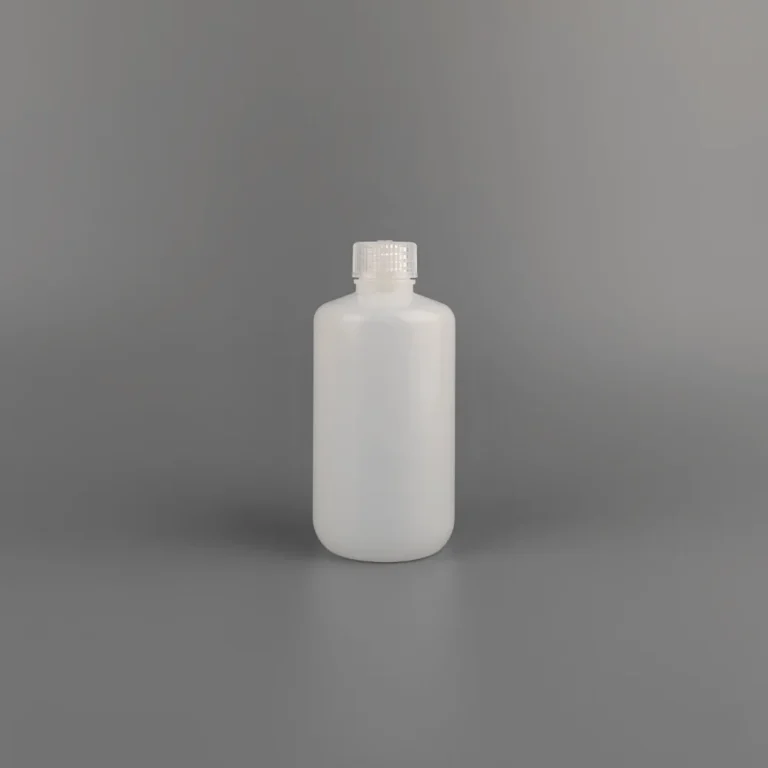
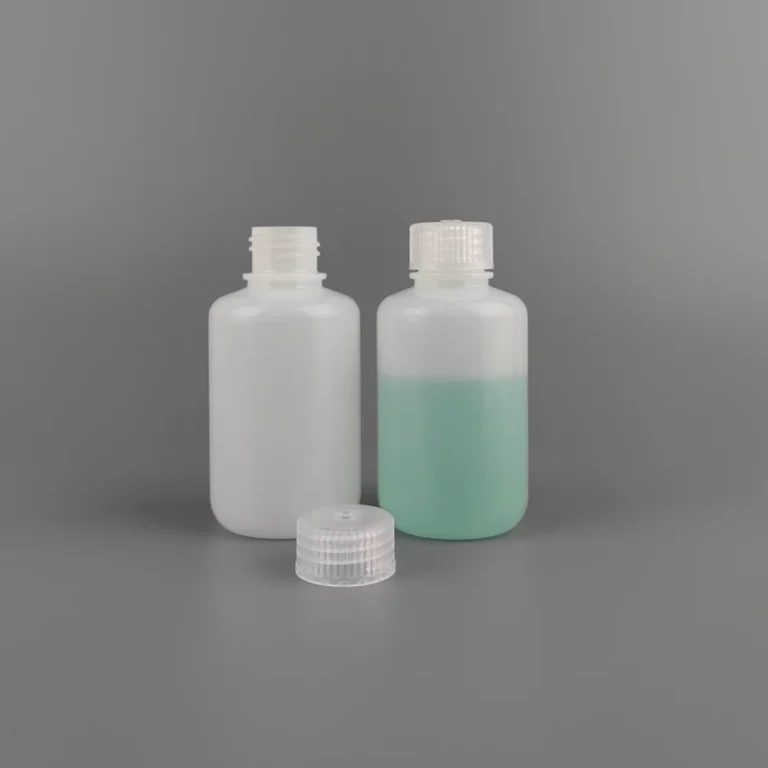
The container itself plays a major role in maintaining sample integrity during field collection, transportation, and laboratory storage.
Why Environmental Sampling Requires Strict Control
Environmental samples are highly sensitive to external changes.
Testing may involve:
- Surface water
- Wastewater
- Soil
- Sediment
- Groundwater
- Industrial discharge
- Airborne particulate matter
Even small handling issues can affect:
- Heavy metal concentration
- VOC content
- Microbial activity
- pH stability
- Organic compound analysis
This is why environmental laboratories typically standardize both sampling methods and storage containers.
Core Environmental Sampling Requirements
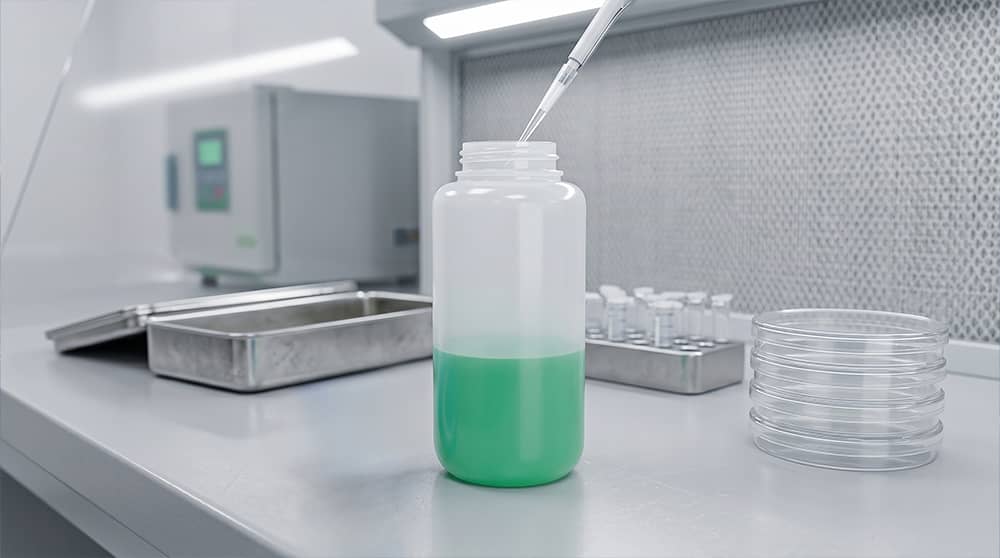
1. Use Chemically Compatible Containers
Container material must not react with the sample.
Common Materials
| Material | Typical Applications |
| HDPE | Water, soil, wastewater |
| PP | Biological & sterile applications |
| Glass | VOC and solvent analysis |
HDPE Containers
Typical Specifications
- Temperature Range: -50°C to 110°C
- Strong acid/base resistance
- High impact resistance
- Good outdoor durability
Best For
✔ Water quality testing
✔ Wastewater sampling
✔ Soil collection
✔ Industrial environmental monitoring
PP Containers
Typical Specifications
- Temperature Range: -80°C to 121°C
- Max RCF: up to 15,000–20,000 × g
- High wall thickness consistency
- Advanced leak-proof sealing
Best For
✔ Microbial analysis
✔ Biological environmental samples
✔ Frozen sample storage
✔ Sterile workflows
Preventing Sample Contamination
Environmental samples can easily become contaminated during:
- Collection
- Transfer
- Transportation
- Storage
Common Contamination Sources
- Non-laboratory-grade plastics
- Poor sealing systems
- Residual chemicals in reused containers
- Environmental exposure during transport
Leak-Proof Sealing Requirements
Sealing performance is critical in environmental sampling.
Poor sealing may lead to:
- Moisture loss
- VOC evaporation
- Oxygen exposure
- Cross-contamination
JSBIO environmental sampling containers use:
- Multi-thread cap systems
- Integrated leak-proof gasket design
- Stable torque sealing structures
This improves storage reliability during long-distance field transport.
Temperature Control During Sampling
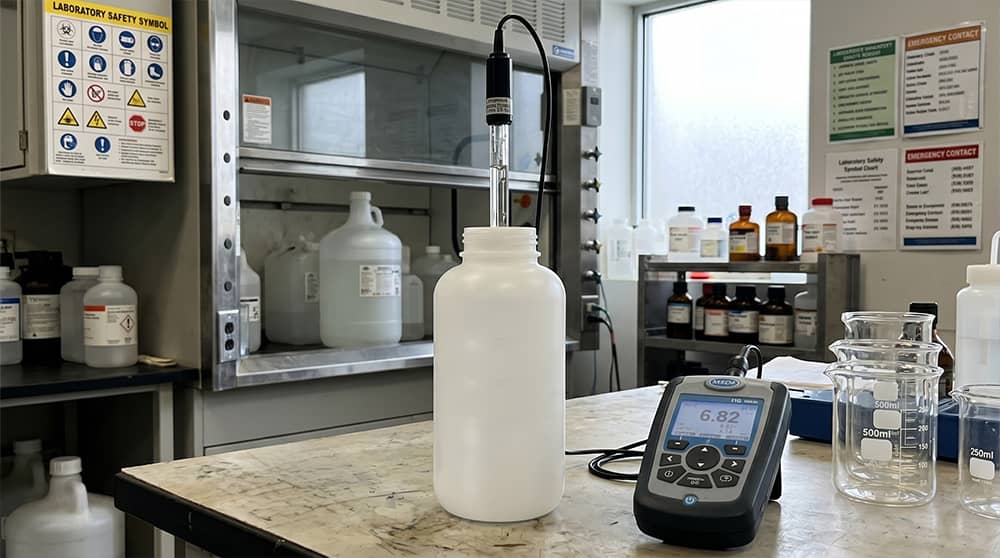
Temperature directly affects environmental sample stability.
Typical Storage Conditions
| Sample Type | Recommended Storage |
| Routine water samples | 4°C |
| Biological samples | -20°C |
| Long-term microbial storage | -80°C |
| Sterile workflows | 121°C sterilization |
Material Performance Under Temperature Stress
PP
- Stable from -80°C to 121°C
- Suitable for freezing and autoclaving
HDPE
- Stable from -50°C to 110°C
- Better for routine field storage
Improper temperature control may alter:
- Microbial activity
- Dissolved oxygen levels
- Organic compound concentration
Why Wall Thickness Matters in Field Sampling
Field sampling introduces:
- Vibration
- Pressure changes
- Mechanical impact
- Temperature fluctuation
Thin or inconsistent wall thickness may cause:
- Bottle deformation
- Seal instability
- Cracking during transport
JSBIO production control includes:
- Uniform wall thickness distribution
- Reinforced shoulder and base structures
- Tight dimensional tolerances
This improves field durability and sample protection.
UV Exposure During Outdoor Sampling
Environmental sampling often involves prolonged sunlight exposure.
UV Risks
- Plastic degradation
- Increased sample temperature
- Biological activity changes
Recommended controls:
✔ Use opaque containers
✔ Minimize direct sunlight exposure
✔ Use UV-stabilized HDPE when required
Sample Labeling and Traceability
Accurate labeling is essential.
Each sample container should include:
- Sampling location
- Date and time
- Sample type
- Preservation method
- Collector identification
Poor labeling creates traceability risks during laboratory processing.
Technical Specifications Comparison
| Parameter | PP Containers | HDPE Containers | Glass Containers |
| Temperature Range | -80°C to 121°C | -50°C to 110°C | Wide |
| Chemical Resistance | High | Very High | Very High |
| Leak-proof Design | Advanced gasket + thread | Optional gasket | Cap + liner |
| Wall Thickness Control | High precision | Medium | Rigid |
| UV Resistance | Moderate | Moderate–High | High |
| Impact Resistance | High | Very High | Low |
| Max RCF | Up to 20,000 × g | Low | Limited |
| Suitable for Biological Sampling | Yes | Limited | Moderate |
| Field Sampling Suitability | High | Very High | Low |
Environmental Sampling Checklist
Before Sampling
✔ Select the correct container material
✔ Verify leak-proof sealing performance
✔ Prepare sterile containers if required
✔ Label containers before field use
During Sampling
✔ Minimize environmental exposure
✔ Avoid touching inner surfaces of caps or bottles
✔ Keep samples away from direct sunlight
✔ Use temperature-controlled transport if needed
After Sampling
✔ Store at the correct temperature immediately
✔ Prevent excessive vibration during transport
✔ Record all sampling conditions
✔ Deliver to laboratory within required holding time
Common Environmental Sampling Mistakes
Using Consumer Bottles for Sampling
Food or beverage containers may release contaminants.
Improper Temperature Handling
Heat exposure rapidly alters microbial and chemical stability.
Poor Cap Sealing
Leaks during transport can invalidate VOC or dissolved gas testing.
Reusing Old Containers
Residual contamination affects trace analysis accuracy.
From a Supplier’s Perspective
Environmental sampling containers must perform under uncontrolled field conditions.
For OEM projects, JSBIO commonly optimizes:
- PP or HDPE material grades
- Leak-proof sealing systems
- UV-resistant additives
- Wall thickness distribution
- Sterile packaging configurations
Two containers with similar appearance can behave very differently during environmental sampling depending on manufacturing precision.
Practical Selection Checklist
Before purchasing environmental sampling containers:
✔ What sample type will be collected?
✔ Is freezing or sterilization required?
✔ Will outdoor UV exposure occur?
✔ Is trace-level contamination analysis involved?
✔ Does the container require leak-proof sealing?
✔ Is long-distance transportation expected?
A. Request free samples for validation
Evaluate:
- Leak-proof performance
- Chemical compatibility
- UV resistance
- Transport durability
B. Get a bulk quote and customization details
Customization options include:
- PP or HDPE material selection
- Opaque UV-resistant bottles
- Sterile packaging
- Custom cap and gasket systems
If you can share your environmental testing application (water monitoring, soil analysis, wastewater, mining, microbiology), I can recommend the most suitable sampling container specifications for your workflow.