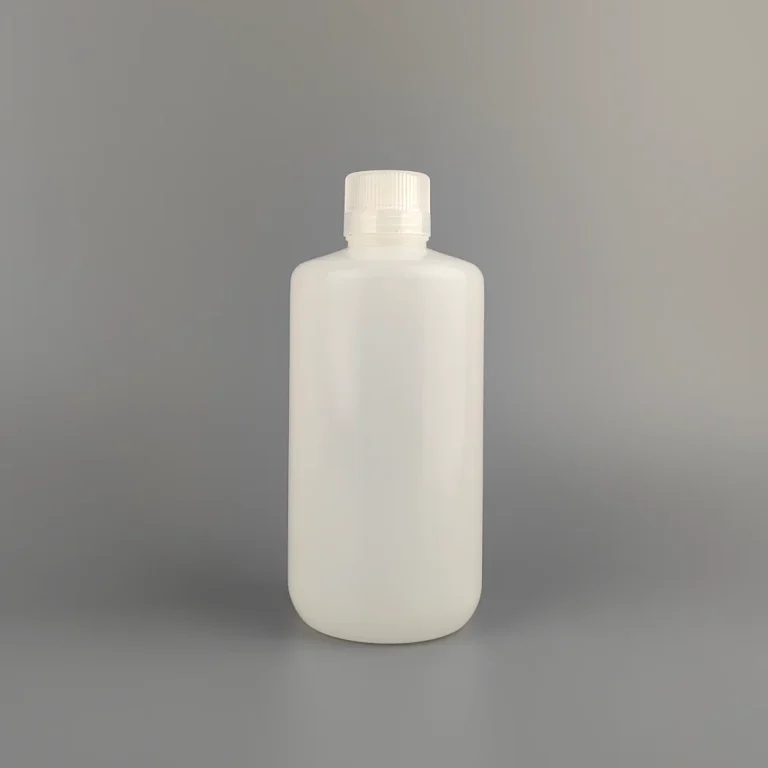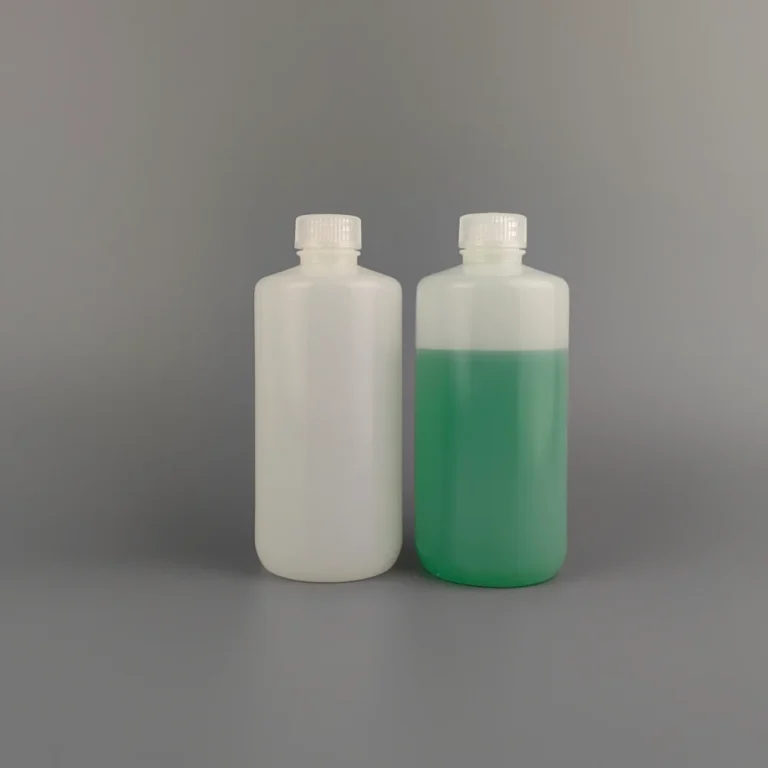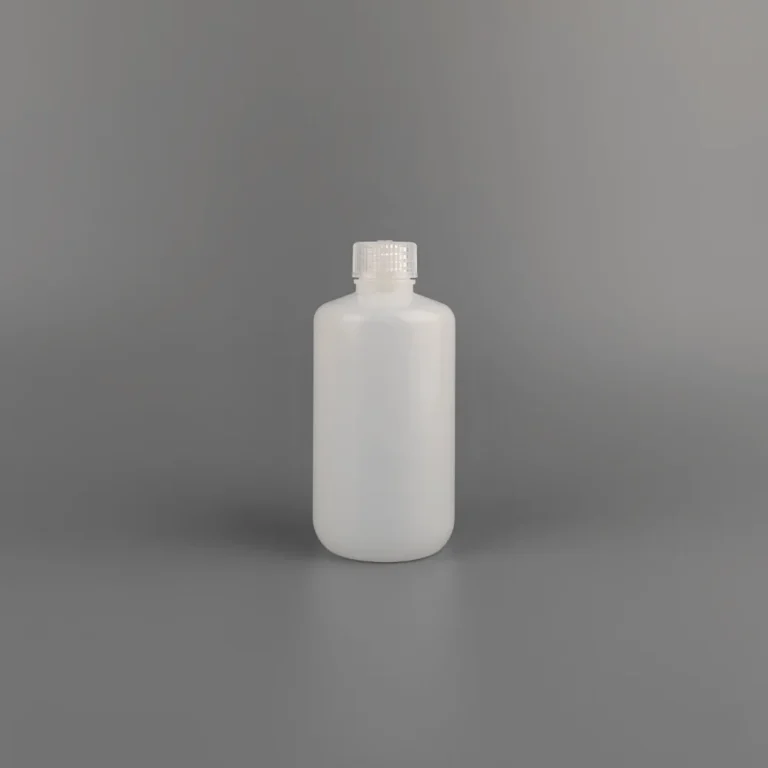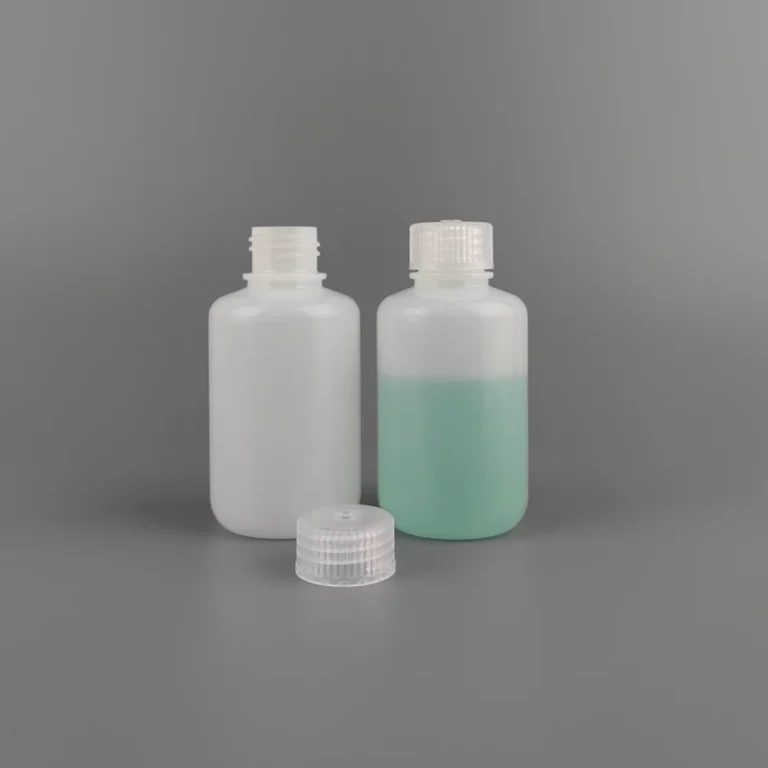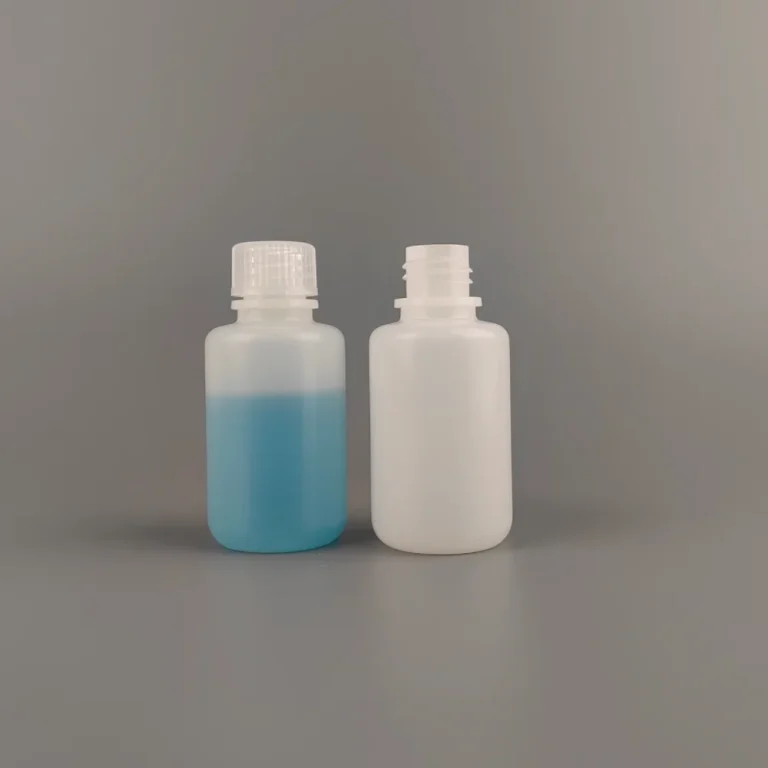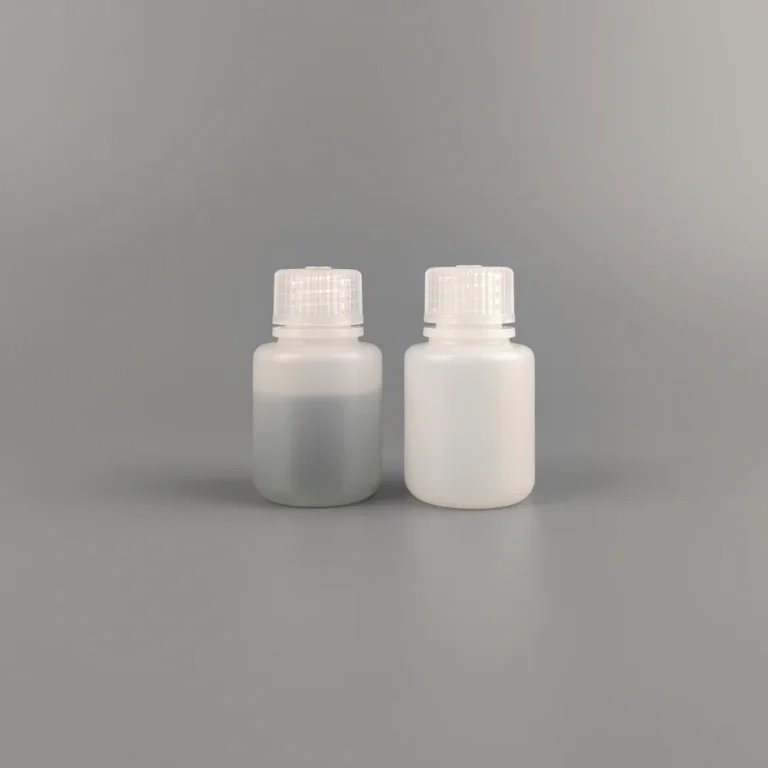
If a container cracks during -80°C storage due to uneven wall thickness or material brittleness, the result is not just sample loss—it can contaminate an entire freezer system and compromise multiple experiments. This type of failure is typically linked to material choice and structural design, not handling error.
From 15 years of manufacturing and application experience at JSBIO, polypropylene (PP) containers are widely used in laboratories for one reason: they offer a balanced combination of thermal stability, mechanical strength, and chemical resistance under real working conditions.
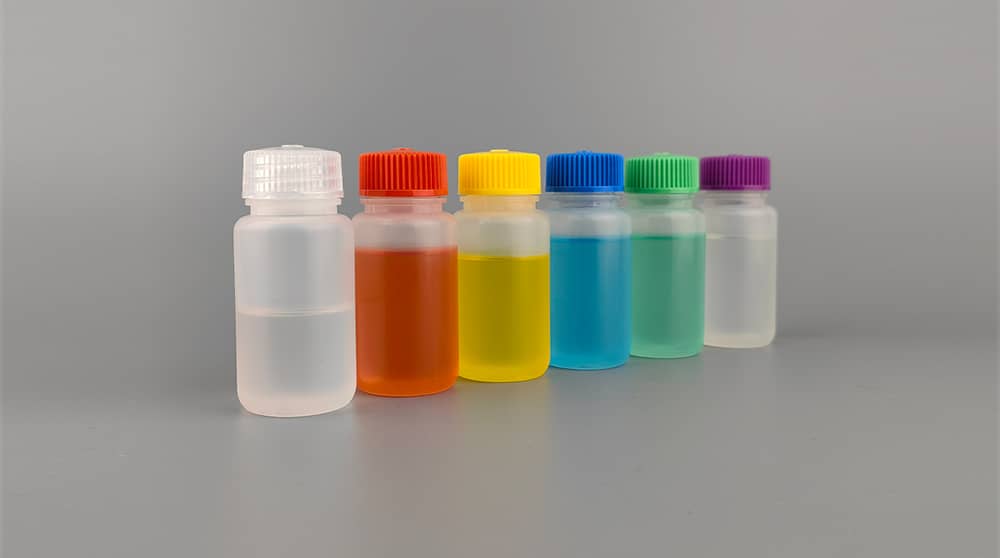
Technical Insights: Why Polypropylene (PP) Performs Reliably
Polypropylene is not selected because it is “general-purpose,” but because its data profile fits laboratory demands:
- Temperature Range: -80°C to 121°C
- Autoclavable: Yes (standard 121°C cycle)
- Max RCF: Up to 15,000–20,000 × g (depending on structure)
- Material Behavior: Low extractables, low adsorption
These parameters allow a single container type to be used across freezing, centrifugation, and sterilization workflows.
Core Advantages of PP Containers in Laboratory Use
1. Wide Thermal Tolerance
PP maintains structural integrity across multiple temperature zones:
- Ultra-low storage: -80°C
- Refrigeration: 2–8°C
- Ambient handling
- Autoclaving: 121°C
This reduces the need to switch container types between processes.
2. Structural Stability Driven by Wall Thickness
Performance is not just about material—it is about wall thickness consistency (Wall Thickness control).
At JSBIO, standard engineering includes:
- Uniform wall thickness to prevent stress concentration
- Reinforced base design for impact resistance
- Structural ribs for deformation control
Impact on real use:
- Reduced cracking during freezing
- Stable geometry under centrifugation
- Lower breakage rate during transport
3. Chemical Compatibility
PP shows stable behavior with common lab substances:
- Aqueous solutions
- Buffers
- Weak acids and bases
- Selected organic solvents
It is not universal for all solvents, but covers the majority of routine lab workflows.
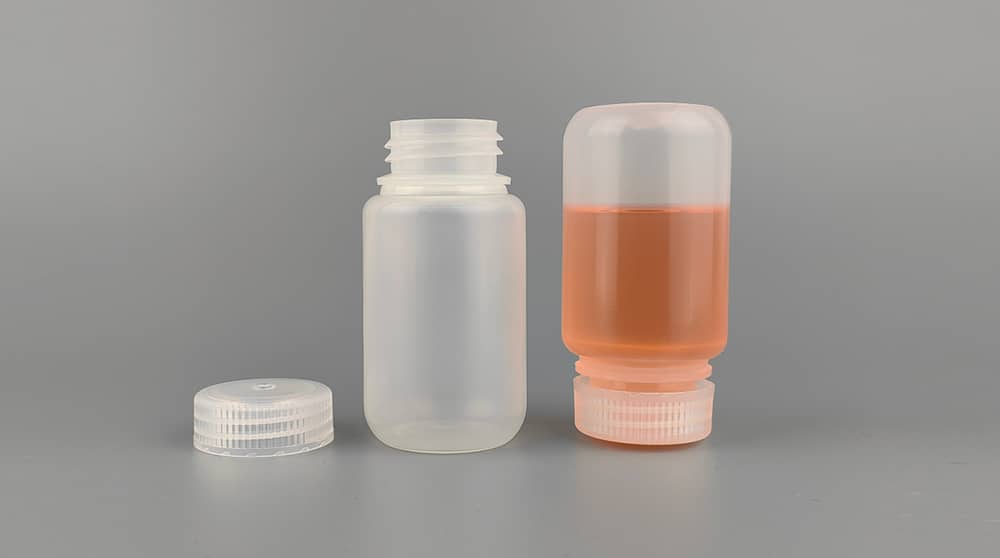
4. Leak-Proof Design and Sealing Integrity
Sealing performance directly affects contamination risk and sample loss.
Typical JSBIO design features:
- Multi-thread closure system
- Integrated leak-proof gasket
- Torque-optimized cap design
Test outcomes:
- No leakage in inversion tests
- Stable sealing after centrifugation
5. High Centrifugation Compatibility (Max RCF)
For centrifuge applications, containers must resist deformation and leakage.
Typical PP performance:
- Max RCF: up to 15,000 × g (standard tubes)
- Thickened wall + optimized geometry
This is critical in molecular biology and clinical workflows.
Technical Specifications Comparison
| Parameter | Polypropylene (PP) | HDPE | PS (Polystyrene) |
| Temperature Range | -80°C to 121°C | -50°C to 110°C | 0°C to 70°C |
| Autoclavable | Yes | Limited | No |
| Max RCF | Up to 20,000 × g | Low | Very Low |
| Chemical Resistance | High | Very High | Moderate |
| Wall Thickness Control | High precision | Medium | Low |
| Leak-proof Design | Advanced (gasket + thread) | Basic | Limited |
| Transparency | Semi-transparent | Opaque | High |
From a data standpoint, PP offers the best balance across multiple performance categories.
Lab Tips: When to Choose PP Containers
Use polypropylene containers when:
✔ Working with -80°C storage conditions
✔ Requiring autoclaving (121°C sterilization)
✔ Running high-speed centrifugation (>10,000 × g)
✔ Handling DNA, RNA, or protein samples (low adsorption needed)
✔ Requiring reliable leak-proof transport
From a Supplier’s Perspective
In procurement, failures are rarely caused by “wrong material selection” alone. More often, they result from:
- Inconsistent wall thickness → cracking at low temperature
- Simplified sealing design → leakage
- High recycled material ratio → unstable performance
In OEM production, we typically adjust:
- Wall thickness distribution
- Thread and cap structure
- Gasket material
- Target Max RCF rating
This is why two PP containers can perform very differently in actual lab use.
Common Mistakes Observed in Labs
- Selecting based on price only
- Ignoring centrifugation requirements
- Using non-sterile containers for sensitive samples
- Rapid temperature switching after freezing
These issues often appear after repeated use rather than immediately.
Practical Selection Checklist
Before selecting PP containers, verify:
✔ Temperature rating (-80°C to 121°C)
✔ Max RCF compatibility
✔ Wall thickness consistency
✔ Leak-proof sealing design (gasket + thread)
✔ Autoclave compatibility
✔ Batch consistency data
CTA (For Procurement Decision)
If you are evaluating polypropylene containers for lab use, two practical options:
A. Request free samples for validation
→ Test performance under your actual lab conditions (freezing, centrifugation, sealing)
B. Get a bulk quote and customization details
→ Discuss wall thickness optimization, sealing design, and OEM specifications
If you have a specific application (ultra-low storage, transport, centrifugation), share your parameters—I can help translate them into exact container specifications for sourcing.