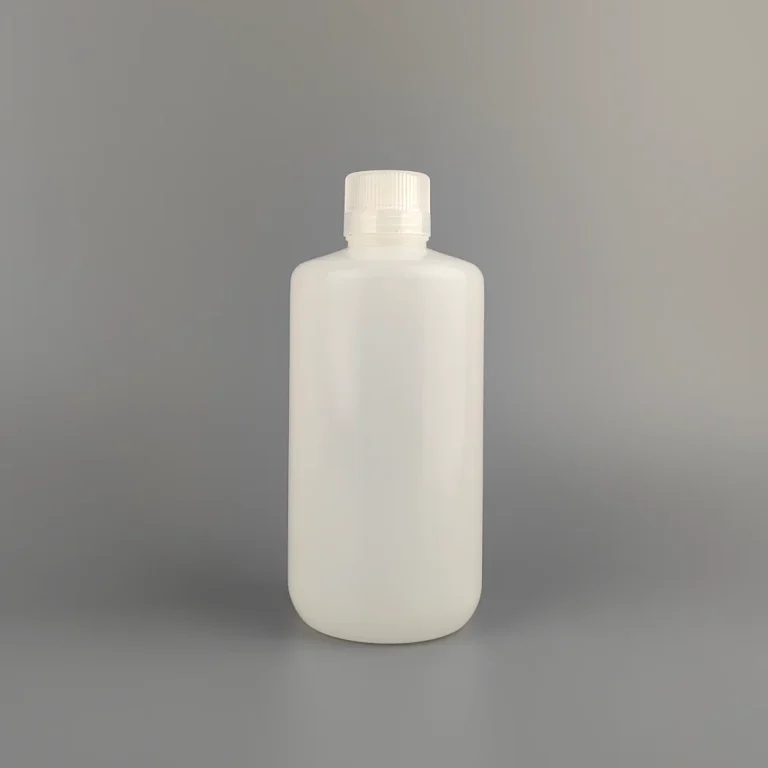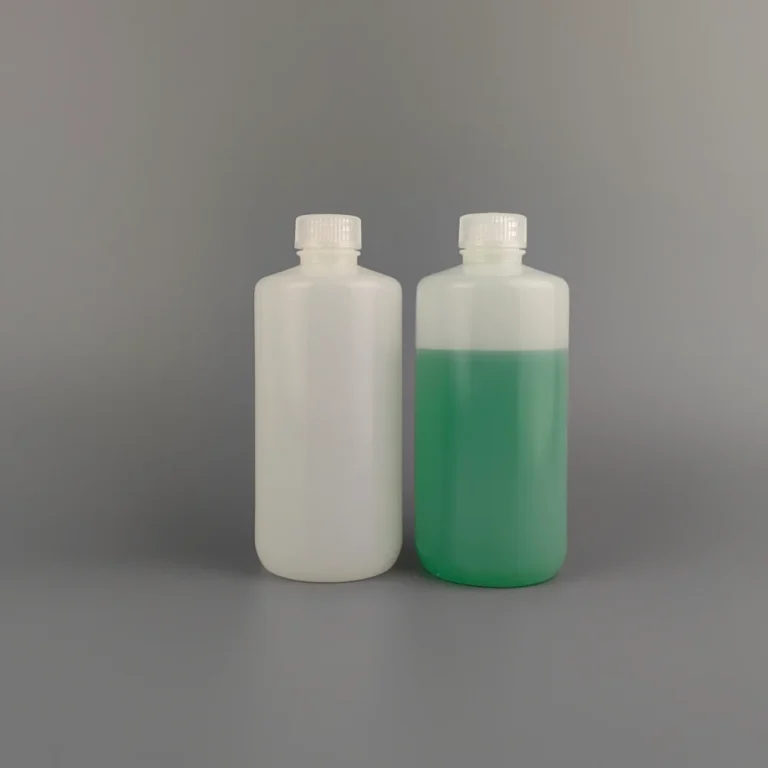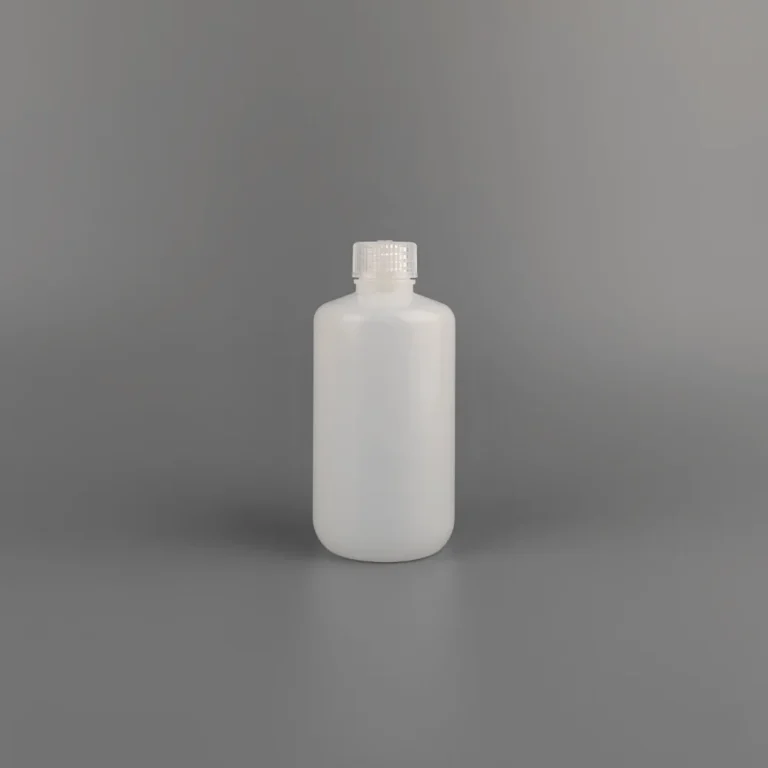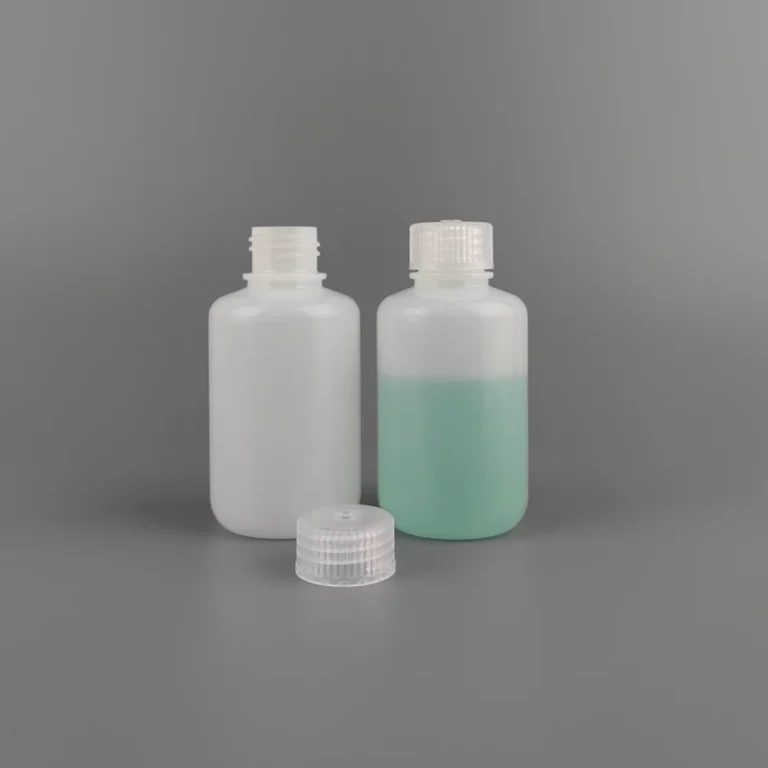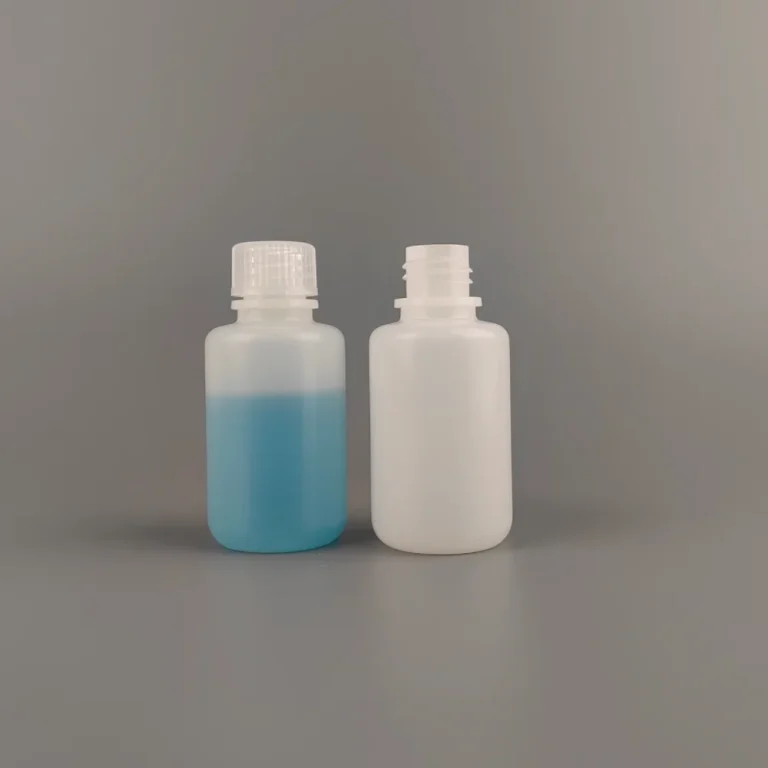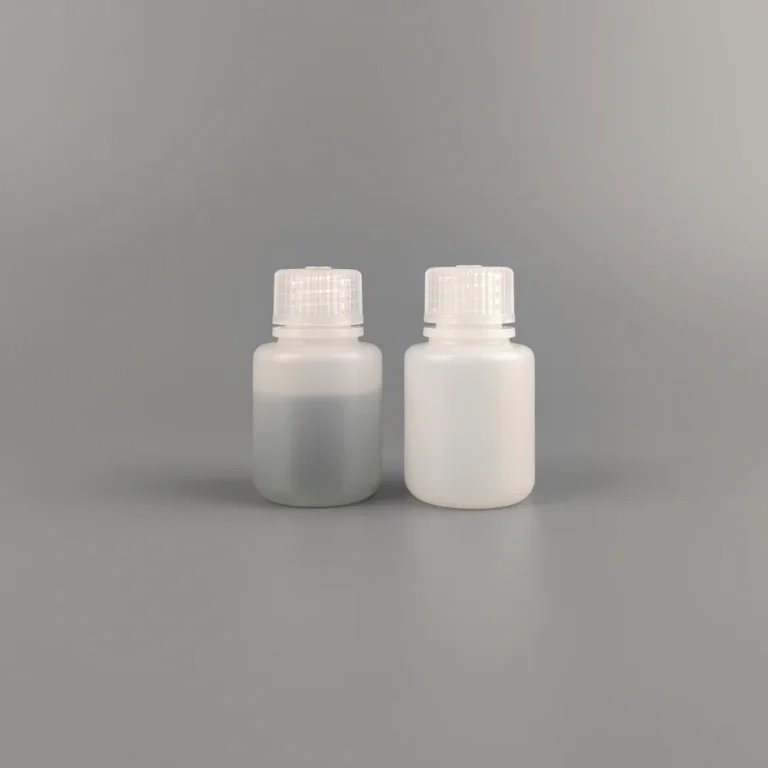
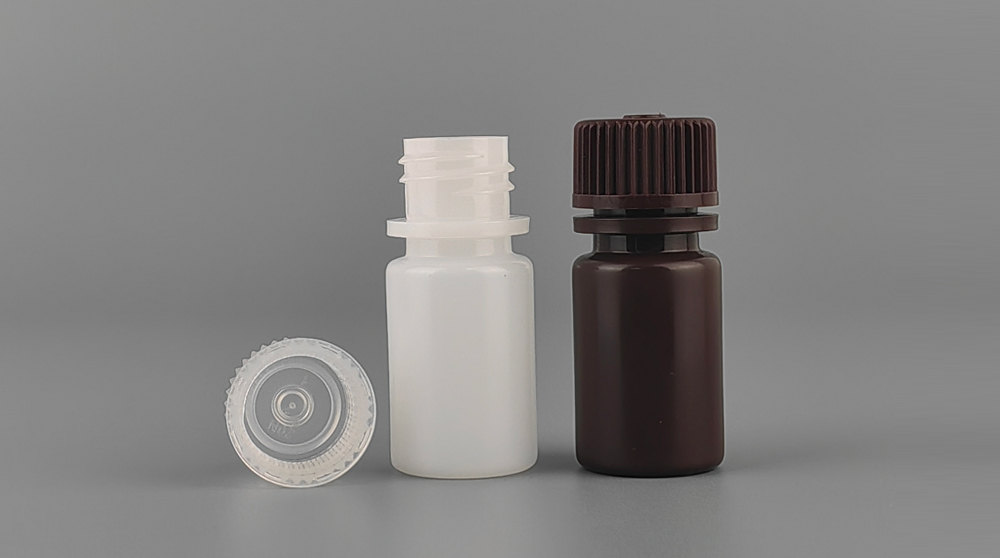
In the industrial packaging industry, “Lead Time” is often the most critical variable determining project success. Whether for chemical storage, liquid dispensing, or bulk industrial sampling, the timely supply of high-quality plastic reagent bottles directly affects your operational efficiency.
As a dedicated plastic reagent bottle factory, we understand that buyers need more than just products; they need precise project rhythm. This guide breaks down the production cycle of custom reagent bottles to help you manage your project timeline from the source.
1.Material Selection: The Foundation of Quality
Material choice is the first decision in our production process. We primarily manufacture reagent bottles using HDPE (High-Density Polyethylene) and PP (Polypropylene).
- HDPE Reagent Bottles: Provide excellent chemical resistance and durability for various industrial applications.
- PP Plastic Reagent Bottles: Offer superior heat resistance and structural rigidity. By defining your material requirements (HDPE or PP) upfront, our engineering team can immediately optimize mold parameters and material sourcing, which significantly streamlines the production lead time.
2.The Core Stages of a Custom Production Cycle
From order placement to final delivery, a typical custom manufacturing workflow includes:
- Specification Review: Defining bottle capacity, material choice (HDPE/PP), cap structure, and packaging requirements.
- Mold Development: Precision engineering of the mold for your specific bottle design.
- Prototype Testing: Conducting physical performance tests on sample bottles before mass production begins.
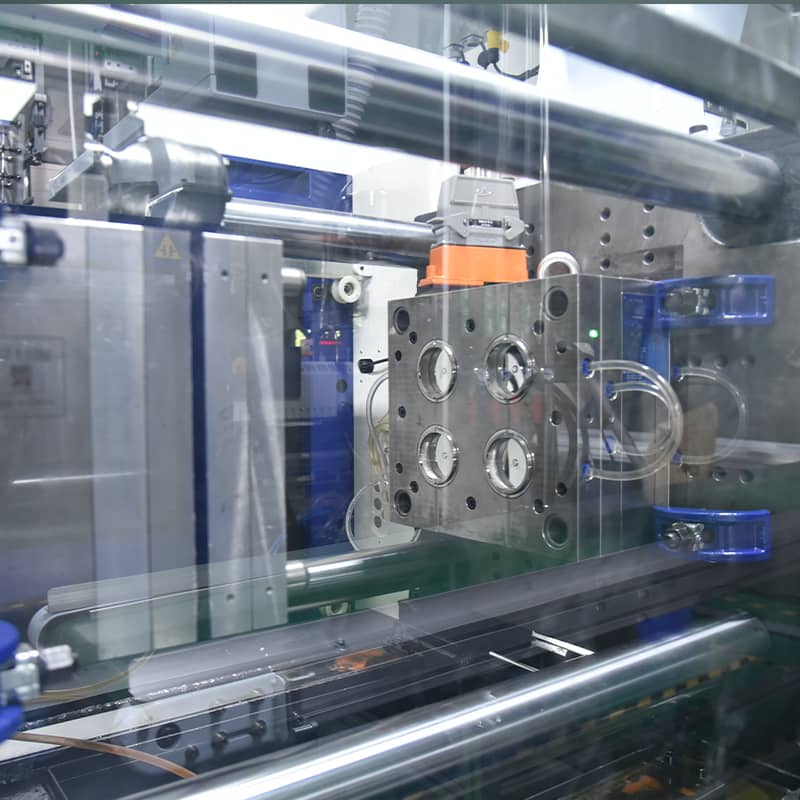
- Mass Production: Standardized injection molding and assembly processes.
- Quality Control: Rigorous pressure testing, leak testing, and visual inspections.
3.Estimated Production Timeline
Lead times vary depending on the level of customization required:
| Project Type | Estimated Time (Working Days) | Key Characteristics |
| Standard Stock Items | 5–15 Days | Rapid dispatch from existing inventory |
| Semi-Custom | 15–30 Days | Minor adjustments to existing molding processes |
| Full Custom (OEM) | 40–70 Days | New mold creation and performance validation |
Note: The above durations do not include shipping transit times.
4.Key Factors Affecting Lead Time & Strategies
As manufacturers, we observe that most project delays stem from workflow integration rather than production speed.
- Mold Precision Requirements: If your design features unique geometry, mold development is the bottleneck. Strategy: If you have an urgent deadline, consider selecting a standard design from our existing mold library and customizing it through labeling, which can save 2–3 weeks.
- Sample Feedback Speed: Efficient communication during the sample validation phase is the “accelerator” for your mass production timeline.
5.How to Improve Procurement Efficiency
- Provide Detailed Specifications: Sharing accurate technical drawings or reference samples during the inquiry stage minimizes the need for iterative redesigns.
- Plan Inventory Forecasts: For high-volume projects, discuss a staggered delivery schedule with us to lock in production capacity early and mitigate supply risks.
- Partner Directly with the Factory: Working directly with a plastic reagent bottle manufacturing factory ensures faster technical feedback and more flexible scheduling during peak production seasons.
Conclusion
Customizing plastic reagent bottles is a collaborative effort between design and manufacturing. Mastering the “lead time” is the foundation for ensuring continuous supply chain operations and project stability.
We operate professional production lines specialized in high-performance plastic reagent bottles, handling complex requirements from mold design to large-scale industrial manufacturing. If you are looking for a stable and efficient manufacturing partner, our project team is ready to assist.
[Click here to request a detailed production timeline and quotation tailored to your bottle specifications.]