In laboratory research, chemical manufacturing, and in-vitro diagnostics (IVD) reagent preparation, choosing the right plastic container is essential for preserving sample purity and ensuring operational safety. For international B2B distributors, reagent manufacturers, and procurement managers, setting up a reliable supply chain requires a strict evaluation of physical container performance: chemical compatibility and leakproof closure mechanics.
Our plastic bottles and micro-tubes are engineered and sold strictly as general laboratory consumables and industrial packaging components for non-clinical research, reagent containment, and chemical storage.

1. Technical Requirements for Liquid and Chemical Storage
A. Thermal Stability and Mechanical Resilience
Laboratory preservation often requires materials to withstand significant thermal shifts, from standard refrigeration (2°C to 8°C) down to standard freezer storage (-20°C to -80°C).
- The Requirement: Standard plastics can become brittle under low temperatures. High-purity Polypropylene (PP) microcentrifuge tubes must feature sufficient structural elasticity to remain stable during cold storage and withstand standard laboratory centrifugation forces up to 20,000 RCF (Relative Centrifugal Force) without fracturing.
B. Material Purity (Low Extractables and Leachables)
When storing chemical reagents, bulk buffers, or liquid test samples, the container wall must be chemically inert.
- The Requirement: Low-quality or recycled plastics often contain impurities or chemical slip agents. Over time, these extractables and leachables (E&L) can seep into the stored liquid, contaminating reagents or causing unexpected variations in laboratory assays. To prevent this, bulk containers must be molded from 100% virgin, high-purity resins (such as USP Class VI compliant source materials) to ensure zero chemical interference with your solutions.
C. Reliable Hermetic Sealing
During long-distance bulk transportation or transcontinental shipping, fluid reagents and chemical buffers are frequently exposed to atmospheric pressure drops and physical movement.
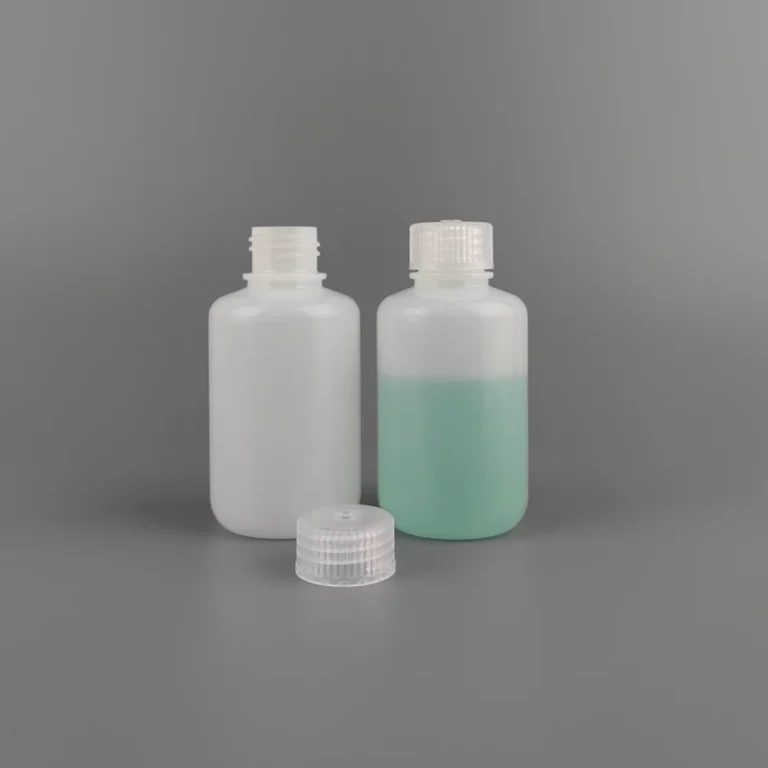
- The Requirement: Screw caps that depend on separate, glued rubber or foam liners inside the cap can fail over time as the adhesive or liner material degrades. The standard industry solution for reliable shipping is an integrated, linerless plug-seal closure (Reverse Triangle Design). Molded directly into the inner crown of the cap, this downward-pointing triangular wedge creates a consistent, continuous polymer-to-polymer tight fit against the inner bottle neck, achieving a reliable leakproof seal without the need for additional gaskets.

2. Standard Manufacturing Solutions for B2B Supply Chains
With 16 years of specialized plastic injection-molding expertise, Juncheng Bio (JSBIO) provides consistent, factory-direct laboratory plasticware and packaging solutions optimized for bulk commercial distribution:
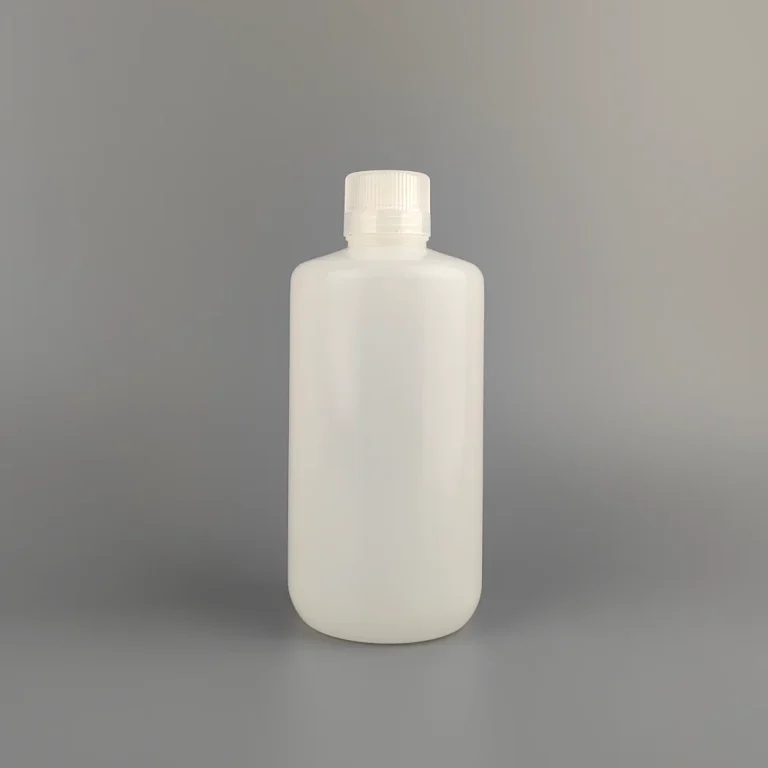
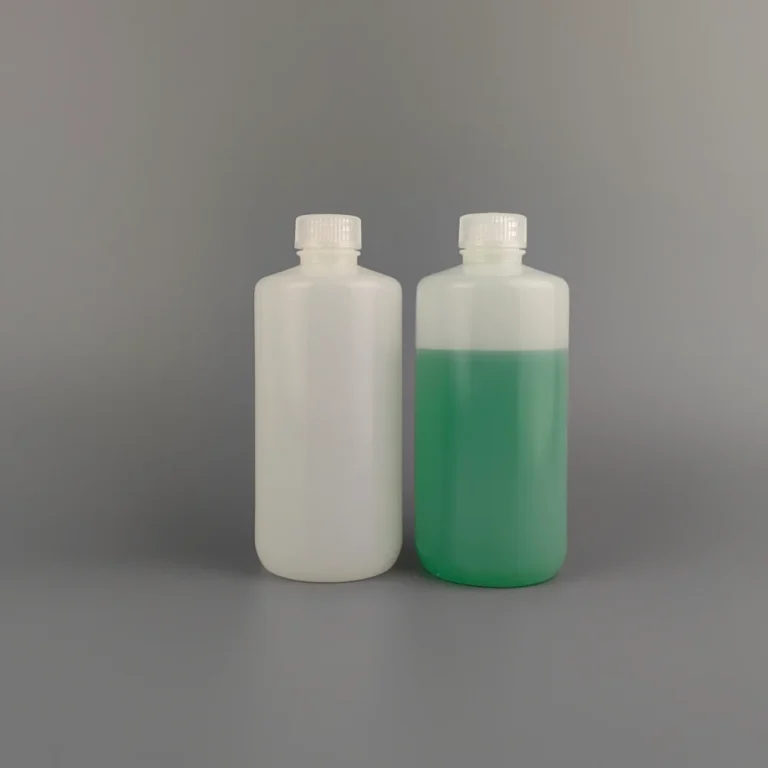
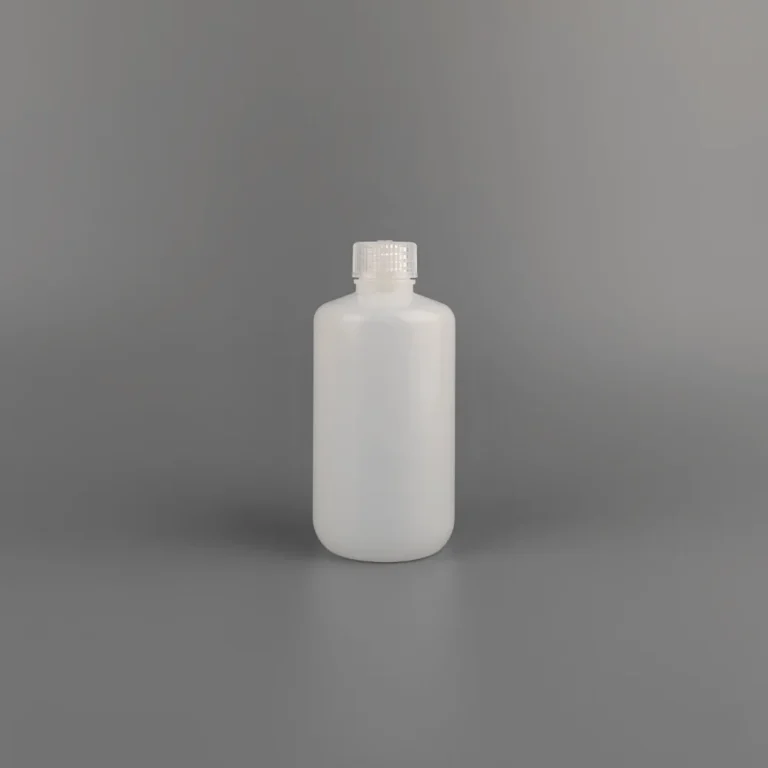
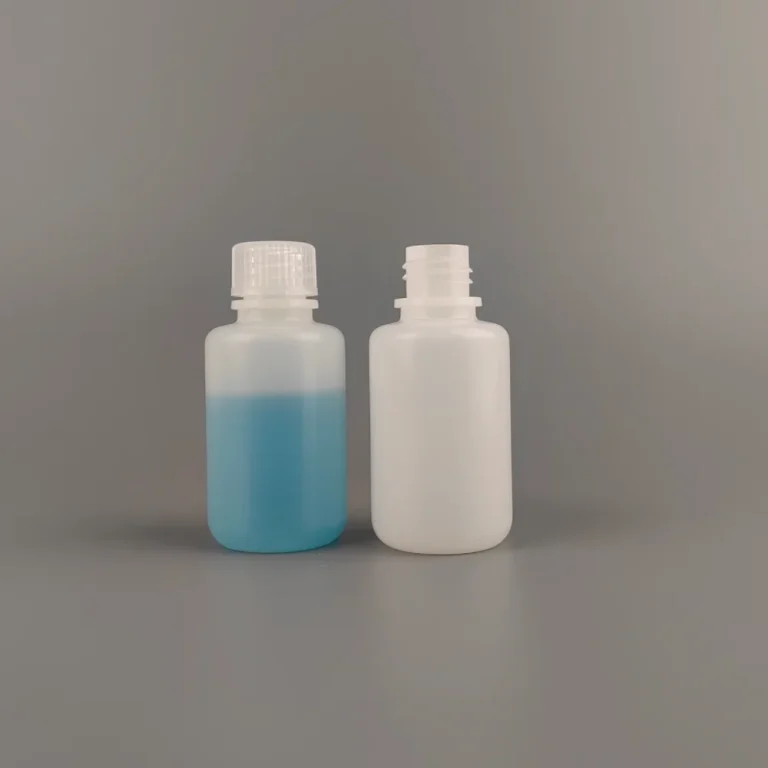
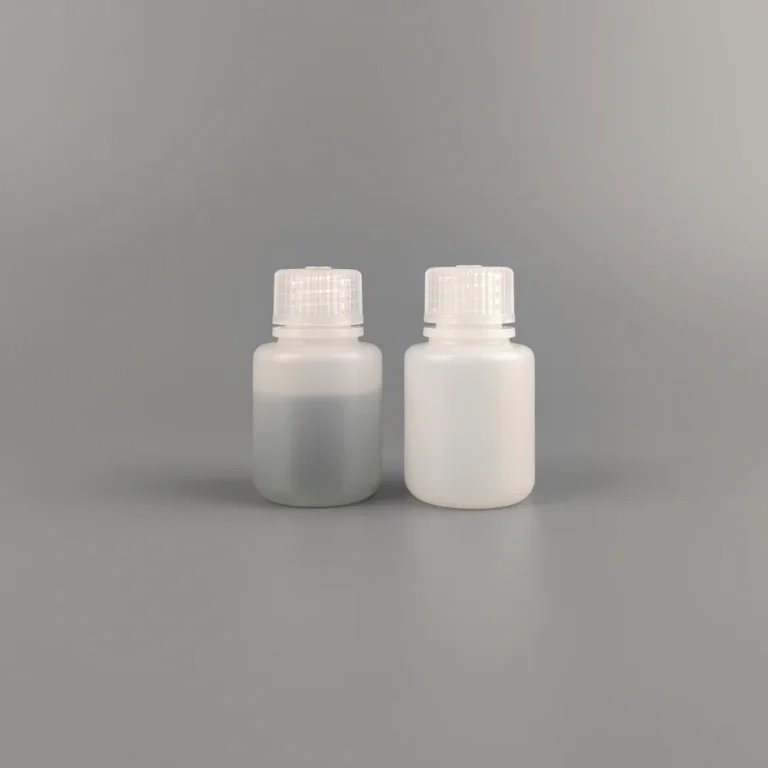
- 1000mL / 500mL HDPE Narrow-Mouth Reagent Bottles: Molded from 100% virgin, high-purity HDPE resin. Featuring uniform wall thickness and our linerless Reverse Triangle Leakproof Cap, these robust bottles provide excellent containment for bulk laboratory buffers, weak acids, and industrial chemical solutions.
- 125mL / 60mL / 30mL Premium Reagent Bottles: Available in wide-mouth and narrow-mouth options. Perfectly suited for chemical packaging and IVD reagent kit integration, these bottles undergo strict factory leak testing to ensure dependable sealing during bulk transit.
- 0.5mL / 1.5mL / 2.0mL Microcentrifuge Tubes: Injection-molded from ultra-clear Polypropylene (PP). Designed with secure snap-caps and clear graduation lines, they are certified to withstand centrifugation forces up to 20,000 RCF and remain stable down to -80°C for reliable sample aliquoting.
3. Request Product Samples for Qualification Testing
We encourage our B2B partners to verify our container specifications and leakproof performance in their own facilities prior to commercial ordering. We provide all necessary factory documentation (including ISO/SGS material purity reports) to ensure full compliance with your warehousing and chemical storage needs.
Alternatively, contact our commercial sales team directly at plastibottles.com/contact-us/ to request tier-based bulk pricing catalogs, volume discounts, or standard custom packaging options.