Sample Storage Guidelines for Research Laboratories

Proper sample storage is a fundamental requirement in research laboratories. Whether working in biotechnology, pharmaceutical development, environmental testing, or chemical analysis, maintaining sample integrity is essential for producing accurate and reproducible results.

Poor storage practices can lead to contamination, degradation, or loss of valuable data. Therefore, establishing clear sample storage guidelines is critical for laboratory efficiency, compliance, and scientific reliability.

This article outlines key sample storage guidelines for research laboratories, including container selection, environmental control, labeling, and best practices.

Sample Storage Guidelines for Research Laboratories

Why Sample Storage Guidelines Are Important

Research laboratories handle a wide variety of samples, including biological materials, chemicals, and environmental specimens. Each type of sample has specific storage requirements.

Without standardized guidelines, laboratories may face:

  • Sample contamination
  • Data inconsistency
  • Regulatory non-compliance
  • Increased operational risks

Following structured storage protocols ensures consistency and reliability across experiments and teams.


Choosing the Right Storage Containers

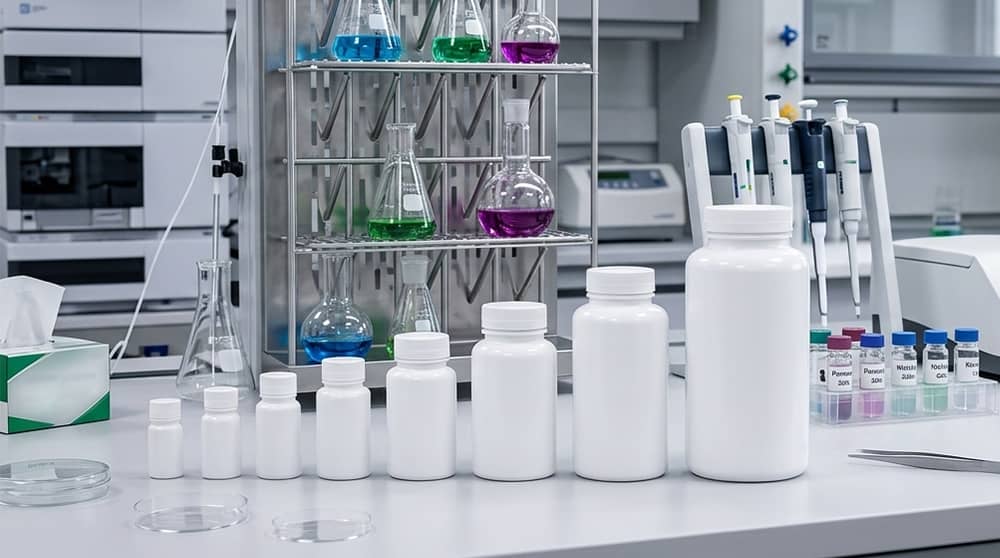
Selecting the correct container is the first step in proper sample storage.

Material Selection

The material of the container should match the properties of the sample:

  • Polypropylene (PP): Suitable for biological samples, autoclavable, high temperature resistance
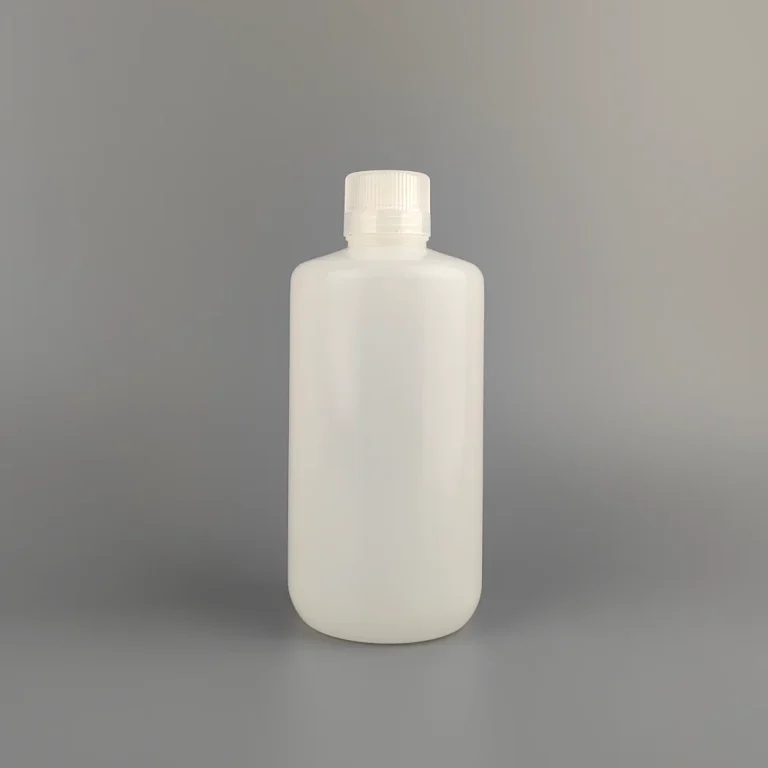
  • HDPE: Ideal for chemical resistance and environmental samples
  • Glass: Best for highly reactive or solvent-based substances

Using compatible materials prevents chemical reactions and preserves sample stability.


Container Design and Sealing

Containers should provide:

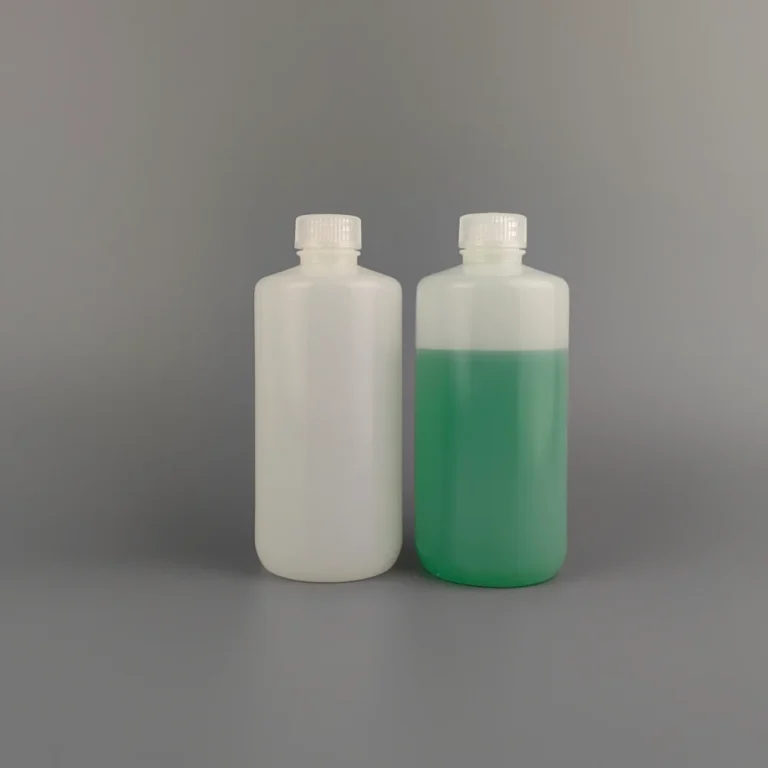
  • Leak-proof sealing
  • Airtight closure
  • Chemical resistance

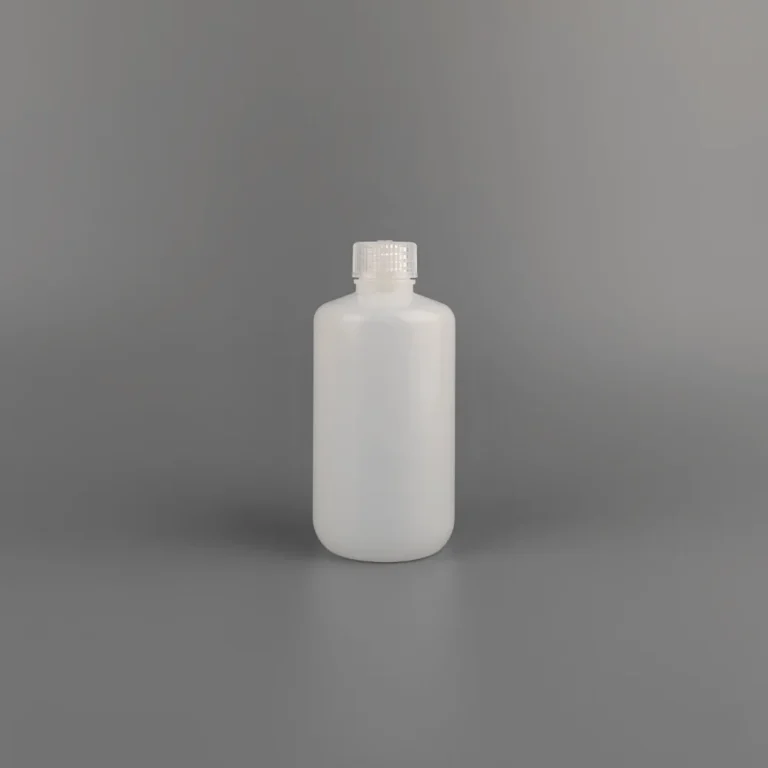
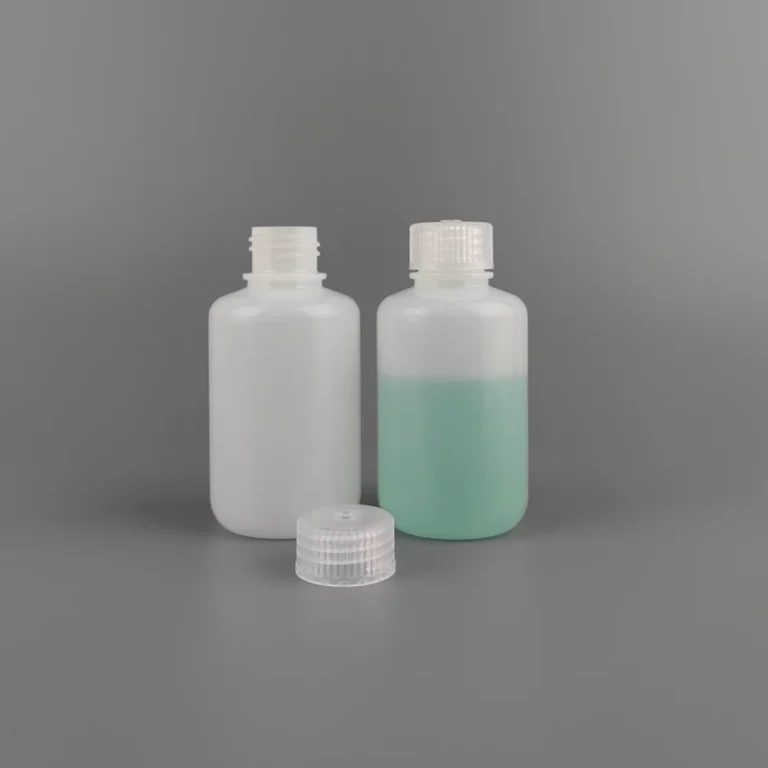
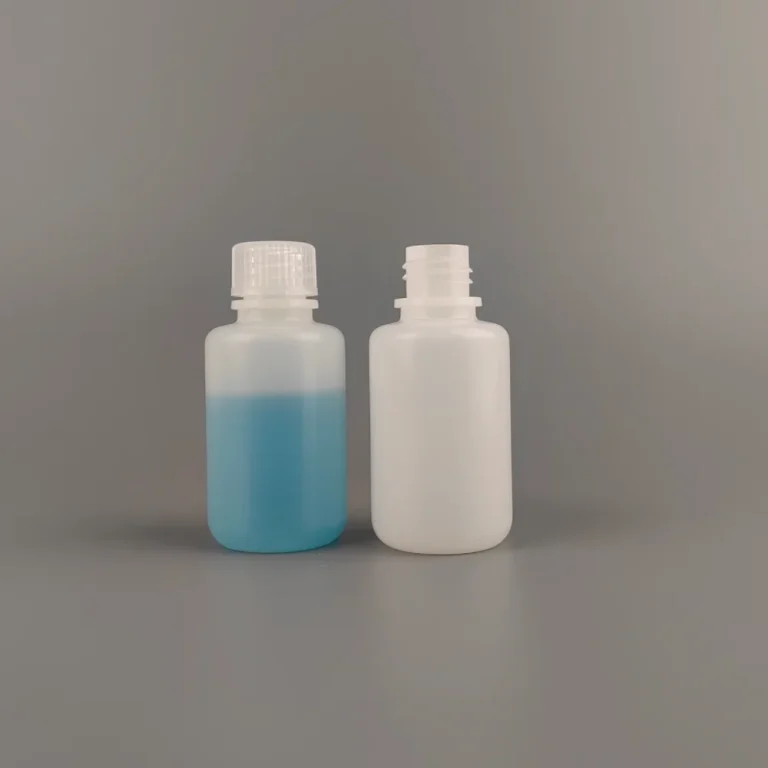
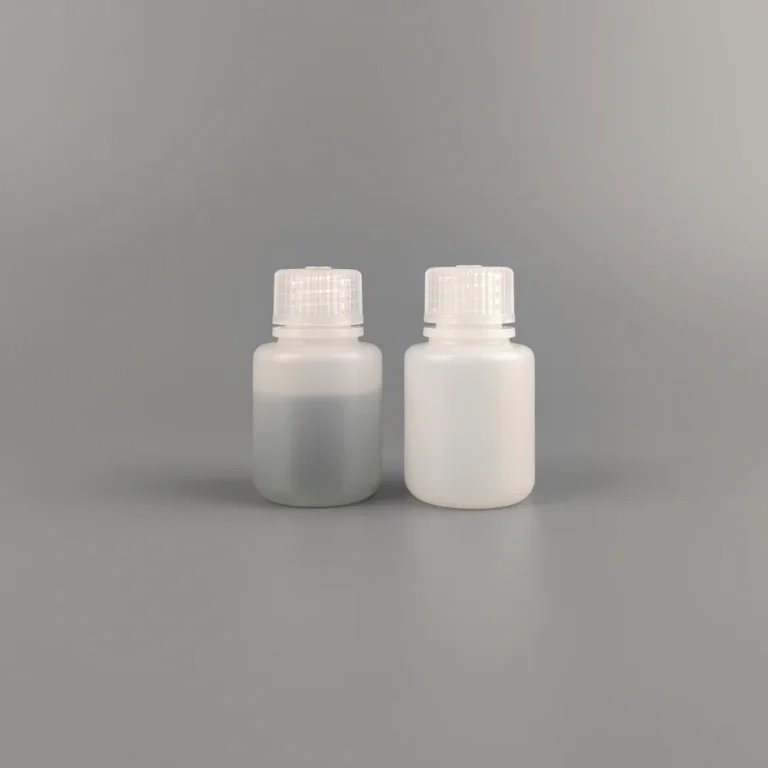
For solid samples, wide-mouth containers are preferred, while liquid samples require tightly sealed bottles to prevent leakage.

For detailed guidance, see:


Sample Storage Guidelines for Research Laboratories

Temperature Control and Storage Conditions

Temperature is one of the most critical factors in sample preservation.

Common Storage Conditions:

  • Room Temperature (15–25°C): Stable chemical samples
  • Refrigeration (2–8°C): Biological samples and reagents
  • Freezing (-20°C): Long-term storage
  • Ultra-low (-80°C): DNA, RNA, and protein samples

Maintaining consistent temperature conditions helps prevent degradation and ensures sample integrity.


Contamination Prevention

Preventing contamination is essential for reliable research outcomes.

Best Practices:

  • Use sterile containers when required
  • Avoid repeated opening of containers
  • Work in clean or controlled environments
  • Use proper handling tools (pipettes, spatulas)
  • Seal containers immediately after use

Even minor contamination can significantly affect experimental results.


Labeling and Documentation

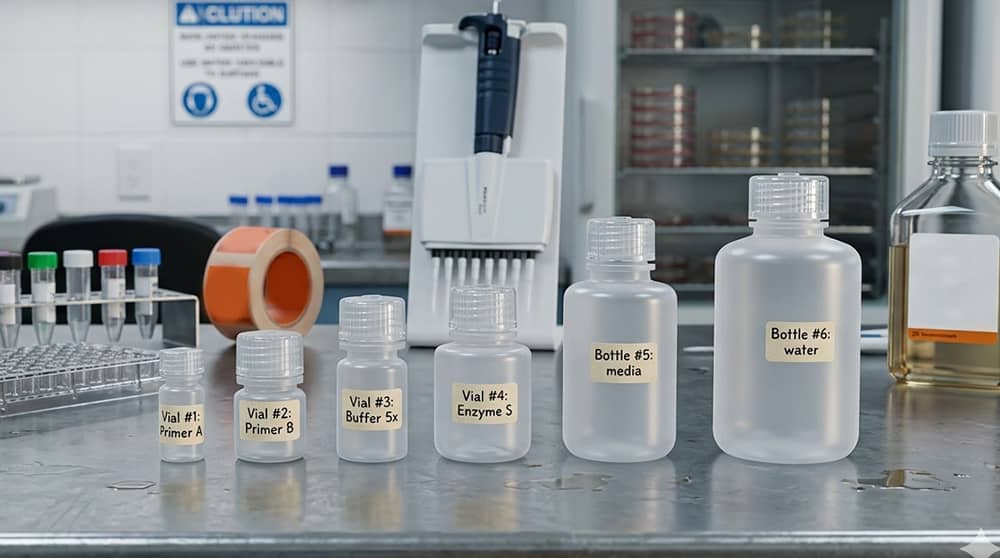
Accurate labeling ensures traceability and compliance.

Each Sample Should Include:

  • Sample ID or name
  • Date of collection or preparation
  • Storage conditions
  • Hazard information

Laboratories should also maintain digital or physical records for tracking and auditing purposes.


Storage Organization and Management

Proper organization improves efficiency and reduces risks.

Key Guidelines:

  • Store samples by category (biological, chemical, environmental)
  • Separate incompatible substances
  • Use racks, cabinets, and secondary containment
  • Avoid overcrowding storage areas

A well-organized system ensures quick access and reduces handling errors.


Light, Air, and Humidity Control

Environmental exposure can affect sample stability.

Protection Measures:

  • Use amber containers for light-sensitive samples
  • Minimize exposure to oxygen
  • Control humidity levels for solid samples
  • Store in controlled environments when necessary

These measures are particularly important in pharmaceutical and biotechnology research.


Sample Transportation and Handling

Proper handling during transportation is essential.

Recommendations:

  • Use leak-proof and durable containers
  • Apply secondary packaging
  • Maintain required temperature conditions
  • Follow safety and regulatory standards

This ensures samples remain stable from collection to analysis.


Compliance and Regulatory Considerations

Research laboratories must follow industry standards and regulations.

Common Requirements:

  • Good Laboratory Practice (GLP)
  • Good Manufacturing Practice (GMP) (for pharma labs)
  • Biosafety and chemical safety guidelines

Compliance ensures data credibility and legal operation.


Common Mistakes to Avoid

Using Incorrect Containers

Leads to contamination or chemical reactions

Improper Temperature Control

Causes degradation of sensitive samples

Poor Labeling

Results in sample misidentification

Lack of Organization

Increases risk of errors and accidents

Ignoring Sterility Requirements

Compromises biological samples

Avoiding these mistakes is essential for maintaining laboratory standards.


Best Practices Summary

To ensure proper sample storage in research laboratories:

  • Choose appropriate container materials (PP, HDPE, glass)
  • Maintain correct temperature conditions
  • Prevent contamination through proper handling
  • Label samples clearly and accurately
  • Organize storage systems efficiently
  • Control environmental factors such as light and humidity

Conclusion

Sample storage is a critical component of laboratory operations. By following standardized guidelines, research laboratories can ensure sample integrity, improve experimental accuracy, and maintain compliance with industry standards.

Implementing proper storage practices not only protects valuable samples but also enhances overall laboratory efficiency and reliability.


Call to Action

Looking for reliable sample storage solutions for your research laboratory?

We provide high-quality PP and HDPE laboratory containers designed for biotechnology, pharmaceutical, and environmental applications.

Contact us today to get customized solutions tailored to your laboratory needs.

Product Recommendation