
One of the most common questions in laboratory work is: How long can samples be stored in containers? The answer depends on several factors, including the type of sample, storage conditions, container material, and environmental exposure.
Improper storage duration can lead to sample degradation, contamination, and inaccurate results. Therefore, understanding storage timelines is essential for laboratories working in biotechnology, pharmaceuticals, environmental testing, and chemical analysis.
This guide explains how long different types of samples can be stored and how to extend their shelf life safely.
Key Factors That Affect Sample Storage Time
The storage lifespan of a sample is not fixed—it varies based on multiple factors.
1. Sample Type
Different samples have different stability levels:
- Biological samples (blood, tissue, DNA): Highly sensitive, shorter storage life
- Chemical samples: Moderate stability depending on composition
- Environmental samples (soil, water): Variable stability
Understanding the nature of the sample is the first step in determining storage duration.
2. Storage Temperature
Temperature plays a critical role in preserving samples.
- Room temperature (15–25°C): Short-term storage only
- Refrigerated (2–8°C): Extends life of biological samples
- Frozen (-20°C): Suitable for long-term storage
- Ultra-low (-80°C): Ideal for DNA, RNA, and proteins
Lower temperatures generally slow down degradation processes.
3. Container Material
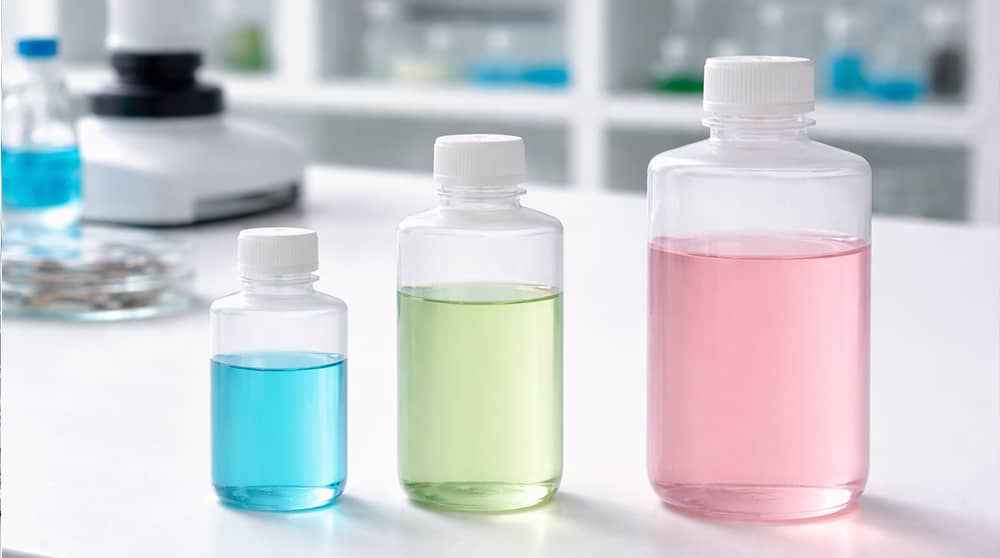
The type of container used can impact how long a sample remains stable.
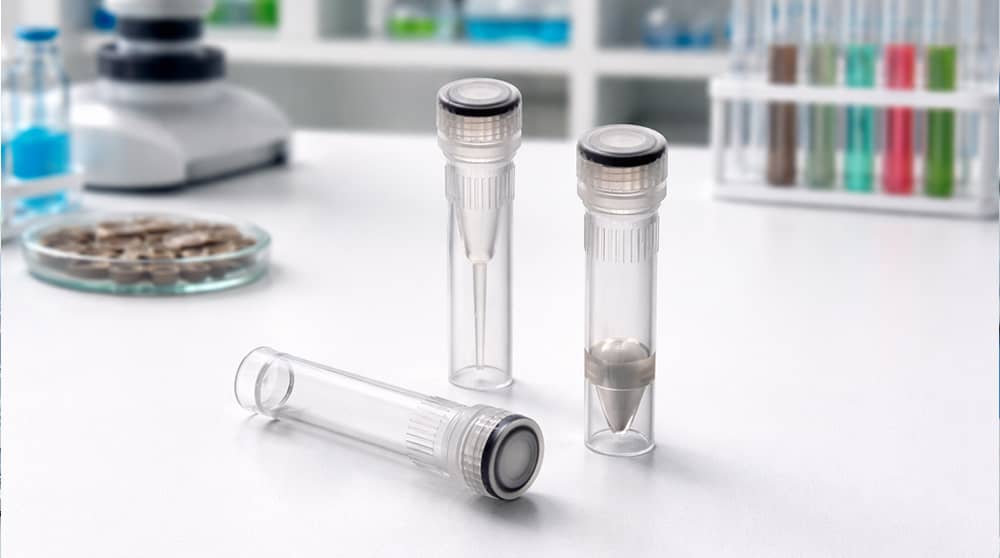
- Polypropylene (PP): Resistant to heat and suitable for biological samples
- HDPE: Excellent for chemical storage and environmental samples
- Glass: Best for highly reactive substances
Using the correct material prevents chemical interaction and contamination.
4. Exposure to Light and Air
Environmental exposure can reduce storage time.
- Light can degrade sensitive compounds
- Oxygen can cause oxidation
- Moisture can affect solid samples
Using airtight and light-resistant containers helps extend sample lifespan.
Typical Storage Time by Sample Type
While exact durations vary, the following general guidelines apply:
- Blood samples: Hours to days (depending on conditions)
- DNA/RNA samples: Months to years (frozen or ultra-low temperatures)
- Tissue samples: Days to months (depending on preservation method)
Chemical Samples
- Stable compounds: Months to years
- Reactive chemicals: Days to weeks
- Volatile substances: Short-term storage only
Environmental Samples
- Water samples: 24–48 hours (for accurate testing)
- Soil samples: Days to weeks
- Air samples: Immediate or short-term analysis recommended
Short-Term vs Long-Term Storage
Short-Term Storage
Used when samples will be analyzed quickly.
- Stored at room temperature or refrigerated
- Minimal preservation required
- Duration: Hours to days
Long-Term Storage
Used for archiving or future research.
- Requires freezing or ultra-low temperatures
- Often involves preservatives or stabilization methods
- Duration: Months to years
Choosing the right approach depends on your laboratory needs.
How to Extend Sample Storage Time
To maximize sample lifespan, follow these best practices:
Use the Right Containers
- Choose chemically compatible materials
- Ensure airtight and leak-proof sealing
- Use sterile containers for sensitive samples
Maintain Stable Temperature
- Avoid temperature fluctuations
- Use proper refrigeration or freezing systems
- Monitor storage conditions regularly
Minimize Contamination
- Use clean handling techniques
- Avoid repeated opening of containers
- Store samples in controlled environments
Control Environmental Exposure
- Use amber containers for light-sensitive samples
- Reduce air exposure
- Control humidity for solid samples
Signs That a Sample Has Degraded
It is important to recognize when a sample is no longer usable.
Common Indicators:
- Color change
- Unusual odor
- Precipitation or separation
- Changes in pH or composition
Using degraded samples can lead to inaccurate results and should be avoided.
Common Mistakes to Avoid
Storing Samples Too Long
Ignoring recommended timelines leads to unreliable data
Using Improper Containers
May cause chemical reactions or contamination
Poor Temperature Control
Accelerates degradation
Lack of Labeling
Makes it difficult to track storage duration
Avoiding these mistakes helps maintain sample integrity.
Best Practices Summary
To determine how long samples can be stored:
- Understand the sample type and sensitivity
- Use appropriate storage temperatures
- Select compatible container materials
- Minimize exposure to light, air, and moisture
- Monitor storage duration and conditions
Conclusion
The storage duration of laboratory samples depends on multiple factors, including sample type, temperature, container material, and environmental conditions. While some samples can be stored for years under optimal conditions, others must be analyzed within hours.
By following proper storage guidelines, laboratories can extend sample lifespan, ensure data accuracy, and maintain high research standards.
Call to Action
Looking for reliable containers to extend your sample storage time?
We provide high-quality PP and HDPE laboratory containers designed for long-term and short-term sample storage across biotechnology, pharmaceutical, and environmental applications.
Contact us today to find the right solution for your laboratory needs.