
Sample preservation is a critical step in laboratory workflows. Without proper preservation, samples can degrade, become contaminated, or lose their original properties before analysis.
Laboratories in biotechnology, pharmaceuticals, environmental testing, and chemical research all rely on effective preservation methods to maintain sample integrity and ensure accurate results.
This article explains the most common sample preservation methods used in laboratories, along with best practices for choosing the right approach.
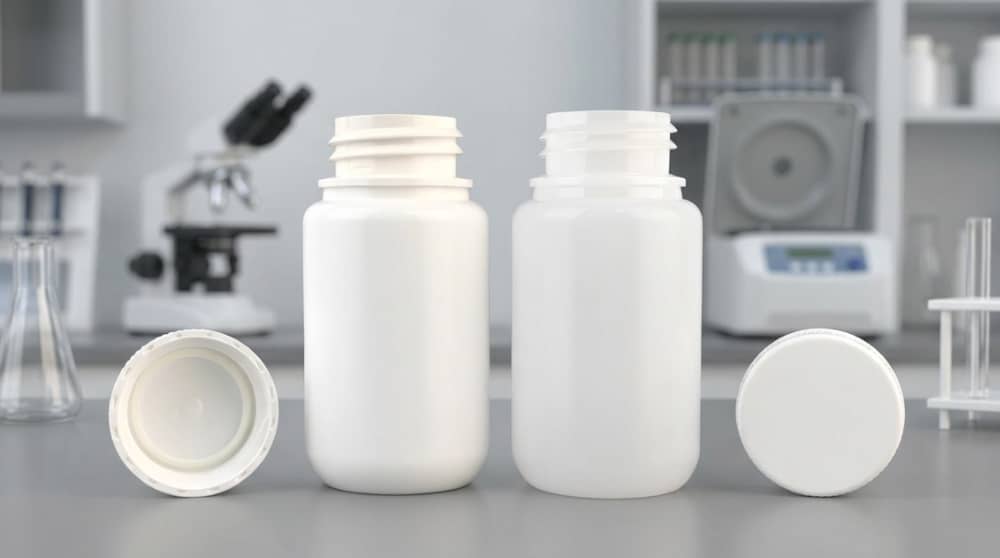
Why Sample Preservation Matters
Once a sample is collected, it begins to change due to environmental exposure, biological activity, or chemical reactions.
Without proper preservation, laboratories may face:
- Loss of sample integrity
- Microbial growth
- Chemical degradation
- Inaccurate test results
Effective preservation slows down these processes, allowing samples to remain stable until analysis.
Key Factors in Choosing a Preservation Method
Selecting the right preservation method depends on several factors:
- Type of sample (biological, chemical, environmental)
- Required storage duration
- Sensitivity to temperature, light, or oxygen
- Analytical requirements
There is no one-size-fits-all solution—each sample requires a tailored approach.
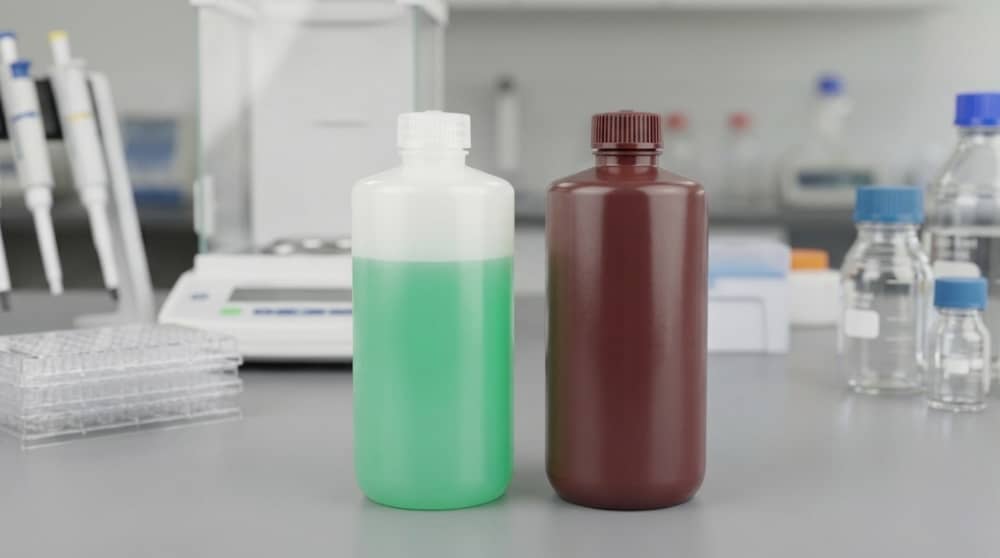
Common Sample Preservation Methods
1. Refrigeration
Refrigeration is one of the most widely used preservation methods.
- Temperature: 2–8°C
- Suitable for short-term storage
- Slows microbial growth and chemical reactions
Common applications include biological samples, reagents, and water samples.
2. Freezing
Freezing is used for long-term preservation of sensitive samples.
- Temperature: -20°C or lower
- Significantly slows degradation
- Preserves biological structures
Ultra-low freezing (-80°C) is often used for DNA, RNA, and protein samples.
3. Chemical Preservation
Chemical preservatives are added to samples to stabilize them.
Examples include:
- Preservatives for water testing
- Stabilizing agents for biological samples
- Antioxidants to prevent oxidation
This method is widely used in environmental and pharmaceutical laboratories.
4. Drying and Desiccation
Removing moisture helps preserve solid samples.
- Suitable for powders, soil, and plant materials
- Prevents microbial growth
- Reduces chemical reactions
Desiccators and silica gel are commonly used in this method.
5. Vacuum Sealing
Vacuum sealing removes air from containers.
- Reduces oxygen exposure
- Prevents oxidation
- Extends shelf life
This method is useful for sensitive chemical and biological samples.
6. Light Protection
Some samples are sensitive to light exposure.
- Use amber or opaque containers
- Store in dark environments
This is particularly important for pharmaceutical compounds and certain chemicals.
7. Sterile Storage
Sterility is essential for biological and clinical samples.
- Use pre-sterilized containers
- Avoid contamination during handling
- Maintain aseptic conditions
This method is critical in microbiology and biotechnology laboratories.
8. pH Control
Adjusting pH can stabilize certain samples.
- Prevents chemical breakdown
- Maintains sample composition
This technique is often used in environmental and water testing.
Choosing the Right Containers for Preservation
Containers play a key role in sample preservation.
Material Considerations:
- Polypropylene (PP): Ideal for biological samples and high-temperature applications
- HDPE: Excellent for chemical resistance and environmental samples
- Glass: Best for reactive or solvent-based samples
Container Features:
- Airtight sealing
- Leak-proof design
- Chemical compatibility
- Sterile packaging (if required)
Using the right container enhances the effectiveness of preservation methods.
Best Practices for Sample Preservation
To ensure effective preservation:
- Select the appropriate method based on sample type
- Maintain consistent temperature conditions
- Use compatible, high-quality containers
- Minimize exposure to air, light, and moisture
- Label samples clearly with preservation details
- Avoid repeated handling or opening
Common Mistakes to Avoid
Using Incorrect Preservation Methods
Leads to rapid degradation
Poor Temperature Control
Reduces sample stability
Inadequate Sealing
Allows contamination or evaporation
Ignoring Sample-Specific Needs
Different samples require different approaches
Avoiding these mistakes is essential for maintaining sample quality.
Sample Preservation vs Storage: What’s the Difference?
Although often used interchangeably, preservation and storage are not the same.
- Preservation: Techniques used to maintain sample stability
- Storage: Conditions under which samples are kept
Both must work together to ensure sample integrity.
Conclusion
Sample preservation is a fundamental aspect of laboratory operations. By applying the right preservation methods—such as refrigeration, freezing, chemical stabilization, and proper container selection—laboratories can maintain sample quality and ensure accurate results.
Understanding and implementing effective preservation strategies is essential for success in modern research and testing environments.
Call to Action
Looking for containers designed for optimal sample preservation?
We provide high-quality PP and HDPE laboratory containers that support various preservation methods across biotechnology, pharmaceutical, and environmental applications.Contact us today to find the right solution for your laboratory needs.