
From agricultural fields in the USA to environmental testing projects in Australia and the Middle East, standardized soil sampling practices are essential for obtaining representative and contamination-free samples.
In this guide, we will walk you through the correct steps to collect soil samples for testing, ensuring accuracy and consistency.
Why Proper Soil Sampling Matters
Soil testing helps determine nutrient levels, contamination, and soil composition. However, the quality of the results depends entirely on how the sample is collected.
Improper sampling can lead to:
- Inaccurate nutrient analysis
- Misleading contamination results
- Poor agricultural or environmental decisions
A well-collected soil sample ensures that laboratory data truly reflects field conditions.
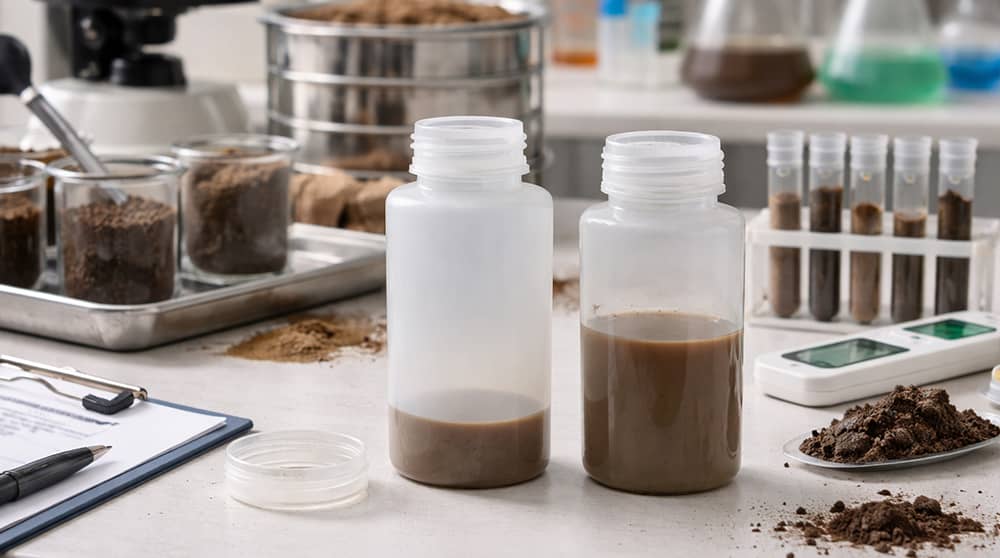
Tools and Materials Needed
Before starting, prepare the necessary tools:
- Soil auger, probe, or shovel
- Clean bucket for mixing samples
- Sample storage containers (preferably sterile or contamination-resistant)
- Labels and marker
- Gloves to avoid contamination
Using proper laboratory-grade sample containers is critical, especially for environmental and chemical testing applications.
Step-by-Step Guide to Collect Soil Samples
Step 1: Define the Sampling Area
Divide the land into uniform sections based on:
- Soil type
- Crop history
- Topography
- Irrigation patterns
Each section should be sampled separately to ensure accurate representation.
Step 2: Remove Surface Debris
Clear away:
- Grass
- Leaves
- Stones
This prevents contamination and ensures only soil is collected.
Step 3: Collect Soil at the Correct Depth
Depth depends on the purpose:
- Agricultural testing: typically 0–15 cm
- Environmental testing: may require deeper layers
Use consistent depth across all sampling points.
Step 4: Take Multiple Sub-Samples
Instead of collecting one sample:
- Take 5–10 sub-samples from different spots
- Mix them in a clean container
This creates a composite sample, which better represents the entire area.
Step 5: Mix and Prepare the Sample
- Remove roots, stones, and debris
- Mix soil thoroughly
- Take about 500g for testing
Consistency is key to reliable results.
Step 6: Store the Sample Properly
Place the soil into a clean, sealed sample container:
- Use leak-proof containers
- Avoid contamination from hands or environment
- Use chemical-resistant materials for advanced testing
For laboratories handling samples across long distances (such as in the USA or Middle East), proper sealing and durability are especially important.
Step 7: Label the Sample Clearly
Include:
- Location
- Date
- Depth
- Sample ID
Incorrect labeling can render the sample useless.
Common Mistakes to Avoid
Even experienced professionals make mistakes during sampling. Avoid these common issues:
Contaminated Tools
Dirty tools can alter test results.
Inconsistent Sampling Depth
Leads to inaccurate comparisons.
Poor Storage Conditions
Exposure to air or moisture can change soil properties.
Using Inappropriate Containers
Low-quality containers may react with soil chemicals or leak during transport.
Best Practices for Soil Sampling
To ensure high-quality results:
- Always use clean tools
- Follow consistent sampling patterns
- Use high-quality sample containers
- Store samples in cool, dry conditions
- Deliver samples to the laboratory as soon as possible
These practices are widely adopted in professional laboratories and testing facilities worldwide.
Choosing the Right Soil Sample Containers
The container you use is just as important as the sampling method.
An ideal soil sample container should offer:
- Strong sealing to prevent leakage
- Chemical resistance (PP or HDPE recommended)
- Durability for transport
- Optional sterile conditions for sensitive testing
High-quality containers ensure that your samples remain unchanged from field to lab.
Conclusion
Collecting soil samples correctly is the foundation of accurate testing and reliable data. By following standardized procedures and using proper tools and containers, laboratories and field professionals can ensure consistent and trustworthy results.
Whether for agriculture, environmental monitoring, or research applications, proper soil sampling is a critical step that should never be overlooked.
Call to Action
Need reliable soil sample containers for your testing projects?
Contact us today to get durable, leak-proof, and customizable solutions designed for agricultural and environmental applications.