
Proper storage of liquid samples is essential for maintaining sample integrity, ensuring accurate test results, and meeting laboratory compliance standards. Whether in biotechnology, pharmaceutical, environmental, or chemical laboratories, improper storage can lead to contamination, degradation, or data loss.
In this guide, we’ll explain how to store liquid samples in the laboratory, including container selection, temperature control, labeling, and best practices.
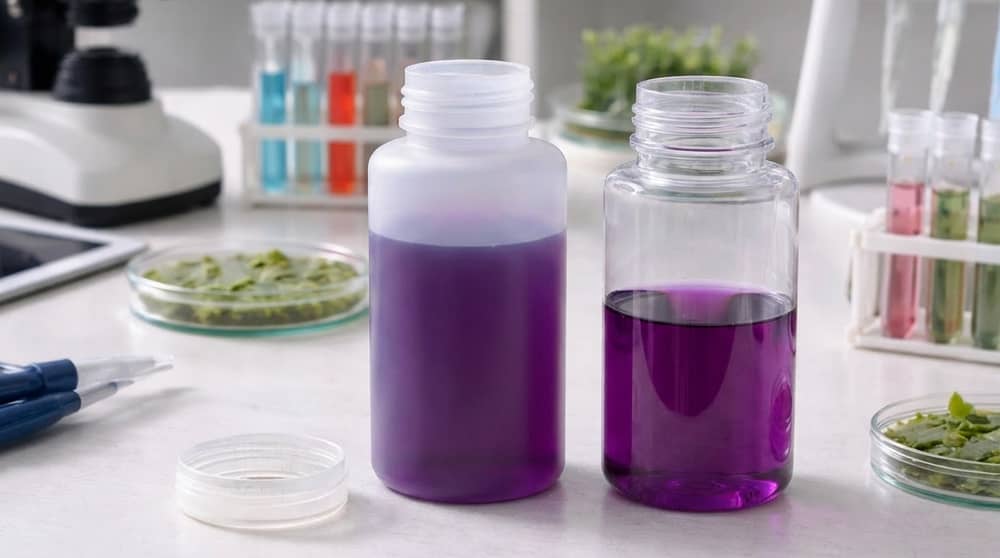
Why Proper Storage of Liquid Samples Matters
Liquid samples are often sensitive to environmental factors such as temperature, light, oxygen, and contamination. Poor storage practices can result in:
Chemical degradation
Microbial contamination
Evaporation or leakage
Changes in sample composition
Proper storage ensures reliability and reproducibility in laboratory testing and research.
Choosing the Right Container for Liquid Samples
Selecting the appropriate container is the first and most critical step.
1. Material Selection
Different materials offer different levels of chemical resistance and durability:
Polypropylene (PP): Ideal for biological samples, autoclavable, high temperature resistance
HDPE (High-Density Polyethylene): Excellent chemical resistance, suitable for acids and solvents
Glass: Best for highly reactive or solvent-based samples
Choosing the right material helps prevent reactions between the sample and the container.
2. Leak-Proof Design
Liquid samples must be stored in containers with secure, tight-sealing lids to prevent leakage and contamination.
Features to look for:
Screw caps with inner seals
Tamper-evident closures
Gasket or liner protection
3. Sterile vs Non-Sterile
Sterile containers: Required for microbiology, clinical, and biotech applications
Non-sterile containers: Suitable for general chemical or environmental samples
Temperature Control for Liquid Samples
Temperature plays a major role in preserving liquid samples.
Common Storage Conditions:
Room Temperature (15–25°C): Stable chemical samples
Refrigerated (2–8°C): Biological samples, reagents
Frozen (-20°C or lower): Long-term storage of sensitive samples
Ultra-low (-80°C): DNA, RNA, and protein samples
Always match the storage temperature to the sample type to avoid degradation.
Preventing Contamination
Contamination is one of the biggest risks in liquid sample storage.
Best Practices:
Use sterile containers when required
Avoid repeated opening and closing
Work in clean or controlled environments
Use proper pipetting techniques
Seal containers immediately after use
Even minor contamination can compromise experimental results.
Proper Labeling and Documentation
Accurate labeling is essential for traceability and compliance.
Labels Should Include:
Sample name or ID
Collection date
Storage conditions
Hazard information (if applicable)
Use durable, chemical-resistant labels to prevent fading or damage during storage.
Storage Position and Organization
How you store containers physically also matters.
Tips:
Store containers upright to prevent leakage
Use racks or secondary containment systems
Avoid overfilling containers
Separate incompatible chemicals
Organized storage improves efficiency and safety in laboratory operations.
Light and Air Exposure Control
Some liquid samples are sensitive to light and oxygen.
Protection Methods:
Use amber or opaque containers for light-sensitive samples
Minimize headspace to reduce oxidation
Seal containers tightly
This is especially important for pharmaceutical and biochemical samples.
Transportation of Liquid Samples
When transporting liquid samples:
Use leak-proof containers
Apply secondary packaging
Maintain temperature (coolers, ice packs)
Follow safety and regulatory guidelines
Proper transport ensures samples remain stable from collection to analysis.
Common Mistakes to Avoid
Using the Wrong Container Material
Can lead to chemical reactions or degradation
Poor Sealing
Results in leakage or evaporation
Incorrect Temperature Storage
Causes loss of sample integrity
Inadequate Labeling
Leads to sample mix-ups
Overfilling Containers
Increases risk of spills and pressure buildup
Avoiding these mistakes is key to maintaining sample quality.
Best Practices Summary
To store liquid samples effectively:
Choose the right container material (PP, HDPE, or glass)
Ensure leak-proof sealing
Maintain proper temperature conditions
Prevent contamination
Label clearly and accurately
Protect from light and air exposure
Following these best practices helps ensure reliable laboratory results.
Conclusion
Proper storage of liquid samples is fundamental to laboratory success. From selecting the right container to maintaining optimal environmental conditions, every step plays a role in preserving sample quality.
By implementing the right storage strategies, laboratories can improve accuracy, reduce errors, and ensure compliance with industry standards.
Call to Action
Looking for high-quality, leak-proof containers for liquid sample storage?
We provide PP and HDPE laboratory containers designed for biotechnology, pharmaceutical, and environmental applications. Contact us today to find the right solution for your laboratory needs.