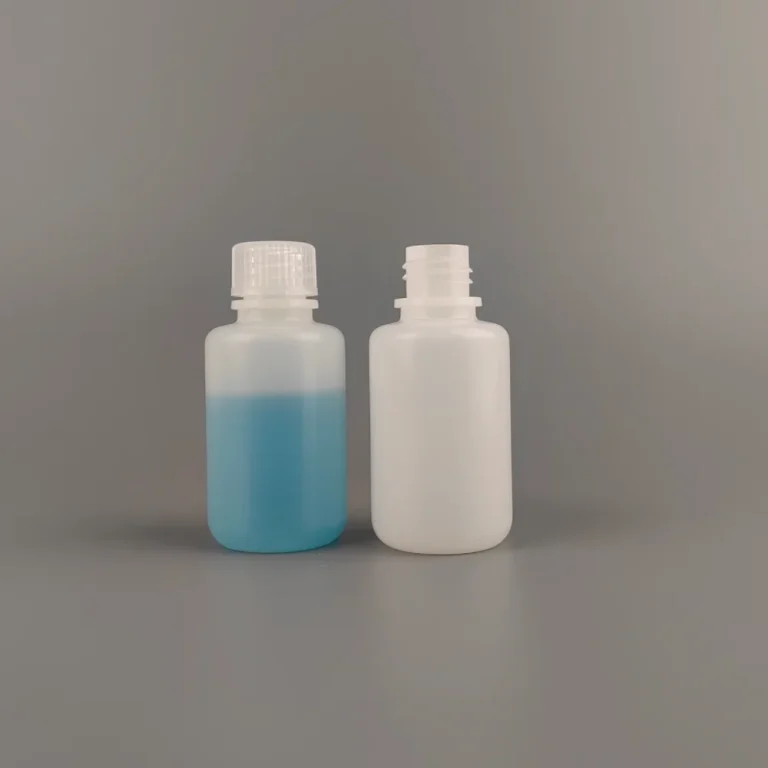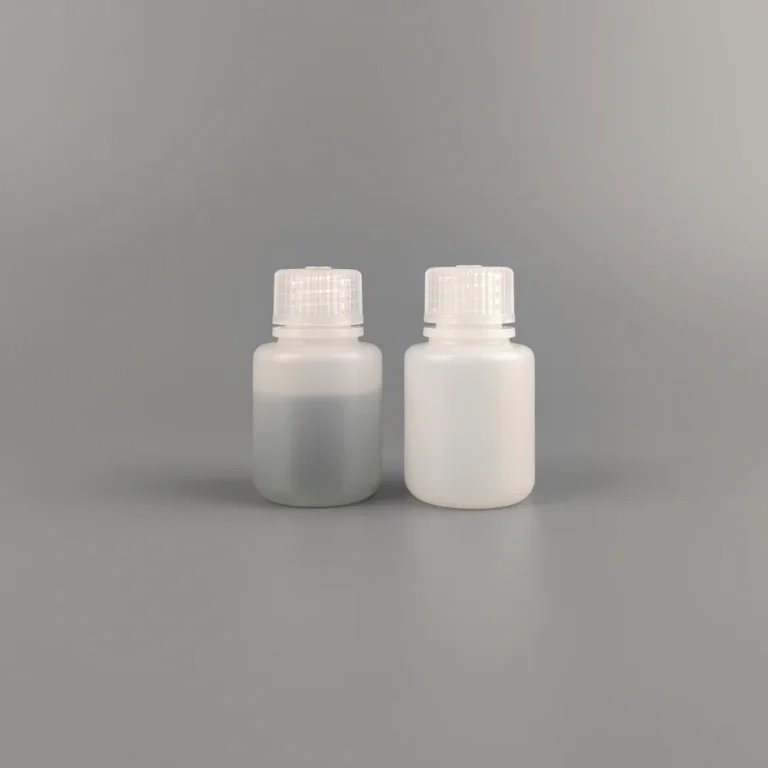
A leaking sample tube inside a centrifuge rotor can shut down an entire laboratory workflow within minutes. In microbiology and environmental testing labs, improper sample handling does not only risk data accuracy — it can expose personnel to hazardous materials, contaminate equipment, and compromise regulatory compliance.
Many sample handling failures originate from container-related problems: weak sealing structures, inconsistent wall thickness, poor chemical resistance, or using containers outside their validated temperature range.
For laboratories managing biological, chemical, pharmaceutical, or environmental samples, safe handling starts with selecting the correct storage and transport container.
Why Safe Sample Handling Depends on Container Performance
Laboratory samples are routinely exposed to:
- Manual transportation
- Freeze-thaw cycles
- Centrifugation
- Autoclaving
- Chemical exposure
- Long-term storage
- Cross-department transfers
A container that fails under any of these conditions can lead to:
- Sample contamination
- Leakage
- Aerosol formation
- Data loss
- Equipment damage
From a supplier’s perspective, safe handling requires evaluating measurable technical parameters rather than relying only on container appearance or general-purpose specifications.
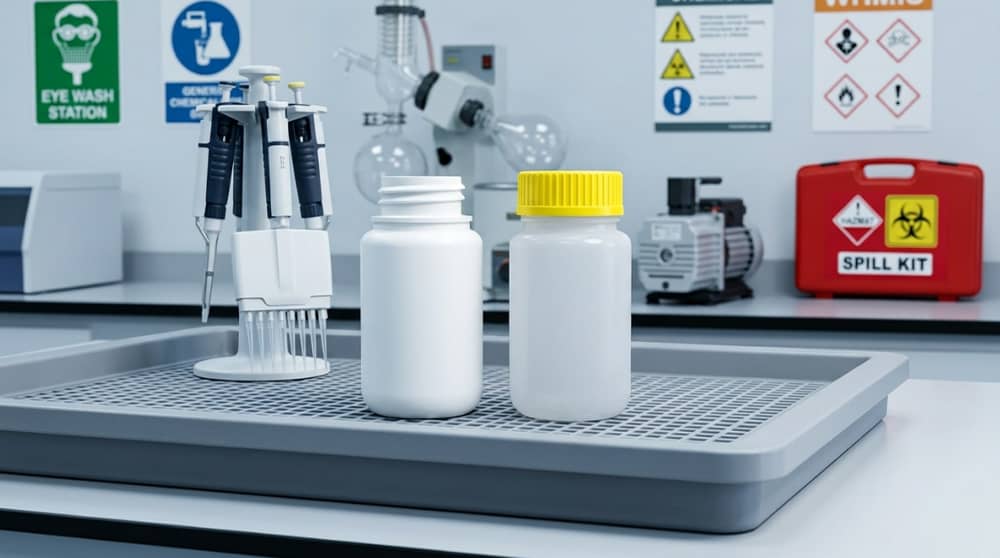
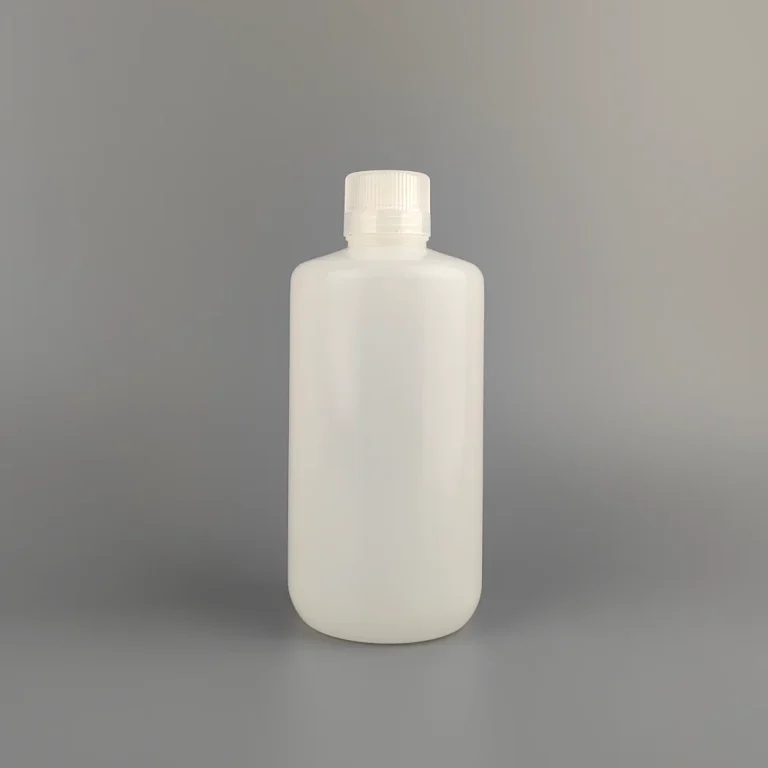
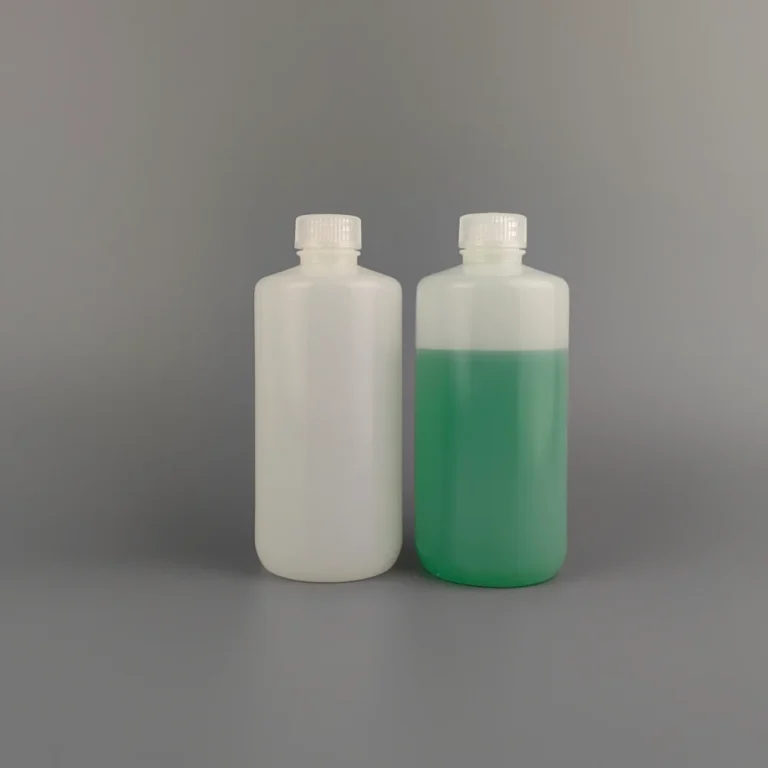
HDPE Containers for Chemical and Environmental Samples
HDPE (High-Density Polyethylene) containers are commonly used for:
- Environmental monitoring
- Chemical reagent storage
- Waste collection
- Water sampling
- Bulk transport
Technical characteristics:
- High chemical resistance
- Strong impact durability
- Low moisture absorption
- Stable performance under cold storage
- Temperature resistance from -80°C to 121°C
Typical applications:
| Sample Type | Recommended HDPE Container |
| Wastewater samples | HDPE sampling bottle |
| Acids and alkalis | HDPE reagent bottle |
| Field transport | Thick-wall HDPE container |
| Hazardous liquid collection | HDPE safety bottle |
Technical Insights:
HDPE containers are widely selected for field handling because thicker wall designs improve transport durability and reduce cracking risk.
PP Containers for Sterile and Biological Workflows
Polypropylene (PP) containers are commonly used for:
- Biological sample storage
- Sterile laboratory workflows
- Molecular biology applications
- Pharmaceutical testing
- Centrifugation procedures
Technical characteristics:
- Autoclavable at 121°C
- Good thermal stability
- Low extractable profile
- High dimensional consistency
- Suitable for repeated sterilization cycles
Common formats include:
| Container Type | Typical Application |
| PP centrifuge tube | Sample processing |
| Cryogenic vial | Long-term biological storage |
| Sterile PP bottle | Media preparation |
| Screw-cap storage tube | Sample transport |
Lab Tips:
Medical-grade PP containers are often preferred for biological workflows requiring sterility and repeated freeze-thaw handling.
Key Factors in Safe Laboratory Sample Handling
1. Leak-proof Design Is the First Safety Barrier
Sample leakage can result in:
- Cross-contamination
- Exposure risks
- Instrument downtime
- Sample loss
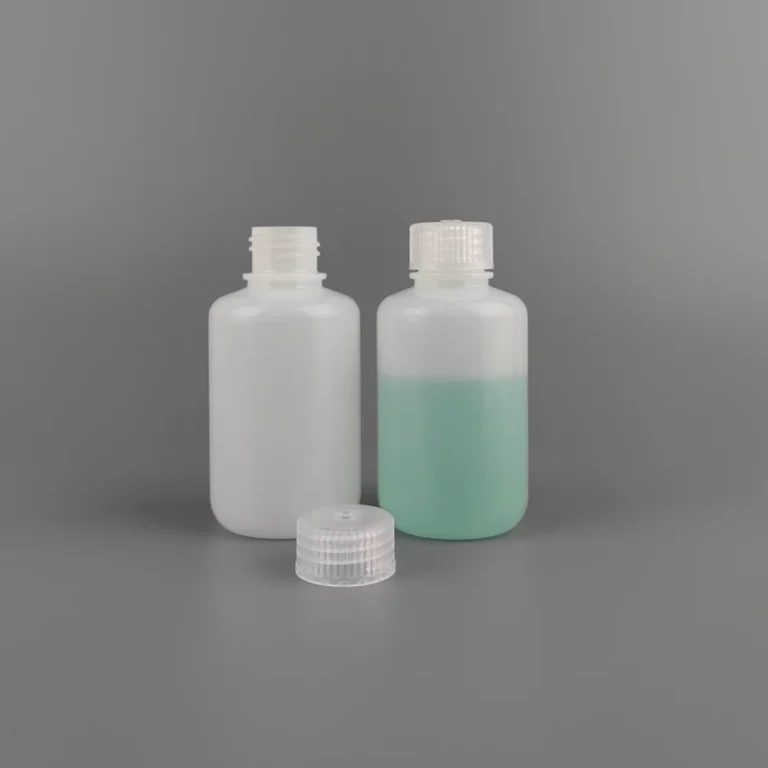
Reliable leak-proof systems typically include:
- Precision threaded caps
- Silicone or TPE sealing rings
- Reinforced cap geometry
- Torque-controlled closure systems
Common validation methods:
- Vacuum leak testing
- Inverted storage testing
- Pressure retention analysis
- Transport vibration simulation
Technical Insights:
Micro-leakage during transportation is difficult to detect visually but can significantly affect analytical results.
2. Wall Thickness Consistency Affects Mechanical Safety
Uneven wall thickness creates weak points during:
- Centrifugation
- Freezing
- Transportation
- Autoclaving
Typical wall thickness specifications:
| Container Type | Wall Thickness |
| Cryogenic vial | 0.8–1.2 mm |
| Reagent bottle | 1.5–2.8 mm |
| Heavy-duty transport container | 2.5–3.5 mm |
From a manufacturing perspective, controlled molding parameters reduce stress concentration and improve long-term durability.
3. Temperature Resistance Must Match Workflow Conditions
Laboratory samples may experience:
- -80°C freezer storage
- Dry ice transportation
- Steam sterilization
- Ambient transport conditions
Recommended specifications for laboratory-grade HDPE and PP:
| Material | Temperature Resistance |
| HDPE | -80°C to 121°C |
| PP | -80°C to 121°C |
Lab Tips:
Low-grade plastics may become brittle during low-temperature handling, increasing crack probability during transport or centrifugation.
4. Centrifugation Stability Reduces Failure Risk
Container failure during centrifugation can generate aerosol contamination and equipment damage.
Important considerations include:
- Max RCF tolerance
- Base reinforcement
- Shoulder geometry strength
- Dimensional consistency
Typical specifications:
| Container Type | Max RCF |
| Standard HDPE bottle | Up to 5,000 × g |
| PP centrifuge tube | 8,000–20,000 × g |
Higher Max RCF performance depends on uniform wall thickness and reinforced structural design.
5. Chemical Compatibility Prevents Sample Degradation
Incorrect material selection may result in:
- Polymer swelling
- Surface cracking
- Sample adsorption
- Extractable contamination
Key compatibility factors include:
- Solvent exposure
- pH range
- Oxidizing agents
- Long-term contact duration
Technical Insights:
HDPE is generally preferred for aggressive chemical storage, while PP is commonly selected for sterile biological workflows.
Technical Specifications Comparison
| Specification | HDPE Sample Container | PP Sample Container |
| Material Type | High-Density Polyethylene | Polypropylene |
| Temperature Resistance | -80°C to 121°C | -80°C to 121°C |
| Chemical Resistance | Excellent | Strong |
| Wall Thickness Range | 1.5–3.5 mm | 0.8–2.5 mm |
| Leak-proof Design | Threaded cap + liner | Sealing ring + threaded cap |
| Max RCF | Up to 5,000 × g | Up to 20,000 × g |
| Autoclavable | Limited repeated cycles | Suitable for repeated cycles |
| Typical Applications | Chemical and environmental handling | Biological and sterile workflows |
Common Problems Seen in Laboratory Sample Handling
Cap loosening during transportation
Often caused by poor thread precision or inconsistent sealing ring compression.
Cracking after freeze-thaw cycles
Thin-wall containers are more vulnerable during repeated temperature changes.
Container deformation after autoclaving
Non-validated plastics may lose structural stability after repeated sterilization.
Cross-contamination from reusable containers
Improper cleaning validation increases contamination risk in sensitive workflows.
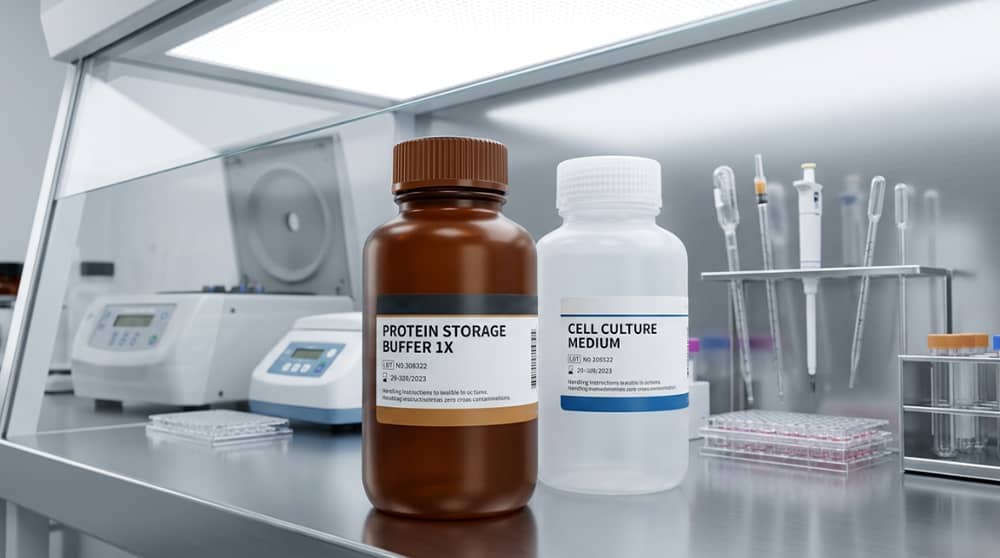
Checklist for Safe Laboratory Sample Handling
Before sample collection
- Verify material compatibility
- Confirm sterile requirements
- Check temperature resistance
- Validate leak-proof structure
During transportation
- Use secondary containment
- Minimize vibration exposure
- Maintain temperature control
- Avoid overfilling containers
During centrifugation
- Confirm Max RCF specification
- Inspect for cracks or deformation
- Balance rotor loads properly
During long-term storage
- Monitor freeze-thaw exposure
- Use compatible labeling systems
- Avoid repeated cap stress
From a Supplier’s Perspective: Why Consistency Matters
Laboratories often focus on container cost, but production consistency is equally important for safe handling.
Critical manufacturing controls include:
- Resin batch stability
- Mold precision
- Automated leak testing
- Wall thickness monitoring
- Traceable production records
Inconsistent molding conditions can create dimensional variation that becomes visible only under stress conditions.
JSBIO Lab Tips for Safer Sample Handling
Recommended for Hazardous Chemical Samples
- Thick-wall HDPE containers
- Reinforced leak-proof cap systems
- Chemical-resistant liner materials
Recommended for Biological and Sterile Samples
- Medical-grade PP tubes and bottles
- External-thread cryovials
- DNase/RNase-free production options
Recommended for Transport and Cold Storage
- Uniform wall thickness design
- Freeze-thaw validated materials
- Secondary containment packaging systems
Request Samples or Technical Support
Safe handling performance should be validated under real laboratory conditions before bulk procurement.
Option A — Request free samples for validation
Laboratories can evaluate:
- Leak-proof performance
- Freeze-thaw resistance
- Centrifugation stability
- Chemical compatibility
- Autoclave performance
Option B — Get a bulk quote and customization details
Available customization options may include:
- Custom volumes
- Cap color coding
- Sterile packaging
- OEM branding
- Reinforced wall thickness
- Export packaging optimization
- Specialized sealing configurations