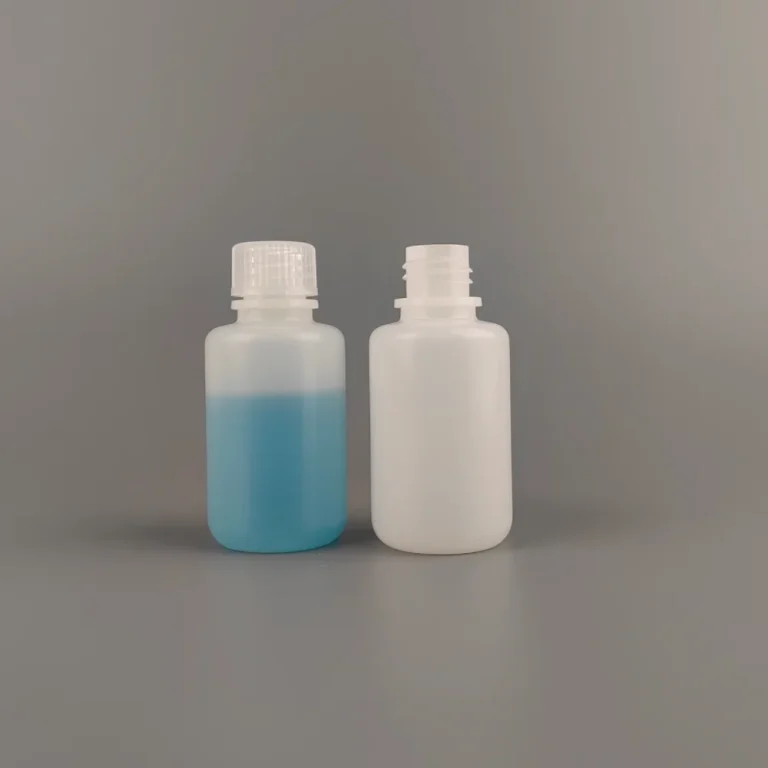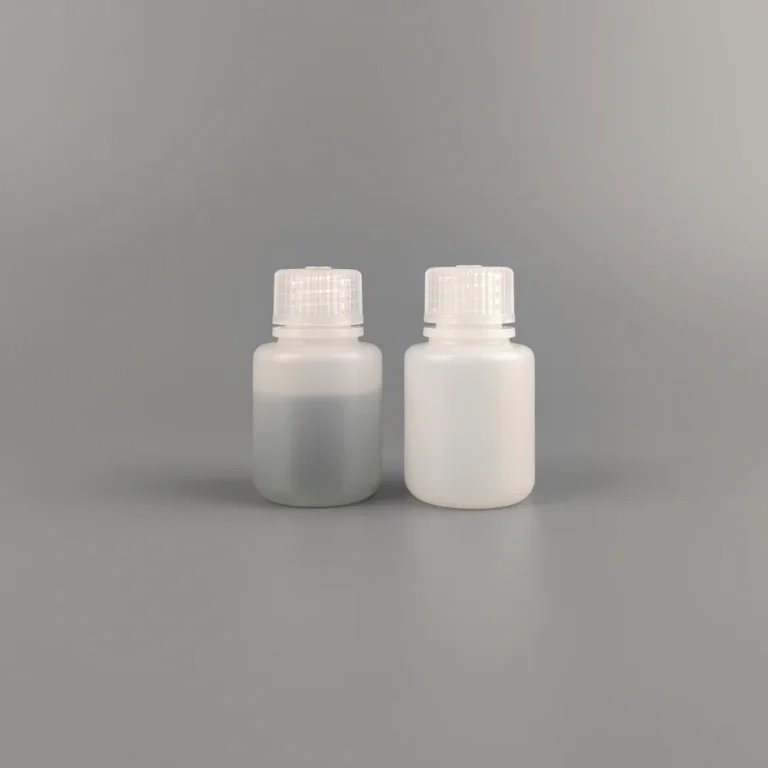
A 0.5 mL biological sample may represent months of research work, yet many laboratories still store small-volume specimens in containers not designed for long-term stability. In molecular biology and diagnostic workflows, evaporation from poor sealing systems, tube deformation during centrifugation, or sample adsorption onto low-grade plastics can alter analytical results before testing even begins.
Small-volume sample storage requires tighter dimensional control than bulk storage applications. Container material, wall thickness consistency, sealing precision, and centrifugation tolerance directly influence sample recovery and reproducibility.
For laboratories handling DNA, RNA, proteins, reagents, environmental extracts, or pharmaceutical standards, selecting the correct storage container is part of the analytical process itself.
Why Small Volume Samples Require Specialized Containers
Small-volume samples are more sensitive to:
- Evaporation
- Surface adsorption
- Temperature fluctuations
- Cross-contamination
- Sample retention inside tube walls
- Cap sealing inconsistencies
Even minor leakage or volume loss can significantly affect concentration-sensitive assays.
Typical small-volume workflows include:
- PCR preparation
- DNA/RNA storage
- Cell lysate preservation
- Pharmaceutical aliquoting
- Clinical diagnostics
- Environmental trace analysis
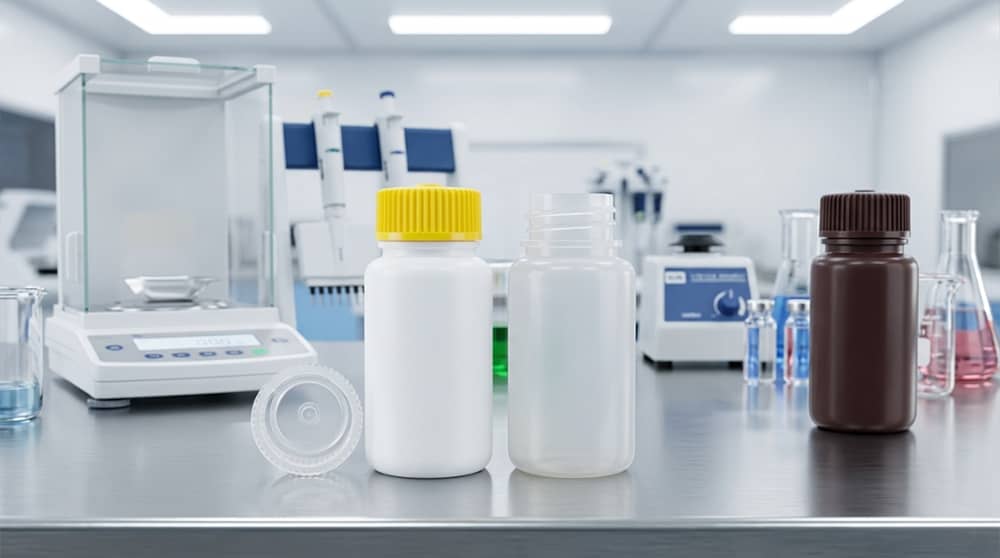
PP Containers for Small Volume Sample Storage
Polypropylene (PP) is the most widely used material for small-volume laboratory storage containers.
Typical applications include:
- Microcentrifuge tubes
- PCR tubes
- Cryogenic vials
- Sample aliquot tubes
- Sterile storage tubes
Technical characteristics:
- Low extractable profile
- High thermal stability
- Good dimensional consistency
- Compatible with autoclaving at 121°C
- Temperature resistance from -80°C to 121°C
Lab Tips:
Medical-grade PP is commonly preferred for molecular biology workflows because it reduces sample interaction with tube surfaces.
HDPE Containers for Small Volume Chemical Storage
Although PP dominates biological workflows, HDPE (High-Density Polyethylene) is frequently used for:
- Chemical standards
- Environmental extracts
- Solvent-resistant storage
- Reference solutions
Technical characteristics:
- Strong chemical resistance
- Low moisture absorption
- Good impact durability
- Stable performance under cold storage
Technical Insights:
HDPE containers are often selected for chemically aggressive samples where solvent compatibility is more important than centrifugation performance.
Common Types of Small Volume Laboratory Storage Containers
1. Microcentrifuge Tubes
Microcentrifuge tubes are widely used for:
- DNA/RNA workflows
- Protein extraction
- Sample aliquoting
- Centrifugation procedures
Critical specifications:
| Specification | Typical Range |
| Volume | 0.5–2.0 mL |
| Material | Medical-grade PP |
| Max RCF | 12,000–20,000 × g |
| Temperature Resistance | -80°C to 121°C |
Key design factors:
- Uniform wall thickness
- Reinforced tube hinge
- Precision cap sealing
- Low-retention surface treatment
2. PCR Tubes
PCR tubes are designed for thermal cycling applications.
Typical requirements:
- Thin-wall heat transfer optimization
- High dimensional consistency
- Tight sealing performance
- Low evaporation rates
Technical Insights:
Uneven wall thickness can affect thermal transfer efficiency and PCR reproducibility.
3. Cryogenic Vials
Cryovials are used for:
- Cell banking
- Long-term biological storage
- Clinical specimen preservation
Important features include:
- Leak-proof threaded caps
- Ultra-low temperature resistance
- External or internal thread options
- Barcode compatibility
Typical specifications:
| Property | Typical Value |
| Temperature Resistance | -80°C to 121°C |
| Wall Thickness | 0.8–1.2 mm |
| Max RCF | Up to 20,000 × g |
Lab Tips:
External-thread cryovials help reduce contamination around sealing surfaces.
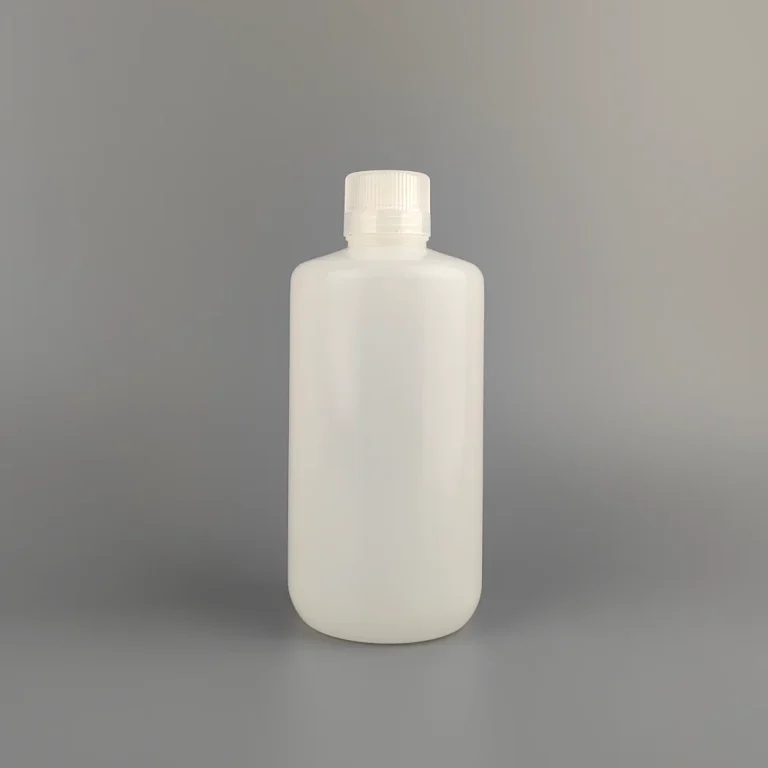
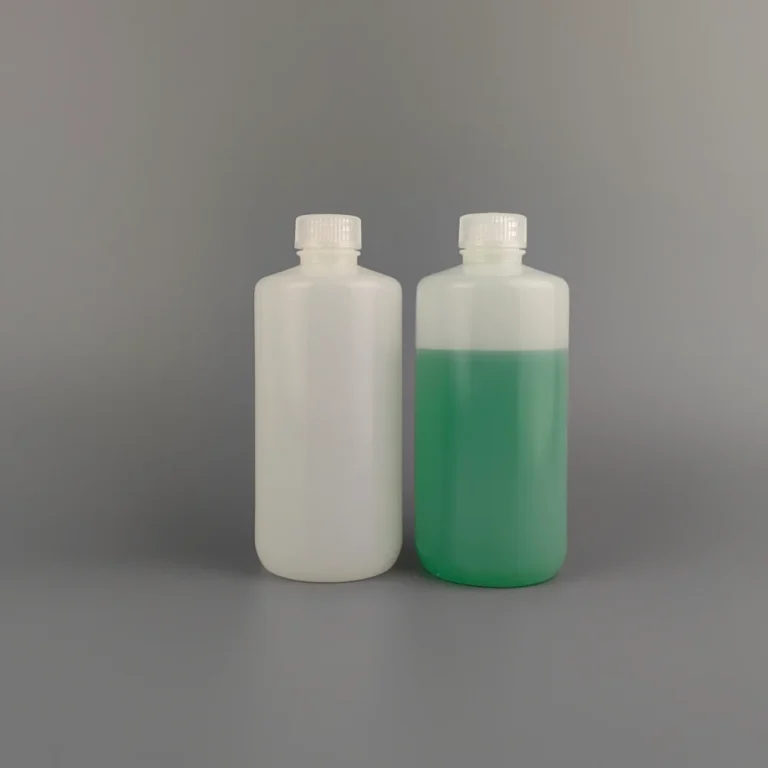
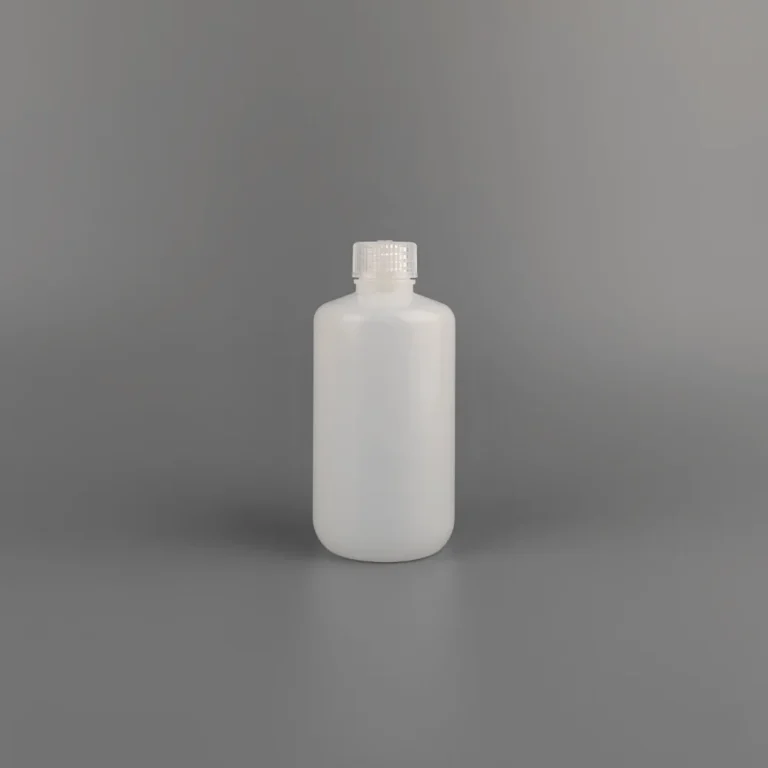
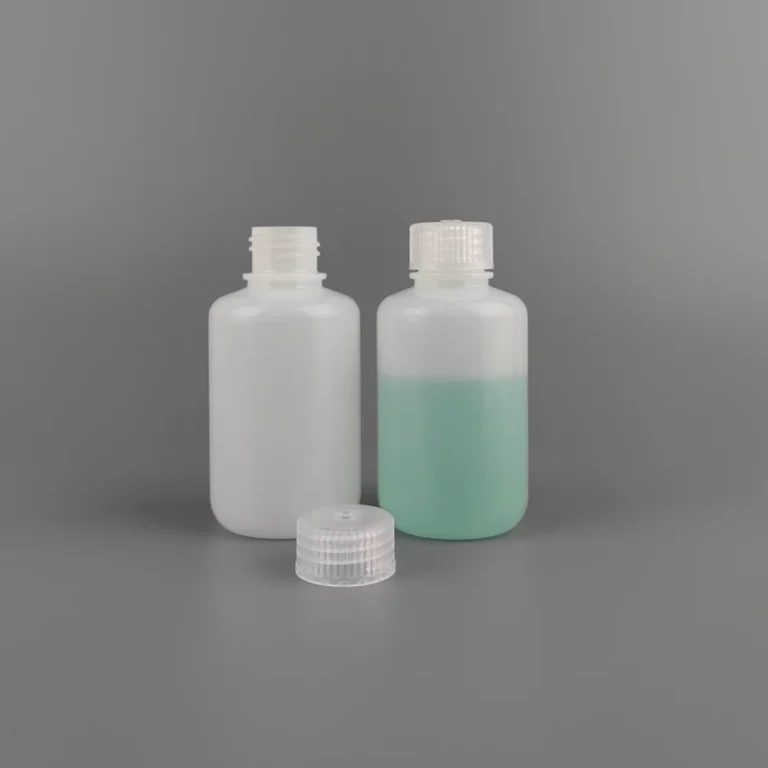
4. Small-Volume Reagent Bottles
Used for:
- Buffer storage
- Standard solutions
- Analytical reagents
- Calibration materials
Common features:
- Leak-proof cap systems
- Graduation markings
- Chemical-resistant construction
Typical materials:
- PP for sterile applications
- HDPE for chemical resistance
Checklist: How to Select Small Volume Sample Storage Containers
1. Verify Leak-proof Design
Small sample volumes are highly sensitive to evaporation and micro-leakage.
Reliable sealing systems include:
- Precision snap caps
- Screw-cap sealing rings
- Silicone or TPE liners
- Torque-controlled closures
Common validation methods:
- Inverted storage testing
- Vacuum leak testing
- Freeze-thaw cycle analysis
Technical Insights:
Micro-volume evaporation may not be visually detectable but can significantly alter sample concentration.
2. Evaluate Wall Thickness Consistency
Wall thickness affects:
- Thermal stability
- Mechanical strength
- Centrifugation tolerance
- Freeze-thaw durability
Typical specifications:
| Container Type | Wall Thickness |
| PCR tube | 0.2–0.4 mm |
| Microcentrifuge tube | 0.6–1.0 mm |
| Cryogenic vial | 0.8–1.2 mm |
Controlled molding precision is especially important for high-speed centrifugation and thermal cycling workflows.
3. Confirm Temperature Compatibility
Small-volume samples are often exposed to:
- Ultra-low freezer storage
- Dry ice transport
- PCR thermal cycling
- Steam sterilization
Recommended material specifications:
| Material | Temperature Resistance |
| PP | -80°C to 121°C |
| HDPE | -80°C to 121°C |
Low-grade plastics may become brittle after repeated thermal cycling.
4. Check Max RCF Performance
Many small-volume workflows require centrifugation.
Container design should support:
- Reinforced base geometry
- Uniform wall thickness
- High structural stability
Typical specifications:
| Container Type | Max RCF |
| Standard microcentrifuge tube | 12,000–16,000 × g |
| High-performance centrifuge tube | Up to 20,000 × g |
5. Assess Sample Retention and Surface Interaction
For low-concentration samples, adsorption onto tube walls can reduce recovery rates.
Recommended considerations:
- Low-retention PP surfaces
- Medical-grade resin quality
- Smooth internal geometry
- Low extractable materials
Technical Specifications Comparison
| Specification | PP Small Volume Container | HDPE Small Volume Container |
| Material Type | Polypropylene | High-Density Polyethylene |
| Temperature Resistance | -80°C to 121°C | -80°C to 121°C |
| Max RCF | Up to 20,000 × g | Up to 5,000 × g |
| Wall Thickness Range | 0.2–1.2 mm | 1.0–2.5 mm |
| Leak-proof Design | Snap cap or threaded seal | Threaded cap + liner |
| Chemical Resistance | Strong | Excellent |
| Typical Applications | Biological samples | Chemical storage |
| Autoclavable | Suitable for repeated cycles | Limited repeated cycles |
Common Problems in Small Volume Sample Storage
Evaporation during long-term storage
Often caused by weak cap sealing or repeated freeze-thaw exposure.
Tube cracking during centrifugation
Typically linked to inconsistent wall thickness or poor resin quality.
Sample loss from adsorption
Low-concentration biomolecules may bind to untreated plastic surfaces.
Contamination during repeated opening
Improper cap design increases contamination risk in sterile workflows.
From a Supplier’s Perspective: Why Precision Manufacturing Matters
Small-volume containers require tighter manufacturing tolerances than large-volume bottles.
Critical production controls include:
- Precision mold calibration
- Automated leak testing
- Resin purity validation
- Wall thickness monitoring
- Cleanroom manufacturing conditions
Dimensional inconsistency that appears minor at production scale can significantly affect micro-volume workflows.
JSBIO Lab Tips for Small Volume Sample Storage
Recommended for Molecular Biology Applications
- Medical-grade PP microcentrifuge tubes
- Low-retention surface treatment
- DNase/RNase-free production
Recommended for Cryogenic Storage
- External-thread cryovials
- Reinforced cap structures
- Ultra-low temperature validated materials
Recommended for Chemical Standards
- Thick-wall HDPE reagent tubes
- Chemical-resistant liner systems
- Opaque designs for light-sensitive reagents
Request Samples or Technical Support
Small-volume storage containers should be validated under actual laboratory conditions before large-scale procurement.
Option A — Request free samples for validation
Laboratories can evaluate:
- Leak-proof performance
- Evaporation resistance
- Freeze-thaw durability
- Centrifugation stability
- Sample recovery performance
Option B — Get a bulk quote and customization details
Available customization options may include:
- Custom tube volumes
- Cap color coding
- Sterile packaging
- OEM labeling
- Low-retention surface treatment
- Barcode compatibility
- Customized wall thickness specifications