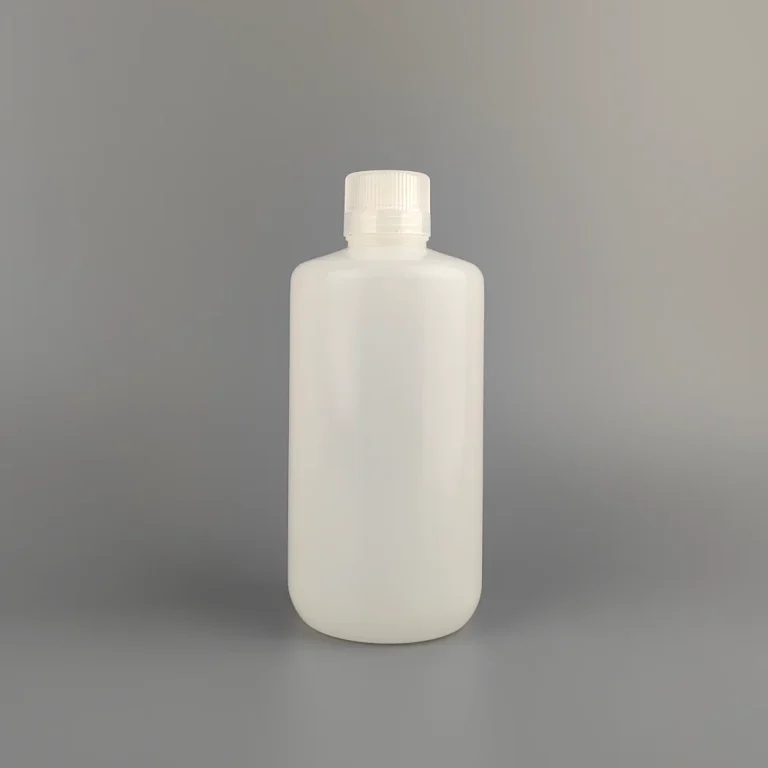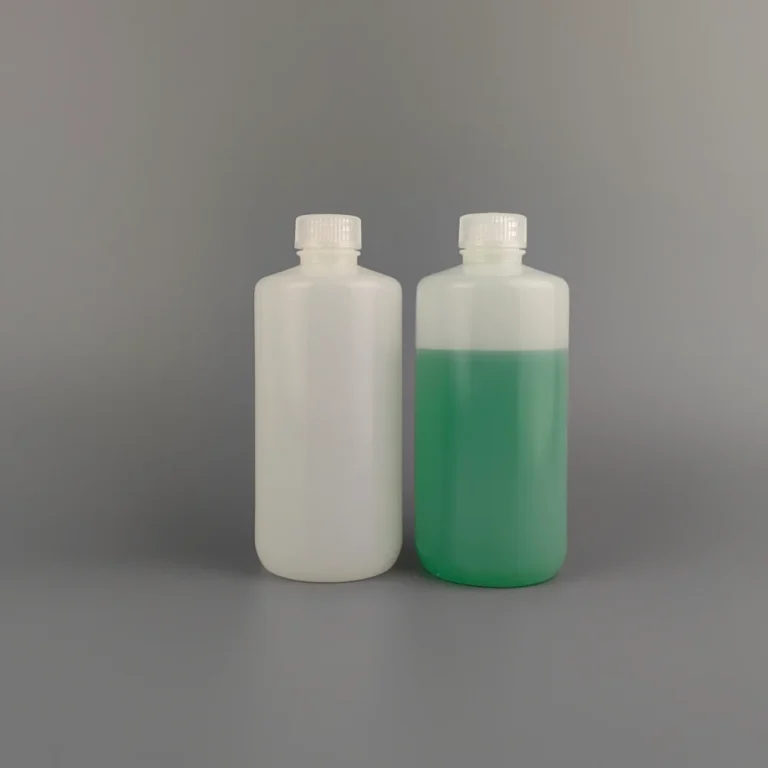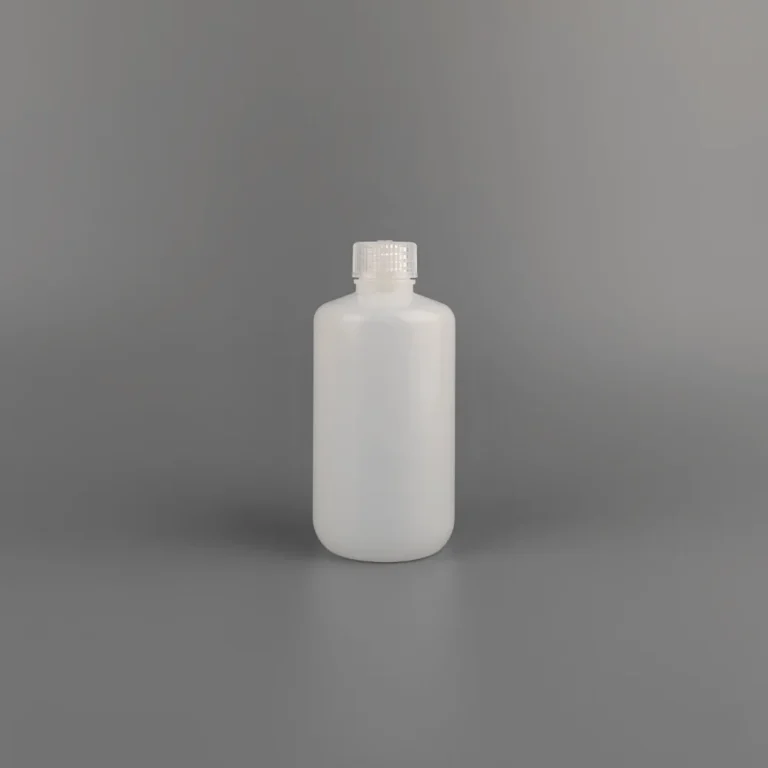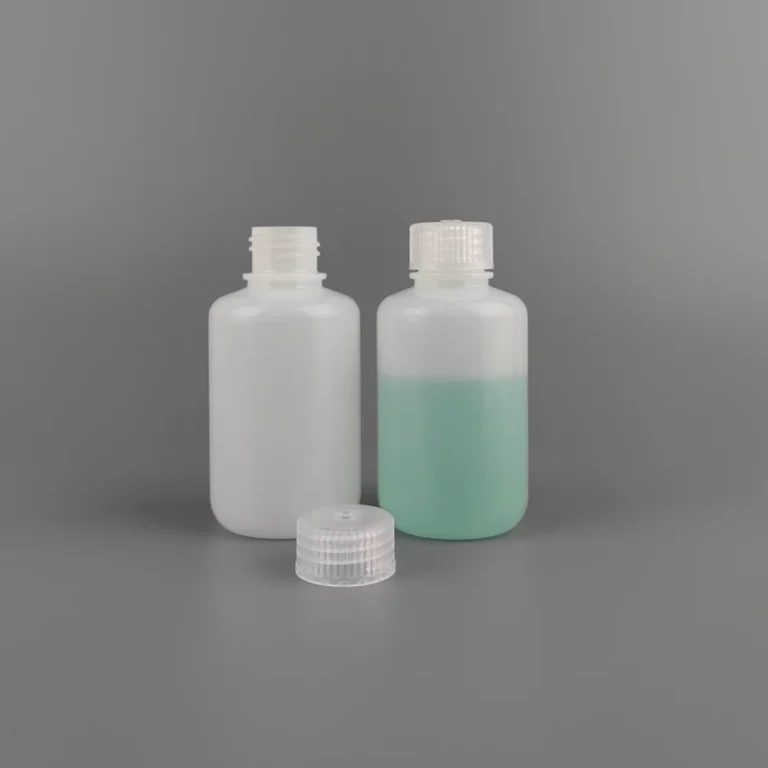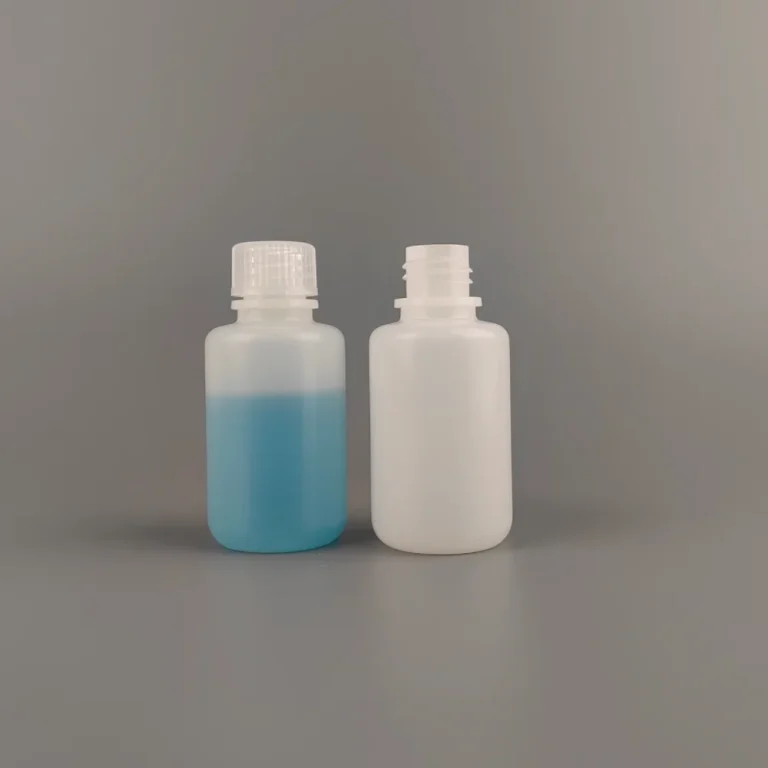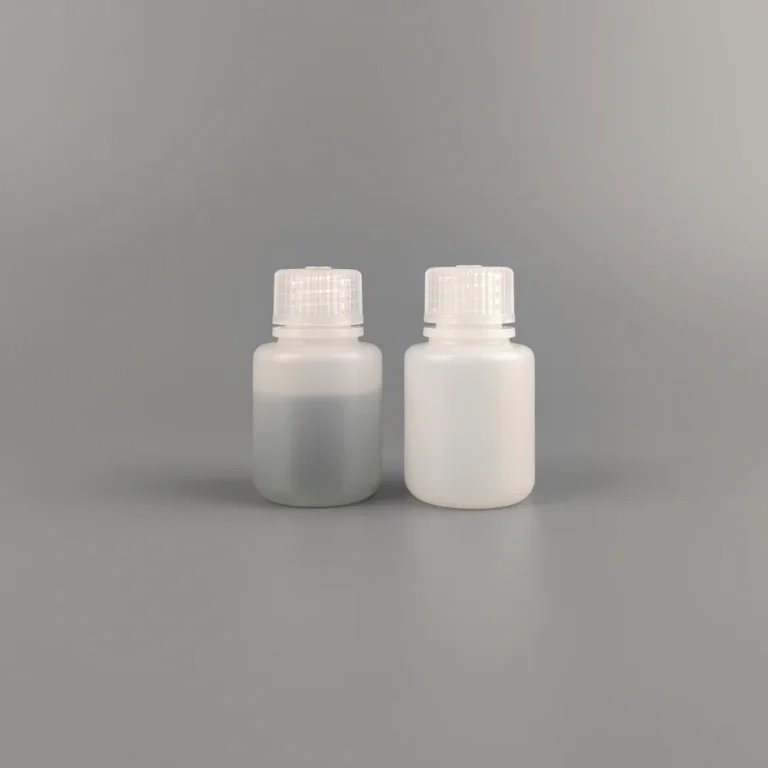
In 2024, a marine environmental monitoring project in Southeast Asia contacted JSBIO after losing nearly 18% of collected seawater samples during transportation. The samples had been stored in standard laboratory tubes and shipped through tropical regions where temperatures exceeded 40°C during transit. Several containers warped slightly, seal integrity weakened, and evaporation altered critical analyte concentrations before the samples reached the analytical laboratory.
The issue was not analytical error.
It was a storage container failure under extreme conditions.
This scenario is increasingly common in environmental monitoring, pharmaceutical logistics, polar research, food testing, and biobanking. Laboratories today often operate far beyond controlled indoor environments. Samples may experience:
- Ultra-low cryogenic temperatures
- High humidity exposure
- Long-distance transportation
- Freeze-thaw cycling
- UV exposure
- High-pressure sterilization
- Remote field collection in deserts, offshore platforms, or arctic regions
Under these conditions, choosing the correct laboratory plasticware becomes a critical factor in data integrity.
Why Extreme Storage Conditions Matter
Sample degradation rarely happens all at once. In most laboratories, failure begins with small physical or chemical changes:
- Micro-leaks from cap deformation
- Polymer brittleness at low temperatures
- Adsorption of analytes onto tube walls
- UV-induced polymer aging
- Pressure-related warping
- Seal failure during repeated freeze-thaw cycles
For laboratories working with high-value or irreplaceable samples, even minor storage instability can compromise an entire project.
Common high-risk sample categories include:
- DNA/RNA samples
- Environmental water samples
- Clinical plasma and serum
- Pharmaceutical intermediates
- Microbial cultures
- Chemical reference standards
- Vaccine materials
Key Challenges in Extreme Sample Storage
1. Ultra-Low Temperature Storage
Cryogenic and ultra-low storage conditions place enormous stress on plastic materials.
Typical storage temperatures include:
- -20°C standard freezing
- -80°C ultra-low freezers
- Liquid nitrogen vapor phase storage
At these temperatures, low-quality plastics may become brittle and crack during handling.
High-performance laboratory tubes typically use medical-grade polypropylene because it maintains structural stability under low-temperature conditions.
Important considerations include:
- Impact resistance after freezing
- Cap sealing performance
- Tube wall uniformity
- Resistance to freeze-thaw fatigue
2. High Temperature Exposure During Transport
Field sampling projects often face uncontrolled logistics environments.
In tropical or desert regions, internal transport temperatures may exceed 50°C inside vehicles or shipping containers.
Poor-quality plastics can experience:
- Tube deformation
- Cap loosening
- Increased permeability
- Chemical leaching
For temperature-sensitive samples, laboratories should prioritize:
- Heat-resistant polypropylene
- Leak-proof threaded caps
- Secondary sealing systems
- Certified transport containers
The Impact of Freeze-Thaw Cycles
One overlooked risk in sample storage is repeated freeze-thaw cycling.
Every thaw introduces:
- Expansion and contraction stress
- Increased condensation
- Seal fatigue
- Potential contamination
For molecular biology laboratories, repeated freeze-thaw cycles can significantly affect nucleic acid integrity.
Best practices include:
- Using aliquot storage strategies
- Selecting low-binding tubes
- Avoiding overfilled containers
- Using externally threaded cryogenic vials for sensitive samples
Material Selection: Why Polypropylene Dominates Laboratory Storage
Not all plastics behave equally under stress.
Polypropylene (PP) remains the preferred material for most laboratory storage applications because of its balance of:
- Chemical resistance
- Temperature tolerance
- Mechanical flexibility
- Low extractables
- Sterilization compatibility
However, resin quality matters significantly.
Premium laboratory-grade PP offers:
- Better dimensional stability
- Lower contamination risk
- Improved sealing consistency
- Enhanced durability in automated systems
In contrast, industrial-grade plastics may contain impurities or inconsistent polymer structures that reduce long-term reliability.
Chemical Compatibility Under Extreme Conditions
Extreme storage conditions become even more challenging when aggressive chemicals are involved.
Some solvents can accelerate polymer degradation under temperature stress.
Examples include:
| Chemical Type | Potential Risk |
| Organic solvents | Swelling or cracking |
| Strong acids | Surface degradation |
| Oxidizers | Polymer weakening |
| Alcohols | Seal instability over time |
Laboratories should always verify chemical compatibility before long-term storage.
UV Exposure and Outdoor Sampling Risks
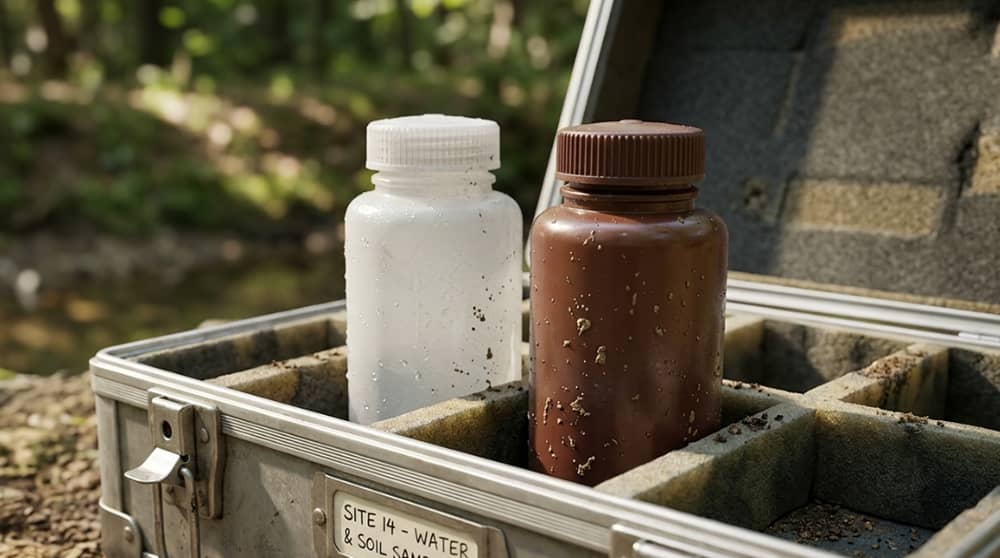
Environmental fieldwork frequently exposes sample containers to direct sunlight.
Extended UV exposure can cause:
- Polymer discoloration
- Reduced flexibility
- Increased brittleness
- Loss of transparency
For outdoor sampling operations, laboratories often use:
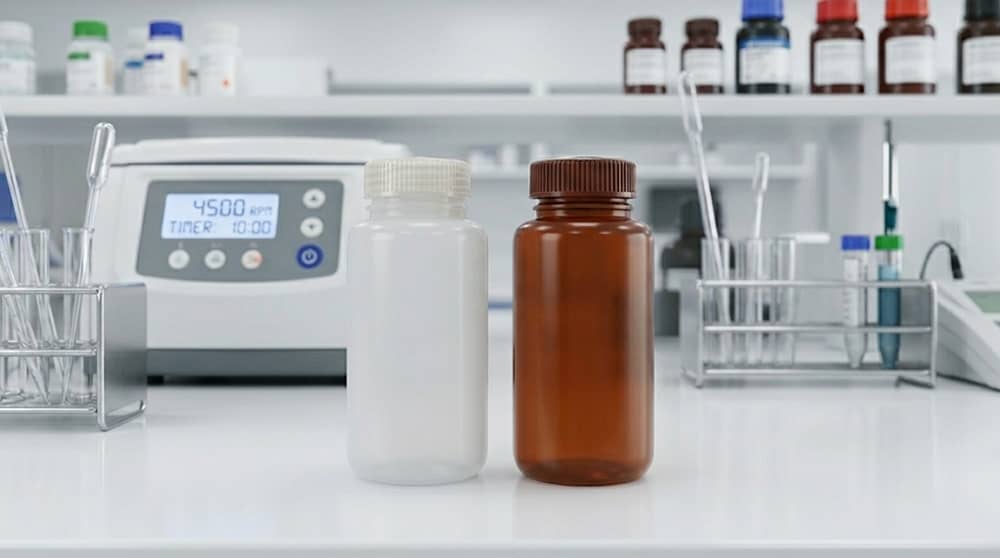
- Amber sample bottles
- UV-resistant storage racks
- Opaque secondary containers
This is particularly important for:
- Photosensitive compounds
- Nutrient analysis
- Pharmaceutical ingredients
- Environmental monitoring samples
Sterility and Contamination Control
Extreme conditions can increase contamination risks during transport and storage.
Professional laboratories often require storage consumables that are:
- DNase/RNase free
- Pyrogen free
- Sterile
- Certified free from heavy metals
In regulated industries, trace contamination may invalidate entire testing batches.
This is why many laboratories prefer cleanroom-manufactured plasticware with batch traceability documentation.
Real-World Application: Arctic Water Monitoring Project
A polar research organization conducting long-duration Arctic water monitoring required storage containers capable of surviving:
- -40°C field exposure
- Continuous transport vibration
- Saltwater contamination risks
- Multi-week shipping delays
The team initially used general-purpose laboratory tubes sourced locally. After multiple failures caused by cap cracking and leakage, they transitioned to reinforced cryogenic-grade polypropylene vials with silicone sealing systems.
Results after implementation:
- Leakage incidents reduced by over 90%
- Sample rejection rates significantly decreased
- Transportation reliability improved during winter operations
The project later standardized all remote collection kits using certified cryogenic storage consumables.
Best Practices for Sample Storage in Extreme Conditions
Laboratories handling harsh storage environments should consider the following guidelines:
Choose Application-Specific Containers
Do not use general-purpose tubes for cryogenic or field applications.
Select products designed specifically for:
- Ultra-low temperatures
- Hazardous chemicals
- Long-term biobanking
- Transportation logistics
Validate Seal Integrity
Always test:
- Leak resistance
- Pressure stability
- Freeze-thaw durability
before large-scale deployment.
Use Secondary Protection
Secondary containment reduces risks from:
- Physical shock
- UV exposure
- Accidental leakage
Minimize Freeze-Thaw Cycles
Aliquoting samples into smaller volumes helps preserve integrity.
Verify Supplier Manufacturing Standards
Reliable laboratory plasticware suppliers should provide:
- Material certifications
- Sterility validation
- Lot traceability
- Temperature resistance specifications
Final Thoughts
Extreme-condition sample storage is no longer limited to specialized research facilities. Today, environmental monitoring, biotechnology, pharmaceutical development, and clinical diagnostics all require consumables capable of surviving harsh operational conditions.
For laboratories, the true cost of low-quality storage consumables is not the tube itself — it is the value of the compromised sample, the lost testing time, and the risk to project reliability.
Selecting high-quality laboratory plasticware designed for extreme environments helps laboratories protect both sample integrity and research credibility over the long term.