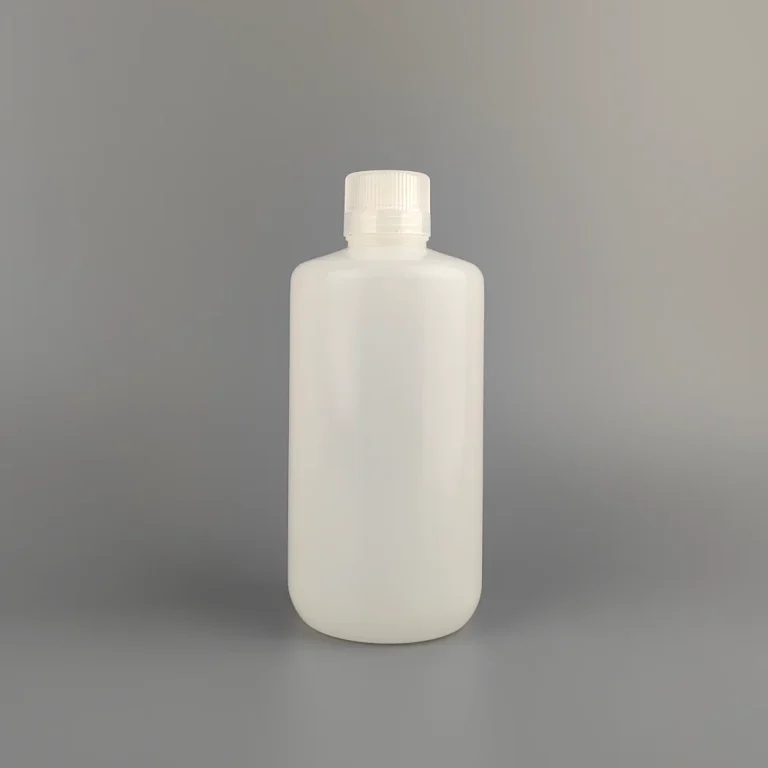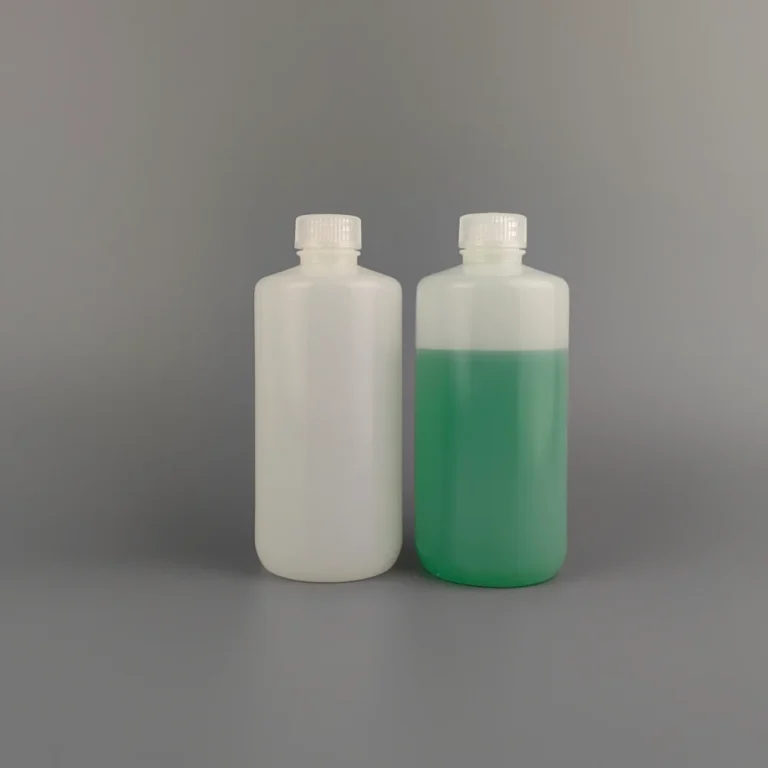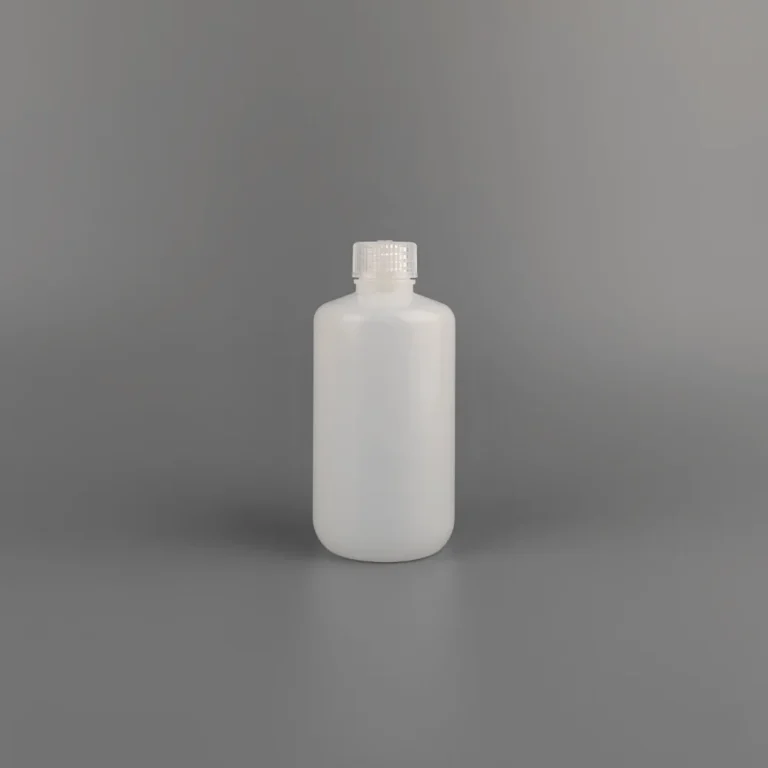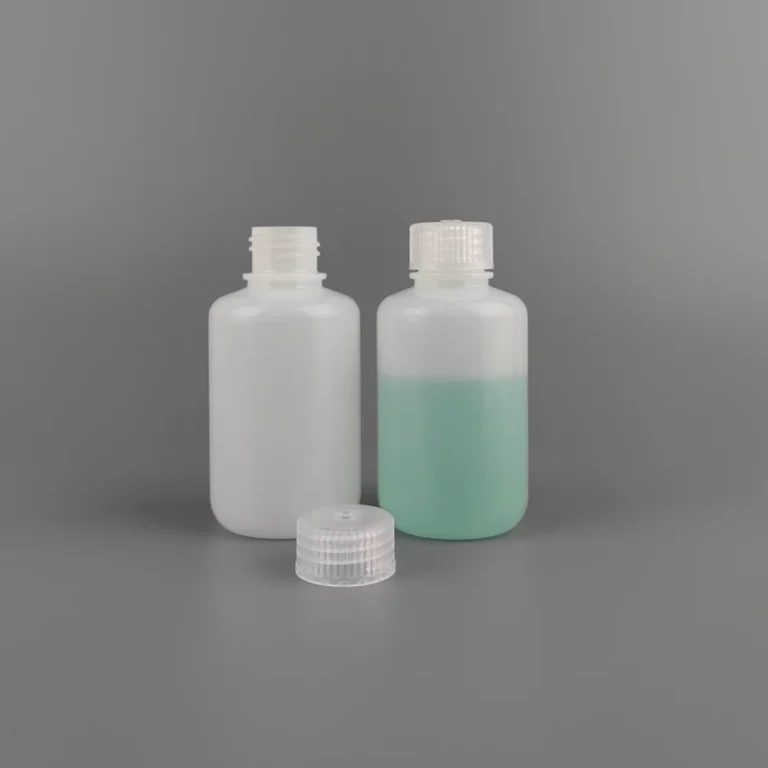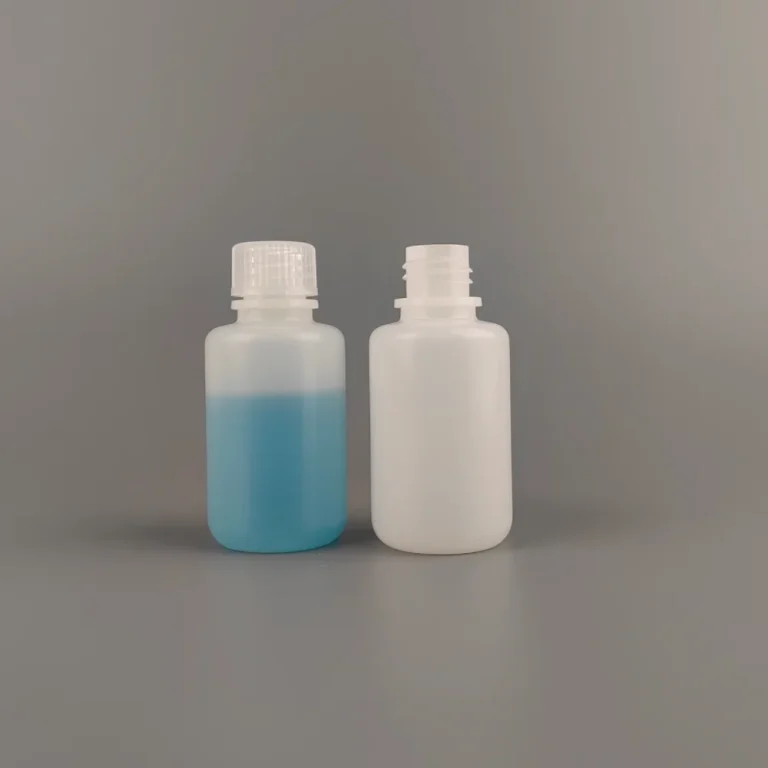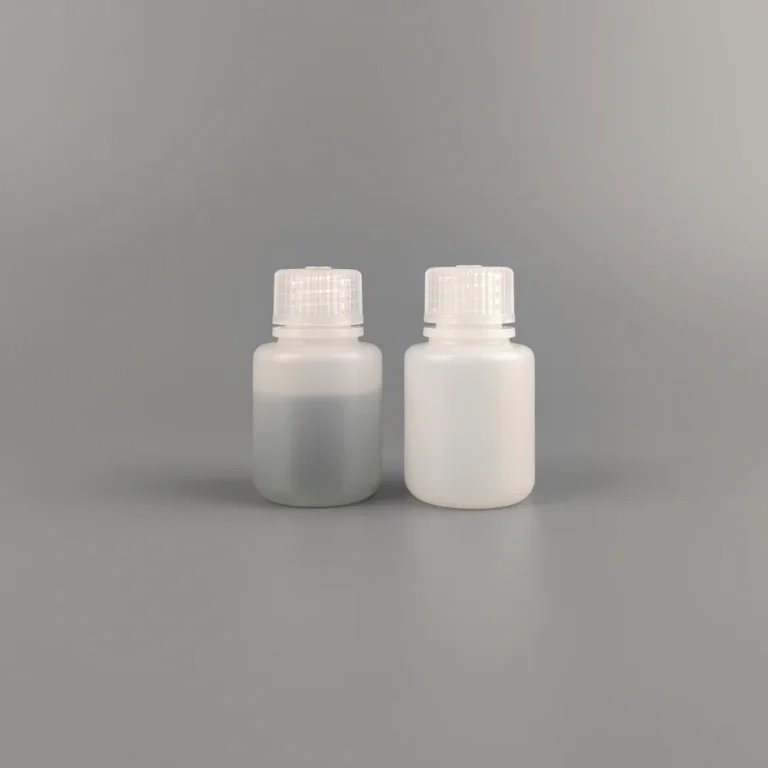
A sample container that performs well inside a controlled laboratory can fail within hours during field transportation. Environmental monitoring teams often encounter leaking caps, cracked bottle walls, or contaminated specimens after samples travel through high temperatures, freezing conditions, vibration, and prolonged outdoor exposure. In several cases, the analytical instrument was fully calibrated — but the stored sample was already compromised before reaching the lab.
Field storage and laboratory storage expose containers to very different stress conditions. Choosing the wrong container type can affect sample stability, reproducibility, and compliance documentation.
For laboratories, environmental testing companies, and industrial monitoring projects, storage container selection should be based on actual workflow conditions rather than general-purpose specifications.
Why Storage Conditions Change Container Requirements
Field sampling environments typically involve:
- Temperature fluctuations
- Mechanical vibration during transportation
- UV exposure
- Long transport times
- Limited refrigeration availability
- Outdoor contamination risks
Laboratory storage environments are usually more controlled:
- Stable temperature conditions
- Reduced vibration
- Controlled handling procedures
- Sterile workspaces
- Predictable storage cycles
As a result, container performance requirements differ significantly between field and laboratory use.
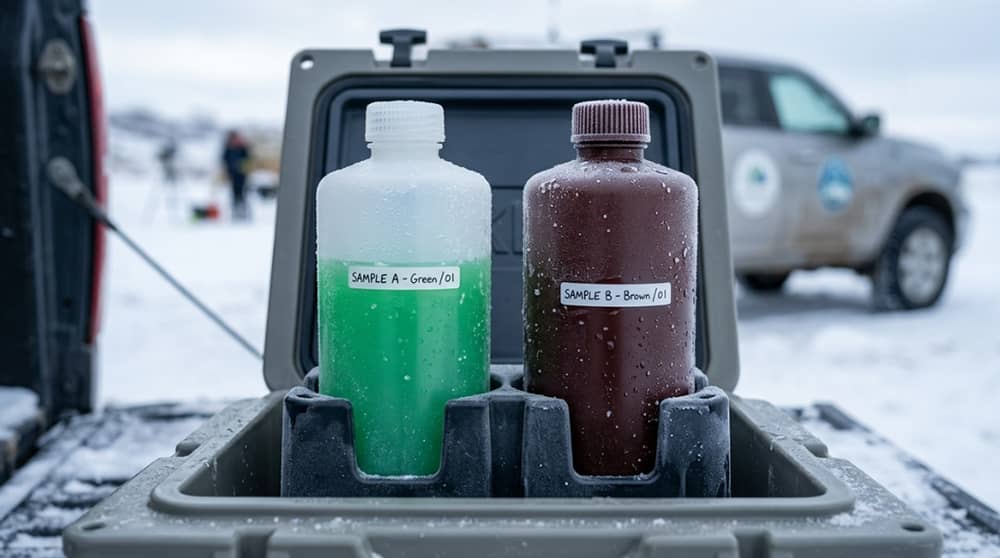
HDPE Containers for Field Sample Storage
HDPE (High-Density Polyethylene) containers are widely used in field operations because of their mechanical durability.
Typical field applications include:
- Environmental water sampling
- Wastewater collection
- Soil extract transport
- Agricultural runoff monitoring
- Industrial site inspections
Technical characteristics:
- High impact resistance
- Strong chemical compatibility
- Low moisture absorption
- Good performance during transport vibration
- Temperature resistance from -80°C to 121°C
Typical wall thickness specifications:
| Container Type | Wall Thickness |
| Standard field bottle | 1.5–2.5 mm |
| Heavy-duty transport container | 2.5–3.5 mm |
Technical Insights:
Thicker HDPE walls improve resistance to cracking during transportation and cold-chain movement.
PP Containers for Laboratory Sample Storage
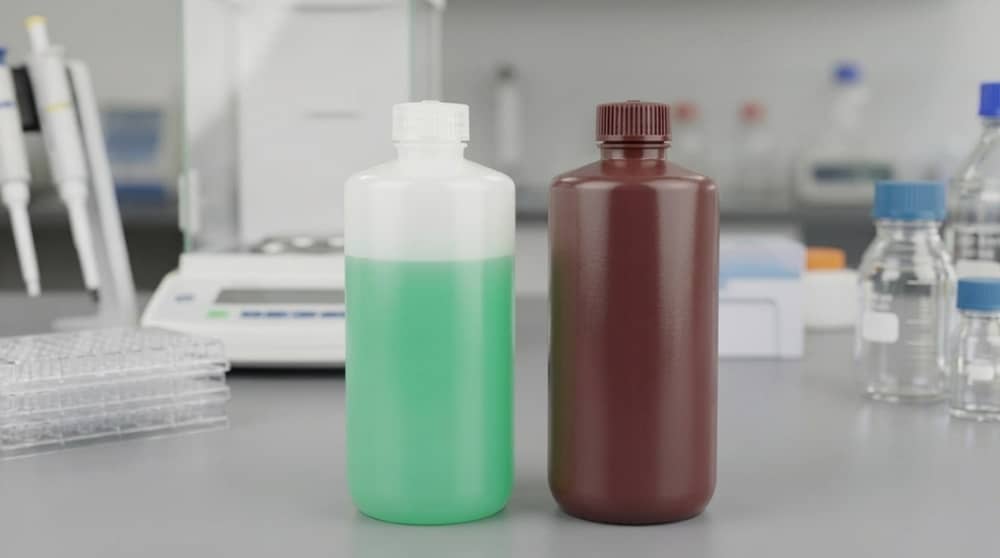
Polypropylene (PP) containers are commonly selected for controlled laboratory workflows.
Typical laboratory applications include:
- Sterile sample storage
- Biological sample preservation
- Molecular biology workflows
- Pharmaceutical testing
- Autoclavable storage systems
Technical characteristics:
- Autoclavable at 121°C
- Stable dimensions during thermal cycling
- Low extractable profile
- Compatible with sterile manufacturing processes
- Good centrifugation stability
Lab Tips:
PP containers are often preferred when samples require repeated sterilization or high-speed centrifugation.
Key Differences Between Field and Laboratory Storage Requirements
1. Mechanical Stress Levels
Field containers are exposed to:
- Vehicle vibration
- Impact during transport
- Repeated handling
- Outdoor movement
Laboratory containers generally experience:
- Controlled handling
- Stable storage conditions
- Lower transport frequency
Recommended design considerations:
| Storage Environment | Preferred Structure |
| Field conditions | Thick-wall HDPE |
| Laboratory conditions | Precision PP containers |
2. Leak-proof Design Requirements
Field storage places higher demands on sealing systems.
Reliable field container features include:
- Multi-thread cap design
- Reinforced sealing rings
- Torque-resistant closures
- Leak-proof liner systems
Common laboratory storage requirements focus more on:
- Sterility
- Easy sample access
- Repeated opening cycles
Common leak testing methods:
- Inverted storage testing
- Vibration simulation
- Pressure retention testing
- Freeze-thaw validation
Technical Insights:
Micro-leakage during transportation is one of the most common causes of sample integrity failure in field projects.
3. Temperature Exposure Conditions
Field samples may encounter:
- Direct sunlight
- Outdoor freezing
- Dry ice transportation
- Uncontrolled storage conditions
Laboratory samples are usually maintained within defined temperature ranges.
Recommended temperature resistance:
| Material | Temperature Resistance |
| HDPE | -80°C to 121°C |
| PP | -80°C to 121°C |
Lab Tips:
Temperature cycling causes repeated expansion and contraction of plastic materials. Poor molding consistency increases stress-cracking risk.
4. Centrifugation Requirements
Field containers are not always designed for centrifugation.
Laboratory storage tubes frequently require higher Max RCF performance.
Typical specifications:
| Container Type | Max RCF |
| Standard HDPE field bottle | Up to 5,000 × g |
| PP centrifuge storage tube | 8,000–20,000 × g |
Higher Max RCF tolerance depends on:
- Reinforced shoulder geometry
- Uniform wall thickness
- High-strength PP formulation
5. UV Resistance and Environmental Exposure
Field conditions often expose containers to prolonged sunlight.
Potential risks include:
- Surface degradation
- Reduced sealing performance
- Polymer brittleness
Recommended solutions:
- Opaque HDPE construction
- UV-stabilized resin
- Amber-colored containers for light-sensitive samples
Laboratory environments generally place lower emphasis on UV resistance.
Technical Specifications Comparison
| Specification | Field Storage Container | Laboratory Storage Container |
| Typical Material | HDPE | PP |
| Temperature Resistance | -80°C to 121°C | -80°C to 121°C |
| Wall Thickness | 1.5–3.5 mm | 0.8–2.5 mm |
| Leak-proof Design | Reinforced liner system | Precision sealing ring |
| Max RCF | Up to 5,000 × g | Up to 20,000 × g |
| UV Resistance | High priority | Moderate priority |
| Mechanical Durability | High | Medium to high |
| Sterility Focus | Moderate | High |
Common Storage Problems in Field and Laboratory Workflows
Field storage failures
Frequently caused by:
- Cap loosening during transport
- Thin-wall bottle cracking
- UV-related material degradation
- Temperature shock during shipment
Laboratory storage failures
Commonly linked to:
- Improper sterilization compatibility
- Deformation after autoclaving
- Centrifugation instability
- Sample contamination from extractables
Checklist: How to Select Containers Based on Storage Conditions
For field storage projects
- Thick-wall HDPE construction
- UV-resistant design
- Reinforced leak-proof cap system
- Impact-resistant geometry
- Temperature-validated materials
For laboratory storage workflows
- Medical-grade PP material
- Sterile packaging compatibility
- High Max RCF tolerance
- Autoclavable structure
- Low extractable profile
For mixed field-to-lab workflows
- Dual-purpose leak-proof system
- Freeze-thaw validated materials
- Uniform wall thickness
- Transport-certified packaging
From a Supplier’s Perspective: Why Workflow Matching Matters
Some laboratories purchase a single container format for all applications to simplify procurement. In practice, this often increases failure risk.
Field operations prioritize:
- Mechanical durability
- Transportation stability
- UV resistance
Laboratory workflows prioritize:
- Sterility
- Thermal stability
- Precision dimensional control
Matching container design to the actual workflow improves both sample integrity and operational efficiency.
JSBIO Lab Tips for Field and Laboratory Storage
Recommended for Environmental Field Sampling
- Thick-wall HDPE bottles
- Opaque UV-resistant designs
- Reinforced sealing liners
- Tamper-evident cap systems
Recommended for Laboratory Biological Storage
- Medical-grade PP tubes and bottles
- External-thread cryovials
- Autoclavable structures
- High Max RCF certified containers
Recommended for Transport Between Field and Lab
- Shock-resistant container geometry
- Leak-proof closure validation
- Cold-chain compatible materials
- Secondary containment packaging
Request Samples or Technical Support
Field and laboratory workflows often require different validation standards before procurement approval.
Option A — Request free samples for validation
Laboratories can test:
- Leak-proof performance
- Freeze-thaw resistance
- UV stability
- Transport vibration durability
- Centrifugation compatibility
Option B — Get a bulk quote and customization details
Available customization options may include:
- Custom bottle volumes
- Cap color coding
- Sterile packaging
- OEM labeling
- UV-resistant formulations
- Export carton optimization
- Customized wall thickness designs