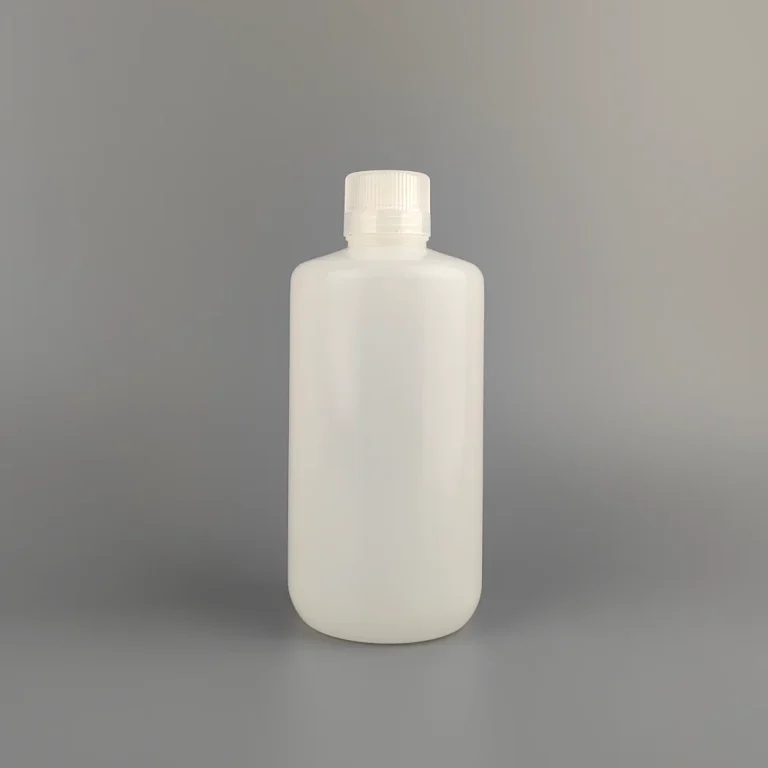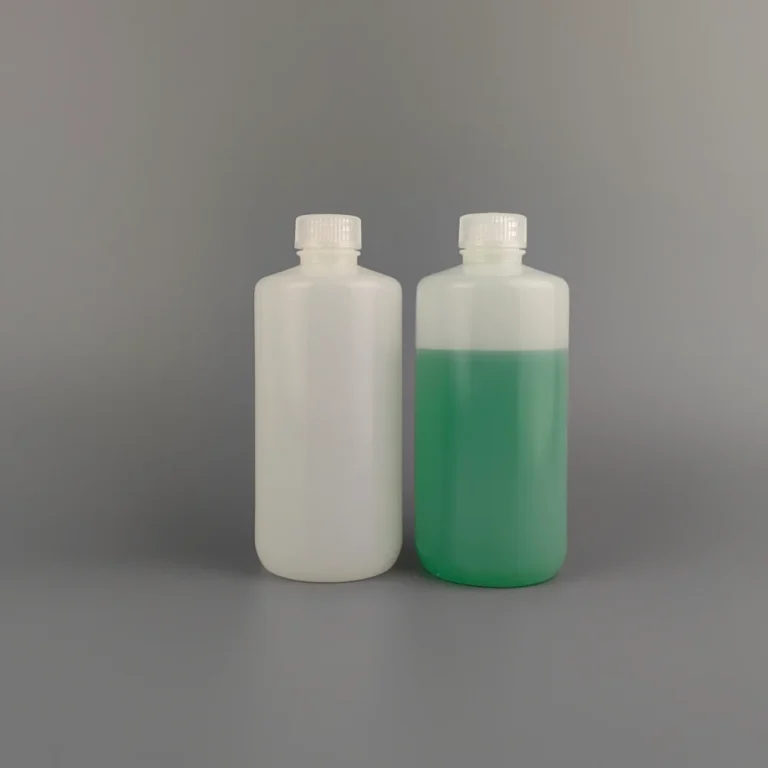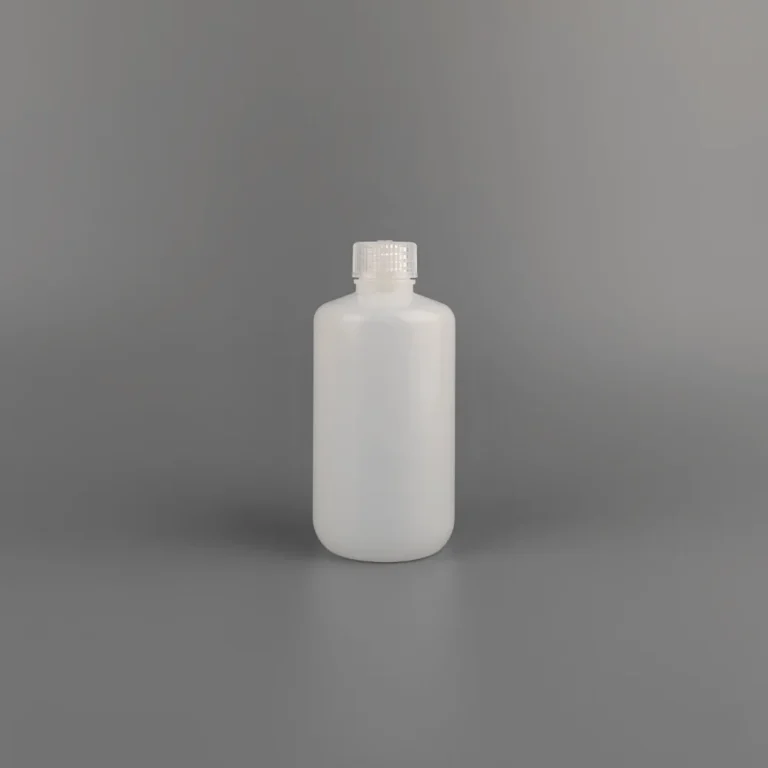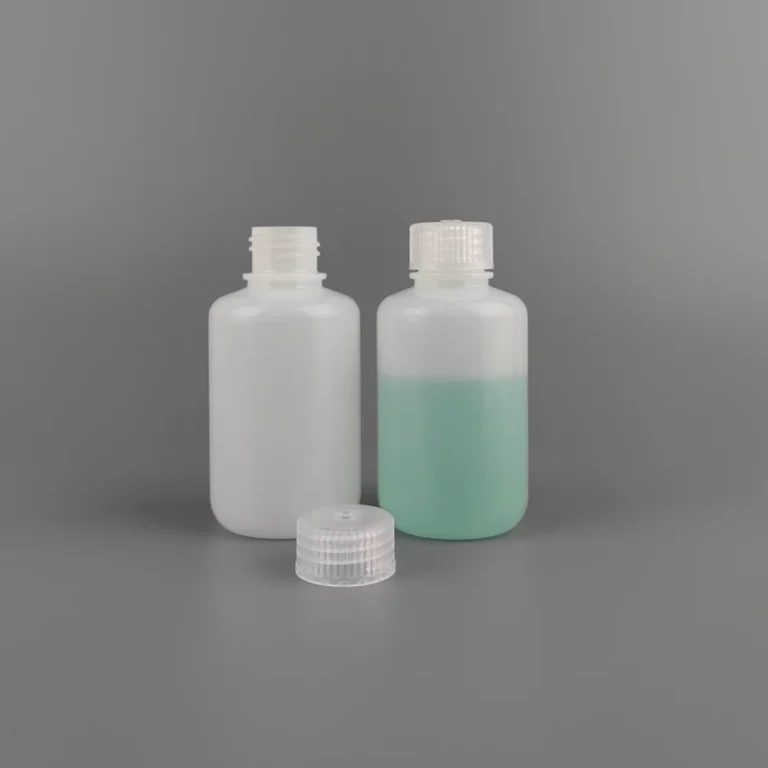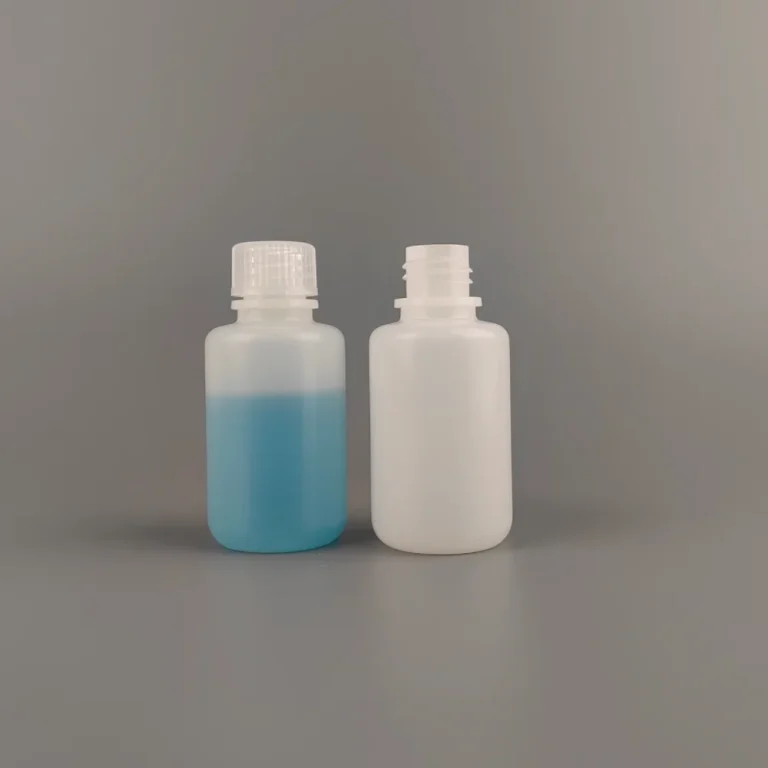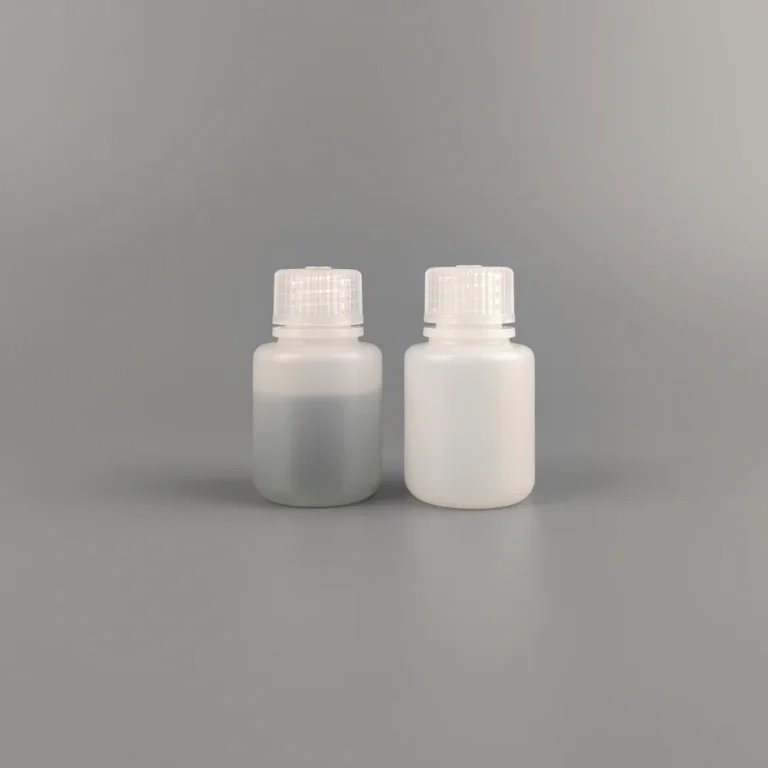
A biobank can lose years of stored research material because of one small failure point: the storage container cap. In long-term storage projects, sample degradation is not always caused by freezer malfunction. Micro-leakage, polymer brittleness at ultra-low temperatures, and inconsistent wall thickness are common reasons for sample loss during storage periods extending beyond 12 months.
For laboratories handling biological samples, environmental specimens, pharmaceutical intermediates, or chemical standards, the storage container becomes part of the preservation system itself.
Container material, sealing structure, temperature resistance, and mechanical stability all affect long-term sample integrity.
Why Long-Term Storage Requires Specialized Containers
Long-term storage conditions expose containers to multiple stress factors:
- Ultra-low temperatures
- Repeated freeze-thaw cycles
- Long-duration chemical contact
- Dry ice transportation
- Mechanical vibration during handling
- Extended storage under pressure differentials
General-purpose plastic containers may deform, crack, or lose sealing performance over time.
From a supplier’s perspective, container selection should be based on measurable technical specifications rather than short-term usability alone.
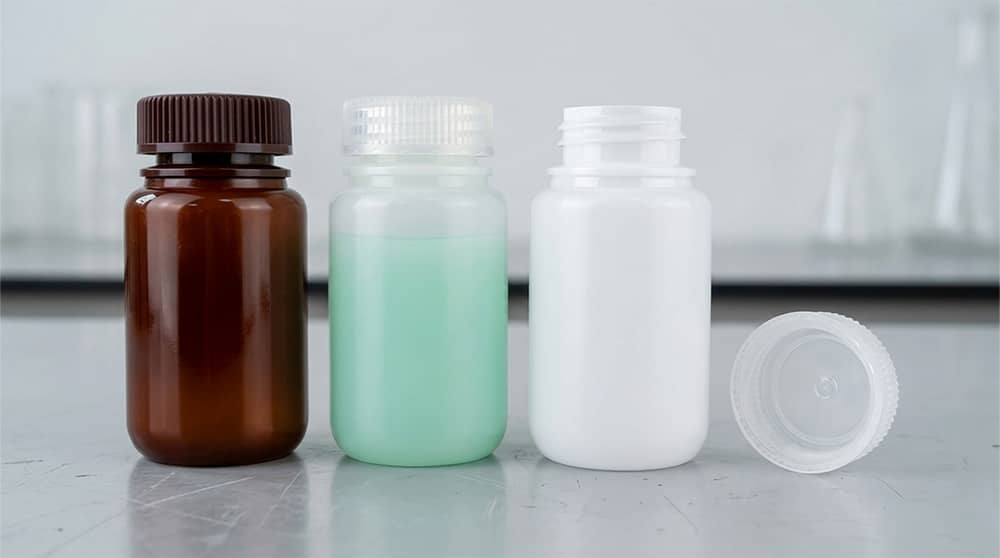
HDPE Containers for Long-Term Storage
HDPE (High-Density Polyethylene) containers are commonly used for:
- Environmental sample retention
- Chemical standard storage
- Bulk reagent preservation
- Waste sample archiving
Technical characteristics:
- Strong chemical resistance
- Low moisture absorption
- High impact resistance
- Stable structure under cold storage
- Temperature resistance from -80°C to 121°C
Typical applications:
| Sample Type | Recommended HDPE Format |
| Water samples | HDPE sampling bottle |
| Chemical reagents | HDPE reagent bottle |
| Environmental specimens | HDPE wide-mouth container |
| Bulk storage | HDPE carboy |
Technical Insights:
HDPE performs well in long-term chemical storage applications where resistance to acids, alkalis, and environmental stress cracking is critical.
Crucial Evaluation Factors for Long-Term Laboratory Sample Freezing Containers
Valuable laboratory samples often represent years of research and significant investment. Freezing these samples for long-term storage introduces extreme thermal and mechanical stresses that standard plastic bottles cannot withstand. To guarantee sample integrity and prevent costly loss, laboratory procurement and technical managers must evaluate five critical factors before selection.
1. Critical Evaluation: Thermal Range vs. Plastic Resin Type
Ignoring the operational thermal range is the single most common mistake in cryogenic storage. Standard laboratory plastics, such as Polypropylene (PP), are generally rated for -80°C but cannot be used at lower temperatures without significant risk. As the temperature drops, PP becomes extremely brittle, making it susceptible to impact shattering.
2. Crucial Evaluation: Chemical Compatibility with Adjuvants & Preservatives
Samples are rarely frozen as pure water. Most biological or chemical reagents contain adjuvants, preservatives, or stabilization agents that can interact with the plastic resin over years of storage. A plastic that is ‘chemically inert’ at room temperature may leached heavy metals or leachables under extreme cold stress, potentially contaminating the sample.
3. Crucial Evaluation: Sealing Performance Under Dynamic Thermal Cycling
Many containers pass pressure tests at room temperature but fail when frozen. This is because caps and bottles made of different plastics contract at different rates, potentially flattening liner seals and allowing volatile compounds to escape or air to enter. Over years, this causes sample evaporation, concentration shifts, or degradation.
PP Containers for Biological and Sterile Storage
Polypropylene (PP) containers are widely selected for:
- Cryogenic sample storage
- DNA/RNA preservation
- Cell banking
- Sterile pharmaceutical workflows
Technical characteristics:
- Autoclavable at 121°C
- Good dimensional stability
- Low extractable profile
- High tolerance to thermal cycling
- Compatible with sterile manufacturing environments
Common formats include:
| Container Type | Typical Application |
| Cryogenic vial | Cell storage |
| PP centrifuge tube | Sample aliquoting |
| Sterile PP bottle | Media storage |
| Screw-cap PP tube | Long-term biological retention |
Lab Tips:
Medical-grade PP is generally preferred for long-term biological sample preservation because of its stability during freeze-thaw cycles.
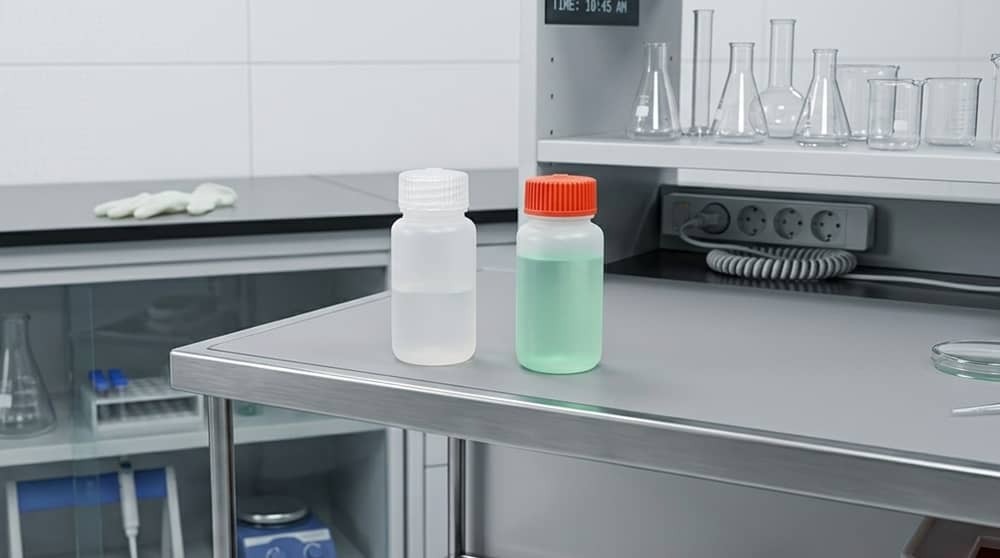
Key Factors When Choosing Long-Term Storage Containers
1. Temperature Resistance Is the First Screening Standard
Long-term storage often involves:
- -20°C freezer storage
- -80°C ultra-low freezers
- Liquid nitrogen vapor phase storage
- Steam sterilization before use
Recommended operating range for laboratory-grade HDPE and PP:
| Material | Temperature Resistance |
| HDPE | -80°C to 121°C |
| PP | -80°C to 121°C |
Technical Insights:
Low-grade plastics may become brittle below -20°C, increasing crack risk during handling.
2. Wall Thickness Consistency Directly Affects Durability
Uneven wall thickness creates stress concentration points during freezing and thawing.
Wall thickness influences:
- Structural integrity
- Impact resistance
- Freeze-thaw performance
- Dimensional stability
Typical specifications:
| Container Type | Wall Thickness |
| Cryovial | 0.8–1.2 mm |
| Reagent bottle | 1.5–2.8 mm |
| Bulk storage container | 2.5–3.5 mm |
From a manufacturing perspective, controlled injection molding parameters are essential for reducing thickness variation.
3. Leak-proof Design Must Remain Stable Over Time
A cap that seals properly during initial use may still fail after months of thermal cycling.
Reliable leak-proof systems typically include:
- Precision threaded closures
- Silicone or TPE sealing rings
- Reinforced cap geometry
- Torque-controlled sealing design
Common validation methods:
- Vacuum leak testing
- Inverted storage testing
- Pressure retention analysis
- Freeze-thaw cycle testing
Technical Insights:
External-thread cryovials reduce contamination risk around sealing areas compared to internal-thread structures.
4. Evaluate Chemical Compatibility for Extended Exposure
Long-term storage increases interaction time between samples and polymer surfaces.
Important considerations include:
- Solvent compatibility
- pH tolerance
- Adsorption risk
- Extractable profile
HDPE is commonly preferred for aggressive chemical storage, while PP is often selected for biological applications requiring sterile conditions.
5. Confirm Centrifugation Stability If Samples Require Processing
Many stored samples undergo centrifugation before or after preservation.
Container performance should include Max RCF verification.
| Container Type | Max RCF |
| Standard PP storage tube | 8,000–12,000 × g |
| Reinforced centrifuge tube | Up to 20,000 × g |
| HDPE storage bottle | Up to 5,000 × g |
Higher Max RCF tolerance depends on:
- Uniform wall thickness
- Reinforced base structure
- High-strength polymer formulation
Technical Specifications Comparison
| Specification | HDPE Long-Term Storage Container | PP Long-Term Storage Container |
| Material Type | High-Density Polyethylene | Polypropylene |
| Temperature Resistance | -80°C to 121°C | -80°C to 121°C |
| Chemical Resistance | Excellent | Strong |
| Wall Thickness Range | 1.5–3.5 mm | 0.8–2.5 mm |
| Leak-proof Design | Threaded cap + liner | Threaded cap + sealing ring |
| Max RCF | Up to 5,000 × g | Up to 20,000 × g |
| Autoclavable | Limited repeated cycles | Suitable for repeated cycles |
| Typical Applications | Chemical and environmental storage | Biological and sterile storage |
Common Problems Seen in Long-Term Storage Projects
Cap leakage after repeated freeze-thaw cycles
Thermal contraction can gradually weaken poorly designed sealing systems.
Cracking during ultra-low temperature storage
Thin-wall structures are more vulnerable at -80°C.
Sample contamination from extractables
Low-quality plastics may release additives during prolonged storage.
Label detachment in frozen conditions
Improper label materials may fail during freezer storage or condensation exposure.
Checklist: What Procurement Teams Should Verify Before Bulk Purchasing
Material validation
- Medical-grade PP or laboratory-grade HDPE
- Chemical compatibility documentation
- Low extractable verification
Structural consistency
- Uniform wall thickness
- Reinforced shoulder and base geometry
- Dimensional tolerance control
Leak-proof testing
- Vacuum testing
- Freeze-thaw validation
- Pressure simulation
Sterility requirements
- DNase/RNase-free certification
- Pyrogen-free production
- Gamma sterilization compatibility
Packaging stability
- Cleanroom packaging
- Export carton durability
- Moisture-resistant labeling
From a Supplier’s Perspective: Why Batch Consistency Matters
For long-term storage projects, laboratories often prioritize consistency over appearance.
Critical manufacturing factors include:
- Resin stability between batches
- Mold precision
- Automated leak testing
- Controlled cooling parameters
- Traceable production records
Inconsistent molding conditions can produce dimensional variation that only becomes visible after extended freezer storage.
JSBIO Lab Tips for Long-Term Sample Preservation
Recommended for Biological Samples
- Medical-grade PP cryovials
- External-thread sealing systems
- Reinforced cap structures
Recommended for Chemical Standards
- Thick-wall HDPE reagent bottles
- Chemical-resistant liner systems
- Opaque designs for light-sensitive materials
Recommended for Ultra-Low Temperature Storage
- Uniform wall thickness containers
- Low-temperature validated polymers
- Impact-resistant base geometry
Request Samples or Technical Support
Long-term storage validation should be tested under actual laboratory conditions before large-scale procurement.
Option A — Request free samples for validation
Laboratories can evaluate:
- Freeze-thaw resistance
- Leak-proof performance
- Chemical compatibility
- Low-temperature stability
- Centrifugation tolerance
Option B — Get a bulk quote and customization details
Available customization options may include:
- Custom container volumes
- Cap color identification
- Cryogenic labeling areas
- Sterile packaging
- OEM branding
- Export packaging optimization
- Customized wall thickness specifications