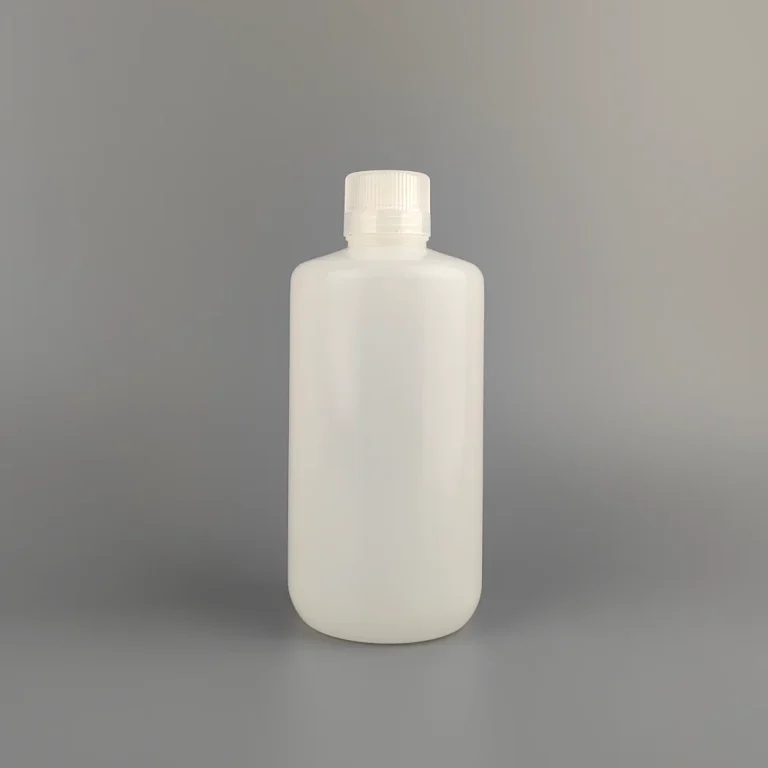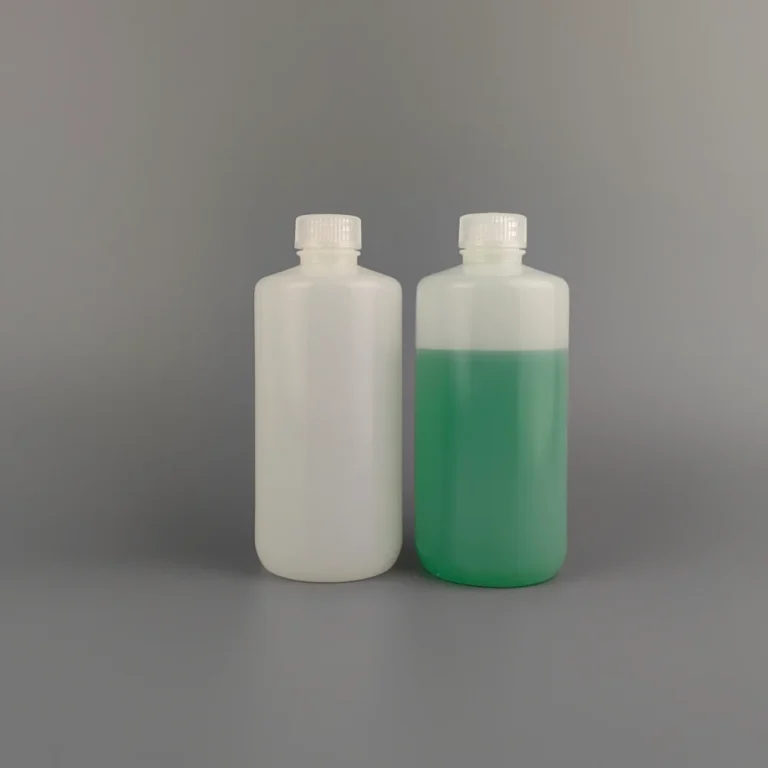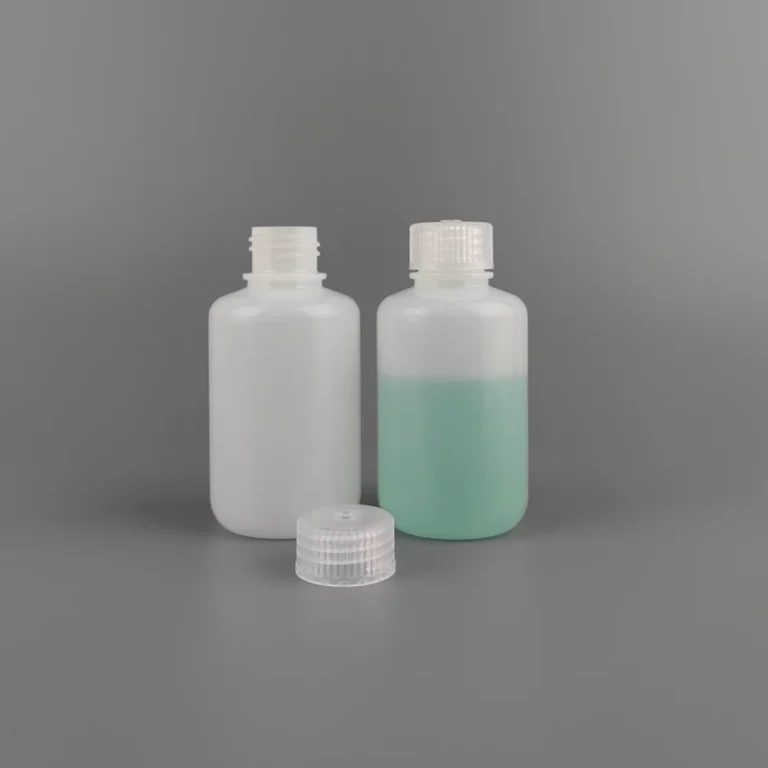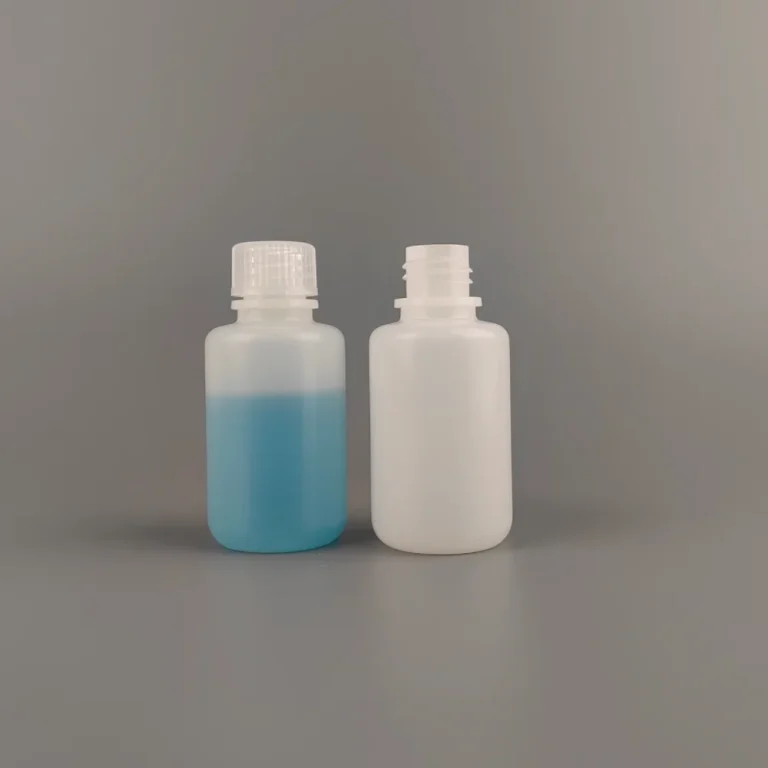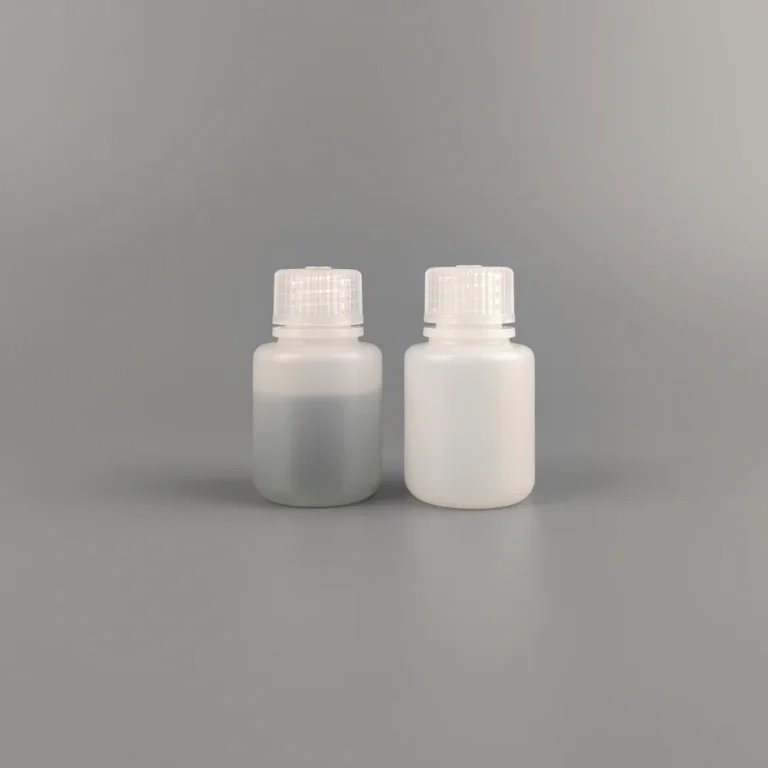
If a tube warps after autoclaving at 121°C, the cap torque drops and sealing fails. The next run looks fine—until micro-leakage introduces contamination. At the other extreme, a bottle that survives -20°C may crack at -80°C during transfer because the wall thickness is uneven and stress concentrates at the shoulder.
From 15 years at JSBIO, temperature failures are rarely about “extreme conditions.” They are about material behavior + wall thickness control + sealing design acting together across cycles.
Technical Insights: What “Temperature Tolerance” Means in Practice
Temperature tolerance is not just a range on a datasheet. It includes:
- Elastic behavior at low temperature (brittleness vs flexibility)
- Dimensional stability at high temperature (softening, creep)
- Seal integrity across cycles (cap torque + gasket compression)
- Performance under load (centrifugation during/after temperature exposure)
For polypropylene (PP) containers used in labs, typical validated parameters are:
- Temperature Range: -80°C to 121°C
- Autoclavable: Yes (standard 121°C cycles)
- Max RCF: up to 15,000–20,000 × g (structure-dependent)
- Wall Thickness: controlled, uniform distribution
- Sealing: multi-thread + leak-proof gasket
How PP Behaves Across Temperature Zones
Ultra-Low Temperature (-80°C)
Key risks:
- Material embrittlement
- Stress cracking at weak geometry points
- Seal loosening due to shrinkage
Design controls:
- Uniform Wall Thickness to avoid stress concentration
- Reinforced shoulder and base
- Thread tolerance matched to low-temperature contraction
Observed result: reduced crack initiation during transfer and handling.
Refrigeration (2–8°C) and Ambient
This is the most stable zone for PP:
- No structural deformation
- Stable sealing performance
- No significant material change
Failures here usually indicate upstream design issues (wall thickness or cap fit).
Elevated Temperature (Autoclaving at 121°C)
Key risks:
- Softening leading to deformation
- Cap torque loss after cooling
- Gasket relaxation
JSBIO design considerations:
- Heat-resistant PP grade
- Controlled wall thickness to resist creep
- Leak-proof gasket design that maintains compression after thermal cycling
Practical outcome: consistent sealing after repeated autoclave cycles.
Interaction Between Temperature and Centrifugation
Temperature exposure affects centrifuge performance.
After high-temperature cycles:
- Material stiffness may decrease
- Thread engagement may shift slightly
After low-temperature storage:
- Brittleness increases
- Impact resistance drops
Typical validated parameter:
- Max RCF: up to 15,000 × g (standard PP centrifuge tubes)
This value assumes proper wall thickness and geometry—not just material type.
Role of Wall Thickness in Temperature Stability
Wall thickness is a primary control variable.
Effects:
- Too thin: deformation at 121°C, cracking at -80°C
- Too thick (uneven): internal stress buildup
JSBIO approach:
- Uniform wall thickness distribution
- Local reinforcement at stress zones (base, thread)
- Process control during molding to reduce variation
Temperature tolerance improves when thickness is consistent, not just thicker.
Sealing Performance Across Temperature Cycles
Temperature cycling directly affects sealing:
- Expansion at high temperature
- Contraction at low temperature
- Repeated stress on threads and gasket
Key design features:
- Multi-thread closure for even load distribution
- Integrated leak-proof gasket resistant to compression set
- Torque-controlled cap design
Test observations:
- No leakage after inversion post-autoclave
- Stable seal after -80°C storage and thaw
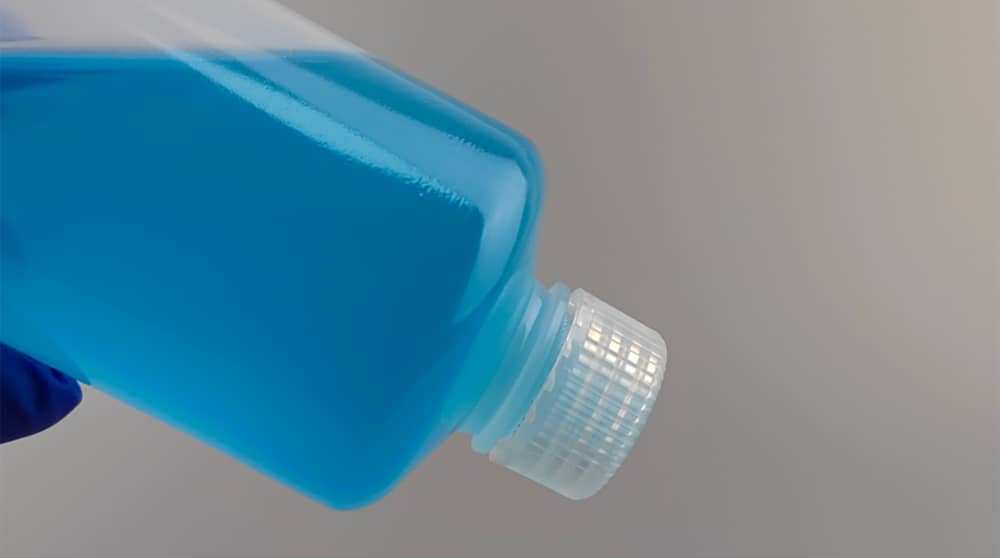
Technical Specifications Comparison
| Parameter | Polypropylene (PP) | HDPE |
| Temperature Range | -80°C to 121°C | -50°C to 110°C |
| Autoclavable | Yes | Limited |
| Max RCF | Up to 20,000 × g | Low |
| Low-Temp Performance | Stable (with proper design) | Moderate |
| High-Temp Stability | Good (121°C cycles) | Limited |
| Wall Thickness Control | High precision | Medium |
| Leak-proof Design | Advanced (gasket + thread) | Standard |
| Structural Stability | High | Moderate |
PP provides a wider usable temperature window for mixed lab workflows.
Lab Tips: Selecting PP Containers for Temperature Demands
✔ Verify full temperature range (-80°C to 121°C)
✔ Check if design supports repeated autoclaving
✔ Confirm Max RCF if centrifugation follows temperature exposure
✔ Evaluate wall thickness consistency (not just nominal value)
✔ Ensure leak-proof gasket is compatible with thermal cycling
✔ Avoid mixing different container types across temperature steps
Common Failure Patterns in Labs
- Using non-uniform wall containers at -80°C → cracking
- Repeated autoclaving without checking seal integrity
- Over-tightening caps before freezing → stress buildup
- Switching from cold storage directly to high temperature
- Ignoring centrifugation limits after thermal exposure
These issues often appear after multiple cycles, not in first use.
From a Supplier’s Perspective
Temperature tolerance is not solved by selecting “PP” alone.
In OEM projects, we typically adjust:
- Wall thickness distribution based on temperature profile
- Cap thread geometry for thermal expansion control
- Gasket material for compression recovery
- Structural reinforcement for target Max RCF
Two PP containers with the same stated range can perform differently depending on these factors.
Practical Selection Checklist
Before confirming a PP container:
✔ Is the temperature range validated (-80°C to 121°C)?
✔ Is wall thickness uniform and controlled?
✔ Does sealing include a leak-proof gasket?
✔ Is Max RCF specified for your application?
✔ Has performance been tested after repeated thermal cycles?
✔ Is the container designed for both freezing and autoclaving if required?
CTA (For Procurement Decision)
If you are evaluating PP containers for temperature-critical applications:
A. Request free samples for validation
→ Test freezing, autoclaving, and centrifugation under your actual workflow
B. Get a bulk quote and customization details
→ Optimize wall thickness, sealing design, and structure for your temperature profile
If you can share your temperature cycle (e.g., -80°C storage → thaw → centrifuge → autoclave), I can map it to specific container specifications and design parameters.