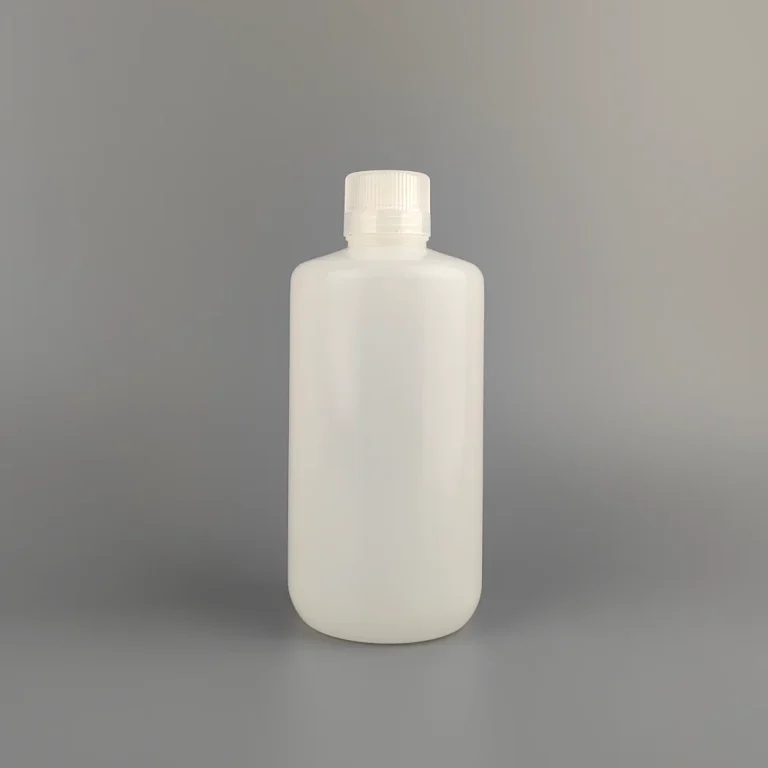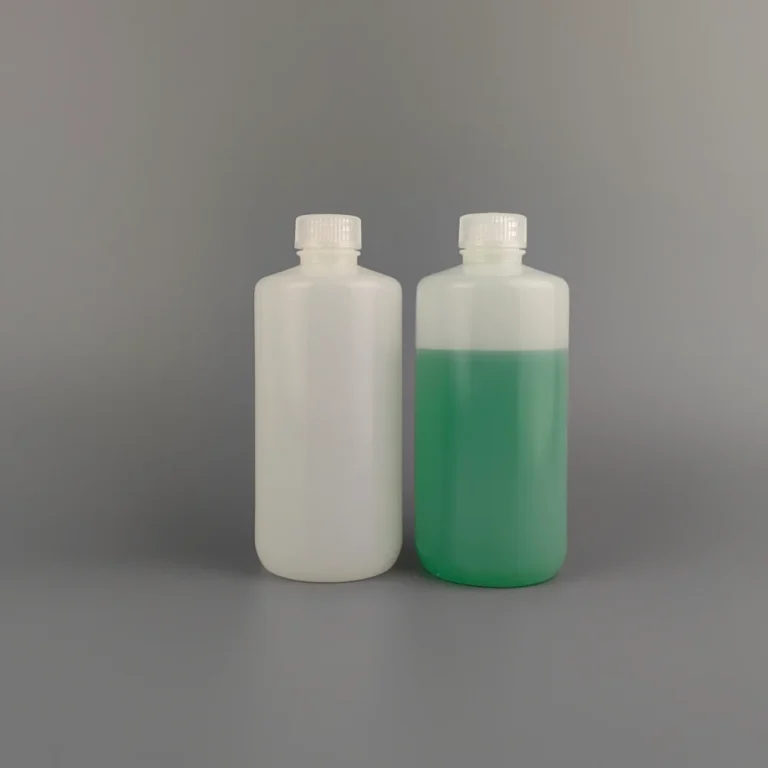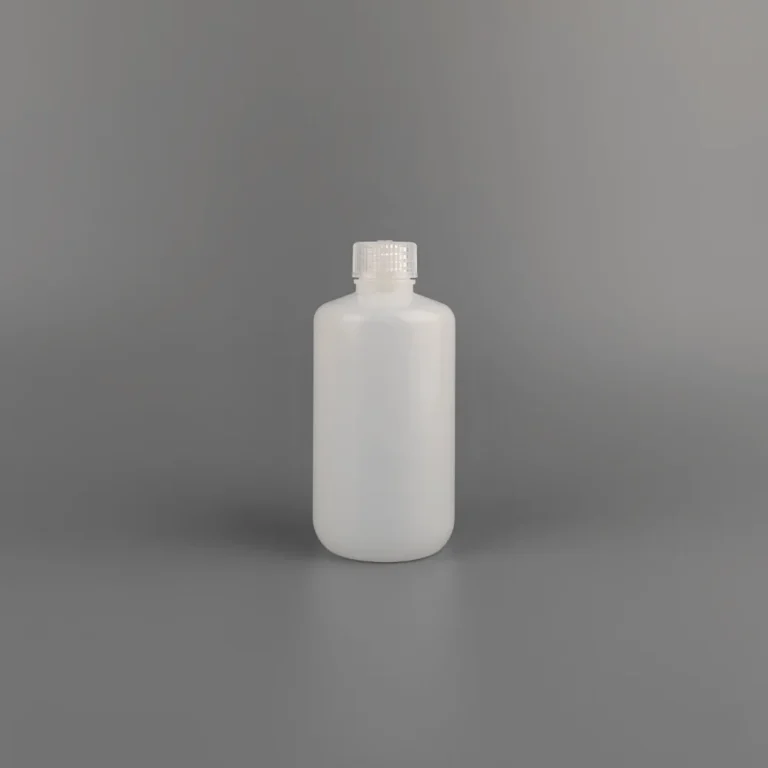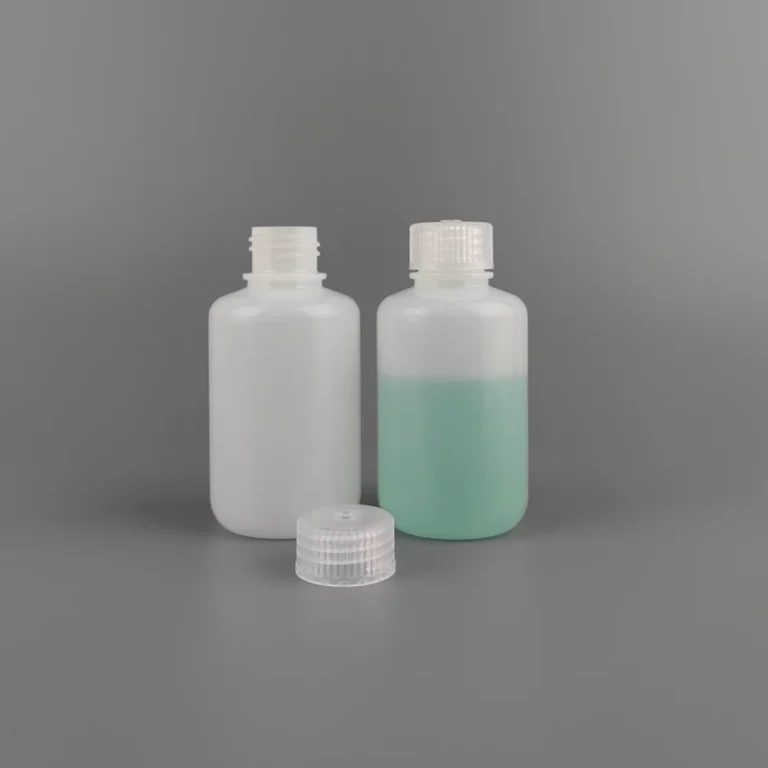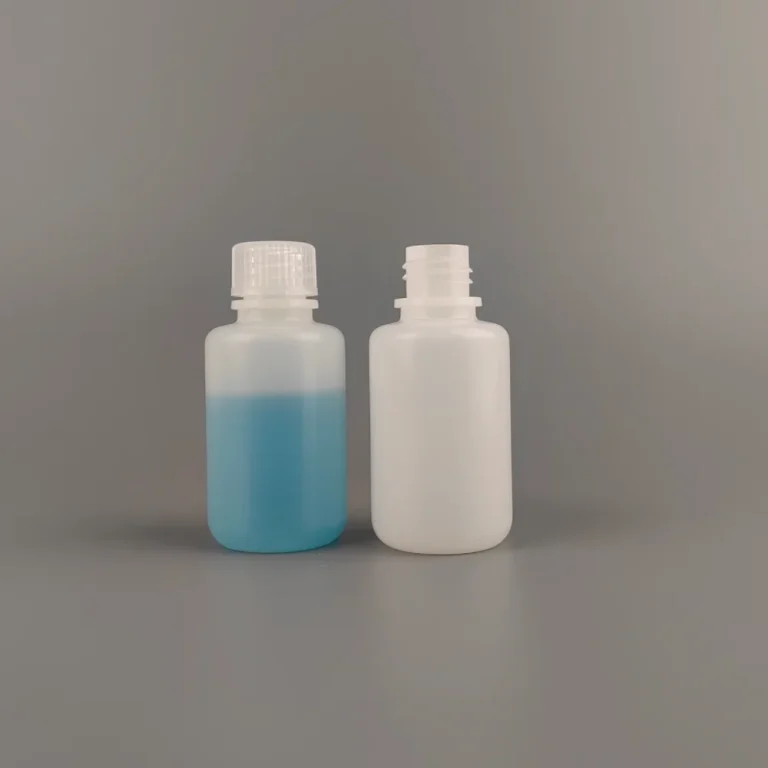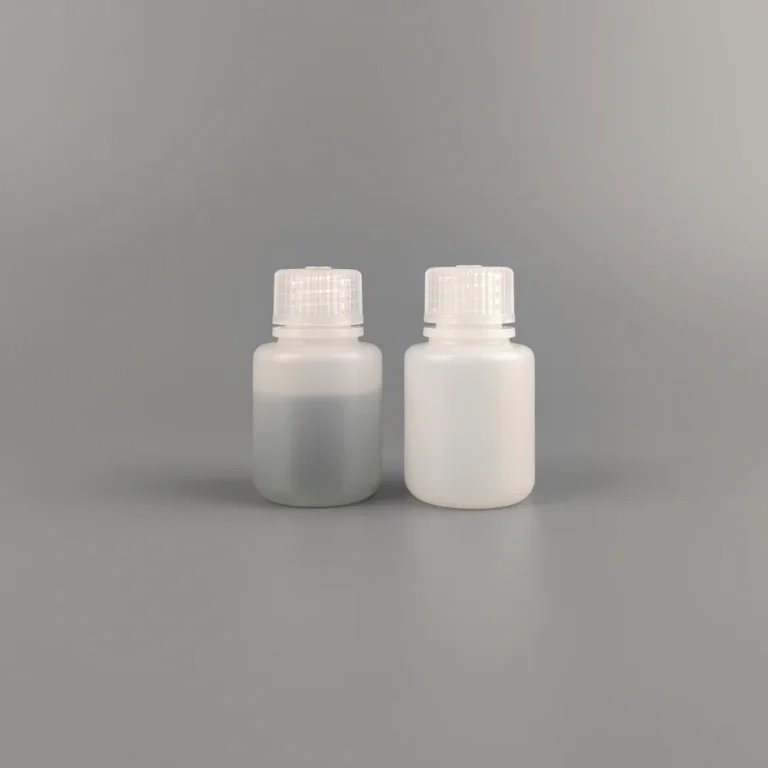
A soil sample collected correctly in the field can still become unusable before it reaches the laboratory. Moisture loss during transport may change nutrient concentration. Poor sealing can introduce airborne contamination. A container exposed to heat inside a vehicle may alter microbial activity within hours. In environmental and agricultural testing, storage conditions directly affect analytical reliability.
From a supplier’s perspective, soil sample storage is not just about “holding material.” The container must maintain sample stability, moisture balance, contamination control, and structural integrity from collection to analysis.
At JSBIO, we typically evaluate five critical factors:
- Material compatibility (PP / HDPE)
- Wall thickness consistency
- Leak-proof sealing performance
- Temperature tolerance (-80°C to 121°C)
- Environmental exposure resistance
Why Soil Sample Storage Conditions Matter
Soil samples are sensitive to:
- Moisture changes
- Oxygen exposure
- Temperature fluctuation
- UV exposure
- Chemical contamination
Storage errors may affect:
- Heavy metal analysis
- Organic matter testing
- Microbial activity studies
- Nutrient concentration results
- pH measurements
Inconsistent storage often creates inconsistent laboratory data.
Core Requirements for Soil Sample Storage
1. Chemical Compatibility of the Container
The container itself should not react with the sample.
Recommended Materials
| Material | Typical Use | Performance |
| HDPE | Environmental & agricultural testing | High chemical resistance |
| PP | Biological & microbial studies | Better temperature stability |
| Glass | VOC analysis | High chemical inertness |
Technical Insights
HDPE is widely used because it resists:
- Acids
- Bases
- Moisture exposure
- Field handling stress
PP is preferred when:
- Samples require freezing
- Sterile handling is necessary
- DNA/RNA extraction is involved
2. Leak-Proof Sealing Design
Poor sealing changes soil composition over time.
Common Risks
- Moisture evaporation
- Cross-contamination
- Loss of volatile compounds
- Sample oxidation
JSBIO storage containers use:
- Multi-thread cap systems
- Integrated leak-proof gasket design
- Torque-stable closures
This improves sealing consistency during transport and long-term storage.
3. Temperature Stability
Different soil studies require different storage temperatures.
Typical Temperature Conditions
| Application | Storage Temperature |
| Routine agricultural testing | Ambient to 4°C |
| Microbial analysis | -20°C |
| Long-term biological storage | -80°C |
| Sterile workflows | 121°C sterilization |
Material Performance
PP Containers
- Temperature Range: -80°C to 121°C
- Better for freezing and sterilization
HDPE Containers
- Temperature Range: -50°C to 110°C
- Suitable for routine environmental storage
4. Wall Thickness Consistency
Wall thickness is often ignored during procurement, but it directly affects storage reliability.
Thin or Uneven Walls May Cause:
- Cracking during transport
- Seal instability
- Temperature stress deformation
- Increased moisture permeability
JSBIO manufacturing control focuses on:
- Uniform wall thickness distribution
- Reinforced shoulder and base areas
- Consistent molding tolerances
This improves durability in field applications.
5. UV and Outdoor Exposure Resistance
Field sampling frequently involves outdoor exposure.
UV Exposure Risks
- Plastic degradation
- Increased internal temperature
- Changes in microbial activity
Recommended controls:
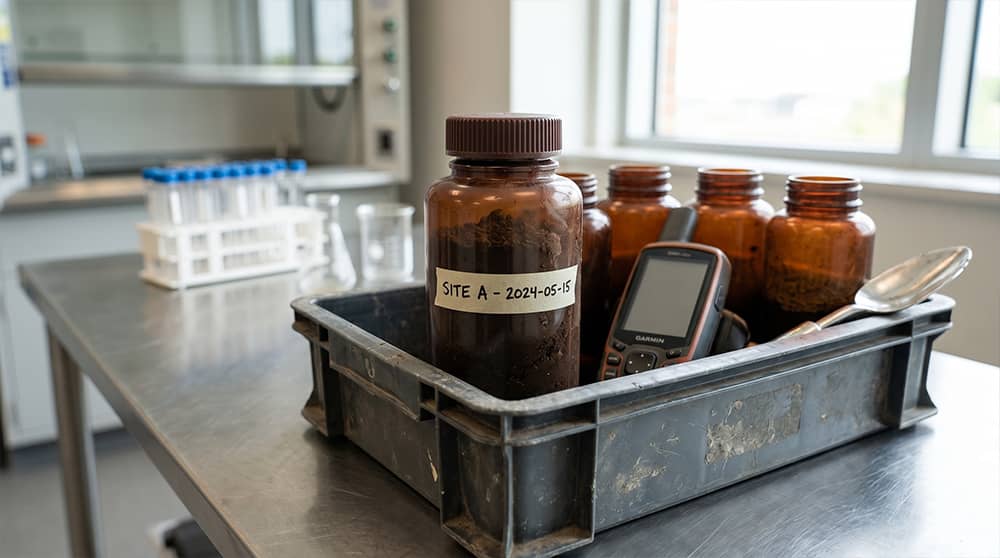
✔ Use opaque containers
✔ Minimize direct sunlight exposure
✔ Select UV-stabilized materials when needed
HDPE generally performs well for outdoor sampling due to its impact resistance and stability.
PP vs HDPE for Soil Sample Storage
Polypropylene (PP)
Typical Specifications
- Temperature Range: -80°C to 121°C
- Max RCF: up to 15,000–20,000 × g
- High wall thickness precision
- Advanced leak-proof sealing
Best For
- Biological soil analysis
- DNA/RNA extraction
- Sterile workflows
- Long-term frozen storage
High-Density Polyethylene (HDPE)
Typical Specifications
- Temperature Range: -50°C to 110°C
- Max RCF: Low
- High impact resistance
- Strong chemical resistance
Best For
- Environmental testing
- Agricultural soil collection
- Field transport
- Bulk sampling projects
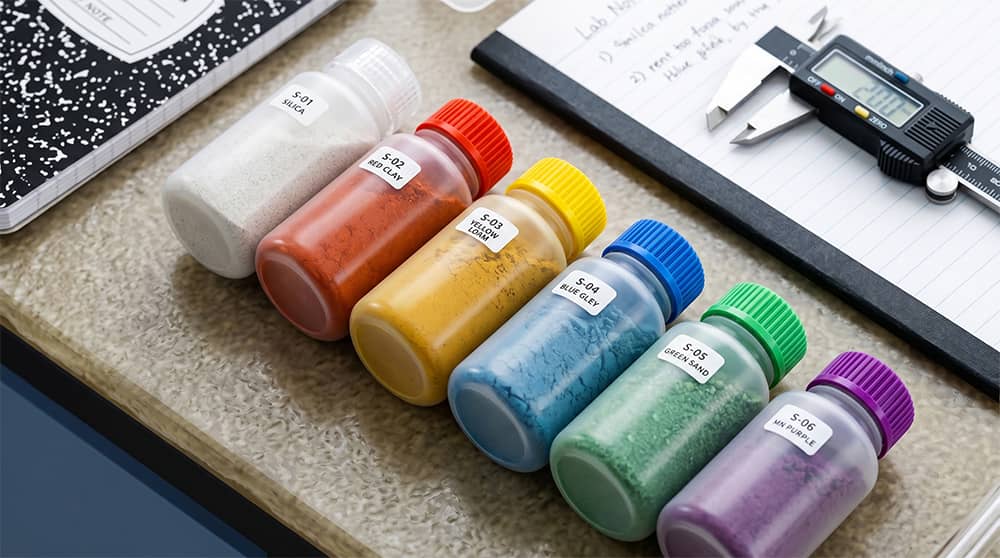
Technical Specifications Comparison
| Parameter | PP Containers | HDPE Containers |
| Temperature Range | -80°C to 121°C | -50°C to 110°C |
| Chemical Resistance | High | Very High |
| Leak-proof Design | Advanced gasket + thread | Optional gasket |
| Wall Thickness Control | High precision | Medium |
| UV Resistance | Moderate | Moderate–High |
| Impact Resistance | High | Very High |
| Max RCF | Up to 20,000 × g | Low |
| Suitable for Frozen Storage | Yes | Limited |
| Suitable for Field Sampling | High | Very High |
Lab Tips for Soil Sample Storage
Checklist Before Storage
✔ Select chemically compatible materials
✔ Use leak-proof sealing systems
✔ Match temperature range to application
✔ Avoid prolonged UV exposure
✔ Verify wall thickness consistency
✔ Use sterile containers for microbial testing
✔ Label samples immediately after collection
Common Storage Mistakes
Using Food Containers Instead of Lab Containers
Food-grade plastic may introduce contaminants or sealing instability.
Reusing Old Sample Bottles
Residual contamination affects analytical accuracy.
Poor Temperature Control During Transport
Heat exposure can rapidly change biological activity in soil samples.
Using Thin-Wall Containers in Field Conditions
Transport vibration increases cracking risk.
From a Supplier’s Perspective
The material alone does not determine storage performance.
For OEM soil sampling projects, we typically optimize:
- HDPE or PP material grade
- Wall thickness distribution
- Gasket material compatibility
- UV-resistant additives
- Cap torque consistency
Two containers made from the same polymer can behave very differently depending on manufacturing precision.
Practical Selection Checklist
Before purchasing soil sample containers, verify:
✔ What type of soil analysis will be performed?
✔ Is freezing or sterilization required?
✔ Is long-distance transport involved?
✔ Does the container include a leak-proof gasket?
✔ Is UV exposure expected during collection?
✔ Is contamination control critical for the analysis?