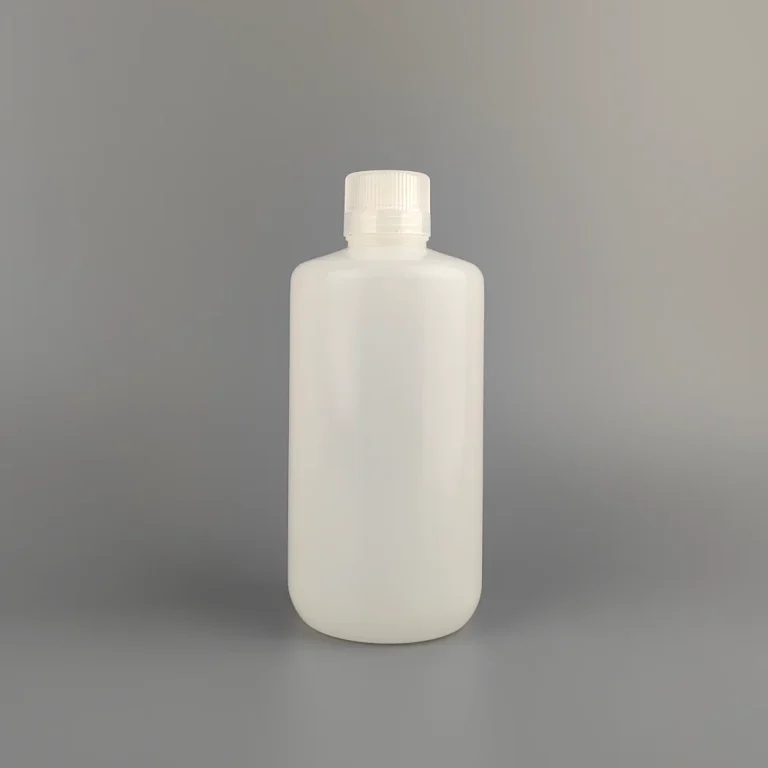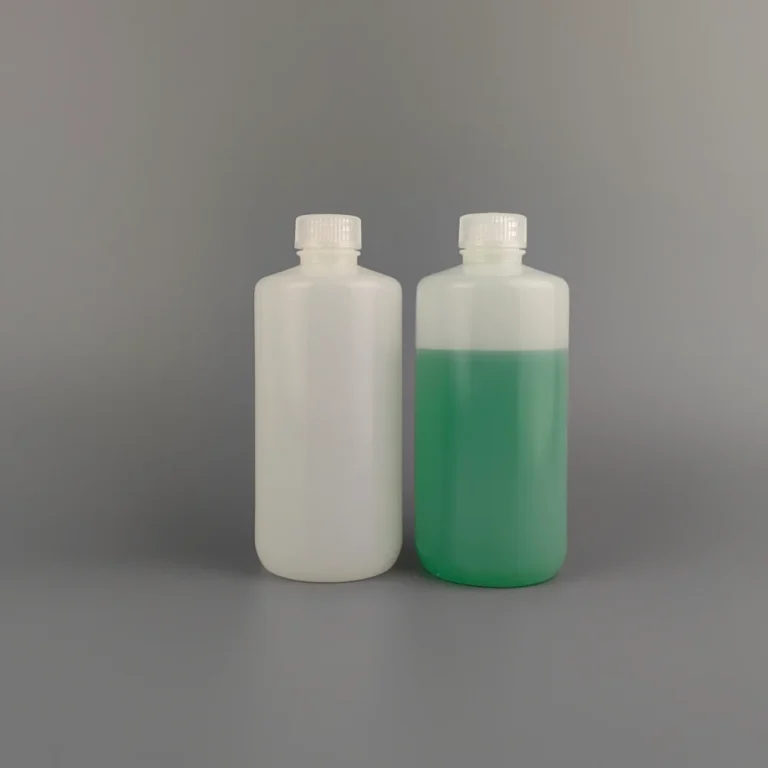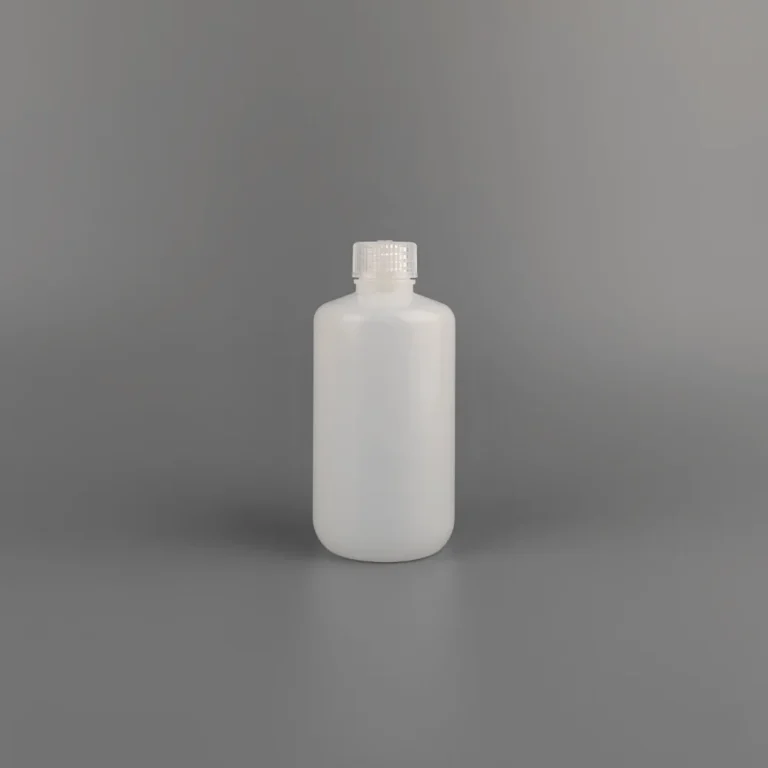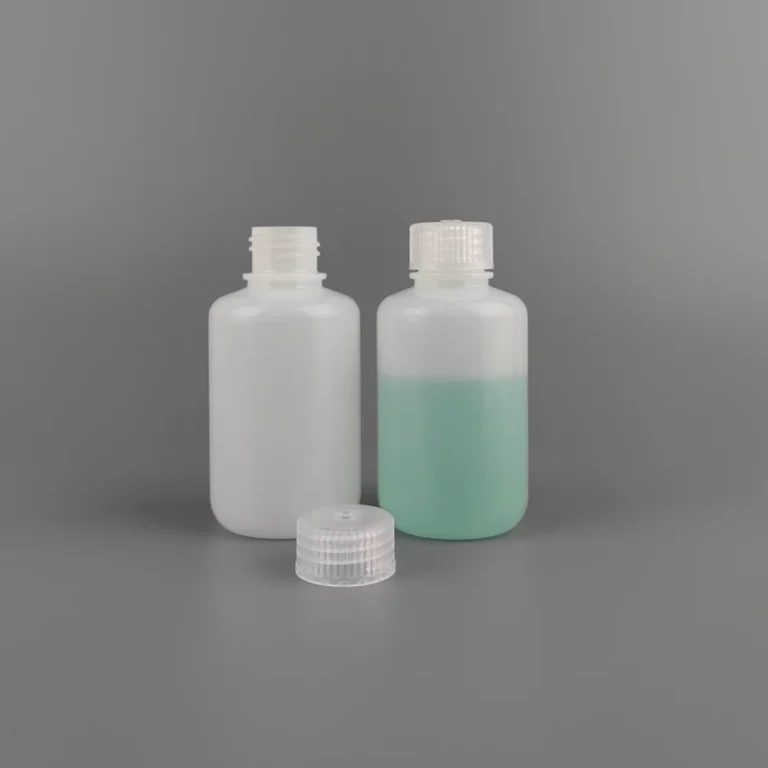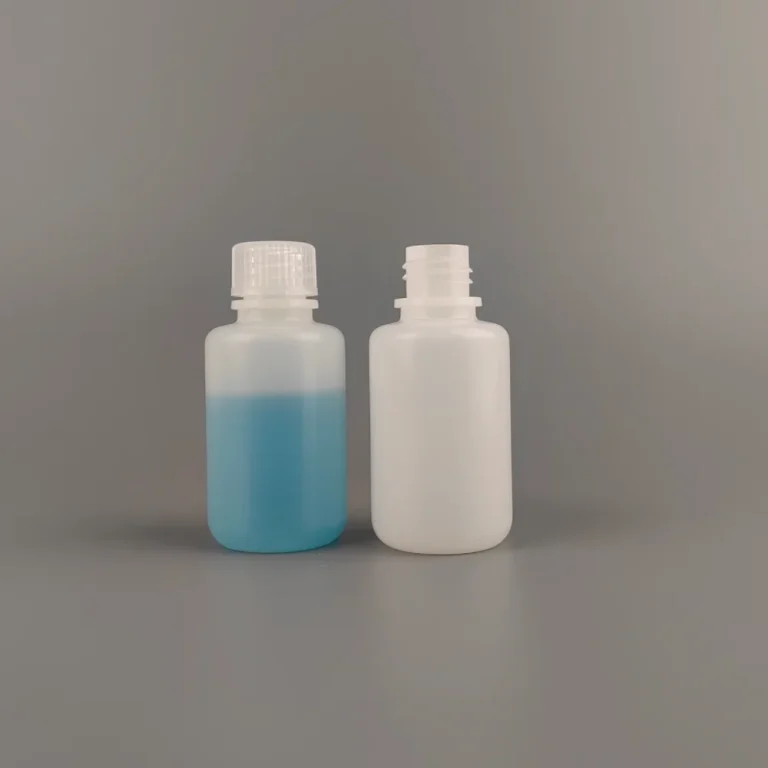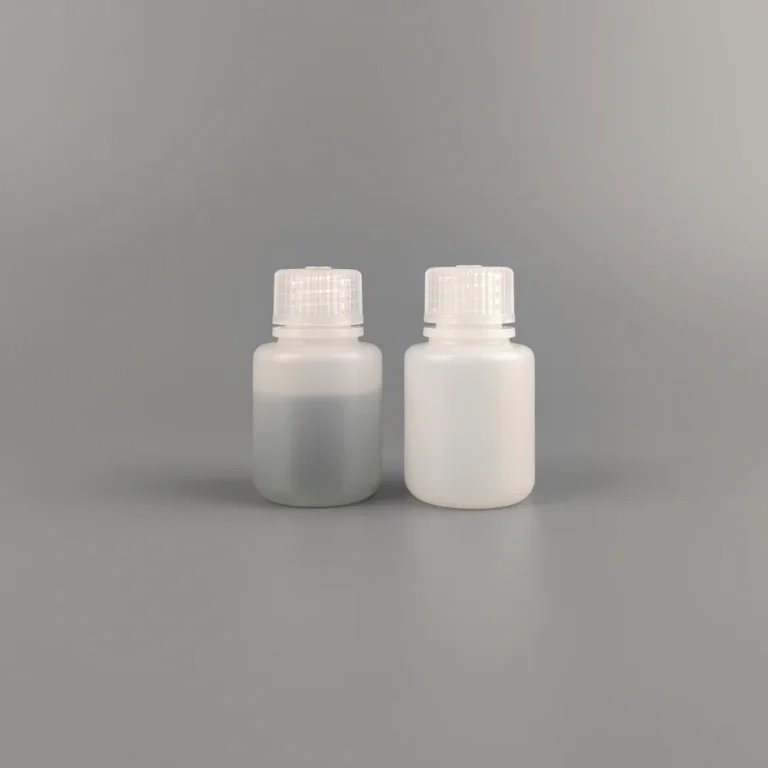
If a soil sample shows inconsistent heavy metal results after transport, the problem is often not the testing method—it’s the container. Moisture loss through poor sealing can alter concentration levels. UV exposure can change microbial activity. A container with chemical residues may contaminate trace analysis. In environmental and agricultural laboratories, sample integrity begins with the storage container.
From 15 years at JSBIO, selecting containers for soil sample storage requires balancing material compatibility (PP/HDPE), wall thickness consistency, leak-proof sealing design, temperature tolerance (-80°C to 121°C), and contamination control across field collection, transport, and laboratory analysis.
Technical Insights: Why Soil Sample Storage Matters
Soil samples are highly variable.
Storage containers must protect against:
- Moisture loss
- External contamination
- Chemical interaction
- UV exposure
- Temperature fluctuation during transport
The wrong container can change:
- pH values
- Microbial activity
- Organic compound concentration
- Heavy metal analysis results
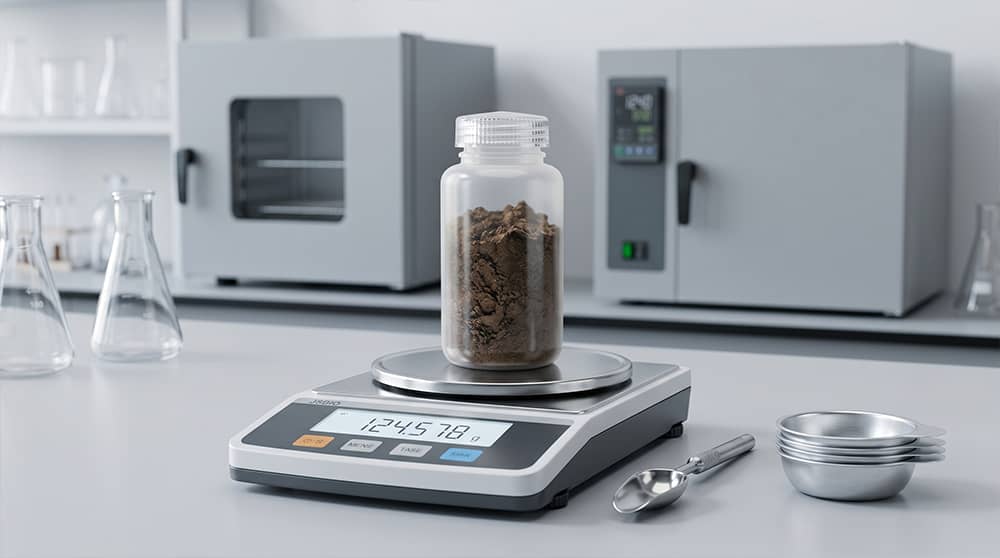
Most Common Materials for Soil Sample Containers
High-Density Polyethylene (HDPE)
Typical parameters:
- Temperature Range: -50°C to 110°C
- Max RCF: low
- Wall Thickness: moderate, impact-resistant
- Sealing: threaded cap with optional leak-proof gasket
Why HDPE Is Commonly Used
- Strong resistance to acids and bases
- Durable during field transport
- Low breakage risk
- Cost-effective for bulk sampling
Typical applications:
- Environmental soil testing
- Agricultural sampling
- Industrial contamination studies
Polypropylene (PP)
Typical parameters:
- Temperature Range: -80°C to 121°C
- Max RCF: up to 15,000–20,000 × g
- Wall Thickness: high precision, uniform
- Sealing: multi-thread + leak-proof gasket
Why PP Is Used
- Better temperature tolerance
- Lower adsorption for sensitive analysis
- Compatible with sterilization workflows
- Suitable for biological or microbiological soil studies
Typical applications:
- DNA/RNA soil extraction
- Microbial testing
- Long-term archived samples
Why Glass Is Less Common for Soil Samples
Glass offers:
- Excellent chemical inertness
- Zero permeability
However, field use introduces problems:
- Breakage risk during transport
- Higher weight
- Safety concerns in outdoor sampling
Glass is mainly used for:
- Volatile organic compound (VOC) analysis
- Specialized contamination studies
Role of Wall Thickness in Soil Sample Protection
Wall thickness directly affects:
- Structural durability
- Moisture retention
- Temperature resistance
Observed field failures:
- Thin walls crack during transport
- Uneven wall thickness leads to seal instability
JSBIO design approach:
- Uniform wall thickness distribution
- Reinforced base and thread areas
This improves both transport durability and storage consistency.
Leak-Proof Design and Moisture Retention
Moisture preservation is critical for soil analysis.
Poor sealing can cause:
- Water evaporation
- Changes in microbial activity
- Altered chemical concentrations
JSBIO sealing system:
- Multi-thread cap design
- Integrated leak-proof gasket
- Stable sealing during vibration and transport
Observed impact:
- Reduced moisture loss
- Lower contamination risk
- More stable analytical results
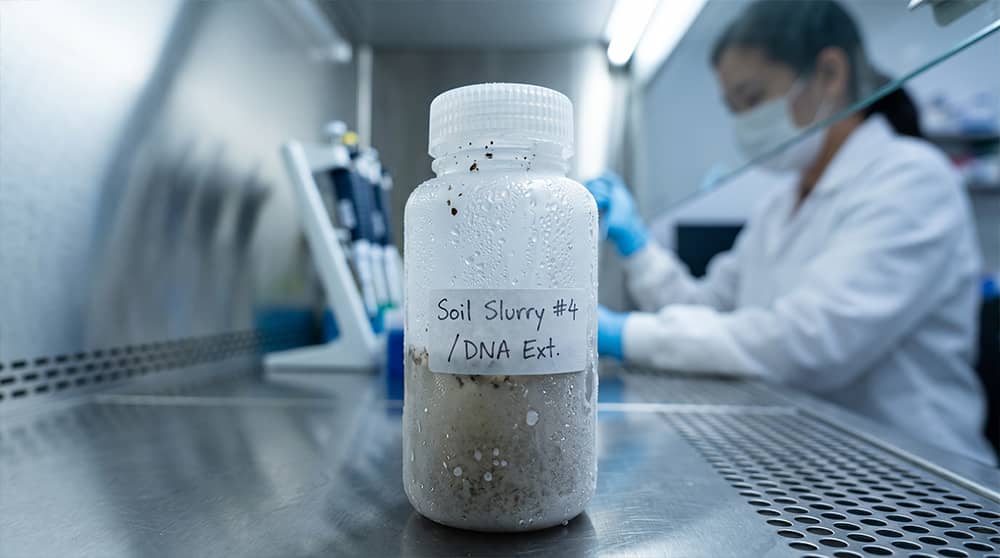
Temperature Requirements for Soil Samples
Different studies require different storage conditions:
Standard Environmental Testing
- Ambient to refrigerated storage
Biological or Microbial Soil Analysis
- -20°C to -80°C storage may be required
Sterile Applications
- Containers may require autoclaving at 121°C
PP performs better across wide temperature ranges.
HDPE is typically sufficient for routine environmental testing.
UV Exposure and Outdoor Sampling
Field sampling often includes direct sunlight exposure.
UV risks:
- Material degradation
- Sample heating
- Changes in microbial activity
Recommended controls:
- Opaque HDPE containers
- UV-stabilized materials
- Minimized exposure time
Contamination Control in Soil Sampling
Contamination sources include:
- Residual chemicals in containers
- Poor sealing during transport
- Cross-contamination between sites
Best practices:
- Use sterile or pre-cleaned containers when required
- Select chemically compatible materials
- Avoid reused containers for trace analysis
Technical Specifications Comparison
| Parameter | Polypropylene (PP) | HDPE | Glass |
| Temperature Range | -80°C to 121°C | -50°C to 110°C | Wide |
| Autoclavable | Yes | Limited | Yes |
| Chemical Resistance | High | Very High | – |
| Wall Thickness Control | High precision | Medium | Rigid |
| Leak-proof Design | Advanced (gasket + thread) | Optional | Cap + liner |
| Impact Resistance | High | High | Low |
| Moisture Retention | High | High | Very High |
| Suitability for Field Sampling | High | Very High | Low |
Lab Tips: Choosing Soil Sample Containers
✔ Use HDPE for routine environmental and agricultural testing
✔ Use PP for microbial or biological soil analysis
✔ Select leak-proof gasket designs for transport
✔ Choose opaque containers for UV-sensitive samples
✔ Verify wall thickness consistency for field durability
✔ Avoid glass unless VOC analysis requires it
Common Mistakes in Soil Sample Storage
- Using thin containers for field transport
- Poor sealing causing moisture loss
- Using contaminated or reused bottles
- Ignoring UV exposure during collection
- Selecting containers without temperature validation
These issues often appear during laboratory analysis, not at collection.
From a Supplier’s Perspective
Soil sample storage performance depends on more than material type.
In OEM projects, we optimize:
- HDPE or PP material grade
- Wall thickness distribution
- Gasket materials for leak-proof sealing
- UV-resistant additives for outdoor use
Two containers labeled “HDPE” can perform differently depending on manufacturing control and sealing design.
Practical Selection Checklist
Before selecting soil sample containers:
✔ Is the sample for chemical or biological analysis?
✔ Does storage require freezing or sterilization?
✔ Is wall thickness uniform and controlled?
✔ Does the container include a leak-proof gasket?
✔ Will samples be exposed to UV or outdoor conditions?
✔ Is contamination control required for trace analysis?