
Selecting the right containers for laboratory sample storage is essential for maintaining sample integrity, preventing contamination, and ensuring accurate test results. Whether dealing with biological specimens, chemical solutions, or environmental samples, improper storage can compromise entire experiments.
From research laboratories in the USA to field testing operations in Australia and the Middle East, high-quality sample storage containers are a fundamental requirement for reliable laboratory workflows.
In this guide, we explore the best types of containers for laboratory sample storage and how to choose the right solution for your application.
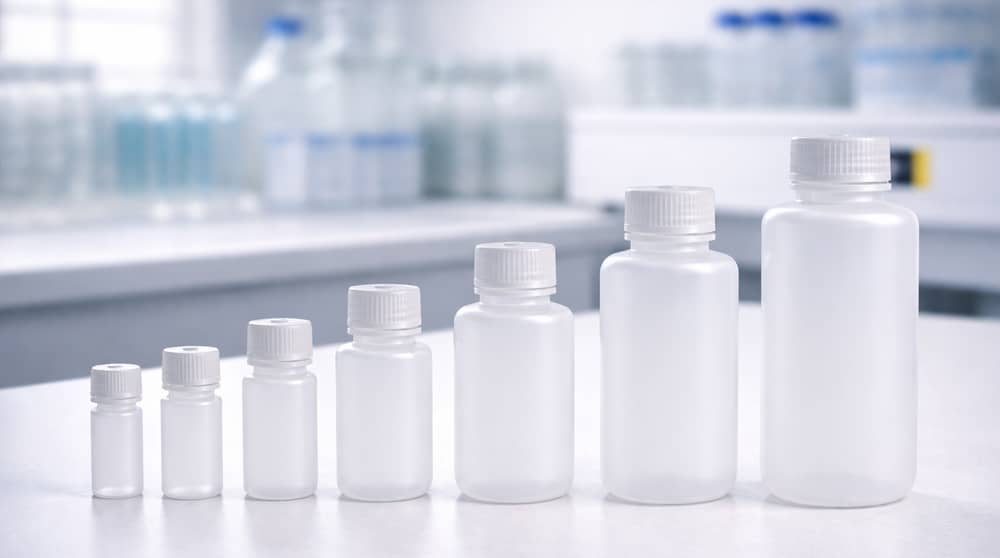
Why Choosing the Right Container Matters
Laboratory samples are often sensitive to environmental factors such as temperature, light, and chemical interactions. Using the wrong container can lead to:
- Sample contamination
- Chemical reactions with container materials
- Evaporation or leakage
- Degradation of biological components
Choosing the correct container ensures that samples remain stable from collection to analysis.
Common Types of Laboratory Sample Storage Containers
Different laboratory applications require different container types.
1. Polypropylene (PP) Containers
Polypropylene containers are among the most widely used in laboratories.
Advantages:
- Excellent chemical resistance
- Autoclavable (up to 121°C)
- Suitable for biological and chemical samples
Best for:
- DNA/RNA samples
- Buffers and reagents
- General laboratory use
2. High-Density Polyethylene (HDPE) Containers
HDPE containers are known for durability and resistance to impact.
Advantages:
- Strong and lightweight
- Resistant to acids and solvents
- Ideal for bulk storage and transport
Best for:
- Environmental samples
- Chemical storage
- Field sampling
3. Glass Containers
Glass containers are used when high purity is required.
Advantages:
- Non-reactive surface
- Suitable for volatile or sensitive chemicals
- Transparent for easy observation
Best for:
- Organic solvents
- High-purity chemical storage
Note: Glass is fragile and not ideal for field use.
4. Sterile Sample Containers
Sterile containers are essential for applications where contamination must be avoided.
Advantages:
- Pre-sterilized
- Ready for immediate use
- Reduce risk of microbial contamination
Best for:
- Microbiology
- Cell culture
- Clinical diagnostics
5. Cryogenic Vials
Cryogenic vials are designed for ultra-low temperature storage.
Advantages:
- Withstand temperatures as low as -196°C
- Leak-proof sealing
- Durable under extreme conditions
Best for:
- Long-term storage of biological samples
- Cell preservation
- Genetic materials
6. Wide-Mouth Containers
Wide-mouth containers are designed for easy handling of solid or semi-solid samples.
Advantages:
- Easy filling and retrieval
- Reduced spillage risk
- Versatile usage
Best for:
- Soil samples
- Powders
- Tissue samples
Key Factors to Consider When Choosing Containers
Selecting the best container involves more than just material choice.
Chemical Compatibility
Ensure the container material does not react with the sample.
Temperature Resistance
Choose containers that can withstand required storage conditions, from refrigeration to deep freezing.
Leak-Proof Design
Secure sealing is essential for transport and long-term storage.
Sterility Requirements
Use sterile containers for sensitive biological or pharmaceutical applications.
Size and Volume
Select appropriate capacity to minimize headspace and reduce contamination risks.
Durability
Especially important for field sampling and transportation across long distances.
Best Practices for Sample Storage
To maximize the effectiveness of your storage containers:
- Always use clean or sterile containers
- Label samples clearly and accurately
- Store samples under appropriate temperature conditions
- Avoid repeated opening and exposure
- Use high-quality containers from reliable suppliers
These practices are widely followed in laboratories worldwide to ensure data accuracy and compliance.
Applications Across Industries
Laboratory sample storage containers are used in multiple industries:
Biotechnology
For storing DNA, RNA, and proteins.
Environmental Testing
For water and soil sample collection and analysis.
Pharmaceutical Research
For drug development and quality control.
Clinical Laboratories
For patient sample storage and diagnostics.
In regions such as the USA, Australia, and the Middle East, proper container selection is essential to meet regulatory and operational standards.
Choosing a Reliable Supplier
A trusted supplier can make a significant difference in laboratory performance.
Look for suppliers that offer:
- Consistent product quality
- Multiple material options (PP, HDPE, etc.)
- Sterile and non-sterile variants
- Customization capabilities
- Stable supply for bulk orders
Reliable supply is especially important for laboratories managing large-scale or ongoing testing projects.
Conclusion
Choosing the best containers for laboratory sample storage is critical for ensuring sample integrity, preventing contamination, and achieving accurate results. From polypropylene bottles to cryogenic vials, each type of container serves a specific purpose in laboratory workflows.
By understanding your application requirements and selecting high-quality containers, you can significantly improve the reliability and efficiency of your laboratory operations.
Call to Action
Looking for high-quality laboratory sample storage containers?
Contact us today to get durable, reliable, and customizable solutions tailored to your laboratory needs.