Introduction
In life science research, clinical diagnostics, and industrial chemical storage, sample integrity is the absolute foundation of reproducible data and operational safety. Whether you are managing fragile biological aliquots (DNA/RNA, serum) or volatile chemical reagents, improper storage leads to catastrophic outcomes: irreversible sample degradation, chemical leakage, and cross-contamination.
For international B2B distributors, laboratory procurement managers, and pharmaceutical compliance officers, establishing strict storage protocols requires balancing two critical engineering factors: the chemical compatibility of the container and the physics of the closure system. This guide provides an enterprise-level analysis of plastic materials selection, comprehensive chemical resistance parameters, and leakage-prevention engineering.
The Critical Material Choice: Polypropylene (PP) vs. High-Density Polyethylene (HDPE)
Selecting the wrong polymer matrix can lead to structural failure or costly laboratory errors. General-purpose or consumer-grade plastics often release extractables and leachables (E&L)—such as heavy metals, slip agents, or plasticizers—into the stored medium, which can inhibit PCR amplification or denature delicate enzymes.
For professional laboratory applications, laboratory-grade Polypropylene (PP) and High-Density Polyethylene (HDPE) molded from certified USP Class VI medical-grade resins represent the industry standards due to their low-binding surfaces, high thermal stability, and exceptional chemical inertness. Positioned perfectly as general laboratory consumables and IVD reagent packaging, these containers offer premium material purity without the unnecessary regulatory overhead and import complexities associated with active medical devices.
Chemical Compatibility and Reagent Tolerance Matrix
To guarantee absolute safety during long-term storage or international air transport, laboratories and kit manufacturers must reference standardized chemical resistance data. As shown in the table below details the performance ratings of premium PP and HDPE polymers under constant exposure to key reagent categories at 20°C:
| Reagent Category | Polypropylene (PP) Performance | High-Density Polyethylene (HDPE) Performance |
| Acids, dilute or weak | E (Excellent) | E (Excellent) |
| Acids, strong or concentrated | G (Good) | G (Good) |
| Alcohols, aliphatic | E (Excellent) | E (Excellent) |
| Aldehydes | G (Good) | G (Good) |
| Bases / Alkali | E (Excellent) | E (Excellent) |
| Esters | G (Good) | G (Good) |
| Hydrocarbons, aliphatic | G (Good) | G (Good) |
| Hydrocarbons, aromatic | N (Not Recommended) | N (Not Recommended) |
| Hydrocarbons, halogenated | N (Not Recommended) | N (Not Recommended) |
| Ketones, aromatic | N (Not Recommended) | N (Not Recommended) |
| Oxidizing Agents, strong | F (Fair) | F (Fair) |
Tolerance Rating Key :
N (Not Recommended): Immediate material damage or environmental stress cracking may occur. Not recommended for these media.
E (Excellent): Absolutely no damage after 30 days of constant exposure at 20°C.
G (Good): Little or no damage after 30 days of constant exposure at 20°C.
F (Fair): Some physical effect visible after 7 days of constant exposure at 20°C. Short-term storage only.
Leakproof Engineering: The Reverse Triangle Sealing Technology
Even a chemically resistant bottle will fail if its closure system allows vapor migration or fluid leakage under the pressure variations commonly encountered during international air cargo or transcontinental shipping.
Traditional laboratory bottles rely on separate rubber, silicone, or foam liners glued inside the cap to achieve a seal. Over time, these liners can degrade, lose elasticity at low temperatures, or flake off, causing catastrophic secondary contamination to your samples.
The Advanced Solution: Linerless Integrated Plug Seal (Reverse Triangle Design)
To eliminate these vulnerabilities, high-performance reagent bottles utilize a linerless, Reverse Triangle Integrated Plug Seal molded directly into the inner crown of the screw cap.
- The Mechanism: As the cap is torqued onto the bottle, the downward-pointing triangular wedge inserts smoothly and deeply into the inner diameter of the bottle neck.
- The Advantage: This creates a continuous, high-pressure, polymer-to-polymer interference fit. Because it uses no separate gaskets, there is zero risk of liner degradation or chemical leaching from adhesives. The greater the internal pressure or thermal contraction (such as in standard freezer environments down to -20°C), the tighter the triangular wedge presses against the bottle walls, ensuring a 100% hermetic isolation that passes strict pneumatic leak testing.
B2B Best Practices for Bulk Sample Warehousing & Logistics
Implement Aliquoting to Prevent Thermal Stress
- Repeated freezing and thawing generate crystalline shearing forces that cleave DNA/RNA chains and denature proteins. Bulk biological samples should be fractionated into single-use volumes using high-RCF (Relative Centrifugal Force) microcentrifuge tubes immediately upon extraction.
Account for Container Headspace (“Dead Volume”)
- Storing micro-volumes in large wide-mouth bottles leaves excessive ambient air trapped inside. This headspace accelerates the oxidation of sensitive biological components and causes localized desiccation (frost buildup). Always match your sample volume to the appropriate container scale (e.g., 30mL, 60mL, or 125mL).
Verify LIMS-Compatible Cryogenic Labeling
Handwritten marker ink fades instantly when exposed to alcohol sterilization sprays or ultra-low temperatures (-80°C). B2B supply chains must mandate high-contrast laser etching or cryogenic-grade barcoded labels that tie directly into Laboratory Information Management Systems (LIMS).
Premium Manufacturing Solutions for Global B2B Supply Chains
At Juncheng Bio (JSBIO), we leverage 16 years of life science plastic injection-molding expertise to supply international distributors, diagnostic kit manufacturers, and bulk laboratory buyers with uncompromised, cleanroom-manufactured consumables:
0.5mL / 1.5mL / 2.0mL Microcentrifuge Tubes : Manufactured from ultra-clear, low-retention Polypropylene (PP) resins. Featuring snap-lock caps with flat, pierceable tops and frosted writing panels, these tubes are certified to withstand high-speed centrifugation forces up to 20,000 RCF and remain structurally ductile down to -80°C, making them the industry benchmark for precise nucleic acid aliquoting.
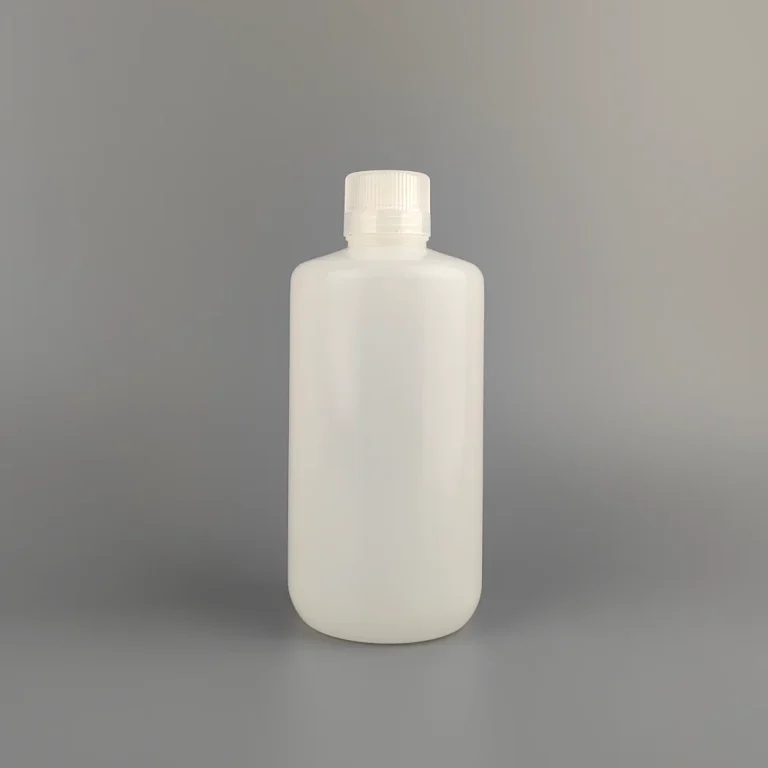
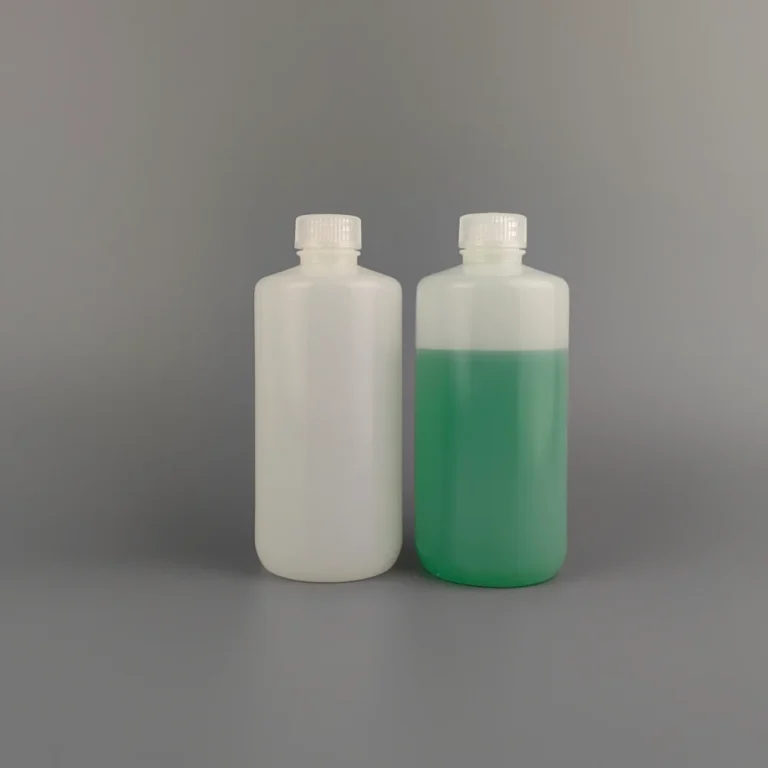
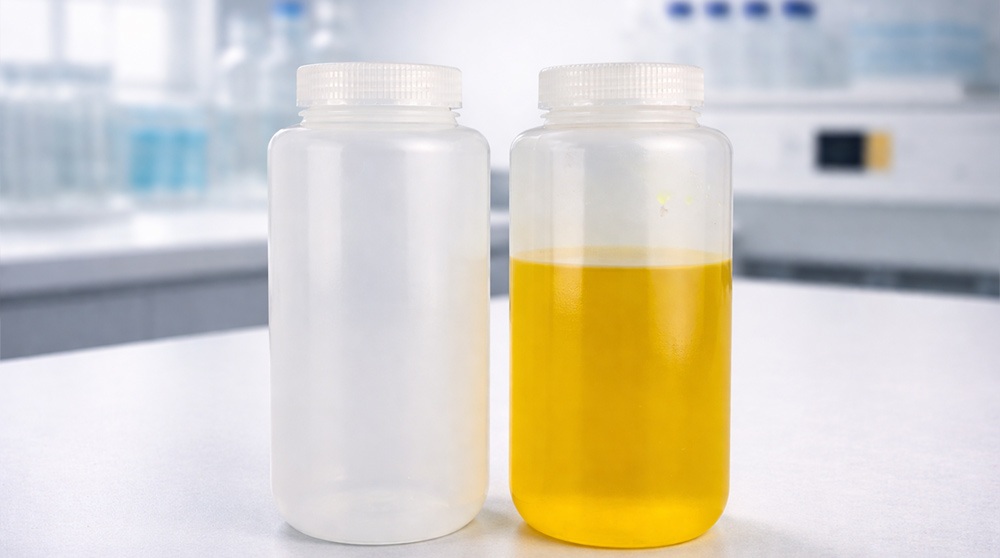
1000mL / 500mL HDPE Narrow-Mouth Reagent Bottles : Molded from 100% virgin, USP Class VI compliant HDPE resins. Featuring uniform wall thickness and our proprietary Reverse Triangle Leakproof Cap Design, these thick-walled, robust containers offer unmatched safety for bulk biological buffers, weak acids, and diagnostic reagents without glass-related breakage risks.
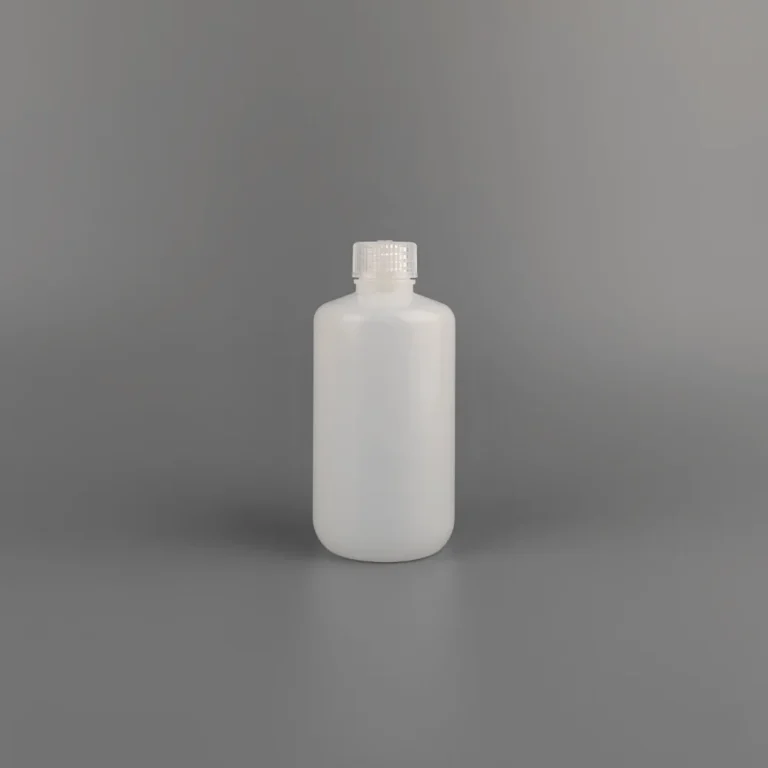
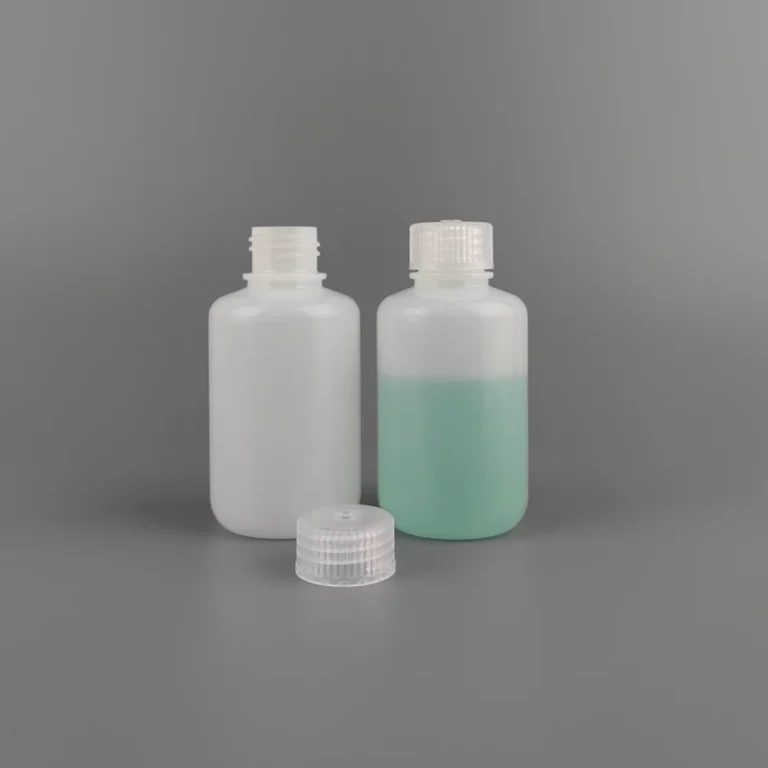
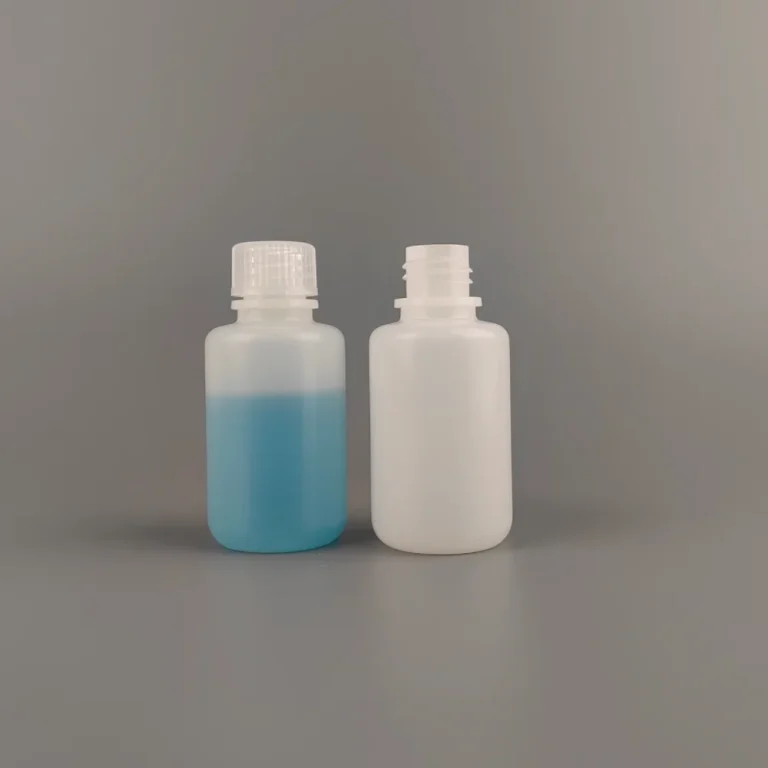
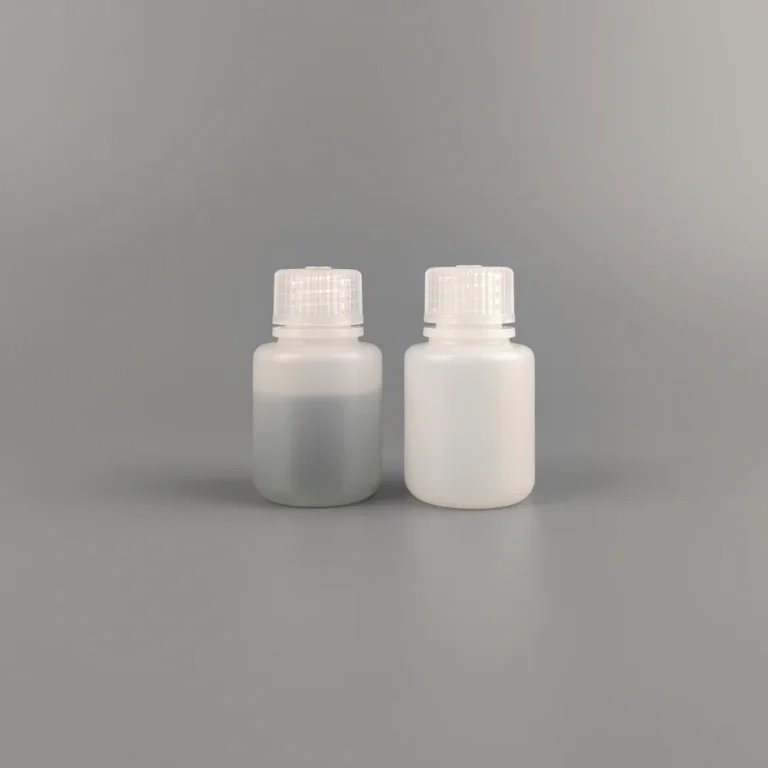
125mL / 60mL / 30mL Premium Reagent Bottles : Available in both wide-mouth and narrow-mouth variants. Our linerless plug-seal design undergoes strict vacuum and pneumatic leak testing to guarantee zero failure rates during transcontinental air transport and cold-chain distribution.
Empower Your Distribution Network with Certified Quality
Partner with an established B2B manufacturer to safeguard your clients’ critical research data and simplify your import logistics. Because our products are classified as general laboratory consumables and reagent packaging rather than restricted medical devices, global distributors benefit from faster customs clearance and optimized tariff rates while retaining medical-grade material purity.
Contact the Juncheng Bio (JSBIO) commercial team at plastibottles.com/contact-us/ today to request free product sample kits, bulk container pricing tiers, compliance documentation (SGS/ISO), or custom OEM manufacturing configurations tailored to your logistics network.