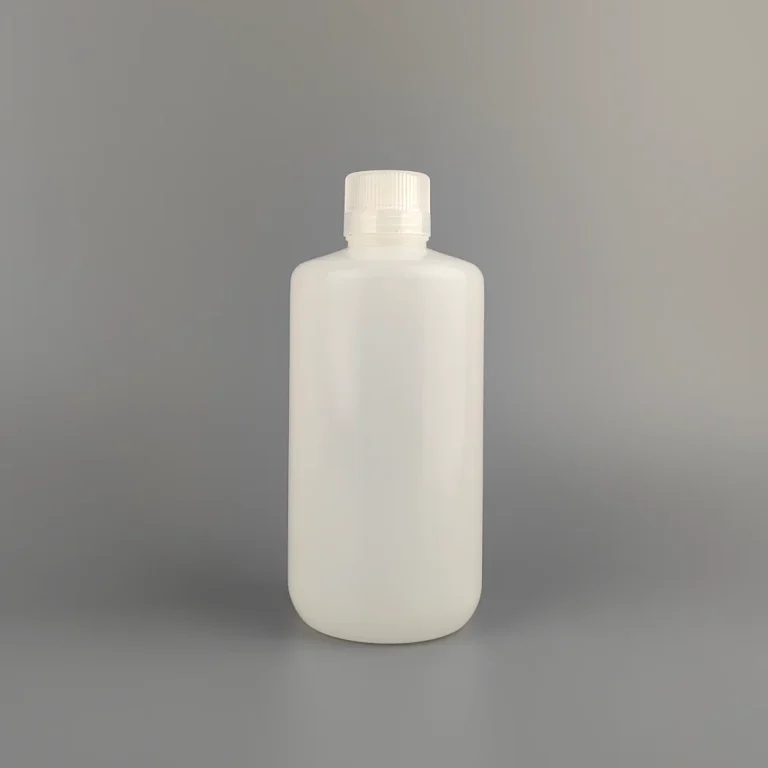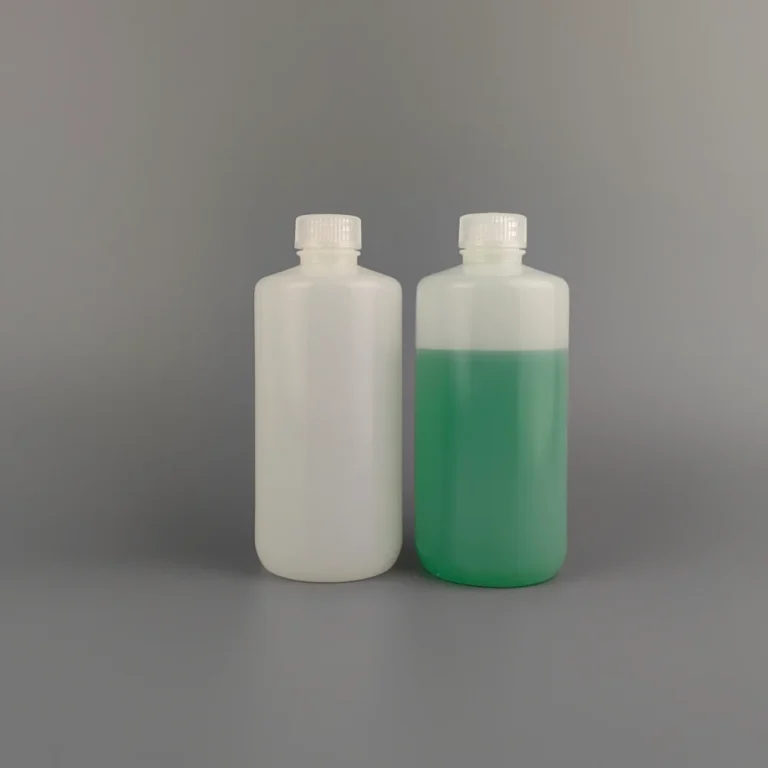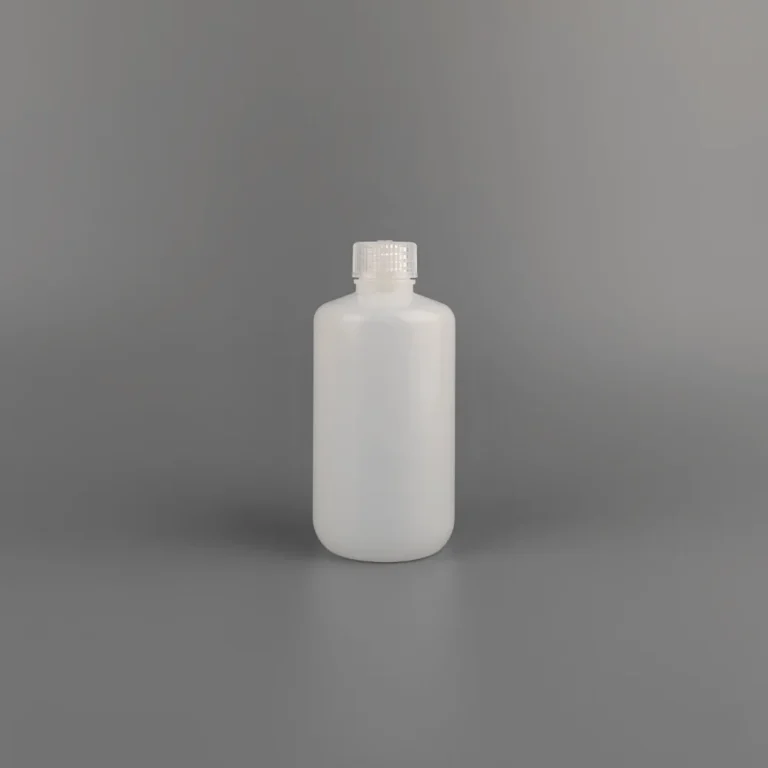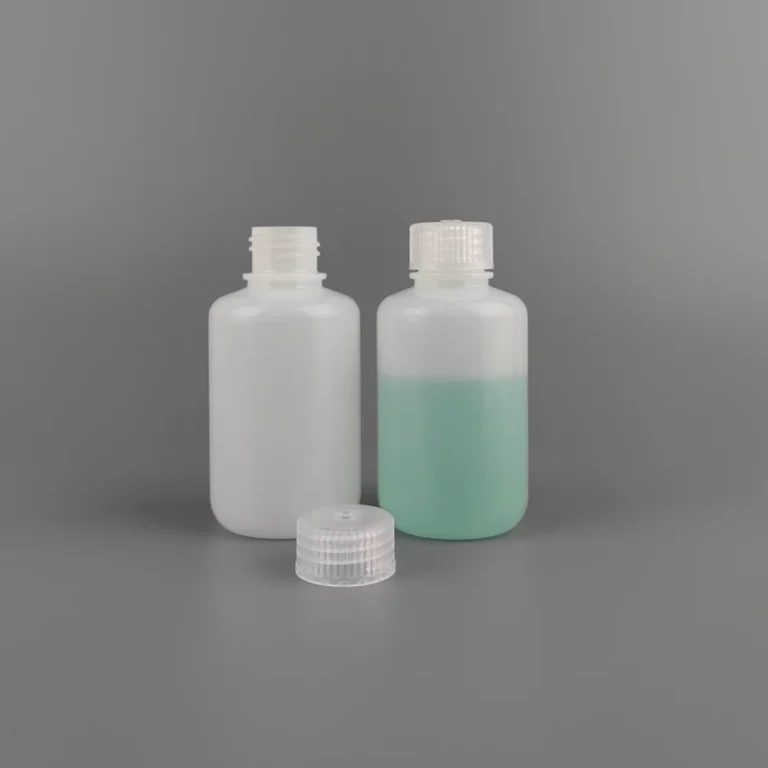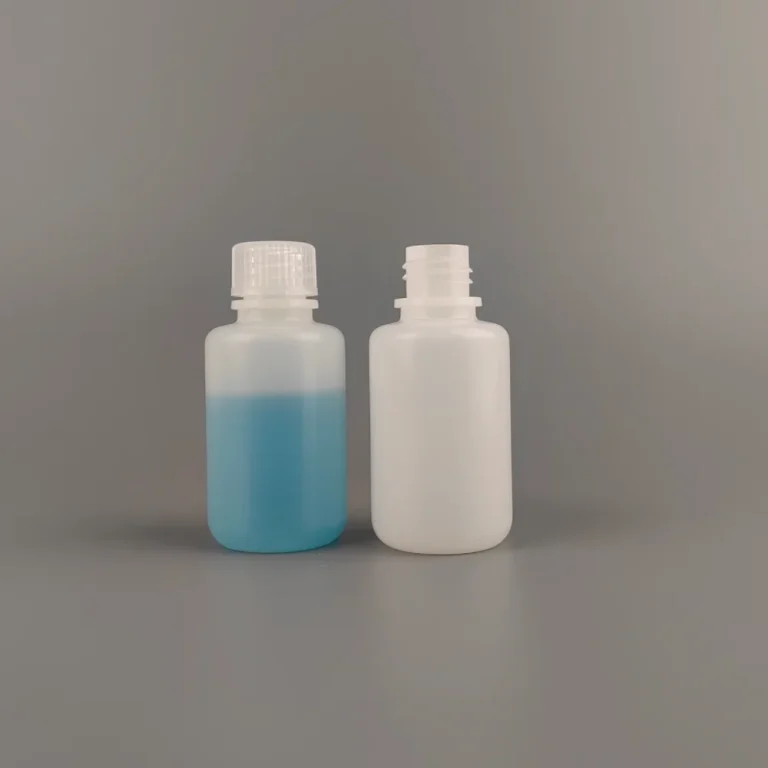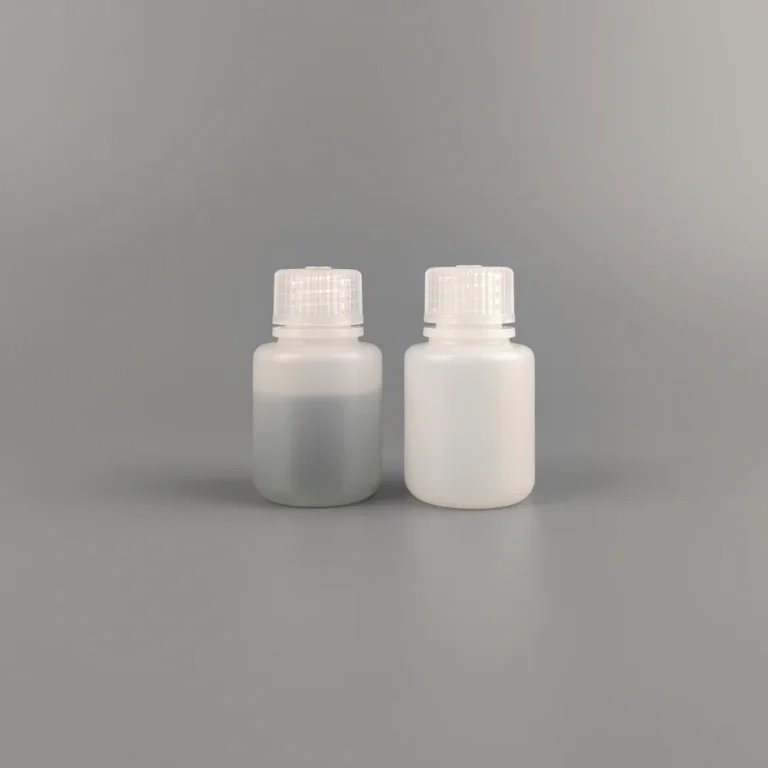
In PCB manufacturing, photolithography, and electronics chemical processing, developer solutions play a critical role in transforming exposed photoresist patterns into functional circuit designs. Because these solutions are inextricably linked to the photoresists they process, maintaining material integrity is vital. Explore our specialized photoresist storage solutions here to ensure consistency across your entire chemical workflow. While much attention is often given to photoresists themselves, the storage and transportation of developer chemicals are just as important…
A poorly selected container can lead to leakage, contamination, chemical degradation, and unnecessary operational costs. For chemical suppliers, PCB manufacturers, and laboratory users, choosing the right storage bottle is an often-overlooked but essential part of quality control.
Why Developer Solution Packaging Matters
Developer solutions are used to remove either exposed or unexposed portions of a photoresist, depending on the resist chemistry being employed. These formulations are commonly found in:
- PCB manufacturing
- Photolithography laboratories
- Electronics chemical production
- UV imaging processes
- Printed electronics applications
Unlike many general laboratory reagents, developer solutions are frequently transported between manufacturing sites, research facilities, and customers for testing and qualification. During storage and transit, containers may encounter:
- Temperature fluctuations
- Mechanical vibration
- Long-distance shipping
- Repeated handling
- Extended storage periods
Packaging failures can result in:
- Chemical leakage
- Product contamination
- Concentration changes caused by evaporation
- Customer complaints
- Production downtime
For high-value electronics chemicals, even minor packaging issues can create significant costs.
Common Types of Developer Solutions
Different industries use different developer formulations, including:
Alkaline Developer Solutions
Widely used in PCB manufacturing and photoresist processing.
Typical examples include:
- Sodium carbonate developers
- Potassium carbonate developers
- Organic alkaline developers
TMAH-Based Developers
Tetramethylammonium hydroxide (TMAH) developers are commonly used in advanced photolithography and microfabrication processes.
Specialty Imaging Developers
Used in:
- Photo imaging applications
- Printed electronics
- Industrial imaging systems
- UV-curable material processing
Because these formulations often contain alkaline components or other reactive chemicals, container compatibility becomes especially important.
What Makes a Good Developer Solution Bottle?
Chemical Resistance
The first consideration is material compatibility.
Developer solutions may contain chemicals that gradually attack unsuitable plastics, causing cracking, swelling, or contamination.
Both HDPE and PP are widely used for storing many developer formulations because they offer excellent resistance to:
- Alkalis
- Diluted acids
- Alcohols
- Many laboratory reagents
This makes them practical choices for electronics chemical packaging applications.
Leak-Proof Performance Is Essential
In many real-world situations, the biggest problem is not chemical compatibility—it’s leakage.
Developer solutions are often shipped internationally by air, sea, or courier services. During transportation, bottles may experience:
- Pressure changes
- Vibration
- Repeated impacts
Traditional cap designs frequently rely on foam liners to create a seal. Over time, aggressive chemicals may affect these liners, potentially introducing contamination risks.
A linerless inner cone sealing system offers several advantages:
- Direct plastic-to-plastic sealing
- Reduced contamination risk
- Improved leak resistance
- Consistent sealing performance during transport
For chemical manufacturers distributing samples globally, this type of closure system provides additional confidence during shipment.
HDPE or PP: Which Material Is Better?
Both materials are commonly used throughout the electronics chemical industry.
HDPE Bottles
HDPE offers:
- Excellent impact resistance
- High durability during transportation
- Lightweight construction
- Cost-effective packaging
- View our HDPE chemical-grade bottle collection here.
Recommended applications:
- Bulk developer storage
- Customer sample distribution
- International shipping
- Industrial chemical packaging
PP Bottles
PP provides:
- Higher rigidity
- Excellent dimensional stability
- Higher temperature resistance
- Autoclavable capability up to 121°C
- See our PP laboratory-grade container series here.
Recommended applications:
- Laboratory environments
- High-purity process chemicals
- R&D facilities
- Controlled production environments
Many companies use both materials depending on the stage of the product lifecycle.
Selecting the Right Capacity
Developer solutions are used across different stages of production, making capacity selection an important consideration.
Laboratory Testing and Formula Development
Recommended sizes:
- 4ml
- 8ml
- 15ml
- 30ml
Typical use:
- Chemical screening
- Process development
- Internal testing
Customer Qualification and Pilot Production
Recommended sizes:
- 60ml
- 125ml
- 250ml
Typical use:
- Customer samples
- Pilot production
- Process validation
Industrial Storage and Distribution
Recommended sizes:
- 500ml
- 600ml
- 1000ml
Typical use:
- Production operations
- Bulk storage
- Commercial distribution
Using a consistent bottle family across multiple capacities helps simplify inventory management and packaging qualification.
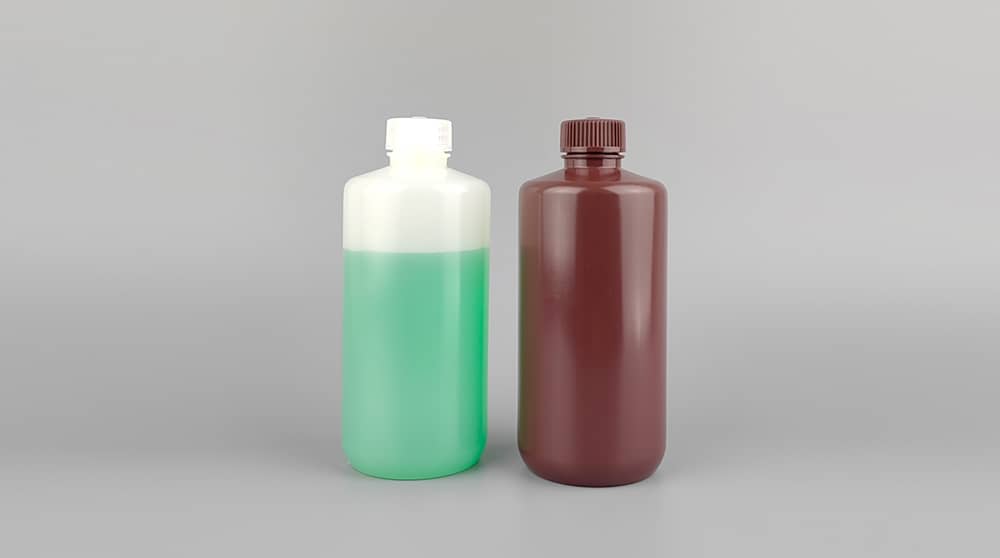
Why Amber Bottles Are Often Preferred
Although not every developer solution is highly light-sensitive, many electronics chemical manufacturers prefer amber bottles because they provide an additional layer of protection during storage.
Amber containers help reduce exposure to:
- UV light
- Visible light
- Warehouse lighting
This is particularly useful when developer solutions are stored alongside photoresists, UV resins, and other photosensitive chemicals.
For companies looking to standardize packaging across multiple product lines, amber bottles offer a practical solution.
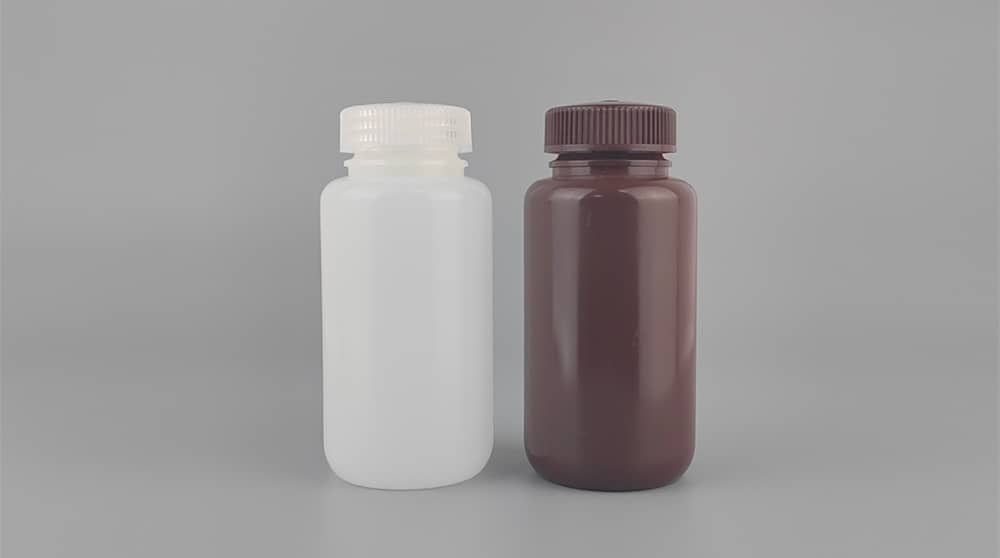
Wide-Mouth Bottles Improve Operational Efficiency
Many production facilities are moving toward wide-mouth packaging designs for several reasons:
- Easier filling operations
- Faster pouring
- Improved cleaning
- Better handling of specialty formulations
Wide-mouth bottles can be especially useful in pilot production environments where chemicals are transferred frequently between containers.
A Practical Packaging Strategy for Electronics Chemical Suppliers
A common packaging approach used by chemical manufacturers includes:
| Application Stage | Recommended Capacity |
|---|---|
| Laboratory R&D | 4ml – 30ml |
| Customer Samples | 60ml – 125ml |
| Process Validation | 250ml |
| Commercial Packaging | 500ml – 1000ml |
This structure allows manufacturers to maintain a consistent packaging system from product development through commercial distribution.
Developer solutions are essential to PCB manufacturing, photolithography, and electronics chemical processing. While the chemistry itself receives significant attention, packaging remains a critical factor in maintaining product quality and transportation safety.
Selecting chemically resistant HDPE or PP bottles, combined with reliable leak-proof sealing and appropriate capacity selection, can help reduce contamination risks, improve logistics performance, and support long-term process stability.
For chemical suppliers and electronics manufacturers, the right bottle is more than just a container—it is part of the overall quality assurance strategy.