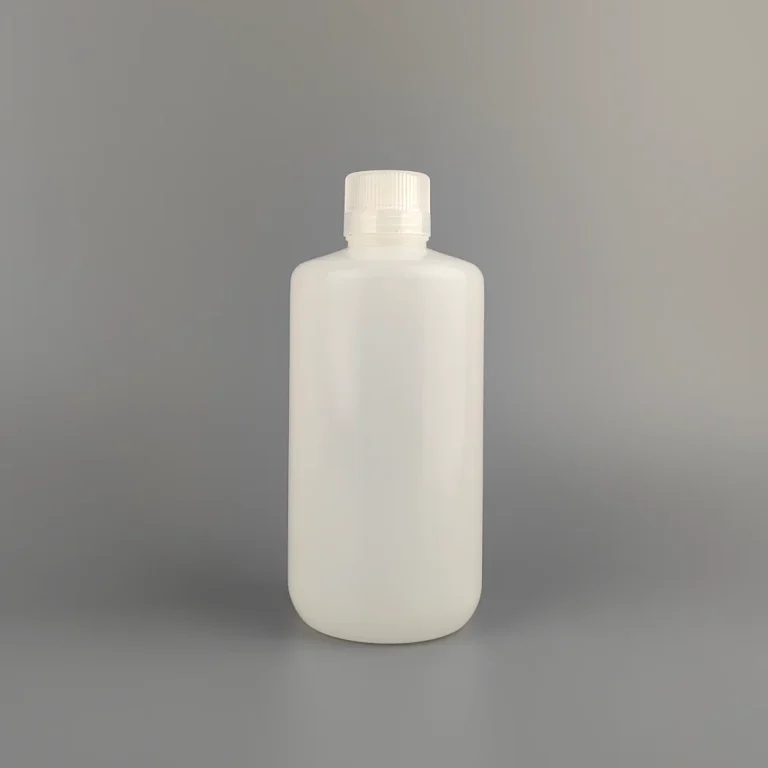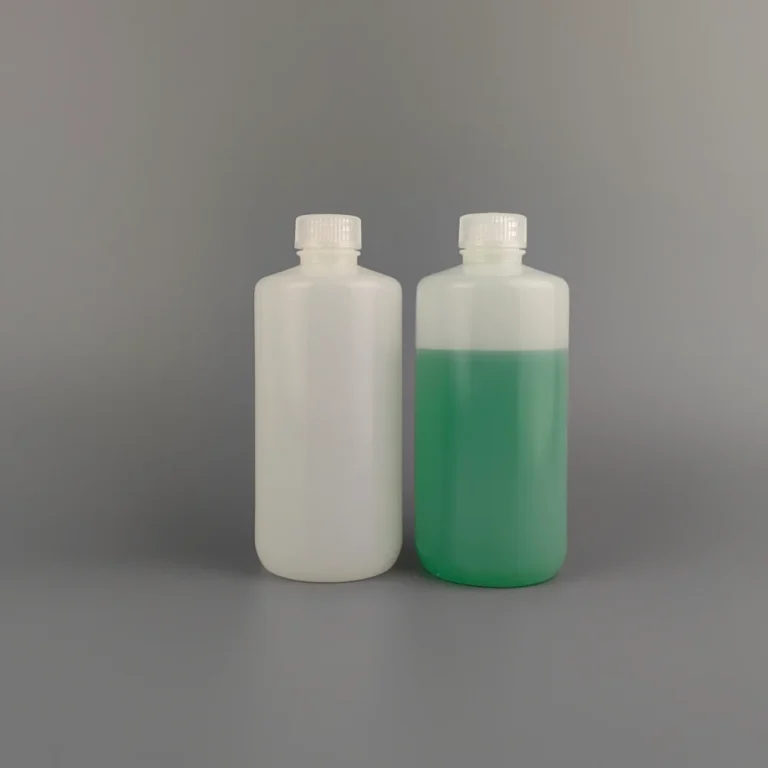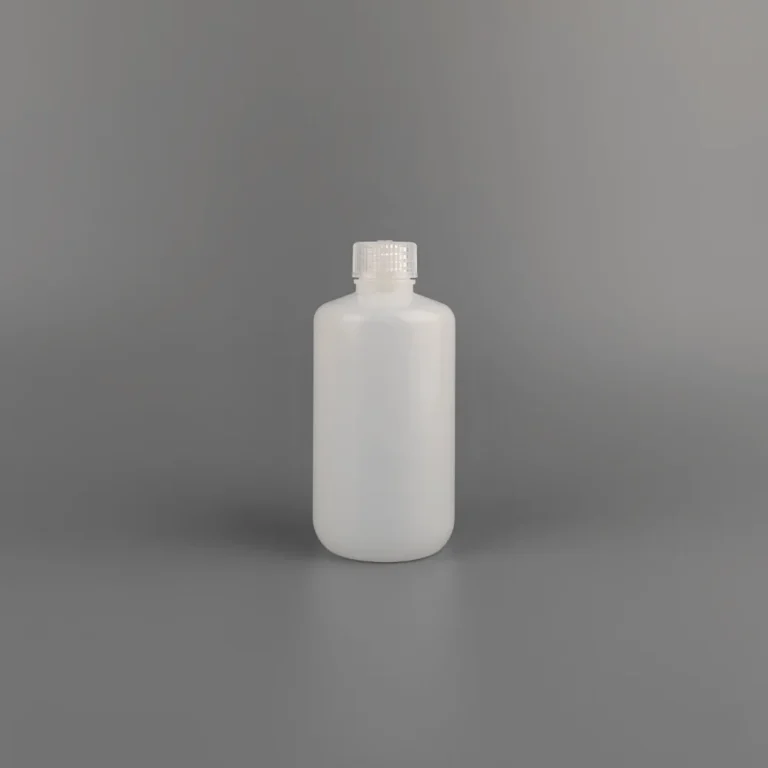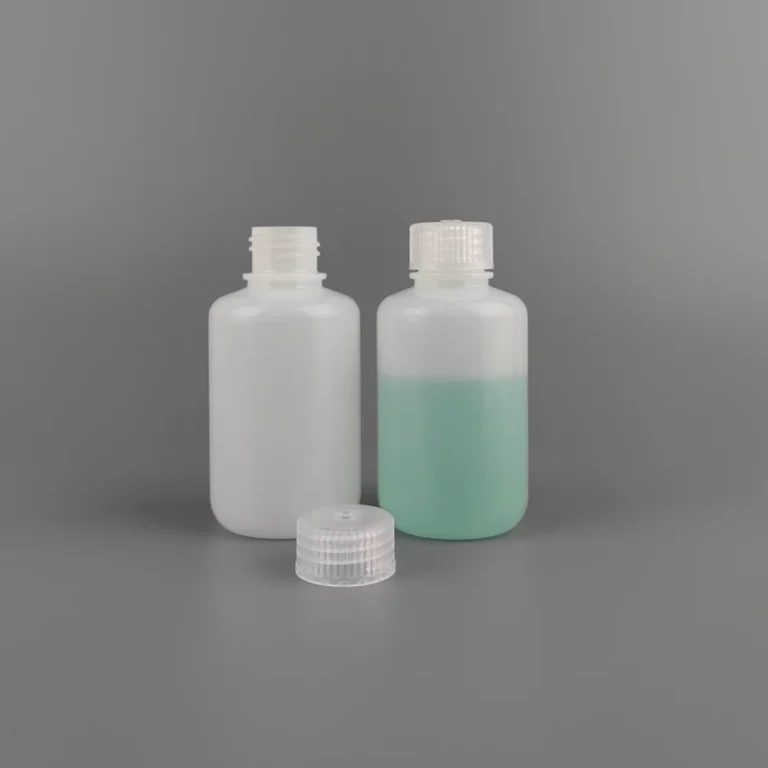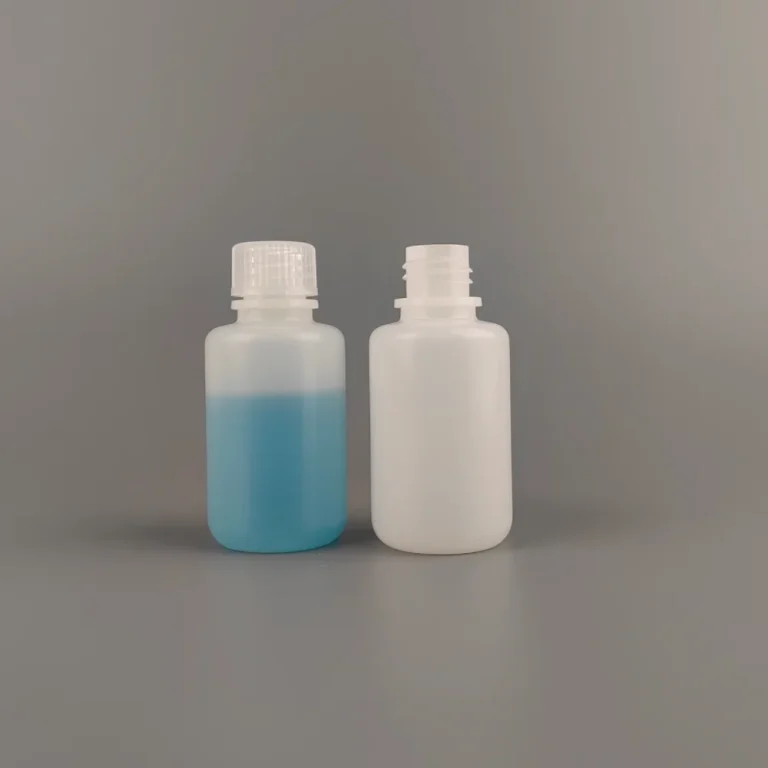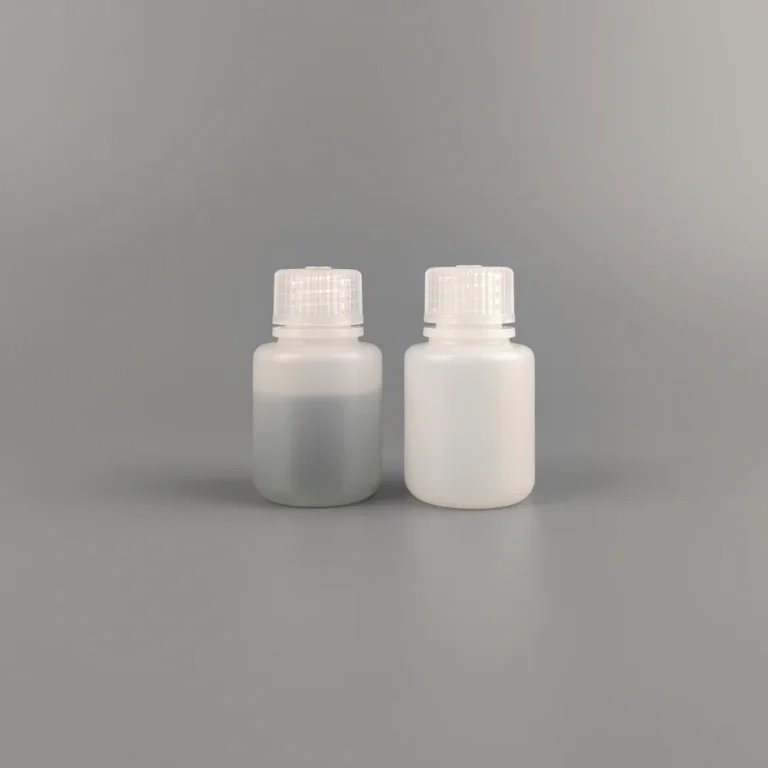
If a sample batch fails an audit because container labeling is intact but trace contamination is detected, the issue is rarely procedural alone. In many cases, the root cause is the container—material extractables, seal degradation after autoclaving, or deformation under temperature cycling. Regulatory compliance in biotech storage is not just documentation; it is material performance under controlled conditions.
From 15 years at JSBIO, meeting biotech storage regulations requires alignment between material (PP/HDPE), wall thickness control, sealing design, temperature range (-80°C to 121°C), and mechanical limits (Max RCF)—all validated within regulated workflows.
Technical Insights: What Regulations Actually Require
Biotech laboratories typically operate under frameworks such as:
- GMP (Good Manufacturing Practice)
- GLP (Good Laboratory Practice)
- ISO-related quality systems
Across these systems, container requirements focus on:
- Sample integrity preservation
- Contamination control
- Traceability and reproducibility
- Validated storage conditions
Regulations do not prescribe a single material. They require evidence that the chosen container maintains sample stability.
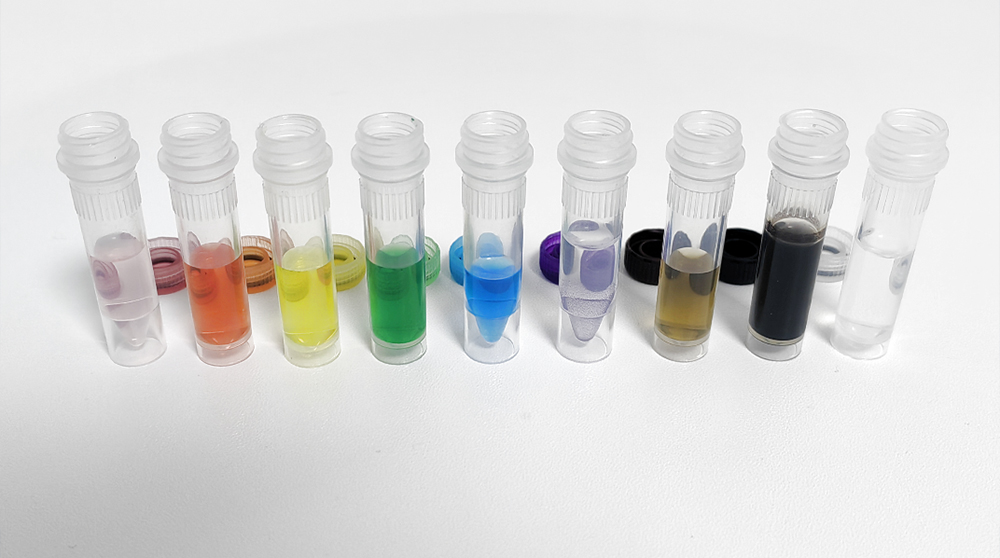
Material Selection Under Regulatory Expectations
Polypropylene (PP)
Typical parameters:
- Temperature Range: -80°C to 121°C
- Max RCF: up to 15,000–20,000 × g
- Wall Thickness: high precision, uniform
- Sealing: multi-thread + leak-proof gasket
Regulatory relevance:
- Suitable for sterile workflows (autoclavable)
- Low adsorption for biological samples
- Stable under temperature cycling
High-Density Polyethylene (HDPE)
Typical parameters:
- Temperature Range: -50°C to 110°C
- Max RCF: low
- Wall Thickness: moderate
- Sealing: threaded cap, optional gasket
Regulatory relevance:
- Suitable for chemical storage
- Used for non-sterile or bulk applications
- Limited for high-temperature sterilization
Key Regulatory Control Points
1. Temperature Control (-80°C to 121°C)
Regulations require:
- Defined storage conditions
- Validation of container performance across temperature range
Failure risks:
- Container cracking at low temperature
- Deformation after autoclaving
PP is typically selected for full-range workflows.
2. Contamination Control
Sources of contamination:
- External ingress (poor sealing)
- Internal extractables (material interaction)
- Handling errors
Control measures:
- Leak-proof gasket design
- Controlled material grades
- Sterilization compatibility
3. Container Closure Integrity
Closure systems must maintain:
- Seal under pressure and temperature changes
- Stability after repeated opening/closing
JSBIO design:
- Multi-thread closure
- Torque-controlled sealing
- Integrated gasket system
This supports compliance with closure integrity expectations.
4. Wall Thickness and Structural Consistency
Regulations require reproducibility.
Wall thickness affects:
- Permeation
- Mechanical strength
- Thermal behavior
JSBIO approach:
- Uniform wall thickness distribution
- Tight manufacturing tolerances
Impact:
- Consistent performance across batches
- Reduced variability in stability studies
5. Chemical Compatibility and Extractables
Regulatory focus:
- Material must not interact with samples
- Extractables and leachables must be controlled
Material considerations:
- PP: low extractables for biological samples
- HDPE: strong chemical resistance for reagents
Validation is required for specific applications.
6. Mechanical Performance (Max RCF)
Some workflows include centrifugation.
Requirements:
- Structural integrity under force
- No leakage during operation
Typical values:
- PP: up to 15,000–20,000 × g
- HDPE: not suitable for high RCF
Incorrect selection can lead to:
- Container failure
- Sample loss
Documentation and Traceability
Regulations require:
- Material traceability
- Batch consistency
- Manufacturing documentation
Container suppliers must provide:
- Material specifications
- Quality control data
- Production traceability
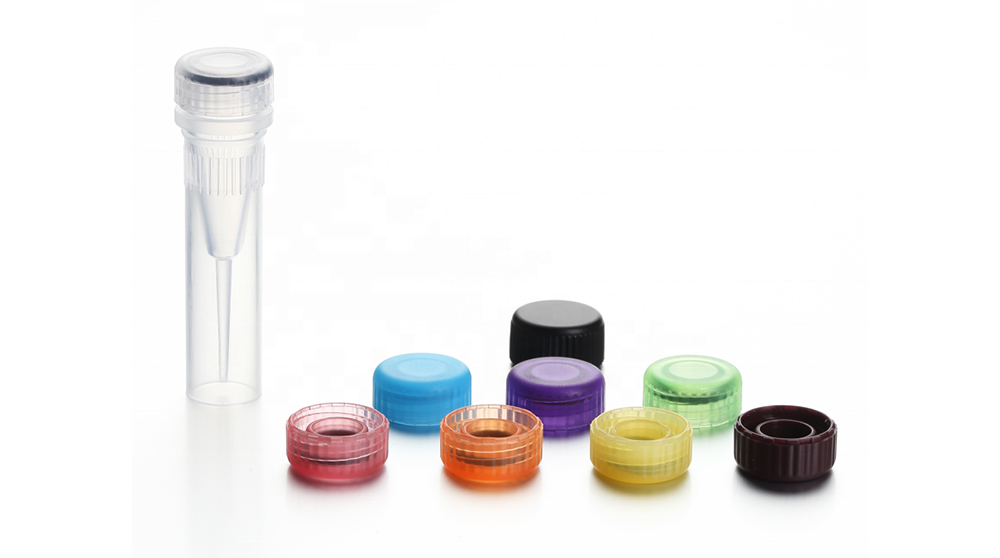
Technical Specifications Comparison
| Parameter | Polypropylene (PP) | HDPE |
| Temperature Range | -80°C to 121°C | -50°C to 110°C |
| Autoclavable | Yes | Limited |
| Max RCF | Up to 20,000 × g | Low |
| Chemical Resistance | High | Very High |
| Extractables Control | Low | Moderate |
| Wall Thickness Control | High precision | Medium |
| Leak-proof Design | Advanced (gasket + thread) | Optional |
| Suitability for Biotech | High | Moderate |
Lab Tips: Meeting Storage Regulations
✔ Validate container performance under actual storage conditions
✔ Use PP for workflows requiring sterilization and low temperature
✔ Verify sealing integrity after temperature cycling
✔ Ensure wall thickness consistency across batches
✔ Document material compatibility and extractables
✔ Confirm Max RCF for centrifugation steps
Common Compliance Failures
- Using non-autoclavable containers in sterile workflows
- Inconsistent wall thickness affecting stability data
- Poor sealing leading to contamination
- Lack of material traceability
- Ignoring extractables in validation
These issues typically surface during audits or stability studies.
From a Supplier’s Perspective
Regulatory compliance depends on design + process control.
In OEM biotech projects, we optimize:
- PP material grade for low extractables
- Wall thickness distribution for consistency
- Gasket materials for sealing stability
- Thread design for torque reliability
Two containers with similar specifications can perform differently depending on manufacturing control.
Practical Selection Checklist
Before selecting containers for regulated biotech storage:
✔ Is the material validated for your sample type?
✔ Does it support -80°C to 121°C if required?
✔ Is the container autoclavable?
✔ Is wall thickness uniform and controlled?
✔ Does it include a leak-proof gasket?
✔ Is traceability documentation available?
✔ Is Max RCF sufficient for your workflow?
CTA (For Procurement Decision)
If you are sourcing containers for biotech lab storage:
A. Request free samples for validation
→ Test temperature performance, sealing, and extractables
B. Get a bulk quote and customization details
→ Define material grade, wall thickness, and sealing design aligned with regulatory requirements
If you can share your regulatory framework (GMP, GLP), storage conditions, and sample type, I can map these to specific container specifications and validation steps.