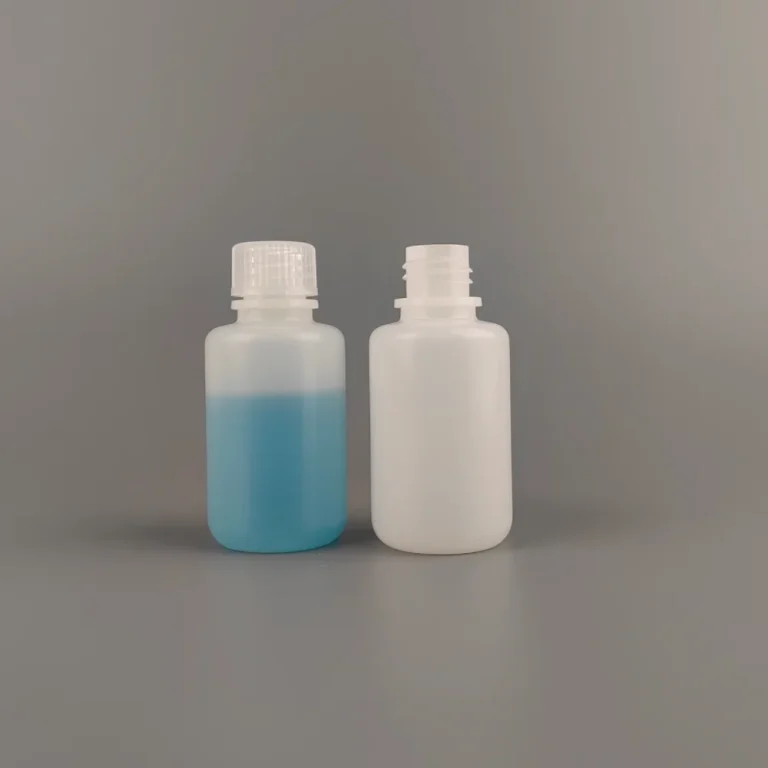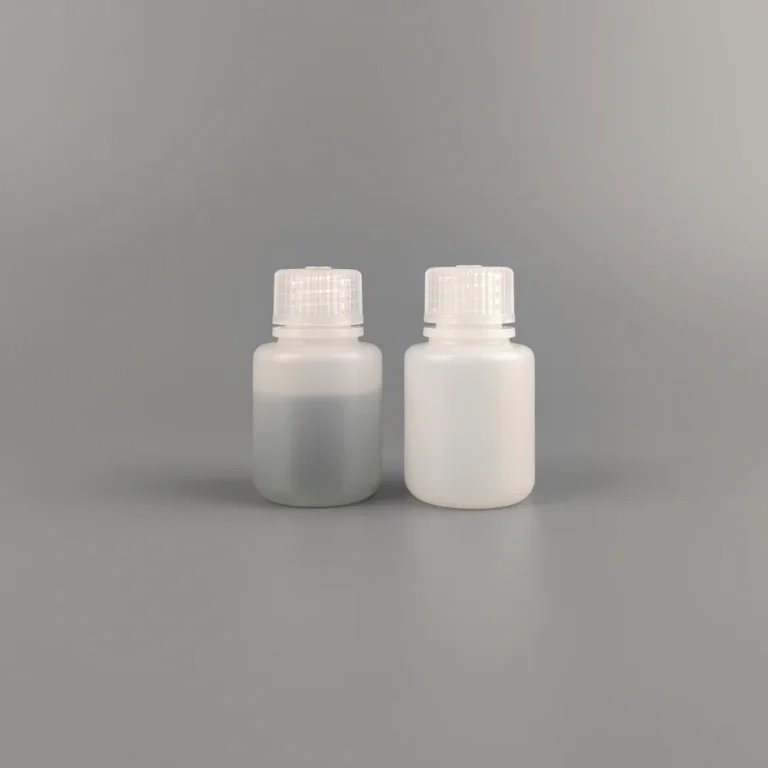
If a validated assay starts showing drift after storage, the formulation is often blamed first. Yet in many investigations, the root cause is the container—protein adsorption on the wall, slow vapor loss through the polymer, or a cap that relaxed after a 121°C cycle. The result is the same: sample integrity changes over time due to material-driven effects.
From 15 years at JSBIO, preserving sample integrity depends on how material (PP/HDPE), wall thickness, sealing design, temperature range (-80°C to 121°C), and mechanical limits (Max RCF) work together across the full workflow.
Technical Insights: What “Sample Integrity” Actually Depends On
Integrity is influenced by multiple interactions:
- Surface adsorption (DNA, RNA, proteins binding to walls)
- Permeation (loss of solvent or ingress of gases)
- Chemical compatibility (polymer–sample interaction)
- Thermal stability (freeze–thaw, autoclaving)
- Sealing performance (leakage, evaporation)
A container that meets one requirement can still fail on another.
Material Effects on Biological Samples
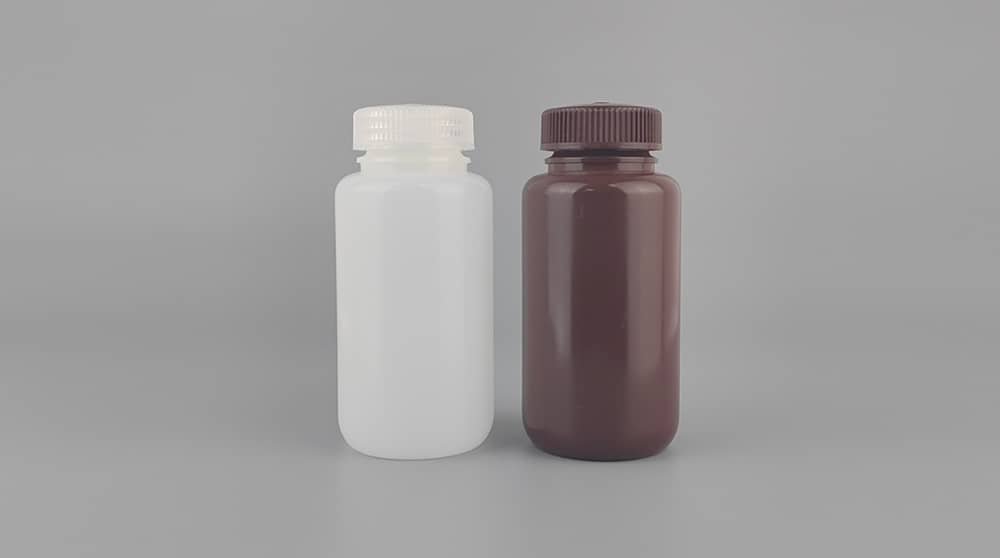
Polypropylene (PP)
Typical parameters:
- Temperature Range: -80°C to 121°C
- Max RCF: up to 15,000–20,000 × g
- Wall Thickness: high precision, uniform
- Sealing: multi-thread + leak-proof gasket
Observed behavior:
- Low adsorption for DNA, RNA, proteins
- Stable during freeze–thaw cycles
- Suitable for centrifugation workflows
Impact on integrity:
- Maintains concentration and activity
- Reduces sample loss due to surface binding
High-Density Polyethylene (HDPE)
Typical parameters:
- Temperature Range: -50°C to 110°C
- Max RCF: low
- Wall Thickness: moderate
- Sealing: threaded cap, optional gasket
Observed behavior:
- High chemical resistance
- Higher adsorption compared to PP
- Limited for ultra-low temperature workflows
Impact on integrity:
- Suitable for bulk storage
- Not ideal for sensitive biological samples
Glass
Typical characteristics:
- Zero permeability
- High chemical inertness
- Rigid structure
Impact on integrity:
- No vapor loss
- No adsorption issues
- Risk of breakage and contamination from handling
Role of Wall Thickness in Sample Stability
Wall thickness directly affects:
- Permeation rate (moisture and gas exchange)
- Thermal stress resistance
- Mechanical durability
Failure patterns:
- Thin or uneven walls → faster evaporation
- Stress concentration → cracking at low temperature
JSBIO control approach:
- Uniform wall thickness distribution
- Reinforced base and thread areas
This reduces variability across containers and improves storage consistency.
Sealing Design and Its Impact on Integrity
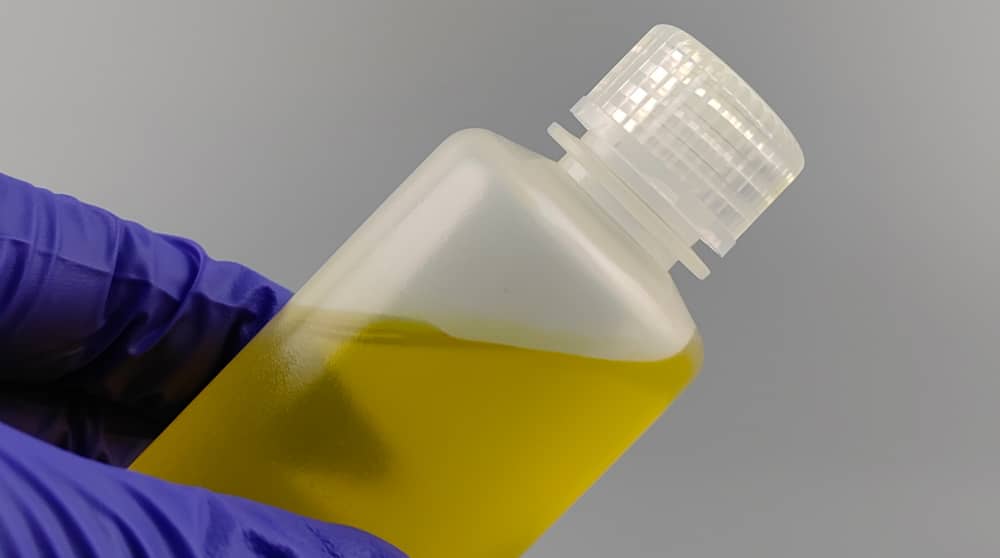
Sealing is a primary control point.
Key factors:
- Cap-thread precision
- Gasket material compatibility
- Torque stability after temperature cycles
JSBIO sealing system:
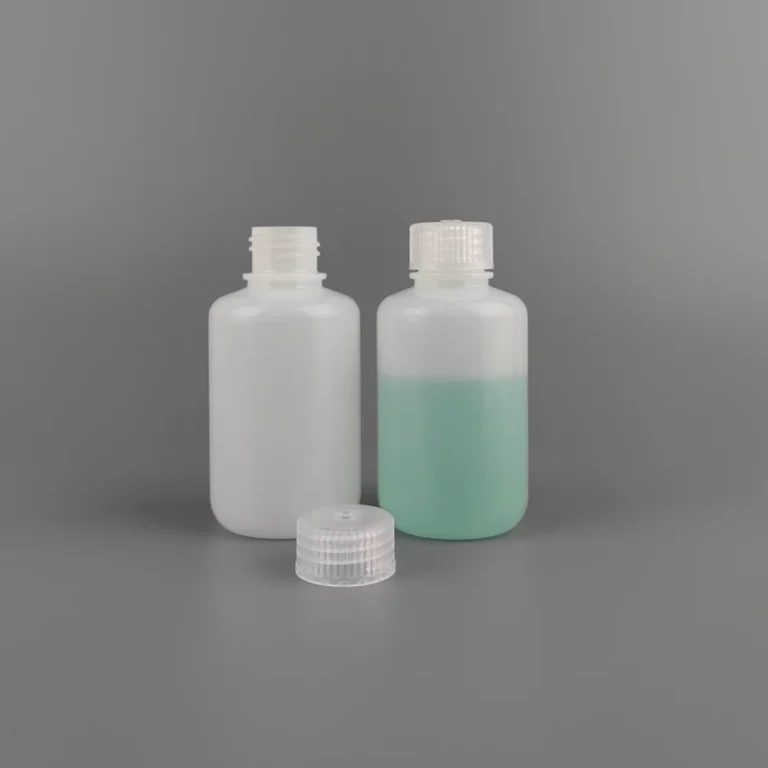
- Multi-thread closure
- Integrated leak-proof gasket design
Observed results:
- Reduced evaporation
- Stable internal environment
- Lower contamination risk
Temperature Effects on Material and Samples
Low Temperature (-80°C)
- PP maintains structural stability
- HDPE performance becomes limited
- Glass remains stable but brittle
Risks:
- Cracking due to uneven wall thickness
- Seal contraction leading to leakage
High Temperature (121°C Autoclaving)
- PP maintains structure and sealing
- HDPE may deform
- Glass remains stable
Impact on integrity:
- Poor material selection → deformation → seal failure → contamination
Permeability and Long-Term Storage
Permeability affects:
- Solvent evaporation
- Oxygen ingress
- Sample concentration
Material comparison:
- Glass: none
- PP: low
- HDPE: moderate
For long-term storage:
- Lower permeability improves stability
Mechanical Stress and Centrifugation (Max RCF)
Many workflows involve centrifugation.
- PP: up to 15,000–20,000 × g
- HDPE: low
- Glass: limited
Impact on integrity:
- Deformation or failure → sample loss
- Seal disruption under high g-force
Technical Specifications Comparison
| Parameter | PP | HDPE | Glass |
| Temperature Range | -80°C to 121°C | -50°C to 110°C | Wide |
| Autoclavable | Yes | Limited | Yes |
| Max RCF | Up to 20,000 × g | Low | Low |
| Adsorption (Bio Samples) | Low | Moderate | None |
| Permeability | Low | Moderate | None |
| Wall Thickness Control | High precision | Medium | Rigid |
| Leak-proof Design | Advanced (gasket + thread) | Optional | Cap + liner |
| Impact Resistance | High | High | Low |
Lab Tips: Protecting Sample Integrity
✔ Use PP for sensitive biological samples
✔ Match material to temperature range (-80°C to 121°C)
✔ Select containers with uniform wall thickness
✔ Ensure leak-proof sealing design
✔ Minimize repeated freeze–thaw cycles
✔ Validate material compatibility with the sample
Common Causes of Sample Integrity Loss
- Adsorption to container walls
- Evaporation due to poor sealing
- Chemical interaction with material
- Deformation after temperature cycling
- Using containers outside their temperature range
These issues often appear during storage, not immediately.
From a Supplier’s Perspective
Sample integrity is influenced by design details beyond material type.
In OEM projects, we optimize:
- Material grade (PP variants for low adsorption)
- Wall thickness distribution
- Gasket material for sealing stability
- Thread design for torque consistency
Two containers made from the same material can perform differently under real lab conditions.
Practical Selection Checklist
Before selecting a container:
✔ Is the material compatible with the sample type?
✔ Does it support -80°C to 121°C if required?
✔ Is wall thickness uniform and controlled?
✔ Does the container include a leak-proof gasket?
✔ Is permeability acceptable for storage duration?
✔ Is Max RCF sufficient for your workflow?
CTA (For Procurement Decision)
If you are evaluating container impact on sample integrity:
A. Request free samples for validation
→ Test adsorption, sealing, and temperature performance
B. Get a bulk quote and customization details
→ Optimize material, wall thickness, and sealing design
If you can share your sample type (DNA, protein, chemical), storage duration, and temperature conditions, I can help define the exact container specifications to protect sample integrity.