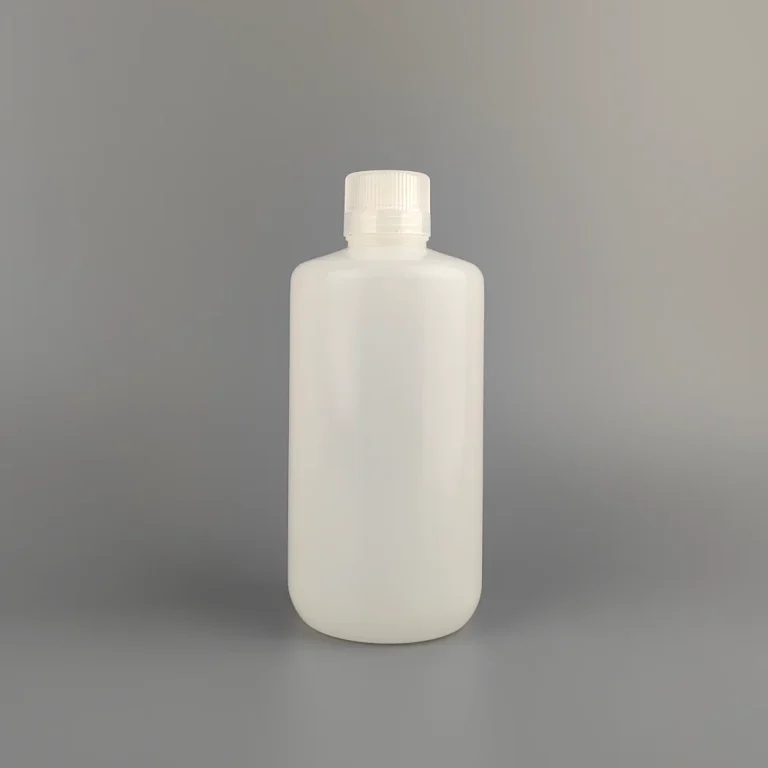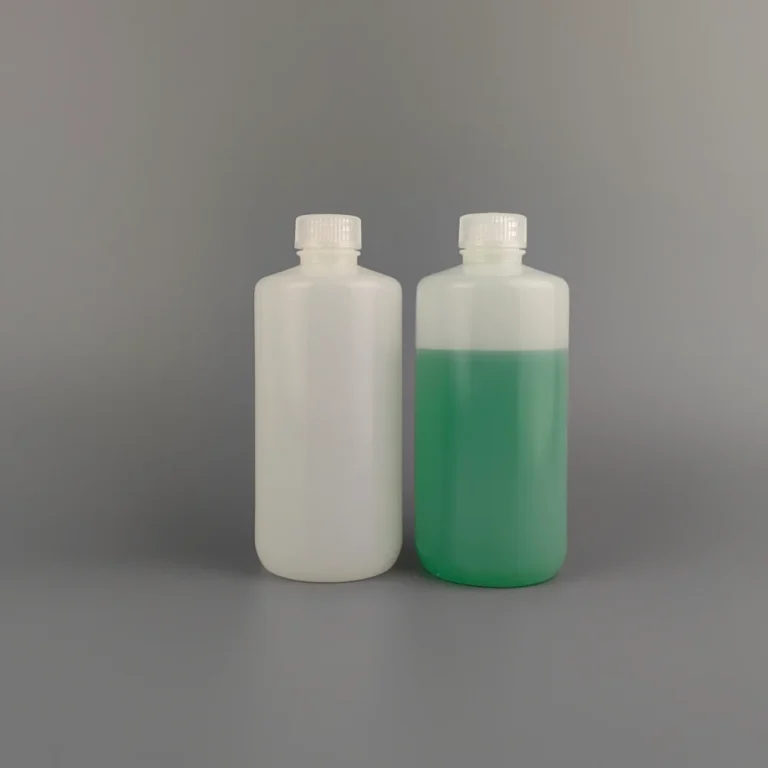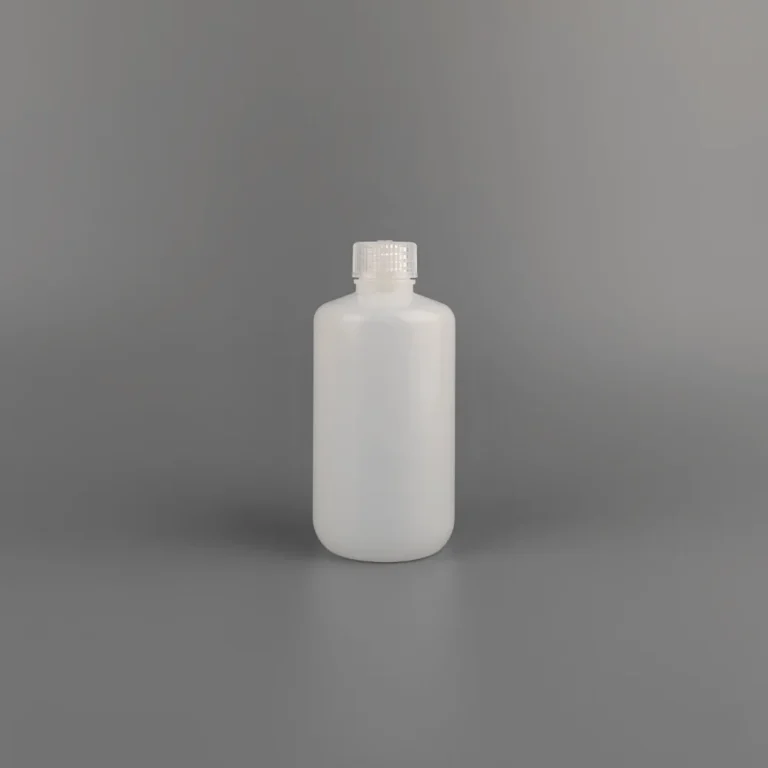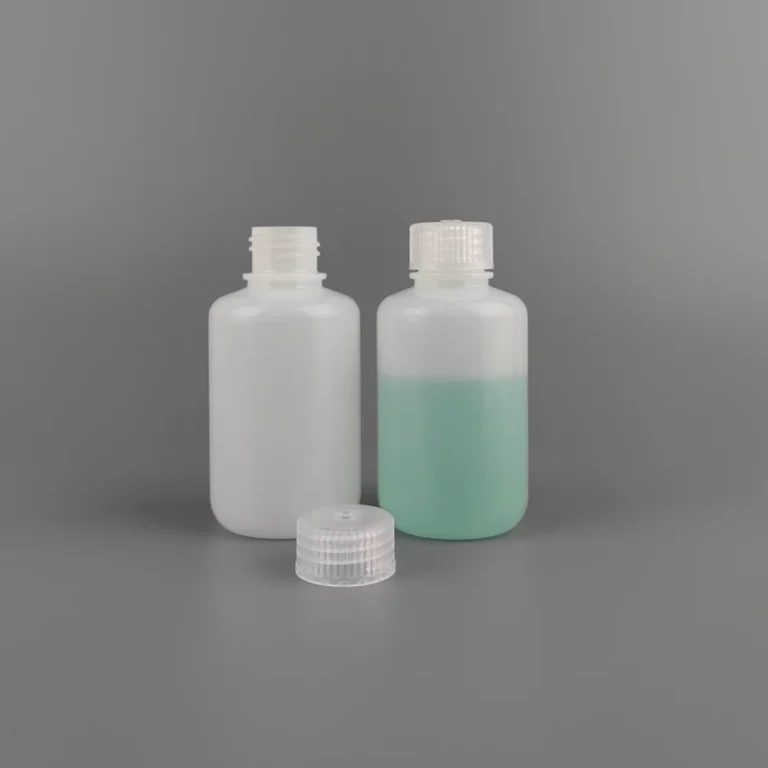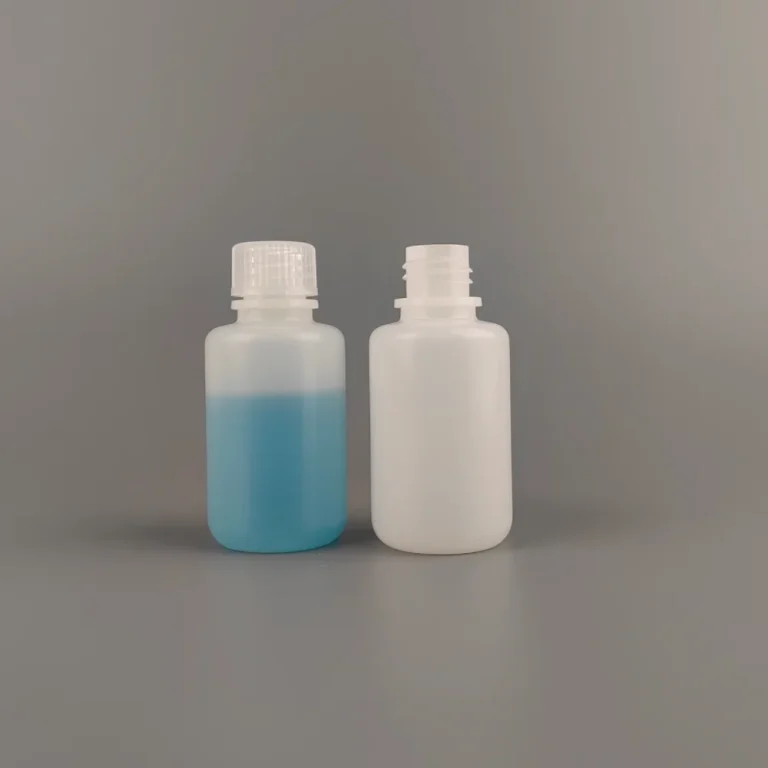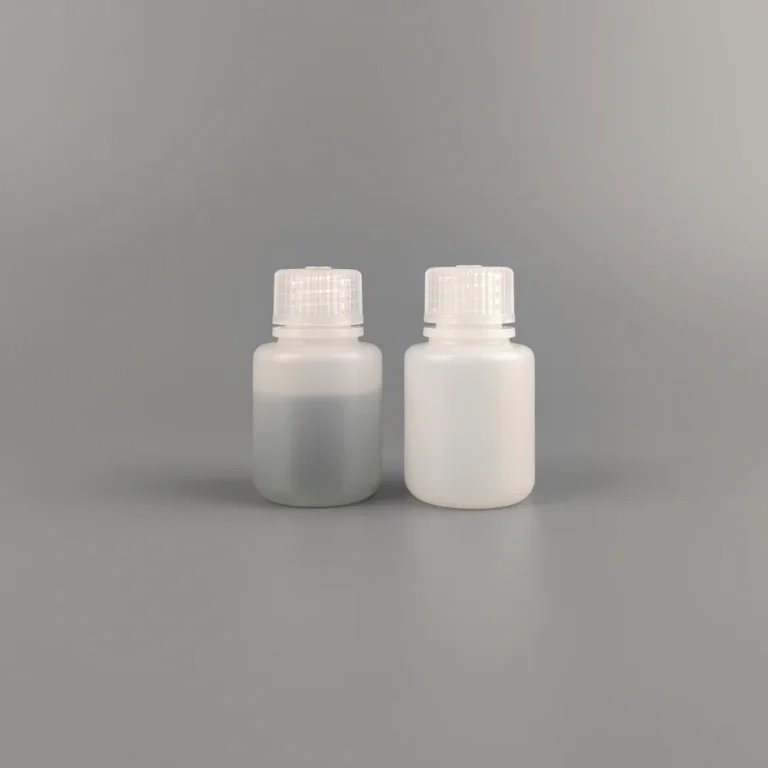
If a bottle deforms after a 121°C autoclave cycle, the cap may no longer maintain torque, and sealing performance drops. The next step—storage or transport—introduces micro-leakage that is not immediately visible. In other cases, a non-autoclavable container used in sterile workflows becomes a contamination source after repeated reuse. These failures are driven by material limits and structural design, not operator error.
From 15 years at JSBIO, the distinction is not just “can it be autoclaved.” It is whether the container maintains geometry, sealing, and performance across repeated thermal cycles (-80°C to 121°C).
Technical Insights: What Defines “Autoclavable”
Autoclavable containers must withstand:
- 121°C saturated steam (typically 15–30 minutes)
- Pressure conditions (~15 psi)
- Repeated cycles without deformation
- Seal retention after cooling
Key design parameters:
- Material type (PP vs HDPE)
- Wall Thickness uniformity
- Leak-proof sealing system (gasket + thread)
- Structural stability under heat
A container may survive one cycle but fail after multiple cycles if these parameters are not controlled.
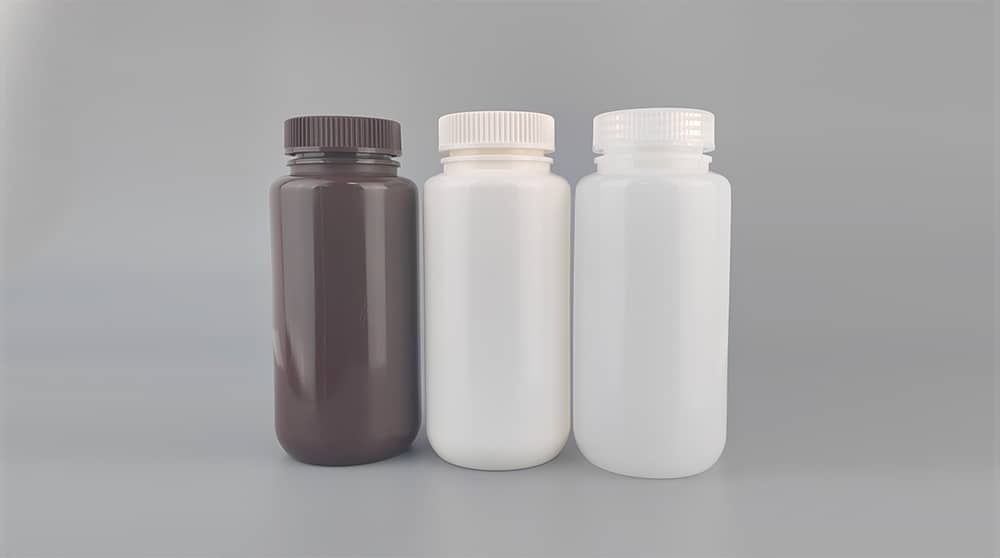
Autoclavable Containers (Typical: Polypropylene – PP)
Technical parameters:
- Material: PP (Polypropylene)
- Temperature Range: -80°C to 121°C
- Max RCF: up to 15,000–20,000 × g
- Wall Thickness: high precision, uniform
- Sealing: multi-thread + leak-proof gasket
Performance Characteristics:
- Maintains shape at 121°C
- Recovers structure after cooling
- Compatible with sterile workflows
- Stable under centrifugation after autoclaving
Critical factor:
- Wall thickness consistency prevents deformation and stress points
Non-Autoclavable Containers (Typical: HDPE, PET, LDPE)
HDPE
- Temperature Range: -50°C to 110°C
- Deforms under repeated 121°C cycles
PET
- Temperature Range: 0°C to 60–70°C
- Softens and loses structure under heat
LDPE
- Temperature Range: -50°C to 80–90°C
- Flexible but not heat-stable
Common Limitations:
- Structural deformation
- Seal failure after heating
- Material softening or warping
These containers may tolerate mild heat but are not suitable for sterilization cycles.
Structural Behavior Under Autoclaving
Key Failure Modes:
- Wall deformation → volume change
- Thread distortion → poor cap engagement
- Gasket relaxation → loss of sealing pressure
JSBIO design approach for PP:
- Controlled wall thickness distribution
- Reinforced high-stress areas (shoulder, base)
- Gasket materials resistant to compression set
Sealing Performance After Thermal Cycling
Sealing must remain stable after heating and cooling.
Autoclavable PP Containers:
- Multi-thread closure distributes stress
- Integrated leak-proof gasket design maintains compression
- Torque remains within functional range after cycles
Non-Autoclavable Containers:
- Thread deformation affects cap fit
- No gasket or low-grade liner leads to leakage
- Seal integrity decreases over time
Temperature Range Comparison
- PP: -80°C to 121°C
- HDPE: -50°C to 110°C
- PET: up to ~70°C
- LDPE: up to ~90°C
Only PP supports full laboratory temperature workflows including sterilization.
Centrifugation Considerations (Max RCF)
After autoclaving, containers may be used in centrifugation.
- PP: up to 15,000 × g (structure-dependent)
- HDPE / PET / LDPE: not suitable for high RCF
Thermal exposure can reduce structural strength if material is not designed for it.
Technical Specifications Comparison
| Parameter | Autoclavable (PP) | HDPE | PET | LDPE |
| Temperature Range | -80°C to 121°C | -50°C to 110°C | 0°C to 70°C | -50°C to 90°C |
| Autoclavable | Yes | Limited | No | No |
| Max RCF | Up to 20,000 × g | Low | Not suitable | Not suitable |
| Wall Thickness Control | High precision | Medium | Thin | Flexible |
| Structural Stability (Heat) | High | Moderate | Low | Low |
| Leak-proof Design | Advanced (gasket + thread) | Optional | Basic | Basic |
| Reusability (Sterile) | High | Low | Low | Low |
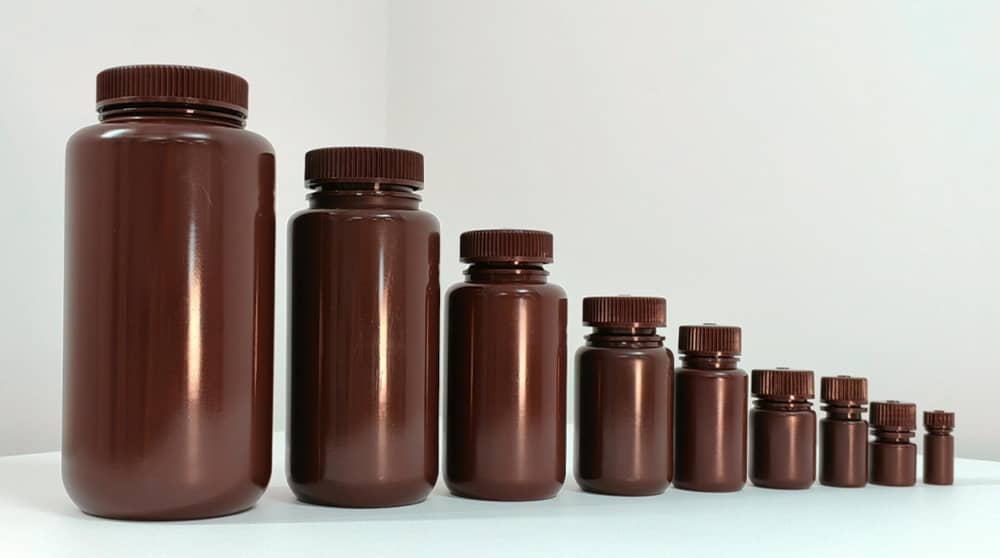
Lab Tips: When to Use Autoclavable vs Non-Autoclavable
Choose Autoclavable (PP) when:
✔ Sterilization at 121°C is required
✔ Reusable containers are needed
✔ Working with sensitive biological or pharmaceutical samples
✔ Centrifugation follows sterilization
✔ Leak-proof sealing is critical
Choose Non-Autoclavable when:
✔ Single-use applications
✔ No sterilization required
✔ Cost-sensitive workflows
✔ Mild temperature conditions only
Common Mistakes in Labs
- Using HDPE containers in autoclave cycles → deformation
- Reusing non-autoclavable containers → contamination risk
- Ignoring sealing degradation after heat exposure
- Over-tightening caps before autoclaving → thread stress
- Selecting based on cost instead of thermal requirements
These issues often appear after repeated cycles.
From a Supplier’s Perspective
Autoclavability is not defined by material alone.
In OEM projects, we optimize:
- PP grade for thermal stability
- Wall thickness distribution for deformation control
- Gasket material for compression recovery
- Thread design for torque stability
Two PP containers can perform differently under repeated autoclave cycles depending on these factors.
Practical Selection Checklist
Before selecting containers:
✔ Does the application require 121°C sterilization?
✔ Is the material rated for -80°C to 121°C?
✔ Is wall thickness uniform and controlled?
✔ Does the design include a leak-proof gasket?
✔ Is sealing stable after repeated cycles?
✔ Is Max RCF sufficient for downstream processes?
If you are selecting autoclavable containers for laboratory use:
A. Request free samples for validation
→ Test deformation, sealing, and performance after autoclave cycles
B. Get a bulk quote and customization details
→ Optimize material, wall thickness, and sealing design for your workflow
If you can share your sterilization cycle (time, temperature, frequency), I can help define the exact container specifications and validation criteria.