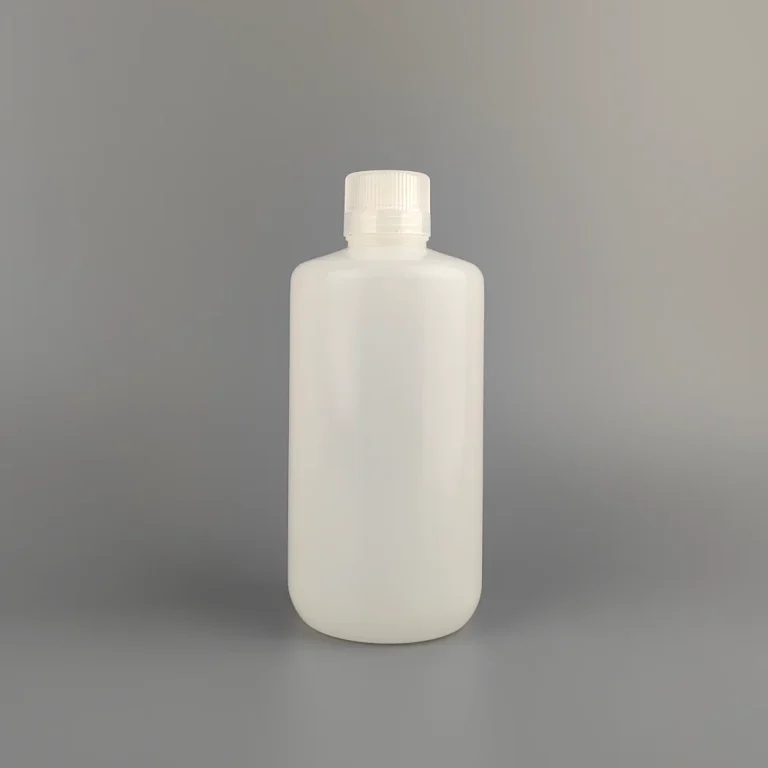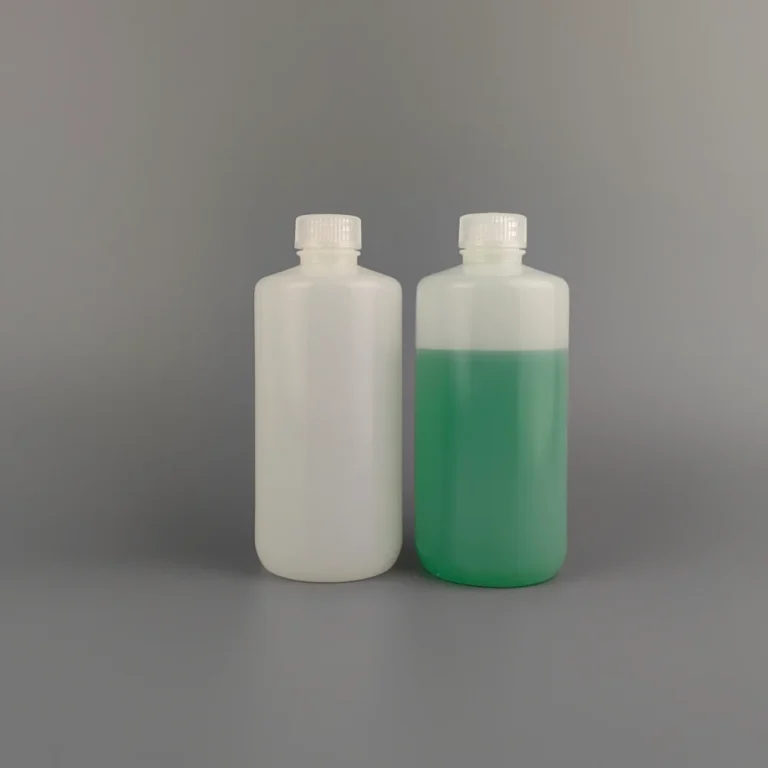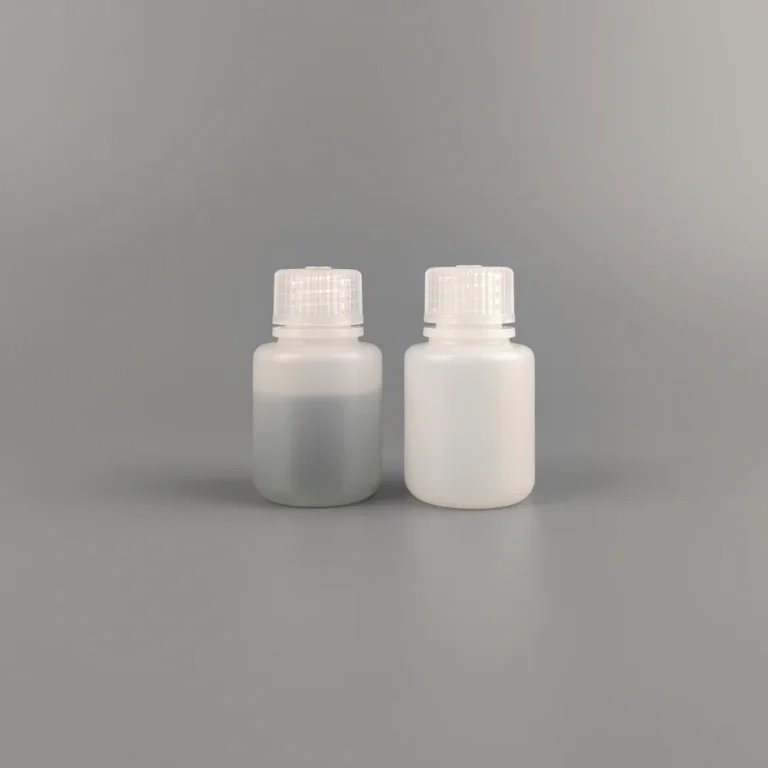
In the field of biotechnology, scientific research, and pharmaceutical development, sample integrity is the foundation of reproducible results. Whether working with cellular materials, proteins, or molecular samples, the choice of cryogenic storage containers is critical to long-term success.
This guide provides technical insights into materials, performance standards, and best practices for high-performance laboratory sample storage.
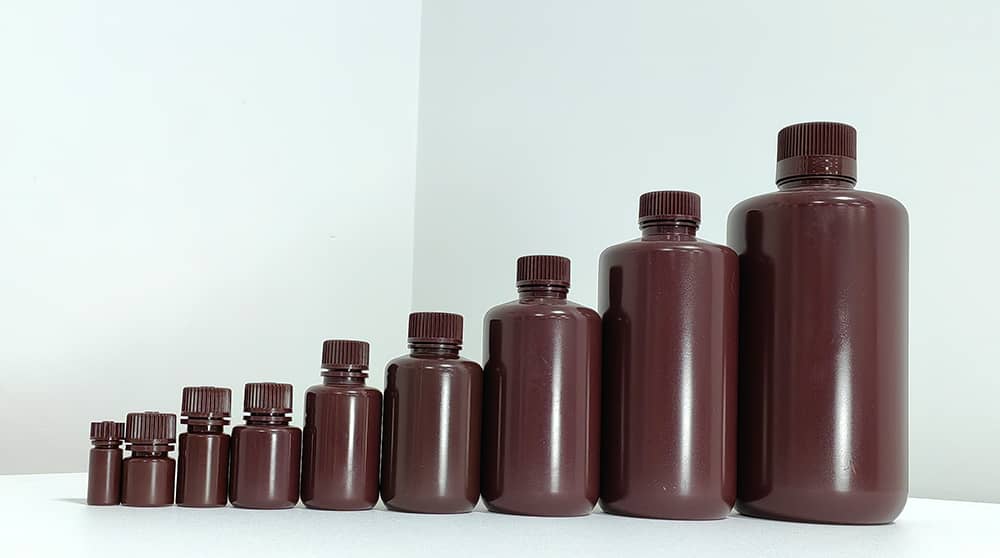
What Are Cryogenic Storage Containers?
Cryogenic storage containers are precision-engineered vessels designed to maintain structural stability and sample viability in extreme temperature environments, specifically ultra-low temperature freezers (-80°C).
These specialized containers are constructed to resist mechanical stress caused by thermal cycling, ensuring that research assets remain secure during standard deep-freeze storage.
Why Quality Storage Is Essential for R&D
High-performance storage solutions are vital for protecting sensitive molecular structures. Key benefits include:
- Sample Preservation: Prevents degradation of proteins and nucleic acids.
- Structural Durability: Withstands freezing cycles without fracture or leakage.
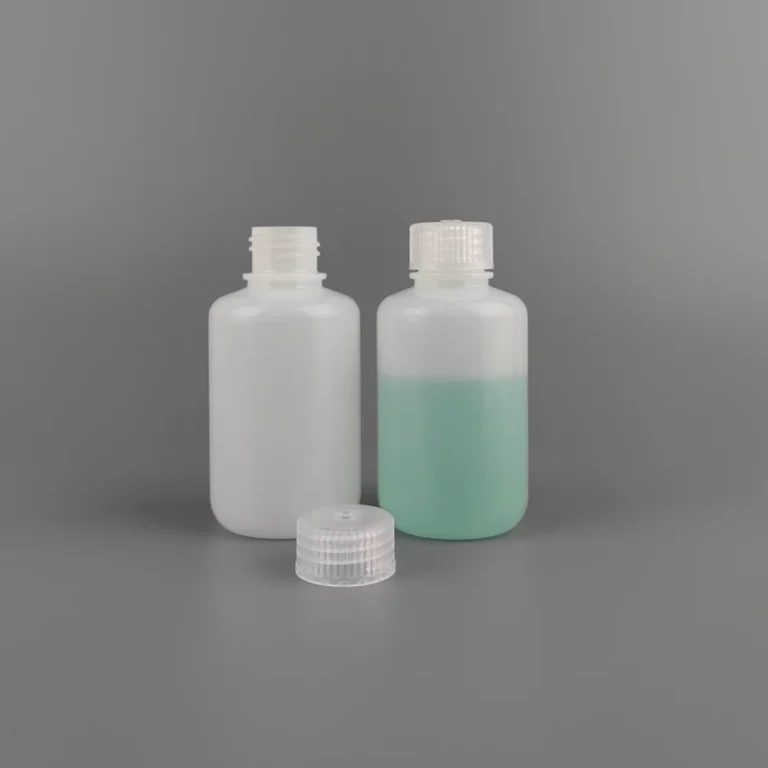
- Advanced Leak-Proof Engineering: Our containers feature an internal thread design with a precision-engineered cone-seal. This mechanism creates an airtight barrier, ensuring superior protection against cross-contamination and sample loss.
- Space-Efficient Design: Engineered with a standardized footprint, these containers provide stable, upright positioning on laboratory benches and allow for efficient organization in standard deep-freeze units without the need for specialized racking systems.
Technical Performance Specifications
When selecting containers for your research facility, prioritize these critical performance indicators:
| Feature | Technical Requirement |
| Thermal Resilience | Optimized for secure storage down to -80°C. |
| Seal Integrity | Leak-proof closure systems validated for ultra-low temperature freezers. |
| Chemical Inertness | Neutral material composition to prevent reagent interference. |
| Surface Properties | Low-binding surface to maximize recovery of small-volume samples. |
| Purity Standards | Certified RNase/DNase-free for high-sensitivity research protocols. |
Material Standards: HDPE Performance
Our containers are manufactured using high-quality High-Density Polyethylene (HDPE), which is widely recognized for its excellent performance in research laboratory environments:
1.Temperature Suitability: Engineered specifically for reliable stability at -80°C.
2.Impact Resistance: Superior durability during handling and transport at standard deep-freeze temperatures.
3.Chemical Compatibility: Excellent non-reactivity with standard laboratory buffers and protective reagents used in freezing protocols.
Note: These containers are designed for use in ultra-low temperature freezers. They are not intended for use in liquid nitrogen (LN2) immersion.
Best Practices for Laboratory Sample Management
Containers must withstand:
- Implement Aliquoting: Divide bulk samples into smaller units to minimize repeated exposure to temperature fluctuations.
- Utilize Cryo-Resistant Labeling: Use solvents and temperature-resistant labels to ensure long-term traceability.
- Ensure Proper Headspace: Prevent container rupture by accounting for volume expansion during freezing.
- Compatibility Verification: Confirm that your containers are compatible with your inventory management systems.
Choosing the Right Solution
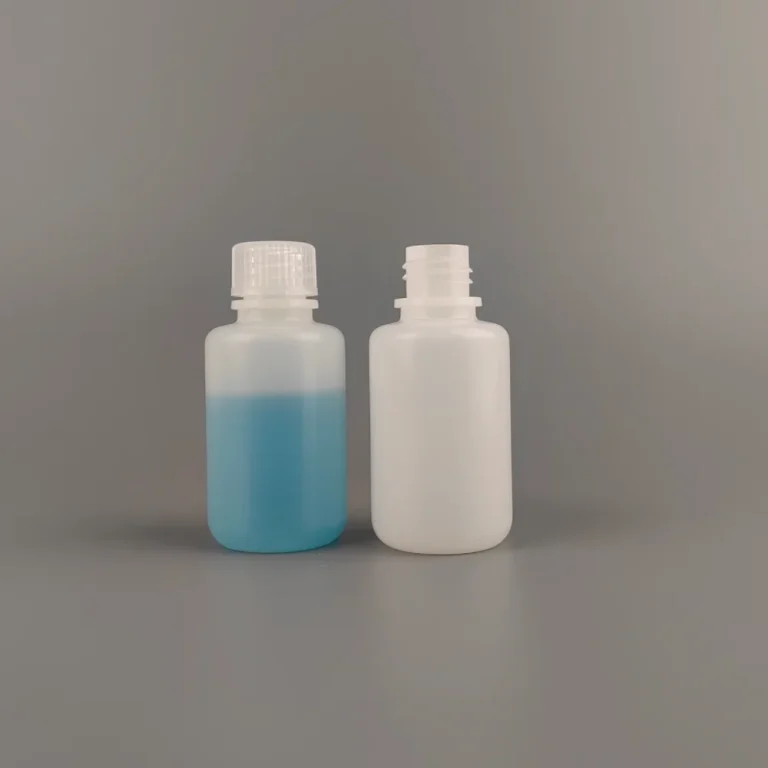
1.Volume Requirements: Select optimal vial sizes (4mL) based on experimental needs.
2.Closure Design: Choose between internal or external thread options based on your specific rack requirements.
3.Certification Needs: Verify if your protocols require sterile or RNase/DNase-free documentation.
High-Quality Storage Solutions for Your Laboratory
We provide professional-grade HDPE storage containers specifically engineered for rigorous research and development environments.
- Performance: Validated for ultra-low temperature freezer storage (-80°C).
- Quality Assurance: Sterile and RNase/DNase-free options available.
- Scalability: Flexible configurations for diverse lab setups.
Contact our technical support team to discuss your specific laboratory storage requirements or to request a product catalog.
Disclaimer: Products are intended for laboratory and research use only. Always verify storage temperature limits before use.