Contamination is one of the most critical challenges in biotechnology laboratories. Even a small contamination event can compromise experiments, damage valuable samples, and lead to inaccurate results.
Biotech labs handle sensitive materials such as DNA, RNA, proteins, and cell cultures—all of which are highly susceptible to contamination from microorganisms, chemicals, and environmental exposure.
Therefore, preventing contamination is not just a best practice—it is a fundamental requirement for reliable and reproducible scientific work.
This guide explores the causes of contamination, effective prevention strategies, and the role of proper laboratory containers in maintaining sample integrity.

What Is Contamination in Biotech Labs?
Contamination occurs when unwanted substances interfere with samples or experimental processes.
Common Types of Contamination:
- Microbial contamination: bacteria, fungi, viruses
- Cross-contamination: mixing of different samples
- Chemical contamination: unwanted reactions or residues
- Particulate contamination: dust or airborne particles
Each type can negatively affect experimental outcomes.
Why Contamination Control Is Critical
Failing to prevent contamination can lead to:
- Loss of valuable samples
- Inaccurate or irreproducible results
- Increased operational costs
- Delays in research or production
- Regulatory compliance issues
In high-stakes environments like biotechnology and pharmaceuticals, contamination can have significant consequences.
Main Sources of Contamination
1. Human Handling
- Improper glove use
- Direct contact with samples
- Poor hygiene practices
2. Laboratory Environment
- Airborne particles
- Uncontrolled airflow
- Inadequate cleaning
3. Equipment and Tools
- Unsterilized instruments
- Reused consumables
- Poor maintenance
4. Containers and Storage Systems
- Non-sterile containers
- Poor sealing
- Incompatible materials
Key Strategies to Prevent Contamination
1. Maintain Sterile Techniques
- Work in laminar flow hoods
- Use sterile tools and consumables
- Minimize exposure time
2. Use High-Quality Sterile Containers
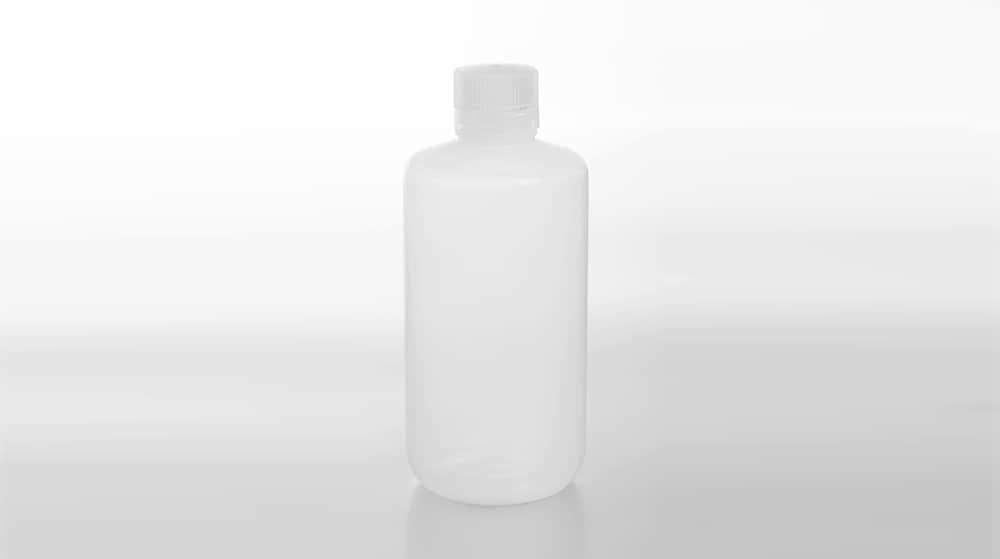
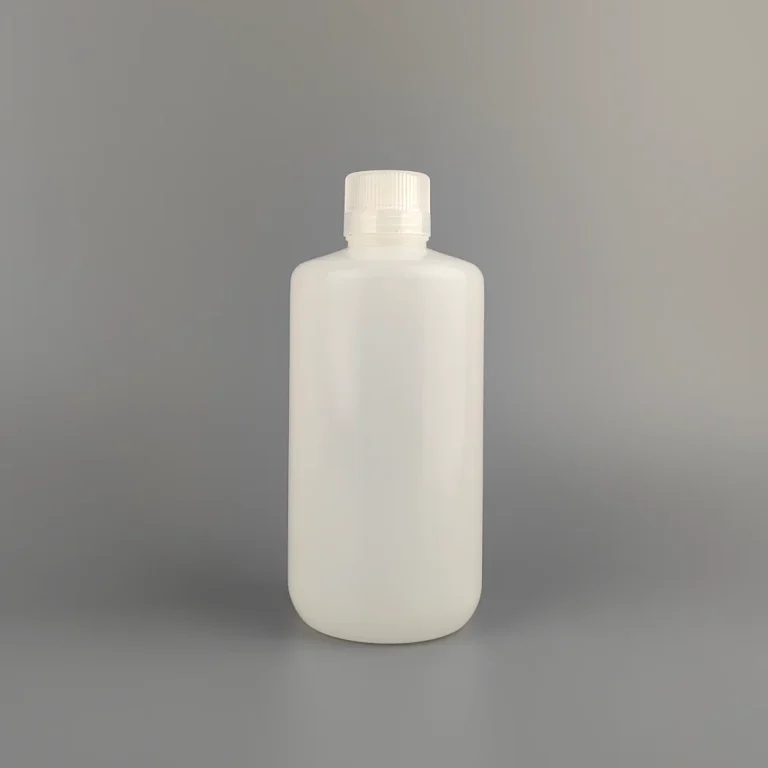
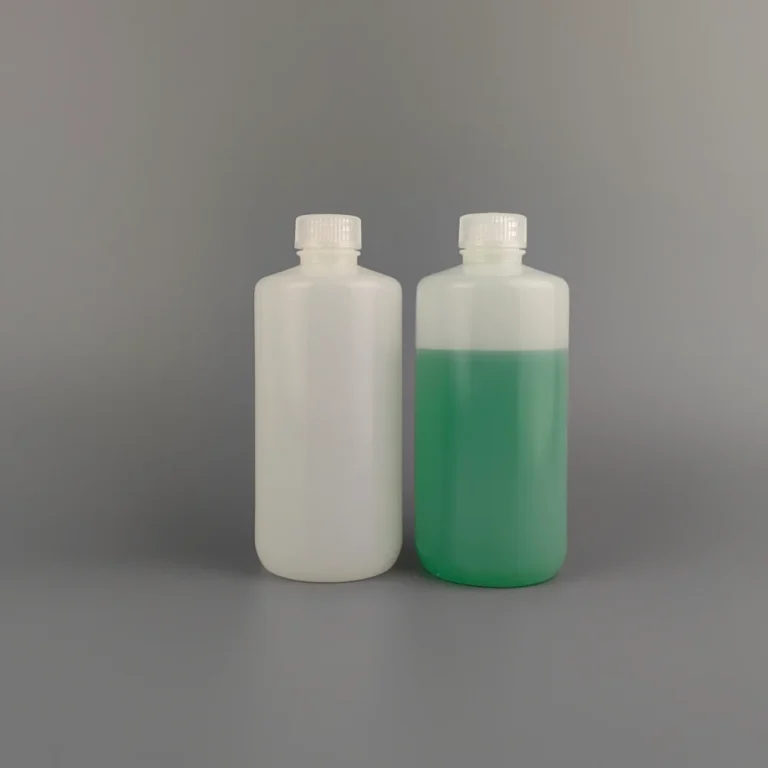
Containers are a primary defense against contamination.
Key Features:
- Pre-sterilized or autoclavable
- Leak-proof sealing
- RNase/DNase-free (for molecular work)
- Low-binding surfaces (to protect sensitive samples)
3. Implement Proper Personal Hygiene
- Wear gloves, lab coats, and masks
- Change gloves frequently
- Avoid direct contact with samples
4. Control the Laboratory Environment
- Maintain cleanroom conditions when required
- Use HEPA filtration systems
- Regularly disinfect surfaces
5. Proper Sample Handling
- Open containers only when necessary
- Avoid cross-contact between samples
- Use dedicated tools for each sample
6. Ensure Proper Storage Conditions
- Maintain consistent temperature
- Use appropriate containers for each sample type
- Label and organize samples properly

Role of Containers in Contamination Prevention
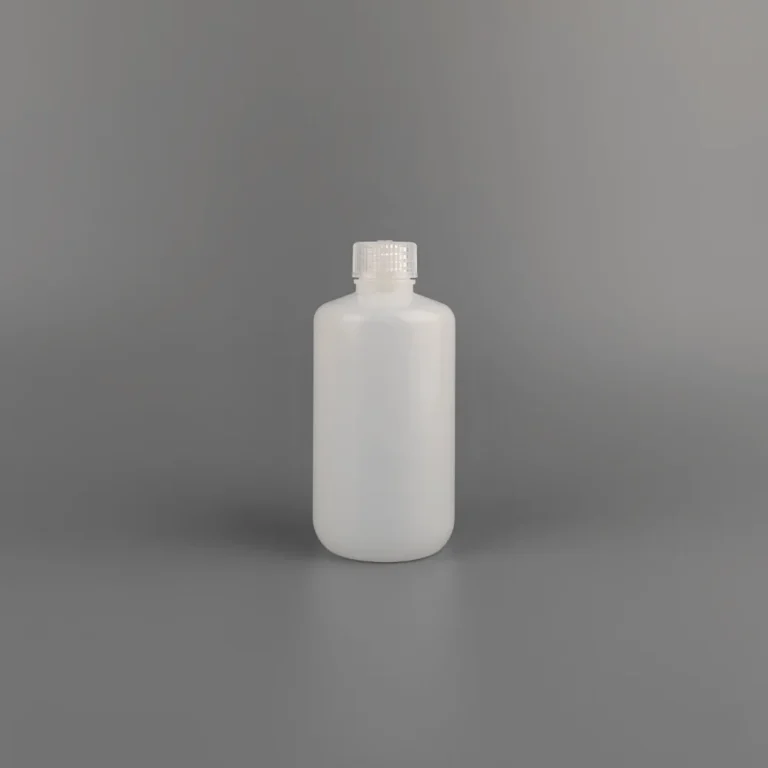
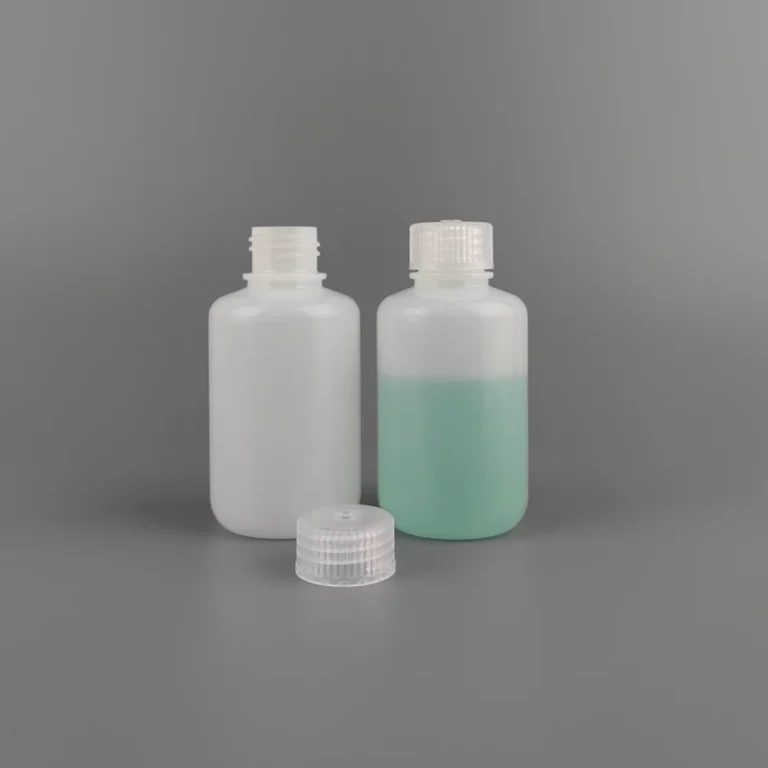
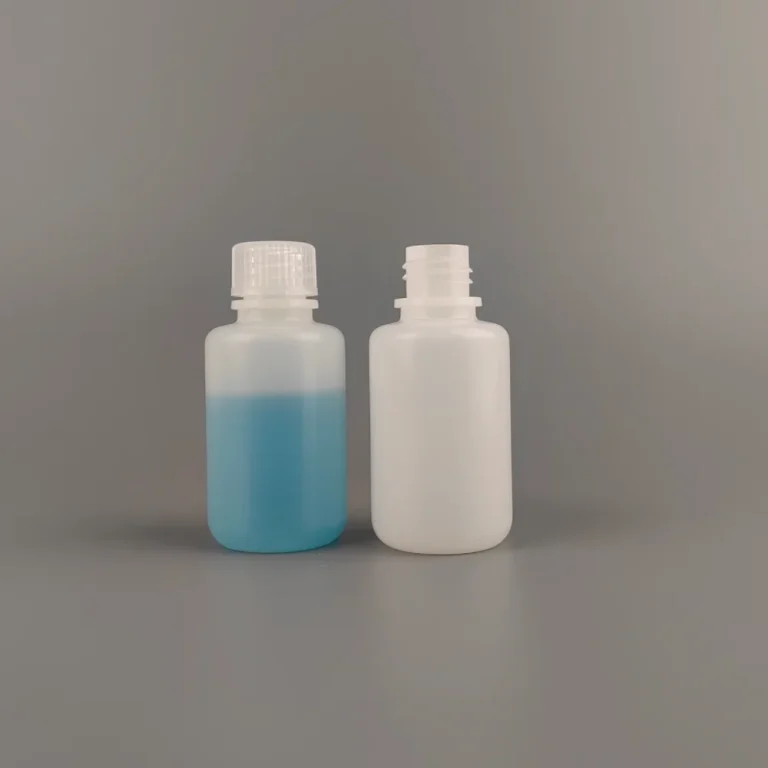
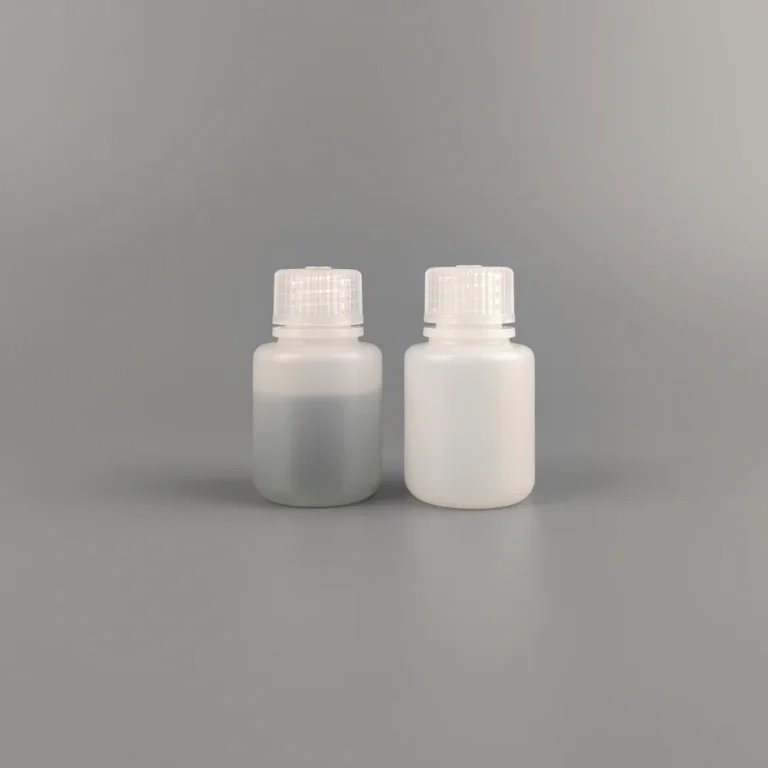
Laboratory containers play a critical role in protecting samples.
Why Container Quality Matters:
- Prevents external contamination
- Maintains sterility
- Protects against leakage and exposure
- Ensures chemical compatibility
Recommended Materials:
- Polypropylene (PP):
Sterile, low-binding, and widely used in biotech labs - Specialty sterile plastics:
Designed for sensitive applications such as DNA/RNA storage
Best Practices for Contamination-Free Storage
Use Sterile and Certified Containers
- Ensure containers meet laboratory standards
- Use RNase/DNase-free products when required
Avoid Reusing Disposable Containers
- Reduces risk of cross-contamination
- Ensures consistent quality
Seal Containers Properly
- Prevents airborne contamination
- Maintains internal conditions
Store Samples Separately
- Avoid mixing different sample types
- Use dedicated storage areas
Common Mistakes to Avoid
Using Non-Sterile Containers
Increases contamination risk
Poor Sealing
Allows external exposure
Inadequate Cleaning Procedures
Leads to persistent contamination
Improper Sample Handling
Causes cross-contamination
Applications of Contamination Control
Effective contamination prevention is essential in:
- Molecular biology laboratories
- Cell culture facilities
- Pharmaceutical manufacturing
- Clinical diagnostics
- Biotechnology research
Custom Solutions for Contamination Prevention
Laboratories may require tailored solutions.
Custom Options Include:
- Pre-sterilized containers
- Cleanroom-packaged products
- RNase/DNase-free certification
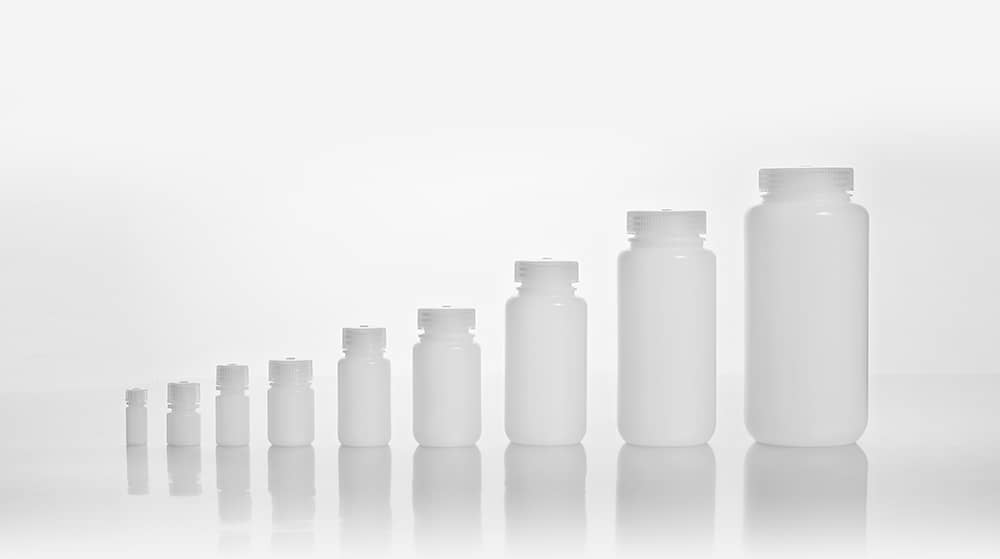
- Custom sizes and packaging
These solutions enhance safety and efficiency.
Why Contamination Prevention Matters
Strong contamination control ensures:
- Reliable experimental results
- Protection of valuable samples
- Compliance with industry standards
- Improved laboratory efficiency
Preventing contamination in biotech labs requires a combination of proper techniques, controlled environments, and high-quality laboratory containers. By implementing strict protocols and using reliable storage solutions, laboratories can protect sensitive samples and ensure consistent, accurate results.
Contamination prevention is not a one-time effort—it is an ongoing process that supports scientific integrity and operational excellence.
Looking for contamination-safe laboratory containers?
We provide high-quality sterile PP containers designed for biotechnology and molecular applications.
RNase/DNase-free options
Leak-proof and contamination-resistant
Custom OEM solutions available
Contact us today to improve contamination control in your lab.