
Biotechnology laboratories handle some of the most sensitive and valuable materials in scientific research, including DNA, RNA, proteins, cells, and biological reagents. Maintaining the integrity of these samples requires strict storage requirements and standardized procedures.
Improper storage can lead to degradation, contamination, and loss of experimental accuracy. Therefore, understanding biotech sample storage requirements is essential for ensuring reliable results and regulatory compliance.
This guide outlines the key requirements for storing biological samples in biotechnology laboratories, including container selection, environmental conditions, and best practices.
Why Biotech Sample Storage Is Critical
Biological samples are inherently unstable and highly sensitive to environmental changes.
Key Risks:
- Enzymatic degradation (e.g., RNases breaking down RNA)
- Temperature fluctuations affecting molecular structure
- Microbial contamination
- Chemical instability
Failure to meet storage requirements can result in:
- Loss of sample viability
- Inaccurate experimental data
- Increased costs due to sample replacement
Core Storage Requirements in Biotechnology Labs
1. Temperature Control
Temperature is the most critical factor in biotech sample storage.
Common Storage Conditions:
- 4°C: Short-term storage of proteins and reagents
- -20°C: Medium-term storage of DNA and enzymes
- -80°C: Long-term storage of nucleic acids and proteins
- Liquid nitrogen (-196°C): Cryopreservation of cells
Maintaining stable temperatures is essential to prevent degradation.
2. Sterility and Contamination Control
Biological samples must be protected from contamination.
Requirements:
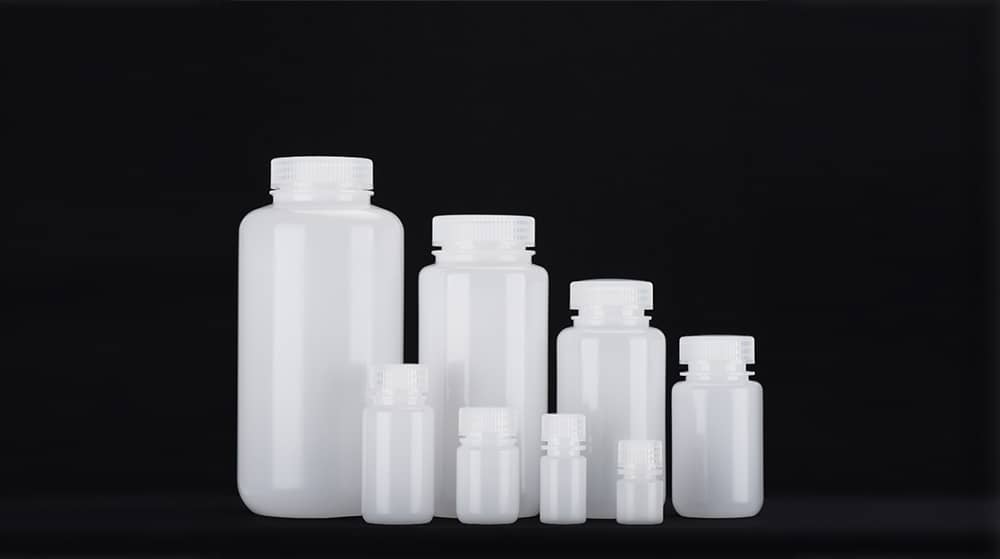
- Use sterile or pre-sterilized containers
- Ensure RNase/DNase-free conditions when required
- Handle samples in controlled environments (e.g., laminar flow hoods)
3. Container Material Compatibility
Containers must be chemically inert and compatible with biological samples.
Recommended Materials:
- Polypropylene (PP):
- Low binding properties
- Resistant to chemicals and temperature changes
- Suitable for DNA, RNA, and proteins
- Specialty low-binding plastics:
- Reduce sample adsorption
- Improve recovery rates
4. Airtight Sealing and Leak Prevention
Proper sealing ensures:
- Protection from contamination
- Prevention of evaporation
- Stability during storage and transport
Leak-proof containers are especially important for liquid samples.
5. Low Binding Surface
Biotech samples can adhere to container surfaces.
Requirements:
- Use low-binding containers for proteins and nucleic acids
- Minimize sample loss and ensure accuracy
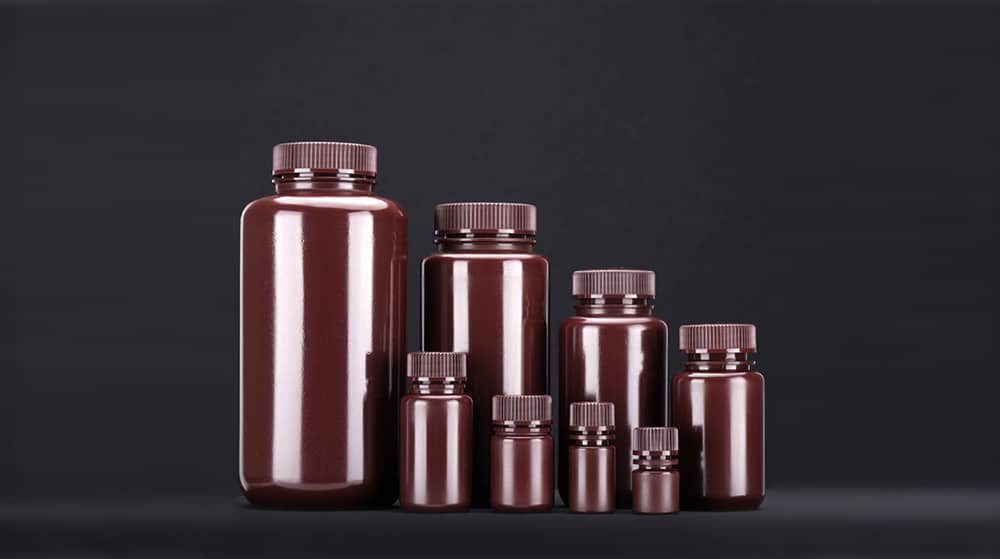
6. Light and Environmental Protection
Some biological materials are sensitive to light and oxygen.
Measures:
- Use opaque or UV-resistant containers
- Limit exposure to air
- Maintain controlled storage environments
Storage Requirements by Sample Type
DNA and RNA Samples
- Store at -20°C to -80°C
- Use RNase/DNase-free containers
- Avoid repeated freeze-thaw cycles
Protein Samples
- Store at 4°C (short-term) or -80°C (long-term)
- Use low-binding containers
- Maintain proper buffer conditions
Cell Culture Samples
- Use sterile, biocompatible containers
- Cryopreserve in liquid nitrogen for long-term storage
- Avoid contamination
Biological Reagents
- Store according to manufacturer guidelines
- Protect from light and temperature fluctuations
Best Practices for Biotech Sample Storage
Use High-Quality Containers
- Choose PP or low-binding materials
- Ensure compatibility with sample type
Maintain Consistent Storage Conditions
- Monitor temperature regularly
- Avoid fluctuations
Minimize Freeze-Thaw Cycles
- Store samples in aliquots
- Thaw only what is needed
Implement Proper Labeling
Include:
- Sample ID
- Date
- Storage conditions
- Hazard information
Follow Standard Protocols
Adhere to laboratory SOPs and industry standards.
Common Mistakes to Avoid
Using Non-Sterile Containers
Leads to contamination
Poor Temperature Management
Causes degradation
Ignoring Material Compatibility
Results in sample loss or reactions
Improper Labeling
Leads to sample mix-ups
Compliance and Regulatory Considerations
Biotechnology laboratories must comply with:
- Good Laboratory Practice (GLP)
- Good Manufacturing Practice (GMP)
- Biosafety regulations
Proper storage is essential for meeting these standards.
Applications of Biotech Sample Storage
Effective storage solutions are critical in:
- Genetic research
- Drug development
- Vaccine production
- Molecular diagnostics
- Academic research
Custom Storage Solutions for Biotechnology Labs
Different labs require tailored solutions.
Custom Options Include:
- RNase/DNase-free containers
- Low-binding surface treatments
- Sterile packaging
- Custom sizes and volumes
- Bulk supply for research facilities
Why Storage Requirements Matter
Meeting biotech storage requirements ensures:
- Sample integrity
- Reliable experimental results
- Regulatory compliance
- Operational efficiency
Biotech sample storage requires strict control over temperature, sterility, container materials, and environmental conditions. Using high-quality containers and following best practices ensures the stability and reliability of sensitive biological samples.
By implementing proper storage requirements, laboratories can improve research outcomes and maintain high scientific standards.
Looking for reliable storage solutions for biotech samples?
We provide high-quality PP and low-binding laboratory containers designed for DNA, RNA, protein, and cell storage.
RNase/DNase-free options
Suitable for ultra-low temperature storage
Custom OEM solutions availableContact us today to get a tailored solution for your biotechnology lab.