
Protein samples are widely used in biotechnology, pharmaceutical research, diagnostics, and academic laboratories. However, proteins are highly sensitive molecules that can easily degrade, denature, or lose activity if not stored properly.
Factors such as temperature fluctuations, pH changes, contamination, and improper container selection can significantly impact protein stability. Therefore, implementing reliable storage solutions for protein samples is essential to ensure accurate experimental results and long-term usability.
This guide explores the best storage solutions for protein samples, including container selection, storage conditions, and best practices.
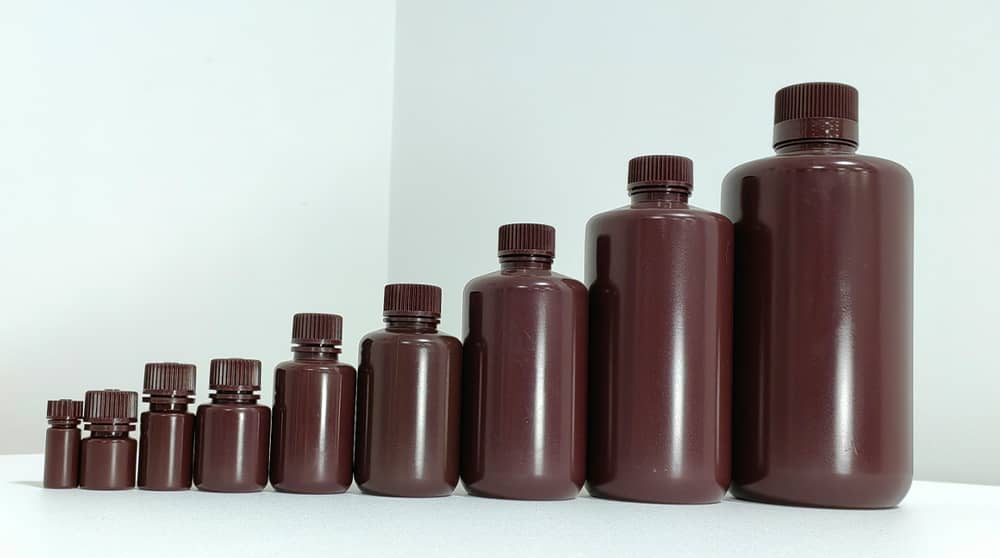
Why Protein Storage Is Challenging
Proteins are structurally complex and sensitive to environmental conditions.
Key Risks:
- Denaturation: Loss of protein structure due to heat or pH changes
- Aggregation: Proteins clump together, reducing activity
- Proteolysis: Enzymatic degradation
- Adsorption: Proteins sticking to container surfaces
Because of these risks, both storage conditions and container quality are critical.
Key Factors Affecting Protein Stability
Temperature
Temperature is the most important factor.
- 4°C: Short-term storage
- -20°C: Medium-term storage
- -80°C: Long-term storage
Lower temperatures help maintain protein structure and activity.
pH and Buffer Conditions
Proteins must be stored in appropriate buffers.
- Maintain stable pH
- Use stabilizing agents when needed
Freeze-Thaw Cycles
Repeated freezing and thawing can damage proteins.
- Causes aggregation and denaturation
- Should be minimized
Surface Interaction
Proteins can bind to container surfaces.
- Leads to sample loss
- Affects experimental accuracy
Best Containers for Protein Storage
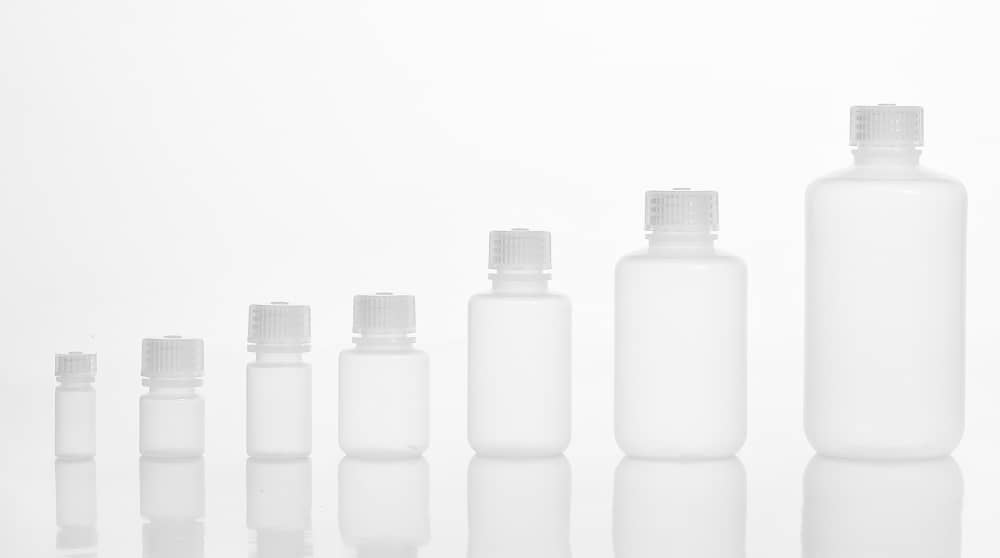
1. Low-Binding Polypropylene (PP) Containers
Most recommended option
Advantages:
- Reduced protein adsorption
- High chemical resistance
- Compatible with low temperatures
- Autoclavable
Low-binding PP containers are ideal for preserving protein integrity.
2. Cryogenic Vials
- Designed for ultra-low temperature storage
- Leak-proof and durable
- Suitable for long-term protein preservation
3. Microcentrifuge Tubes
- Used for small-volume samples
- Widely used in protein analysis workflows
4. Glass Containers (Limited Use)
- Chemically inert
- Suitable for certain applications
Limitation:
Higher risk of protein adsorption compared to low-binding plastics
Essential Features of Protein Storage Containers
When selecting containers, look for:
- Low protein-binding surfaces
- Leak-proof sealing
- Chemical compatibility with buffers
- Resistance to freezing temperatures
- Sterility (if required)
These features help maintain protein stability and prevent contamination.
Storage Methods for Protein Samples
Short-Term Storage
- Temperature: 2–8°C
- Duration: Hours to days
- Suitable for immediate use
Long-Term Storage
- Temperature: -20°C or -80°C
- Use cryogenic containers
- Add stabilizers if necessary
Aliquoting
Dividing samples into smaller volumes:
- Prevents repeated freeze-thaw cycles
- Maintains protein activity
Best Practices for Protein Sample Storage
Use Appropriate Containers
- Choose low-binding PP containers
- Ensure proper sealing
Maintain Stable Temperature
- Avoid fluctuations
- Use reliable freezers
Minimize Freeze-Thaw Cycles
- Store in aliquots
- Thaw only what is needed
Protect from Contamination
- Use sterile containers when required
- Handle samples in clean environments
Label Clearly
Include:
- Sample name
- Concentration
- Storage conditions
- Date
Common Mistakes to Avoid
Using Standard High-Binding Containers
Leads to protein loss
Repeated Freeze-Thaw Cycles
Causes degradation
Improper Buffer Conditions
Destabilizes proteins
Poor Sealing
Leads to evaporation or contamination
Applications of Protein Storage Solutions
Protein storage containers are used in:
- Biotechnology research
- Pharmaceutical development
- Proteomics studies
- Clinical diagnostics
- Academic laboratories
Custom Storage Solutions for Protein Samples
Different labs may require tailored solutions.
Custom Options Include:
- Low-binding surface treatments
- Pre-sterilized containers
- Custom sizes and volumes
- Bulk supply for research facilities
Custom solutions help improve consistency and efficiency.
Why Choosing the Right Storage Solution Matters
Proper storage solutions ensure:
- Protein stability and activity
- Accurate experimental results
- Reduced sample loss
- Improved research efficiency
In protein research, even minor storage issues can significantly affect outcomes.
Conclusion
Protein samples require specialized storage solutions to maintain stability and functionality. Low-binding polypropylene containers, cryogenic vials, and proper temperature control are essential for preserving protein integrity.
By following best practices and selecting high-quality containers, laboratories can ensure reliable results and long-term sample usability.
Looking for reliable storage solutions for protein samples?
We provide high-quality low-binding PP laboratory containers designed for biotechnology and proteomics applications.
Suitable for -80°C storage
Leak-proof and durable
Custom OEM solutions available
Contact us today to get the right solution for your protein storage needs.