
Sample preservation is a critical step in environmental testing. Whether analyzing water quality, soil composition, or air pollutants, the accuracy of test results depends heavily on how well samples are preserved from the moment of collection to laboratory analysis.
Environmental samples are highly sensitive to external factors such as temperature, light, oxygen exposure, and microbial activity. Without proper preservation, samples can degrade, leading to inaccurate data and unreliable conclusions.
In this guide, we explore the key principles, methods, and best practices for effective sample preservation in environmental testing.
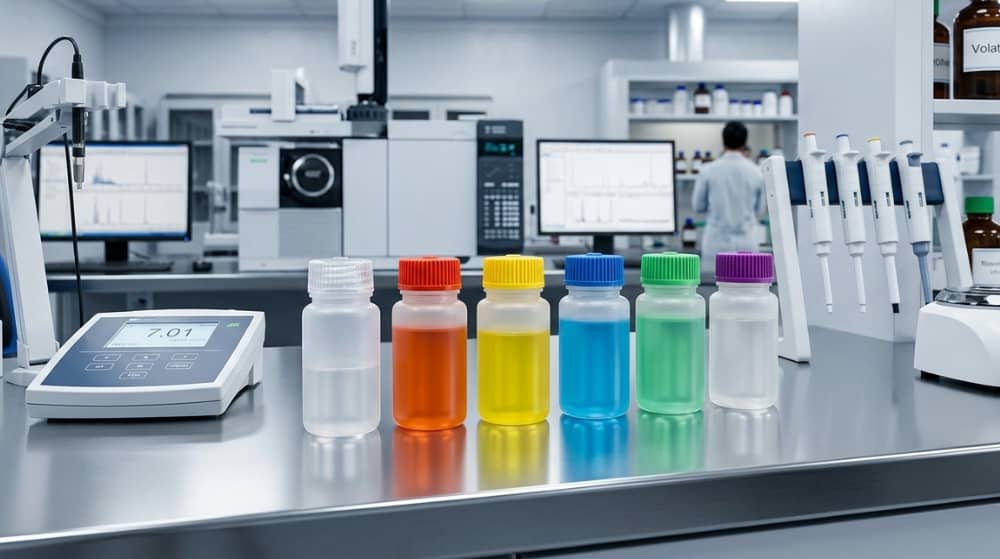
Why Sample Preservation Matters
Preservation ensures that the sample remains as close as possible to its original state.
Key Objectives:
- Prevent chemical and biological changes
- Minimize contamination
- Maintain sample stability during transport and storage
- Ensure compliance with testing standards
Improper preservation can lead to:
- Loss of volatile compounds
- Microbial growth
- Chemical degradation
- False test results
Common Environmental Samples
Different types of samples require different preservation approaches.
1. Water Samples
- Drinking water
- Wastewater
- Surface water (rivers, lakes)
2. Soil Samples
- Agricultural soil
- Contaminated land
- Sediment samples
3. Air and Gas Samples
- Air pollutants
- Industrial emissions
Each sample type has unique preservation requirements.
Key Factors Affecting Sample Preservation
Temperature
Temperature control is one of the most important factors.
- Low temperatures slow down chemical reactions
- Refrigeration is commonly used for water samples
- Freezing may be required for biological components
Light Exposure
Some compounds degrade under light.
- Use opaque or amber containers
- Store samples in dark conditions when necessary
Oxygen Exposure
Oxidation can alter sample composition.
- Use airtight containers
- Minimize headspace in bottles
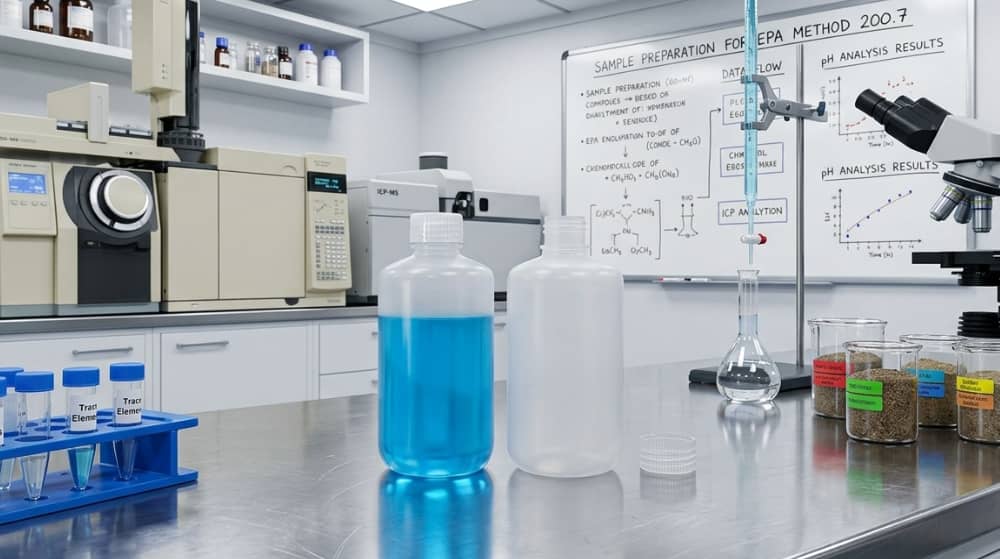
Time
The longer a sample is stored, the higher the risk of degradation.
- Analyze samples as soon as possible
- Follow recommended holding times
Sample Preservation Methods
1. Chemical Preservation
Adding preservatives helps stabilize samples.
Common Preservatives:
- Acids (e.g., nitric acid)
- Bases
- Chemical inhibitors
These are used to:
- Prevent microbial growth
- Stabilize specific compounds
2. Temperature Control
- Refrigeration (typically 4°C)
- Freezing for long-term storage
Temperature control slows biological and chemical activity.
3. Filtration
Used mainly for water samples.
- Removes particulates
- Stabilizes dissolved substances
4. Proper Container Selection
Choosing the right container is essential.
Recommended Materials:
- HDPE containers:
Excellent for chemical resistance - PP containers:
Suitable for mixed and biological samples
Role of Containers in Sample Preservation
Containers are not just storage tools—they directly impact sample integrity.
Key Features to Look For:
- Chemical resistance
- Leak-proof sealing
- Low reactivity with samples
- Durability for transport
- Compatibility with preservation methods
Using low-quality containers can lead to contamination and sample loss.
Best Practices for Environmental Sample Preservation
Use Clean and Appropriate Containers
- Pre-cleaned or sterile containers when required
- Avoid cross-contamination
Label Samples Clearly
Include:
- Sample ID
- Collection date and time
- Location
- Preservation method
Minimize Handling
- Reduce exposure to air and contaminants
- Seal containers immediately after collection
Follow Standard Protocols
Adhere to environmental testing guidelines and procedures.
Control Storage Conditions
- Maintain consistent temperature
- Protect from light and physical damage
Common Mistakes to Avoid
Using the Wrong Container Material
Can cause chemical reactions
Delayed Preservation
Leads to sample degradation
Improper Sealing
Results in leakage or contamination
Ignoring Holding Times
Affects data accuracy
Applications of Proper Sample Preservation
Effective preservation is critical in:
- Water quality monitoring
- Soil contamination analysis
- Environmental impact assessments
- Industrial pollution testing
- Regulatory compliance testing
Benefits of Proper Preservation
- Accurate and reliable results
- Reduced need for re-sampling
- Improved laboratory efficiency
- Compliance with environmental standards
Conclusion
Sample preservation is a fundamental part of environmental testing. By controlling temperature, minimizing contamination, and using appropriate containers, laboratories can ensure that samples remain stable and representative of their original conditions.
Investing in proper preservation methods and high-quality containers is essential for achieving reliable and compliant testing results.
Looking for reliable containers for environmental sample preservation?
We provide high-quality PP and HDPE laboratory containers designed for water, soil, and environmental testing applications.
Chemical-resistant and leak-proof
Suitable for field and laboratory use
Bulk supply and customization availableContact us today to find the right solution for your environmental testing needs.