
China has become one of the world’s leading manufacturing hubs for laboratory containers, offering a wide range of products at competitive prices. From biotechnology and pharmaceutical applications to environmental and chemical testing, global buyers increasingly turn to Chinese suppliers for reliable and scalable solutions.
However, sourcing lab containers from China requires more than just finding a low-cost supplier. Quality control, compliance, communication, and logistics all play critical roles in ensuring a successful partnership.
In this guide, we explain how to source laboratory containers from China efficiently, safely, and cost-effectively.
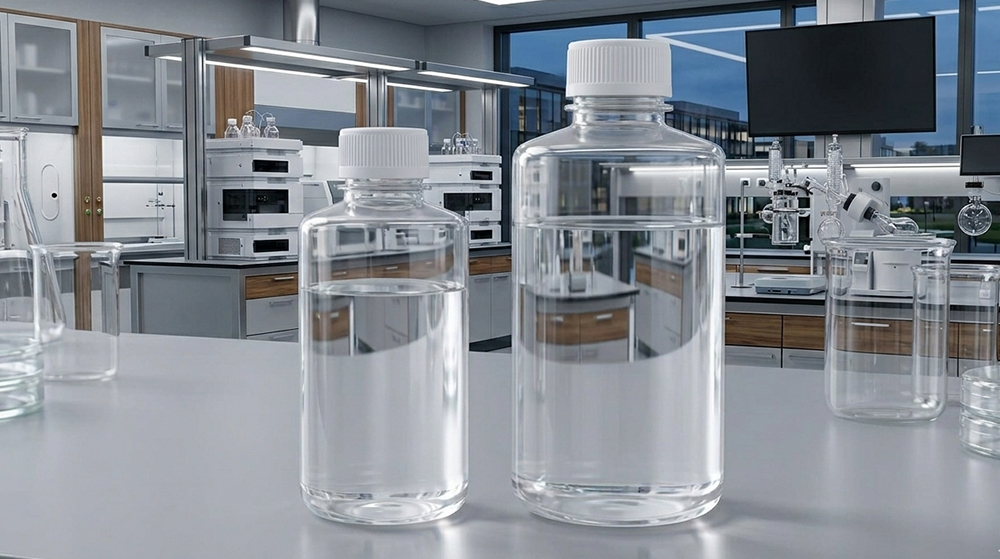
Why Source Lab Containers from China?
1. Cost Advantages
Chinese manufacturers offer competitive pricing due to:
- Large-scale production capabilities
- Mature supply chains
- Lower manufacturing costs
This makes bulk purchasing more cost-effective compared to many other regions.
2. Wide Product Range
Suppliers in China offer:
- PP and HDPE laboratory bottles
- Sterile and non-sterile containers
- Custom OEM solutions
- Various sizes and designs
This flexibility makes it easier to find or customize products for specific applications.
3. Strong OEM & Customization Capabilities
Many Chinese manufacturers specialize in OEM production.
You can customize:
- Bottle shape and size
- Materials and thickness
- Caps and sealing systems
- Branding and packaging
Step-by-Step Guide to Sourcing Lab Containers
Step 1: Define Your Requirements Clearly
Before contacting suppliers, define:
- Type of samples (biological, chemical, environmental)
- Required materials (PP, HDPE, etc.)
- Volume and size
- Sterility requirements
- Compliance standards (GMP, GLP, etc.)
Clear specifications reduce misunderstandings and improve supplier matching.
Step 2: Search for Reliable Suppliers
You can find suppliers through:
- Google search (best for direct manufacturers)
- B2B platforms (like Alibaba, Made-in-China)
- Industry exhibitions
Look for suppliers with professional websites and detailed product pages.
Step 3: Evaluate Supplier Credibility
Not all suppliers are equal. Carefully assess:
- Manufacturing experience
- Product range and specialization
- Certifications and compliance
- Customer reviews or case studies
- Export experience
A reliable supplier should be transparent and responsive.
Step 4: Request Samples
Always request samples before placing bulk orders.
Check for:
- Material quality
- Sealing performance
- Durability
- Size accuracy
Testing samples ensures the product meets your expectations.
Step 5: Verify Manufacturing Capabilities
Ask suppliers about:
- Production capacity
- OEM experience
- Mold development capabilities
- Quality control processes
This is especially important for customized products.
Step 6: Understand Pricing and MOQ
Key factors affecting price:
- Order quantity (MOQ)
- Customization requirements
- Material type
- Packaging
Clarify all costs, including:
- Unit price
- Mold fees (if applicable)
- Shipping costs
Step 7: Confirm Quality Control Standards
Quality assurance is critical.
Ensure the supplier has:
- Strict QC procedures
- Leak testing processes
- Material verification
- Compliance with international standards
Step 8: Arrange Shipping and Logistics
Common shipping methods:
- Sea freight (cost-effective for bulk orders)
- Air freight (faster but more expensive)
Also consider:
- Packaging quality
- Delivery time
- Customs clearance

OEM vs Standard Products: What to Choose?
Standard Products
- Faster delivery
- Lower upfront cost
- Limited customization
OEM Products
- Fully customized design
- Better brand differentiation
- Higher initial investment (molds, design)
Choose based on your business needs and order volume.
Common Challenges When Sourcing from China
Communication Barriers
Misunderstandings in specifications
Quality Inconsistency
Working with inexperienced suppliers
Hidden Costs
Unclear pricing structures
Long Lead Times
Especially for custom production
How to Avoid These Problems
- Work with experienced manufacturers
- Provide clear specifications and drawings
- Request samples and confirm quality
- Maintain regular communication
- Use written agreements for key terms
How to Choose the Right Supplier
A good supplier should offer:
- Strong OEM capabilities
- High-quality materials (PP, HDPE)
- Compliance with GMP/GLP standards
- Reliable production timelines
- Professional communication
Long-term cooperation is more valuable than short-term cost savings.
Why Work Directly with a Manufacturer?
Instead of trading companies, working with a direct manufacturer offers:
- Better pricing
- More control over customization
- Faster communication
- Improved quality consistency
Conclusion
Sourcing lab containers from China can provide significant cost and customization advantages when done correctly. By carefully selecting suppliers, verifying quality, and managing logistics, buyers can build reliable and long-term partnerships.
Whether you need standard containers or fully customized OEM solutions, China offers a wide range of options to meet your laboratory needs.
Looking for a reliable lab container supplier in China?
We are a professional manufacturer of PP and HDPE laboratory containers, offering:
OEM customization services
Sterile and non-sterile options
Strict quality control
Global export experience
Contact us today to get a quote and samples.