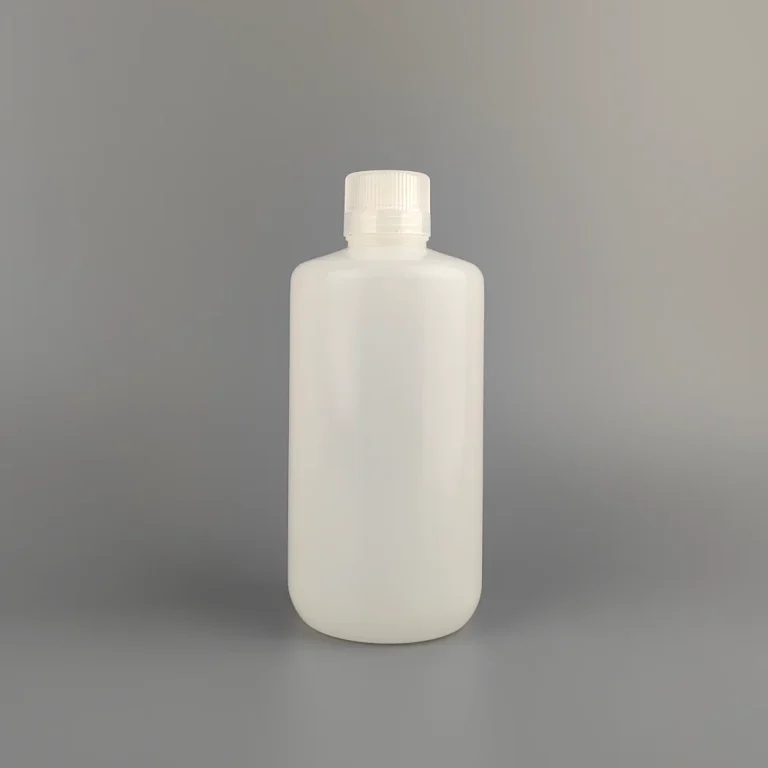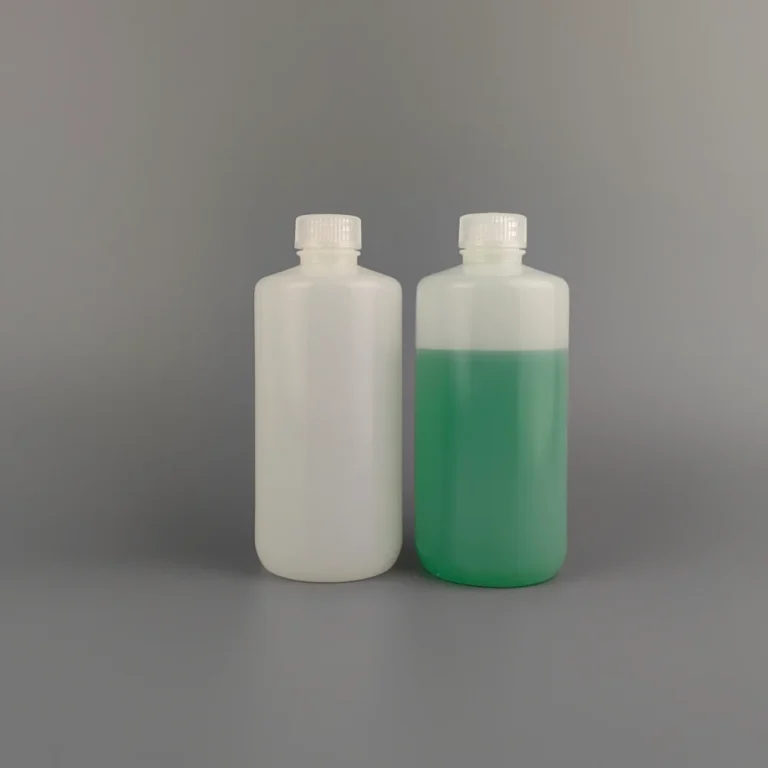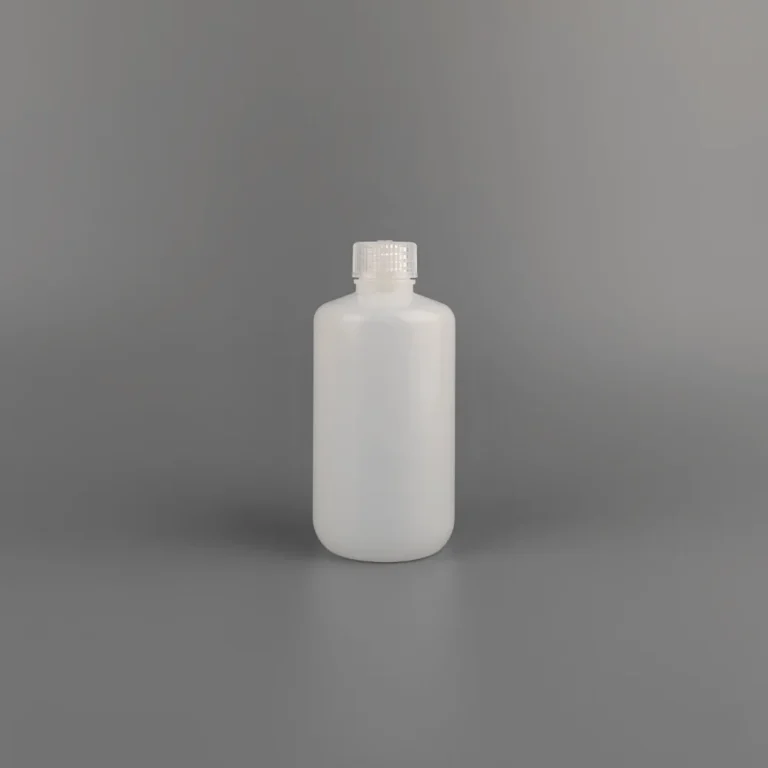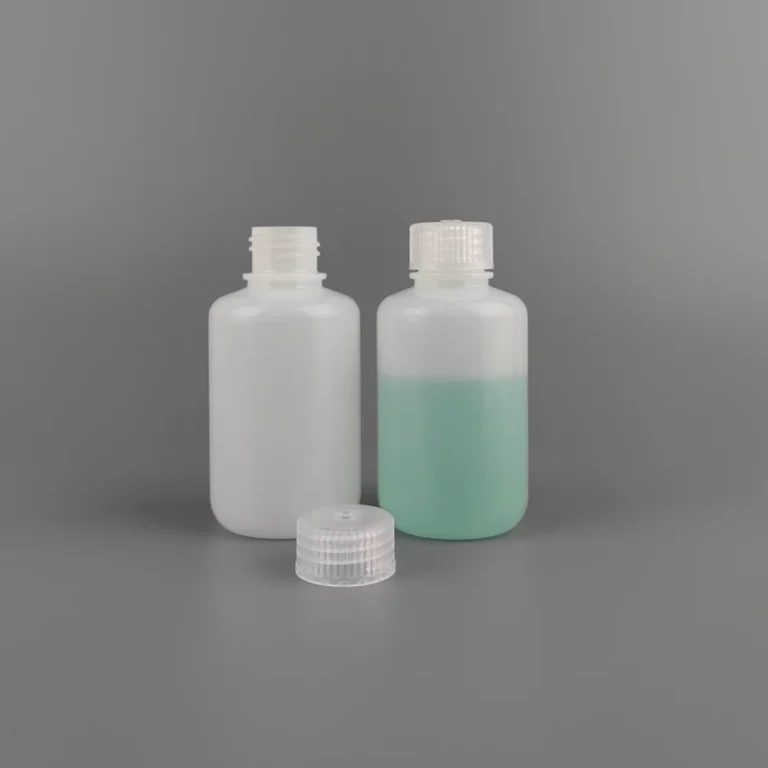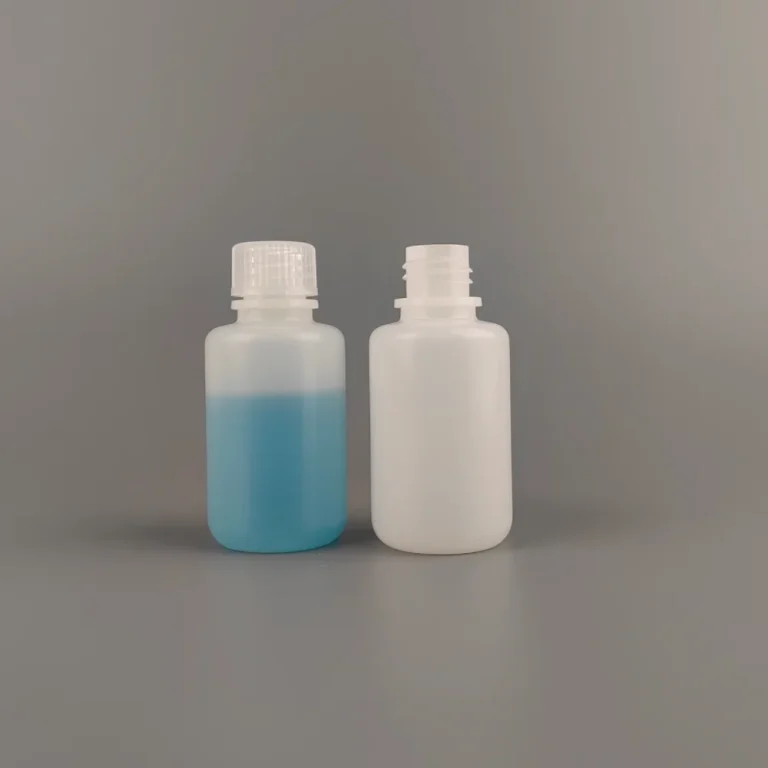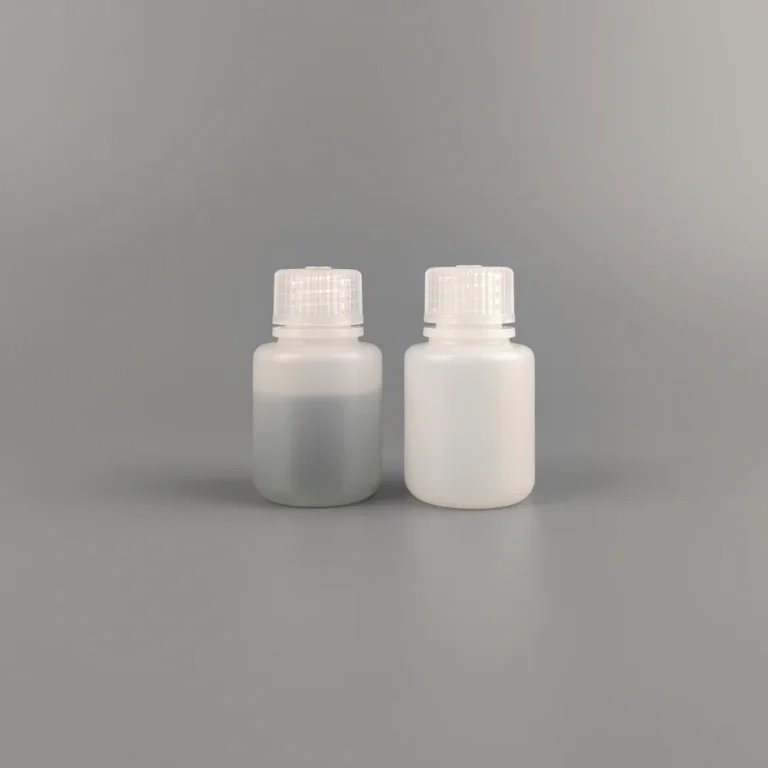
Selecting the right plastic laboratory bottles and containers for sample storage is essential for maintaining sample integrity, preventing contamination, and ensuring long-term reliability in laboratory and industrial sectors. From diagnostic kit manufacturers in the USA to research laboratories and environmental testing facilities in Europe and Australia, sourcing high-quality HDPE laboratory bottles, PP sample containers, and multi-purpose microcentrifuge tubes is fundamental to seamless industrial workflows.
As a professional laboratory consumables supplier specializing in plastic labware, we understand that B2B procurement managers and scientific distributors require durable, high-performance, and leak-proof sample bottles that can withstand rigorous chemical and industrial environments. In this comprehensive guide, we will explore the best materials, key selection criteria, and why premium plastic solutions represent the future of efficient laboratory logistics.
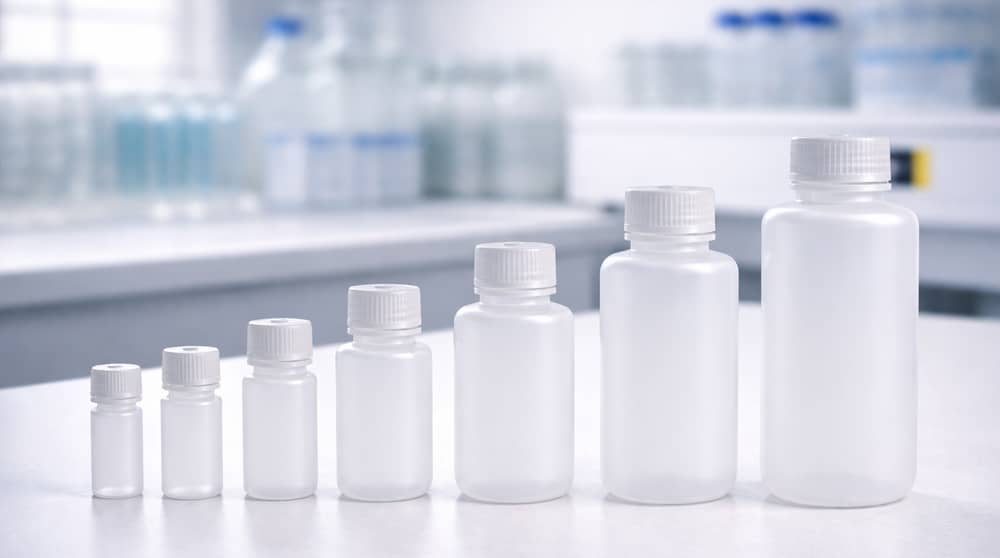
Why Plastic is Replacing Glass in Modern Sample Storage
While historic laboratories relied heavily on glass, modern B2B supply chains and high-throughput research facilities have overwhelmingly transitioned to specialized plastics like High-Density Polyethylene (HDPE) and Polypropylene (PP). This shift is driven by substantial functional and economic advantages:
- Unmatched Breakage Resistance: Glass hazards present significant safety risks and potential sample loss in fast-paced lab environments. Premium plastic reagent bottles are virtually shatterproof, protecting valuable samples and aggressive chemical reagents.
- Reduced Logistics and Shipping Costs: For international wholesale lab sample bottles procurement, weight directly impacts the bottom line. Plastic containers are lightweight, drastically reducing overseas air and ocean freight costs under DAP terms.
- Superior Chemical Inertness: Specialized engineering plastics provide exceptional resistance to acids, alkalis, and organic solvents, preventing trace elements from leaching into sensitive chemical or diagnostic samples.
Common Types of Laboratory Sample Storage Containers
Different laboratory applications require different container types.
1. Polypropylene (PP) Laboratory Containers: For High-Temperature and High-Clarity Applications
Polypropylene (PP) is a semi-transparent, highly rigid polymer widely utilized for high-performance PP sample containers and versatile biological storage solutions. It is the premier choice when visual monitoring and thermal stability are required simultaneously.
Key Features and Material Specifications of PP:
- Autoclavable Performance: PP containers can withstand standard sterilization temperatures up to 121°C, making them ideal for culture media preparation, buffers, and molecular biology workflows.
- Excellent Structural Integrity for Dual-Use: Highly resistant to mechanical and thermal stress, our medical-grade PP is the standard material for manufacturing high-performance autoclavable centrifuge tubes and microcentrifuge tubes 1.5ml . These tubes feature structural fortifications to endure high-speed centrifugation (up to 20,000 x g or higher) while doubling as robust daily storage vials.
- Good Chemical Resistance: Offers robust defense against a broad spectrum of laboratory acids, bases, and continuous heat exposure.
Primary Applications:
PP is heavily integrated into non-clinical R&D diagnostics, chemical testing storage, DNA/RNA extraction protocols, and any environment utilizing automated liquid handling systems that demand rigid tolerances.
2. High-Density Polyethylene (HDPE) Laboratory Bottles: The Standard for Chemical Storage
When it comes to unyielding chemical resistance and low-temperature durability, High-Density Polyethylene (HDPE) is the industry benchmark. HDPE is translucent to opaque and provides an exceptional moisture barrier for sensitive liquid and powder formulations.
Key Features and Material Specifications of HDPE:
- Superior Chemical Resistance: HDPE exhibits unmatched inertness against concentrated acids, bases, alcohols, and aggressive environmental sampling chemicals, making them ideal chemical resistant storage bottles.
- Low-Temperature Stability: Unlike other materials that become brittle, HDPE maintains its structural flexibility and impact resistance at deep-freeze temperatures down to -100°C, suitable for mid-term cold storage.
- Excellent Moisture Barrier: Minimizes vapor transmission, ensuring that volatile chemical reagents or calibrated industrial standards do not evaporate or degrade over time.
Primary Applications:
HDPE is widely manufactured as plastic reagent bottles (both narrow-mouth and wide-mouth configurations) for bulk chemical packaging, hazardous substance transport, and environmental water sampling kits.
3. HDPE vs. PP Laboratory Containers: Technical Comparison Table
To assist procurement managers in selecting the ideal bulk supply for their inventory, the comparison below delineates the core operational differences between PP and HDPE laboratory consumables:
| Technical Parameter | Polypropylene (PP) | High-Density Polyethylene (HDPE) |
| Visual Clarity | Semi-Transparent | Translucent to Opaque |
| Autoclavability (121°C) | Yes | No |
| Low-Temperature Limit | -40°C | -80°C |
| Flexibility & Impact | Rigid, high tensile strength | Impact-resistant, flexible polymer structure |
| Primary Product Form | Centrifuge tubes, Narrow-mouth & wide-mouth reagent bottles | Narrow-mouth & wide-mouth reagent bottles |
| Acid & Alkali Resistance | Good | Excellent / Heavy-Duty Rating |
4. Crucial Design Factors for High-Performance Sample Storage
When evaluating engineering designs for bulk laboratory containers, achieving top-tier efficiency requires looking closely at mechanical sealing features, thermal versatility, and the intended fields of application:
Advanced Linerless Wedge-Seal Design
Liquid evaporation or cross-contamination is a catastrophic failure in diagnostic testing and chemical storage. Unlike lower-tier containers that rely on separate rubber or foam gaskets, our premium leak-proof sample bottles feature an advanced linerless wedge-seal (V-ring) design molded directly into the screw cap.
When tightened, this integrated inverted-triangle profile forms a continuous, high-pressure mechanical seal against the inner neck of the bottle. By eliminating standard liners or washers, this design completely eliminates the risks of liner degradation, chemical fallout, and particulate contamination, providing an exceptionally pure storage environment while reducing individual component handling costs.
Multi-Functional Microcentrifuge & Cryogenic Storage Tubes
Modern high-efficiency laboratories demand versatile consumables. Our centrifuge tubes are engineered as a comprehensive multi-purpose solution:
- Sample Storage & Vials: Optimized wall thickness and precise cap sealing make them perfect for archiving long-term liquid aliquots, master mixes, and reference samples.
- Cryogenic Storage : Utilizing specialized ultra-pure polypropylene formulations, these micro-tubes can safely transition into deep-freeze storage and cryogenic environments, maintaining structural integrity without cracking or leaking during rapid temperature transitions.
- High-Speed Centrifugation: The reinforced conical or round-bottom designs ensure maximum mechanical stability under intense centrifugal forces, satisfying both processing and storage workflows within a single vessel.
Narrow-Mouth vs. Wide-Mouth Configurations
- Narrow-Mouth Reagent Bottles: Engineered specifically for liquid storage, precise pouring, and trace analysis. The restricted opening minimizes the risk of airborne contamination and accidental spills during liquid handling.
- Wide-Mouth Reagent Bottles: Ideal for solid powders, viscous biological samples, and crystalline chemicals. The wide aperture allows for effortless filling, autoclaving prep, and complete extraction via spatulas or large-volume pipettes.
6. Strategic Sourcing and Compliance: Selecting a Global B2B Supplier
For international distributors, industrial manufacturers, and bulk importers, sourcing from a vetted OEM plastic labware manufacturer is key to maintaining a competitive edge. When securing your laboratory sample bottles wholesale pipeline, verify that your production partner meets the following industrial criteria:
- Strict Regulatory and Intended Use Scope: Our entire product line is meticulously designed, manufactured, and certified strictly for laboratory research, industrial applications, environmental sampling, and IVD (in vitro diagnostics) reagent packaging. These products do not hold medical device registration licenses and are NOT intended for clinical, human medical, or direct in-vivo applications. This precise focus ensures optimal cost-efficiency and specialized performance for industrial and laboratory buyers.
- 10k/100k Cleanroom Manufacturing: Molecular biology products, such as microcentrifuge tubes 1.5ml, are produced in certified cleanrooms to guarantee they are DNase, RNase, and Pyrogen-free for research integrity.
- Precision Injection Blowing Technology: Ensures uniform wall thickness across all heavy-duty diagnostic bottles, eliminating thin spots that could buckle under vacuum pressure or deep-freeze conditions.
By shifting your supply chain focus toward optimized, high-purity HDPE laboratory bottles and PP sample containers, your business can significantly enhance operational safety, minimize logistical overhead, and deliver uncompromised reliability to laboratories worldwide.
Looking for high-quality laboratory sample storage containers?
Contact us today to get durable, reliable, and customizable solutions tailored to your laboratory needs.