A veterinary diagnostics laboratory in South America once reported a recurring problem during long-distance sample transportation. Blood and serum samples collected from remote livestock farms were arriving with inconsistent test results, despite correct analytical procedures inside the laboratory.
After investigation, the root cause was traced to transportation containers.
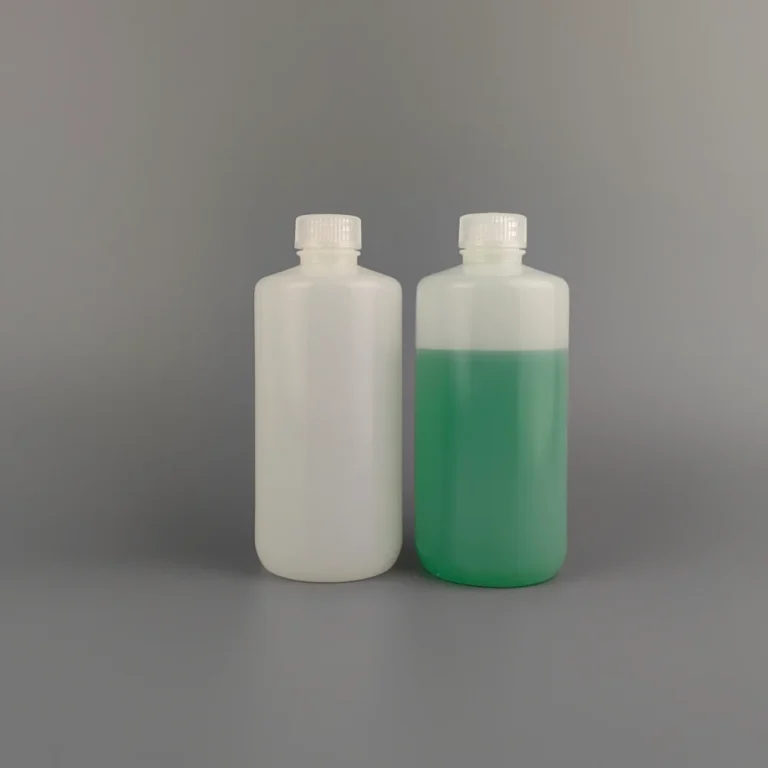
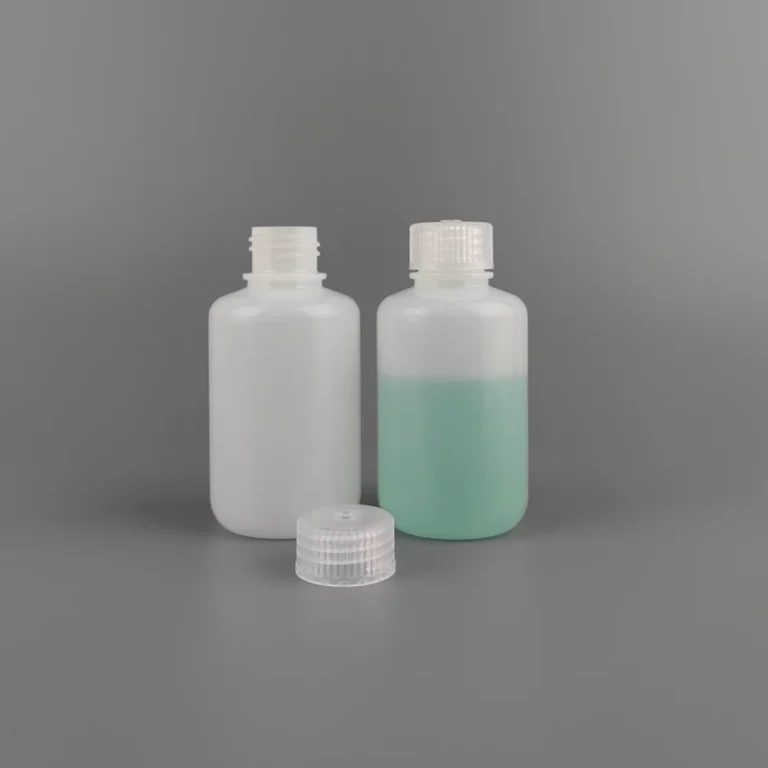
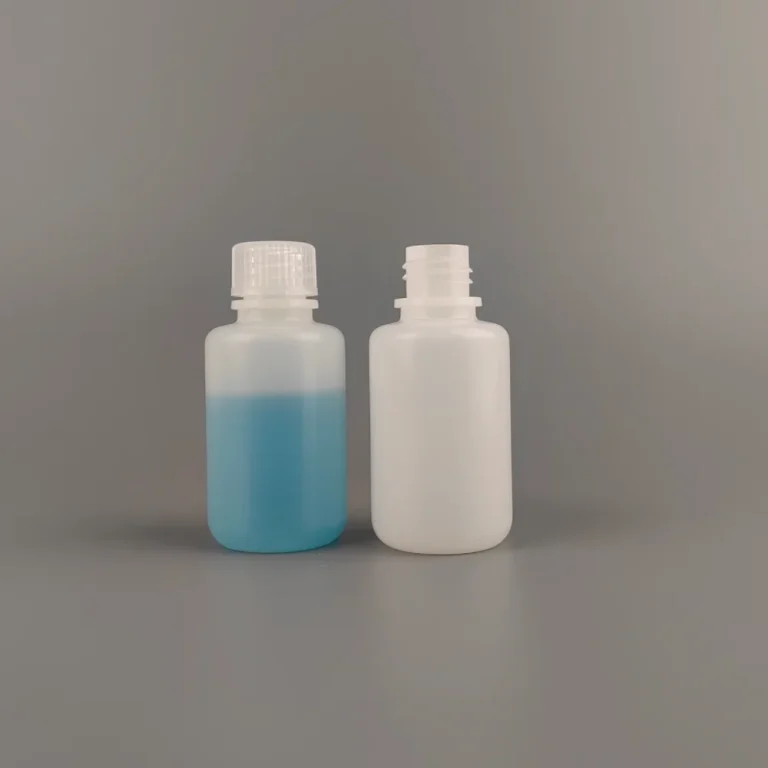
Several low-cost sample tubes had developed minor cap leakage during road transit under high temperatures and constant vibration. In some cases, labels detached because of condensation exposure inside transport coolers. The laboratory eventually replaced the containers with certified leak-proof polypropylene transport tubes supplied through JSBIO and standardized its transportation workflow.
Within months, rejected sample rates dropped significantly.
The incident reinforced a reality many laboratories underestimate:
Transporting samples safely is not only a logistics issue — it is a critical part of laboratory quality control.
Why Sample Transport Containers Matter
Laboratory samples are highly vulnerable during transportation.
Even if samples are collected correctly, poor transport conditions may lead to:
- Leakage
- Contamination
- Temperature instability
- Evaporation
- Label damage
- Sample degradation
For laboratories working with biological, chemical, pharmaceutical, or environmental samples, transportation failures can compromise:
- Analytical accuracy
- Regulatory compliance
- Chain-of-custody documentation
- Research reliability
Proper transport containers help preserve sample integrity from collection site to testing facility.
Common Challenges During Sample Transportation
Unlike controlled laboratory environments, transportation exposes samples to unpredictable conditions.
These may include:
- Physical vibration
- Temperature fluctuations
- Pressure changes
- Rough handling
- Humidity exposure
- Extended transit times
International shipments may face even greater risks due to customs delays and multi-stage logistics handling.
For this reason, transportation containers must be selected based on both sample type and transport environment.
Key Features of High-Quality Transport Storage Containers
Leak-Proof Sealing Systems
Leakage remains one of the most common transportation failures.
Reliable transport tubes should include:
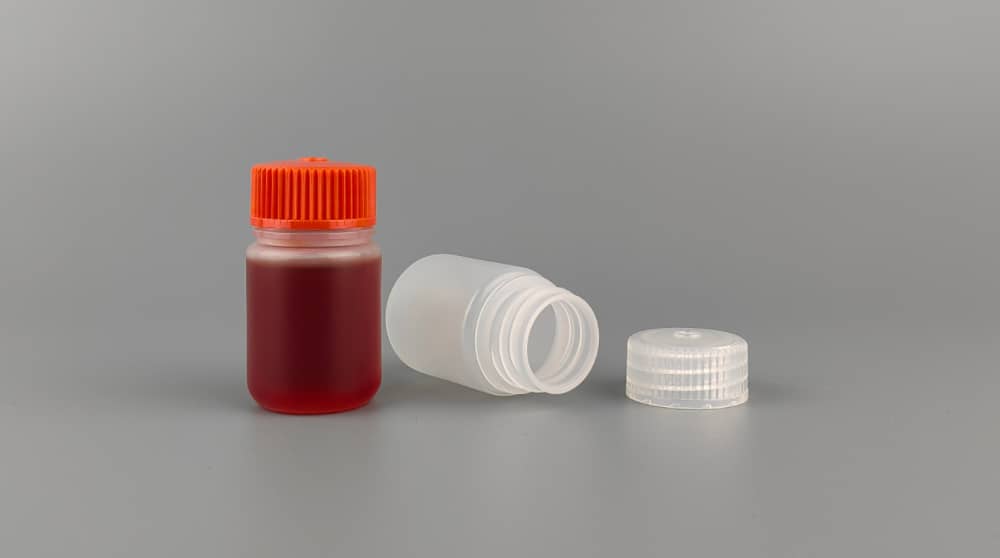
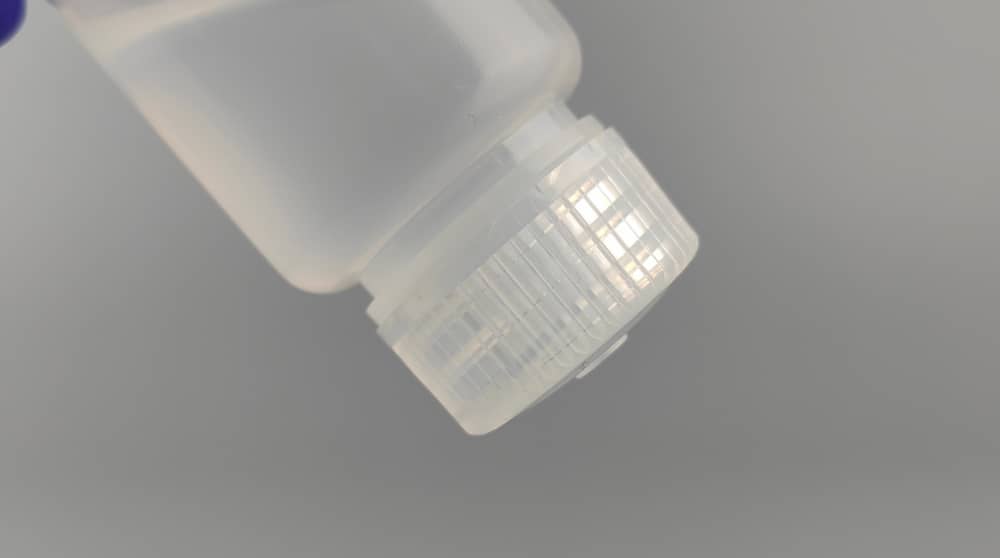
- Secure screw caps
- Silicone or integrated sealing rings
- Precision thread design
- Pressure-resistant closure systems
Leak-proof sealing is especially important for:
- Clinical specimens
- Hazardous chemicals
- Infectious samples
- Environmental water testing
Durable Polypropylene Construction
Most professional laboratory transport containers use medical-grade polypropylene (PP).
Polypropylene is preferred because it offers:
- Chemical resistance
- Impact durability
- Temperature tolerance
- Lightweight handling
- Compatibility with sterilization
Low-quality plastics may crack or deform during transport stress.
Temperature Control During Sample Transportation
Temperature stability is often the most critical factor during transport.
Sensitive samples such as:
- DNA/RNA materials
- Vaccines
- Blood plasma
- Cell cultures
- Pharmaceutical intermediates
may degrade rapidly outside recommended temperature ranges.
Common Transport Temperature Categories
| Sample Type | Recommended Transport Condition |
| Routine clinical samples | 2°C to 8°C |
| Frozen biological samples | -20°C or below |
| Ultra-sensitive biomaterials | Dry ice or cryogenic conditions |
| Environmental samples | Controlled cool storage |
Transport containers must remain stable under these conditions without losing sealing performance.
Cryogenic Transport Containers
Some laboratories transport samples under ultra-low temperature conditions using dry ice or liquid nitrogen vapor systems.
Cryogenic transport vials should provide:
- Extreme cold resistance
- Cap integrity during freezing
- Low evaporation risk
- Strong mechanical durability
Externally threaded cryovials are commonly preferred because they reduce contamination risks around sealing surfaces.
Secondary Containment for Regulatory Compliance
Many transportation regulations require secondary containment systems.
Secondary protection helps reduce risks from:
- Leakage
- Breakage
- Cross-contamination
- Biohazard exposure
Typical secondary containment systems include:
- Sealed transport bags
- Absorbent material packaging
- Rigid transport boxes
- Insulated coolers
For infectious or hazardous materials, laboratories must also comply with transportation regulations such as:
- UN3373 packaging requirements
- IATA biological substance guidelines
- Local hazardous goods regulations
Labeling and Traceability During Transport
Transportation conditions place extra stress on sample labels.
Condensation, freezing, or friction can damage poorly designed labels.
Best practices include:
- Cryogenic-resistant labels
- Waterproof barcode systems
- Permanent laboratory-grade printing
- Clear chain-of-custody documentation
Modern laboratories increasingly use barcode-integrated transport systems to improve tracking accuracy during shipment.
Choosing the Right Container for Different Applications
Different samples require different transport solutions.
| Application | Recommended Container Type |
| Clinical blood samples | Leak-proof specimen tubes |
| Environmental water sampling | Wide-mouth sterile bottles |
| Pharmaceutical reference materials | Chemically resistant screw-cap tubes |
| Biobank transportation | Cryogenic vials |
| Field microbiology collection | Sterile transport tubes |
Selecting the wrong container may compromise sample quality even before testing begins.
Real-World Case: Offshore Environmental Monitoring Project
An offshore environmental testing contractor conducting seawater monitoring in tropical regions experienced repeated contamination issues during marine transport.
Initial investigation found that:
- Standard caps loosened during vessel vibration
- Saltwater humidity damaged labels
- Temperature fluctuations accelerated sample degradation
The company upgraded to:
- Leak-proof transport tubes
- Waterproof cryogenic labels
- Secondary containment packaging
- Insulated transportation systems
After implementation, the laboratory reported:
- Improved sample acceptance rates
- Lower transportation losses
- Better traceability documentation
- Reduced retesting costs
The project later standardized transport protocols across all field collection teams.
Best Practices for Transporting Laboratory Samples
Match Containers to Transport Conditions
Consider:
- Temperature range
- Transit duration
- Mechanical stress
- Chemical compatibility
before selecting storage consumables.
Avoid Overfilling Containers
Leaving appropriate headspace reduces pressure-related leakage during transport.
Use Tamper-Evident Systems
Tamper-evident seals improve security and chain-of-custody control.
Validate Transport Packaging
Conduct transportation simulation testing when possible, including:
- Drop testing
- Vibration testing
- Temperature exposure
- Leak testing
Standardize Transportation SOPs
Consistent workflows reduce handling errors across different operators and collection sites.
Common Mistakes Laboratories Should Avoid
Using General-Purpose Tubes for Transport
Not all laboratory tubes are designed for transportation stress.
Ignoring Temperature Excursions
Even short exposure to improper temperatures may damage sensitive samples.
Poor Label Protection
Unreadable labels create traceability risks and audit issues.
Inadequate Secondary Packaging
Primary containers alone may not meet compliance requirements.
Choosing Low-Cost Consumables Without Validation
Unverified materials may fail under real transportation conditions.
What Procurement Managers Should Evaluate
When sourcing laboratory transport containers, procurement teams should verify:
- Leak-proof certification
- Temperature resistance range
- Chemical compatibility
- Sterility validation
- Regulatory compliance support
- Label compatibility
- Transportation durability testing
Reliable suppliers should provide technical specifications and quality documentation suitable for regulated laboratory environments.
Final Thoughts
Transporting laboratory samples safely requires more than basic packaging. Modern laboratories must protect sample integrity across increasingly complex logistics environments involving temperature stress, vibration, humidity, and regulatory compliance requirements.
High-quality laboratory transport containers help laboratories reduce sample loss, maintain traceability, and improve testing reliability throughout the transportation process. As laboratory operations continue expanding across field testing, global shipping, and decentralized collection networks, durable and compliant sample transport systems have become essential components of modern laboratory quality management.