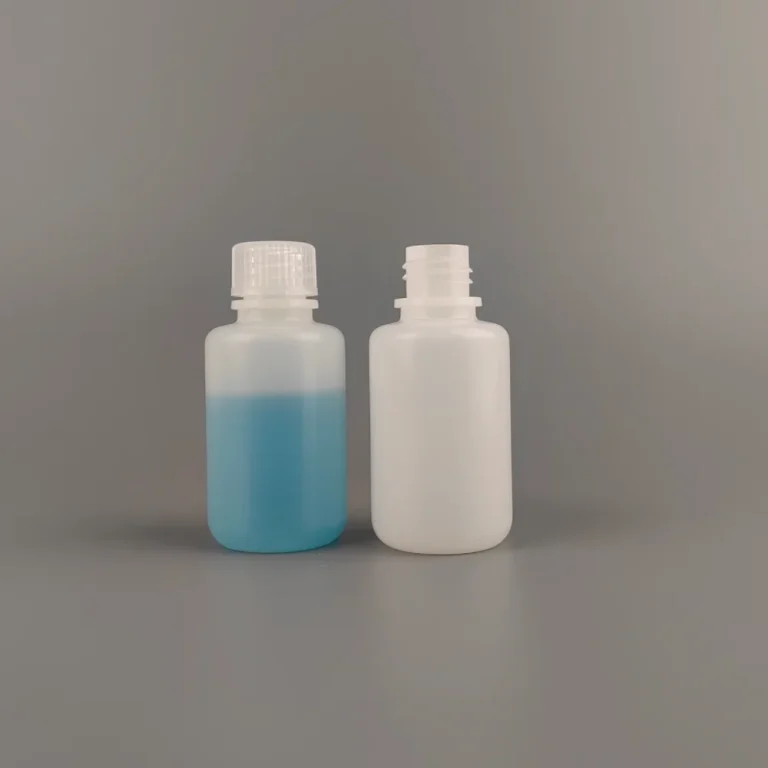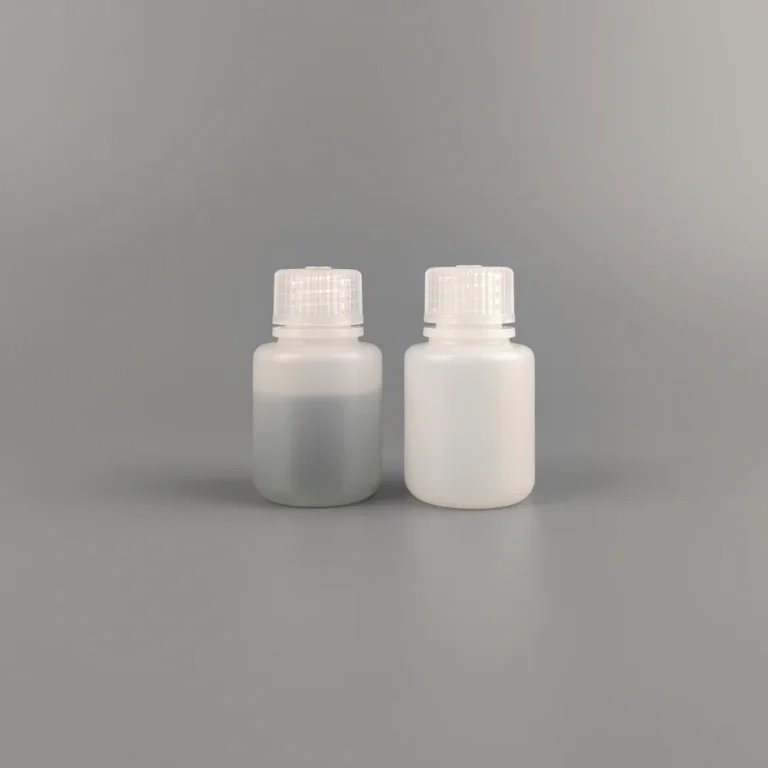
Last year, a pharmaceutical quality-control laboratory in Eastern Europe contacted JSBIO after a costly sample mix-up disrupted a stability testing project. The laboratory had stored more than 2,000 serum and reagent samples in identical cryogenic tubes using handwritten labels. After several freeze-thaw cycles, condensation blurred portions of the labels, and multiple tubes became impossible to identify accurately.
To guarantee chemical and physical integrity during deep-freeze storage, microcentrifuge tubes manufactured with premium, virgin Polypropylene (PP) raw materials are highly recommended. Ensure they are certified DNase/RNase-free and Pyrogen-free to prevent any structural contamination during long-term cryogenic preservation.
The result was not just operational confusion.
The laboratory had to repeat weeks of testing, discard compromised samples, and delay a customer submission timeline.
The incident highlighted a problem many laboratories underestimate:
Sample labeling and storage are not administrative tasks — they are critical parts of laboratory quality assurance.
Whether in clinical diagnostics, environmental monitoring, pharmaceutical research, or biobanking, improper labeling and storage can lead to:
- Sample misidentification
- Cross-contamination
- Regulatory non-compliance
- Data integrity issues
- Expensive project delays
Establishing standardized best practices helps laboratories protect both samples and research credibility.
Why Proper Sample Labeling Matters
In modern laboratories, thousands of samples may move through different workflows every month.
Without reliable labeling systems, laboratories face serious operational risks:
- Lost samples
- Incorrect test results
- Chain-of-custody failures
- Inventory confusion
- Regulatory audit issues
This becomes especially critical in:
- Clinical laboratories
- Pharmaceutical manufacturing
- Environmental testing
- Food safety laboratories
- Academic research institutions
A properly labeled sample should remain identifiable throughout its entire lifecycle — from collection to disposal.
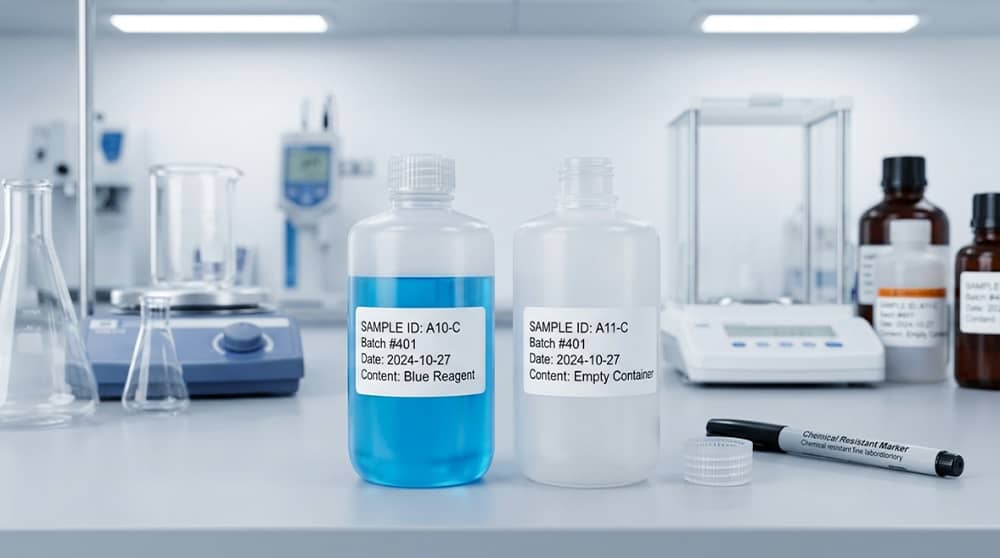
Key Elements of Effective Laboratory Sample Labels
A high-quality laboratory label should contain essential information while remaining durable under storage conditions.
Typical label information includes:
| Label Element | Purpose |
| Sample ID | Unique identification |
| Collection date | Traceability |
| Operator initials | Accountability |
| Storage condition | Handling guidance |
| Batch or project number | Workflow tracking |
For regulated laboratories, barcode or QR code systems are increasingly preferred because they reduce manual transcription errors.
Choosing the Right Label Materials
Not all labels survive laboratory environments.
Standard office labels often fail when exposed to:
- Moisture
- Cryogenic temperatures
- Ethanol
- UV exposure
- Autoclaving
- Condensation
Laboratories should select labels specifically designed for scientific applications.
Cryogenic Storage Labels
For ultra-low temperature applications, labels should withstand:
- -80°C freezers
- Liquid nitrogen vapor phase storage
- Repeated freeze-thaw cycles
Cryogenic labels typically use specialized adhesives that maintain bonding strength under extreme cold.
Chemical-Resistant Labels
Chemical laboratories often require labels resistant to:
- Alcohols
- Xylene
- Acids
- Solvents
Smudged or dissolved labels can create serious compliance issues.
Best Practices for Sample Tube Labeling
Label Before Filling
One of the most common laboratory mistakes is labeling tubes after sample collection.
This increases the risk of:
- Misidentification
- Label switching
- Workflow interruptions
Best practice is to prepare and verify labels before filling containers.
Avoid Overlapping Labels
Labels wrapped unevenly around tubes may:
- Peel during storage
- Jam automation systems
- Obscure barcode scanning
Labels should remain flat and readable.
Use Permanent Laboratory Markers
If handwritten labeling is necessary, use laboratory-grade solvent-resistant markers instead of general office pens.
Storage Conditions Directly Affect Label Integrity
Storage environments influence not only the sample itself but also the durability of labels and containers.
Cold Storage
Freezer environments create:
- Frost buildup
- Condensation
- Adhesive stress
Using low-quality labels in ultra-low freezers often leads to peeling or unreadable text.
High-Humidity Environments
Environmental and microbiology laboratories frequently work in humid conditions.
Moisture-resistant labels and tightly sealed sample containers help reduce identification failures.
High-Temperature Sterilization
Autoclaving may damage standard labels.
Autoclavable labels should be used when containers undergo sterilization cycles.
Sample Storage Best Practices
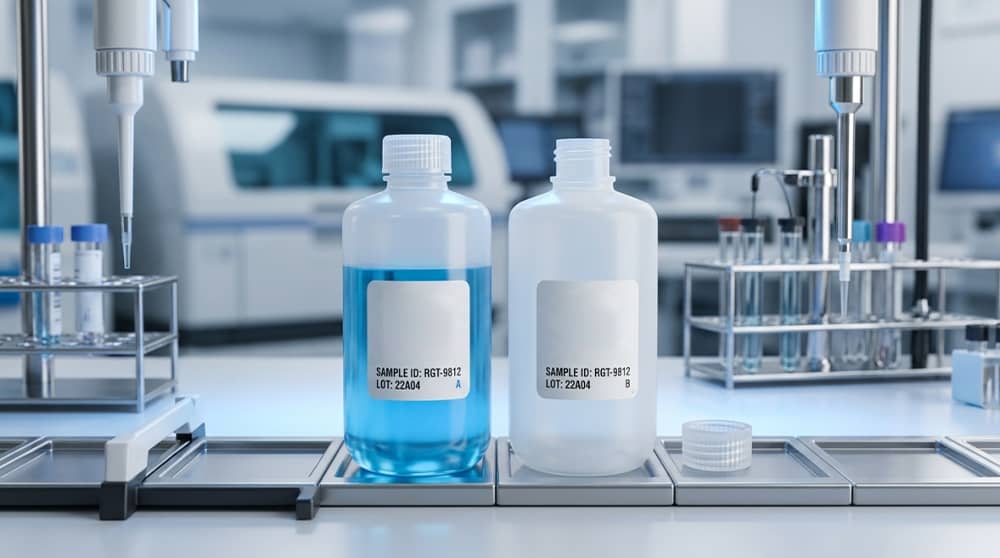
Labeling alone is not enough. Storage systems must support traceability and sample protection.
Standardize Storage Layouts
Organized freezer and rack systems reduce retrieval errors.
Many laboratories use:
- Grid-based storage maps
- Color-coded racks
- Barcode inventory systems
Standardized layouts improve workflow efficiency and reduce handling time.
Minimize Freeze-Thaw Cycles
Repeated freeze-thaw exposure may degrade sensitive samples such as:
- RNA
- Proteins
- Biological reagents
Aliquot storage strategies help preserve sample integrity.
Use Appropriate Storage Tubes
Different applications require different storage consumables.
Examples include:
| Application | Recommended Container |
| Cryogenic storage | External-thread cryovials |
| Chemical storage | Chemical-resistant PP tubes |
| Long-term biobanking | Certified low-binding tubes |
| Transport applications | Leak-proof screw-cap containers |
The Role of Barcode and Digital Tracking Systems
Modern laboratories increasingly integrate digital sample management systems.
Benefits include:
- Faster inventory tracking
- Reduced transcription errors
- Improved regulatory compliance
- Better chain-of-custody documentation
Barcode systems are particularly valuable in:
- Large biobanks
- Pharmaceutical QC laboratories
- High-throughput testing facilities
When selecting laboratory plasticware, procurement managers should ensure surfaces are compatible with barcode labeling and automated scanning systems.
Real-World Case: Biobank Freezer Reorganization Project
A university biobank managing more than 500,000 archived specimens experienced recurring inventory inconsistencies caused by inconsistent labeling methods across departments.
Some samples used handwritten labels, while others used partially damaged barcode stickers.
After implementing a standardized storage protocol using:
- Cryogenic-grade labels
- 2D barcode cryovials
- Uniform rack mapping
- Digitized inventory software
the facility significantly improved retrieval accuracy and reduced sample identification errors during audits.
The project also reduced freezer access time, helping preserve long-term sample stability.
Common Sample Labeling Mistakes Laboratories Should Avoid
Using Consumer-Grade Labels
Office labels are not designed for laboratory conditions.
Incomplete Information
Missing dates or batch numbers create traceability gaps.
Poor Handwriting
Unreadable labels can compromise entire workflows.
Overcrowded Storage Systems
Overfilled freezers increase the risk of handling mistakes and sample loss.
Ignoring Environmental Conditions
Labels and containers must match actual storage conditions.
How Procurement Managers Can Evaluate Lab Storage Consumables
When selecting laboratory storage products, procurement teams should evaluate:
- Temperature resistance
- Chemical compatibility
- Label adhesion performance
- Sterility certifications
- Automation compatibility
- Leak-proof sealing design
- Traceability support
Reliable suppliers should provide technical documentation and quality-control validation data.
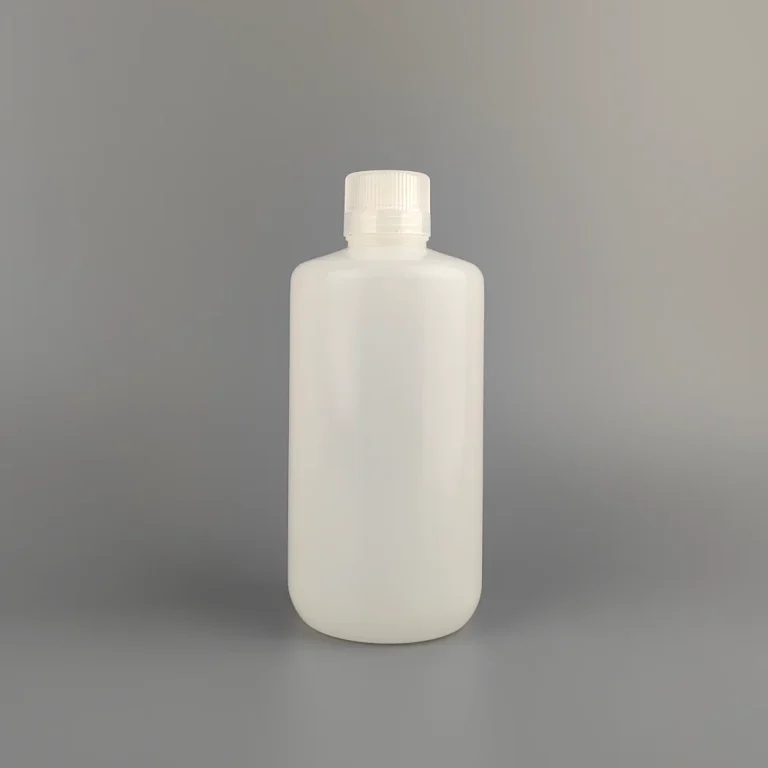
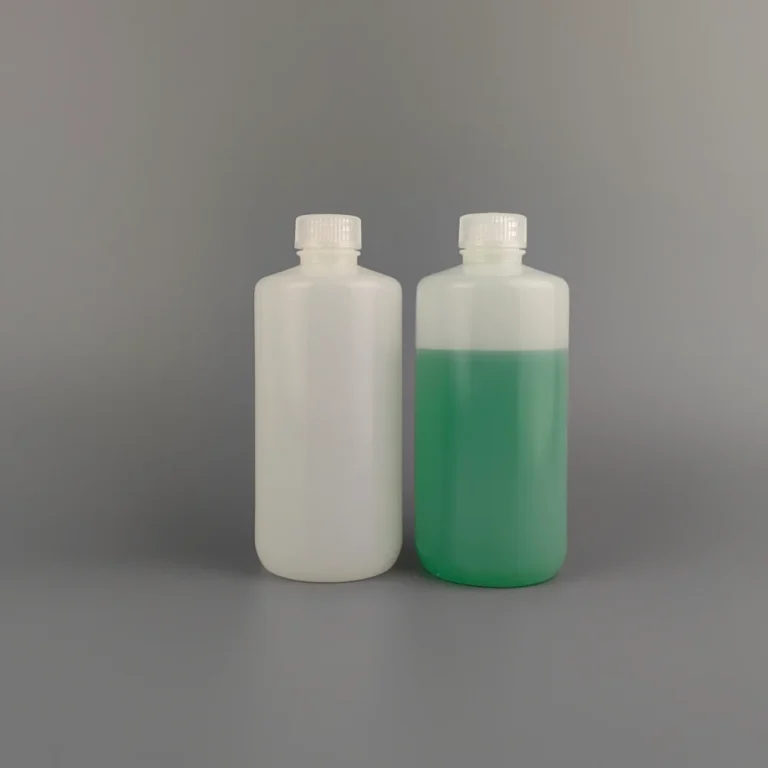
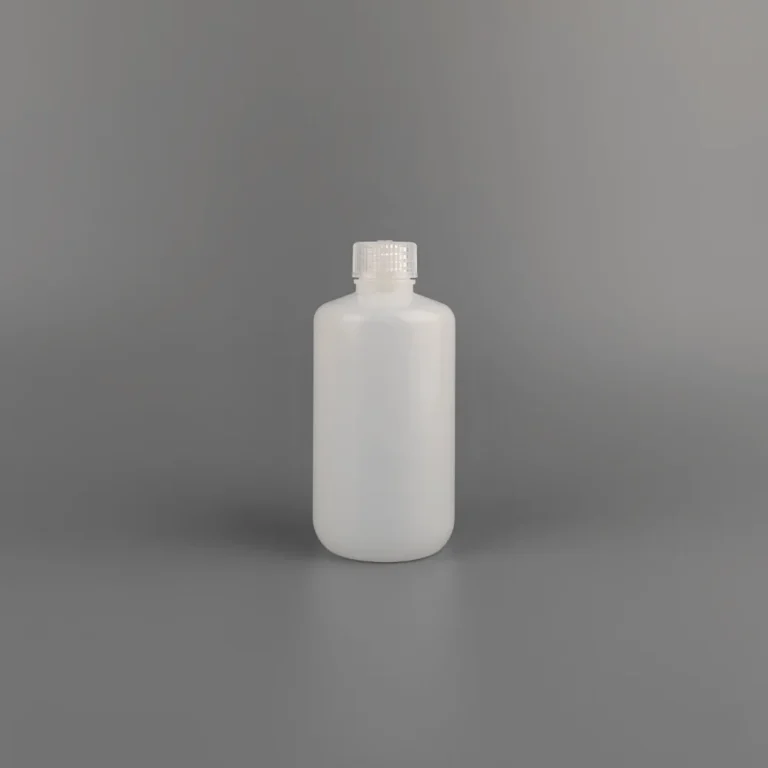
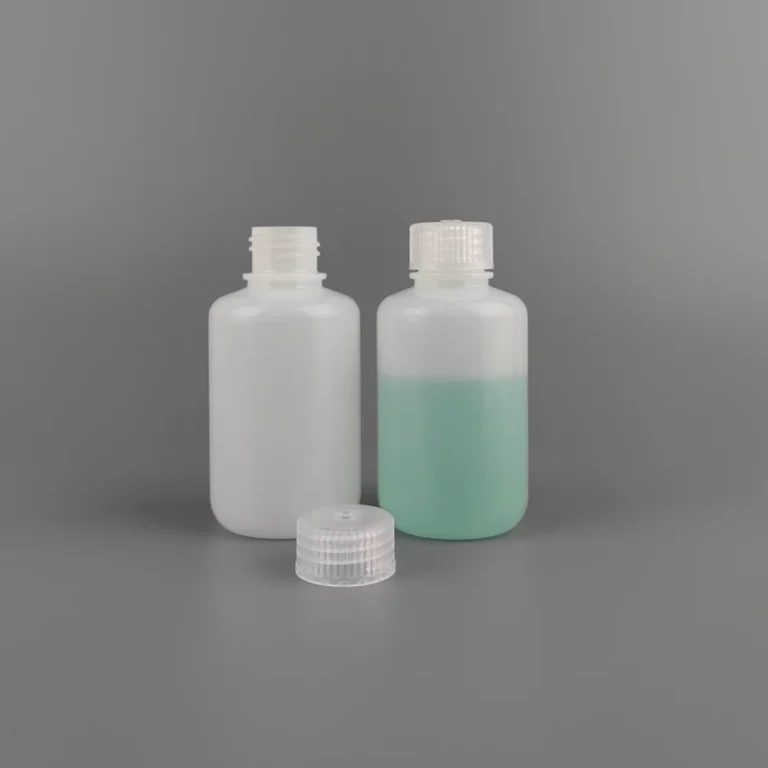
Moreover, the container’s sealing mechanism plays a vital role in preventing label degradation caused by micro-evaporation. Utilizing laboratory reagent bottles designed with a built-in, conical apex seal ring inside the screw cap creates a continuous mechanical line seal against the bottle neck, which is highly efficient in containing volatile acids or alkalis from destroying the adhesive layer.
Final Thoughts
Accurate sample labeling and reliable storage practices are fundamental to laboratory quality management. Even advanced analytical systems cannot compensate for mislabeled or improperly stored samples.
For laboratories handling valuable biological, chemical, or environmental materials, investing in professional-grade storage consumables and standardized labeling systems helps reduce operational risk, improve traceability, and maintain long-term data integrity.
As laboratory workflows become increasingly automated and regulated, the importance of durable labeling and dependable sample storage will only continue to grow.
Looking for Compliant Lab Storage Consumables? As an ISO-certified OEM factory, we supply global distributors and reagent manufacturers with premium, leakage-free [bulk laboratory reagent bottles] and [virgin PP microcentrifuge tubes]. Free compatibility samples are available upon request for quality evaluation. [Contact Our Sourcing Engineers Today]