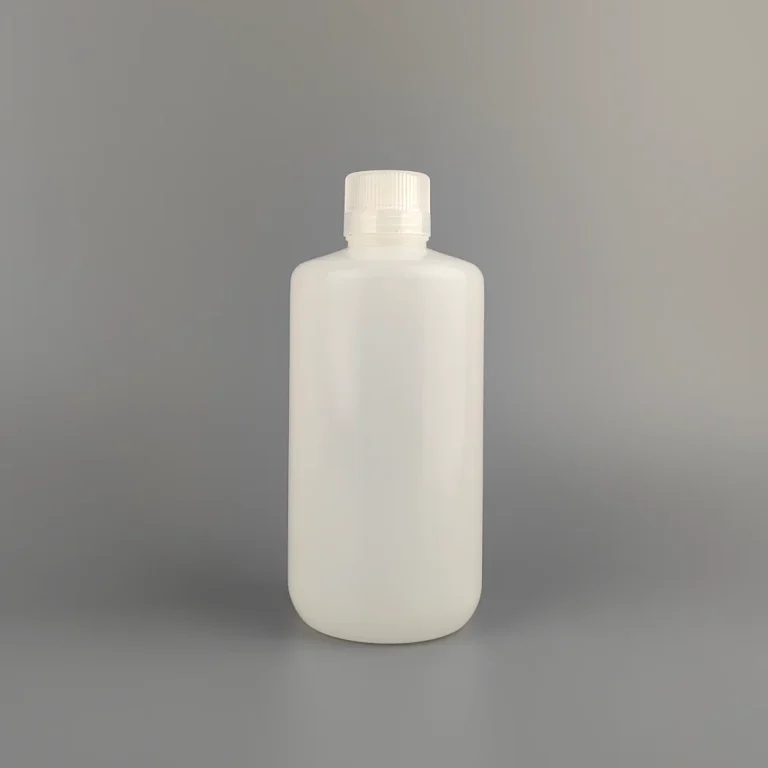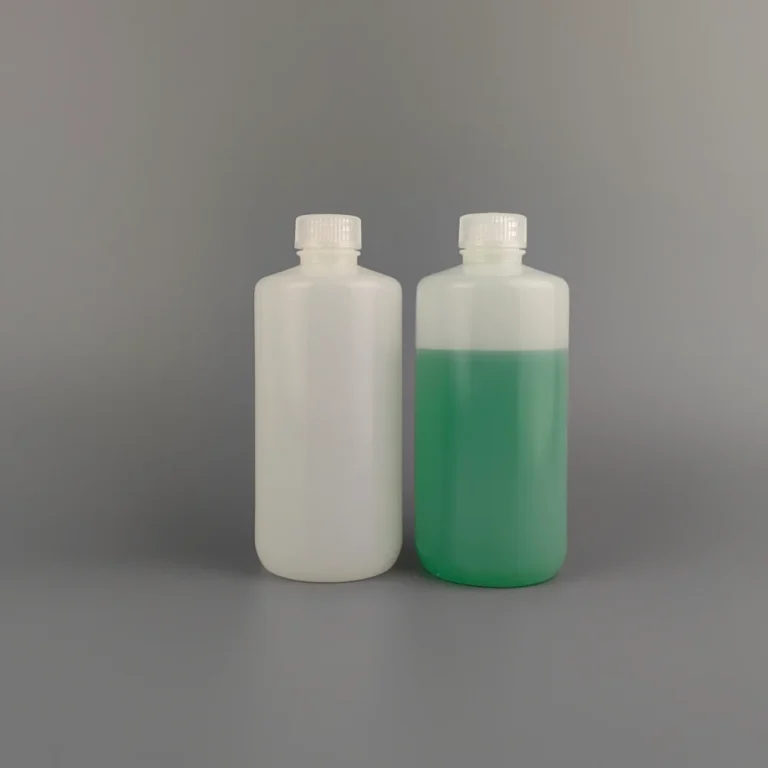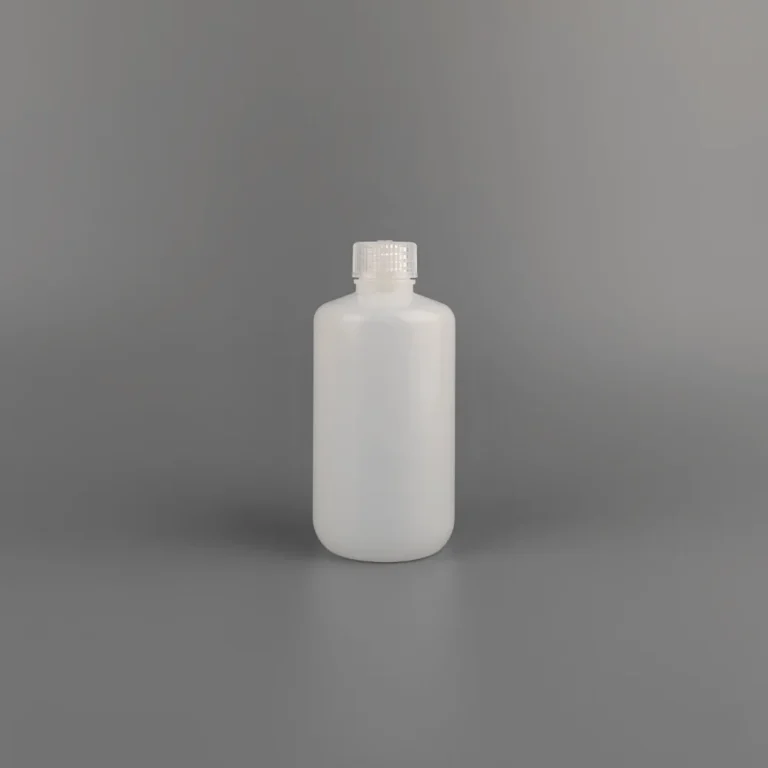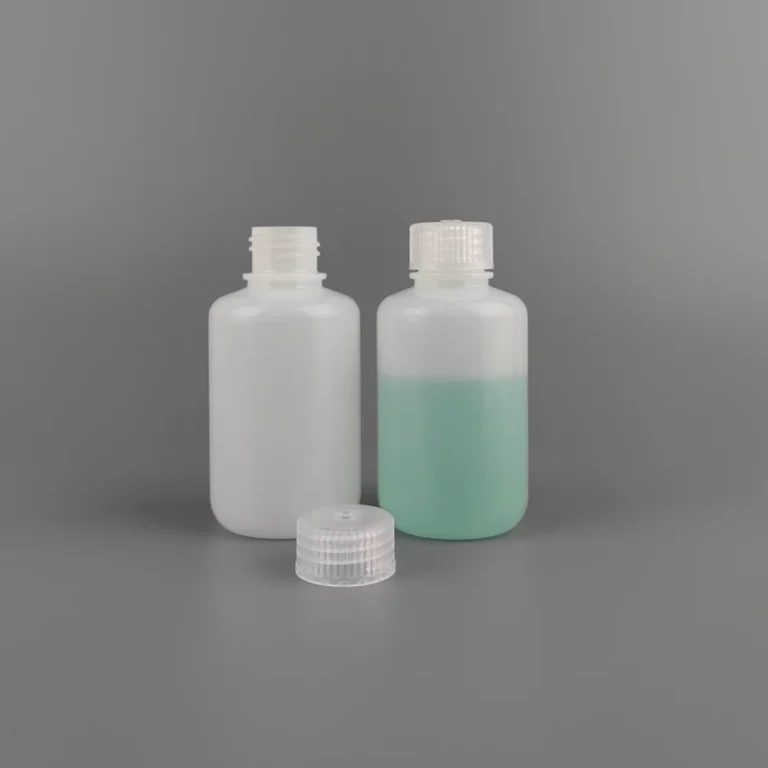
A groundwater monitoring project can lose weeks of field data because of one overlooked issue: the sample container itself. In several environmental labs, volatile organic compound (VOC) readings shifted beyond acceptable tolerance after transportation, not because of instrument failure, but because the wrong plastic material absorbed trace compounds during storage. In another case, frozen river water samples cracked inside transport coolers due to uneven bottle wall thickness, contaminating neighboring specimens.
For environmental monitoring laboratories, sample containers are part of the analytical system. Material stability, sealing reliability, temperature resistance, and structural consistency directly affect data reproducibility.
Why Environmental Monitoring Requires Specialized Sample Containers
Environmental samples are exposed to multiple stress conditions before analysis:
- Long transportation times
- Temperature fluctuations
- UV exposure
- Mechanical vibration
- Chemical interaction with container surfaces
General-purpose containers are often unsuitable for regulated environmental testing workflows.
The most commonly used materials in environmental monitoring are HDPE and PP.
HDPE Containers for Environmental Sampling
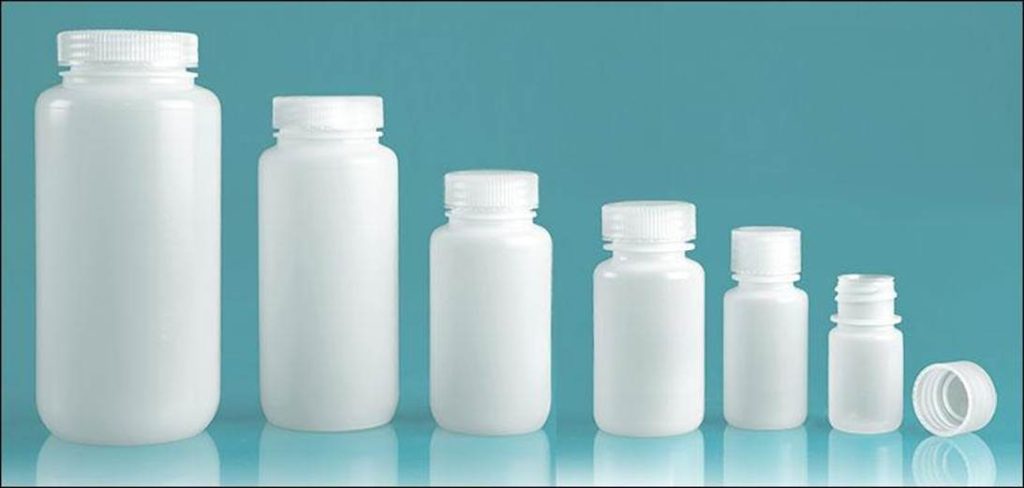
HDPE (High-Density Polyethylene) is widely used for:
- Groundwater sampling
- Wastewater monitoring
- Soil leachate collection
- Heavy metal analysis
- Agricultural runoff testing
Technical characteristics:
- High resistance to acids and alkaline solutions
- Stable structure during field transportation
- Low moisture absorption
- Temperature resistance from -80°C to 121°C
- Compatible with thick-wall bottle designs
Typical wall thickness range:
| Bottle Volume | Wall Thickness |
| 100–250 mL | 1.2–1.8 mm |
| 500–1000 mL | 1.8–2.8 mm |
| Large transport containers | 2.5–3.5 mm |
Technical Insights:
Thicker HDPE walls improve impact resistance during field deployment, especially in cold-chain logistics.
PP Containers for Sterile and High-Temperature Applications
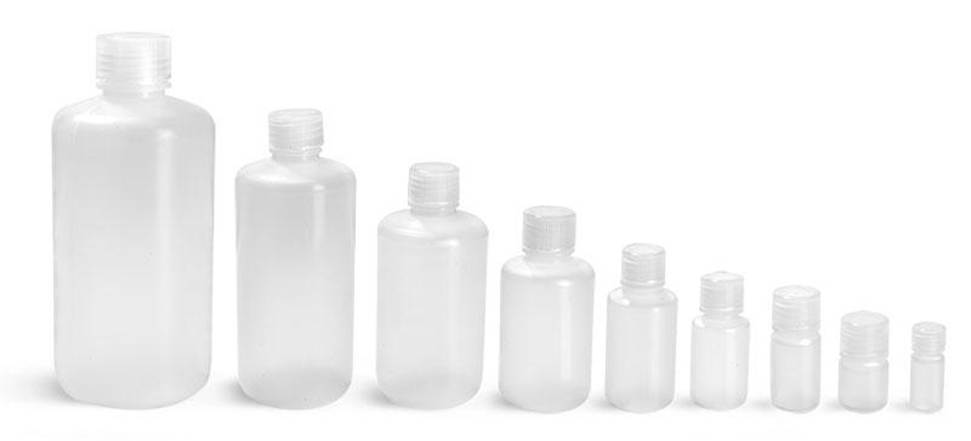
Polypropylene (PP) containers are frequently used for:
- Microbiological environmental testing
- Sterile water sampling
- Heated sample preparation workflows
- Autoclaved laboratory procedures
Technical characteristics:
- Autoclavable at 121°C
- Strong dimensional stability
- Lower extractable risk during thermal cycles
- Suitable for repeated sterilization workflows
- Compatible with reinforced sealing systems
Recommended applications:
- Surface water microbial testing
- Industrial process monitoring
- Environmental bioanalysis
Checklist: How to Select Environmental Monitoring Sample Containers
1. Match Container Material to Sample Chemistry
Before procurement, verify:
- pH conditions
- Solvent exposure
- Organic contaminant levels
- Oxidation potential
- Trace metal sensitivity
Certain compounds can adsorb onto low-grade plastics, affecting analytical recovery rates.
Lab Tips:
HDPE is commonly selected for inorganic testing, while PP is preferred when repeated sterilization is required.
2. Evaluate Leak-proof Design Under Transport Conditions
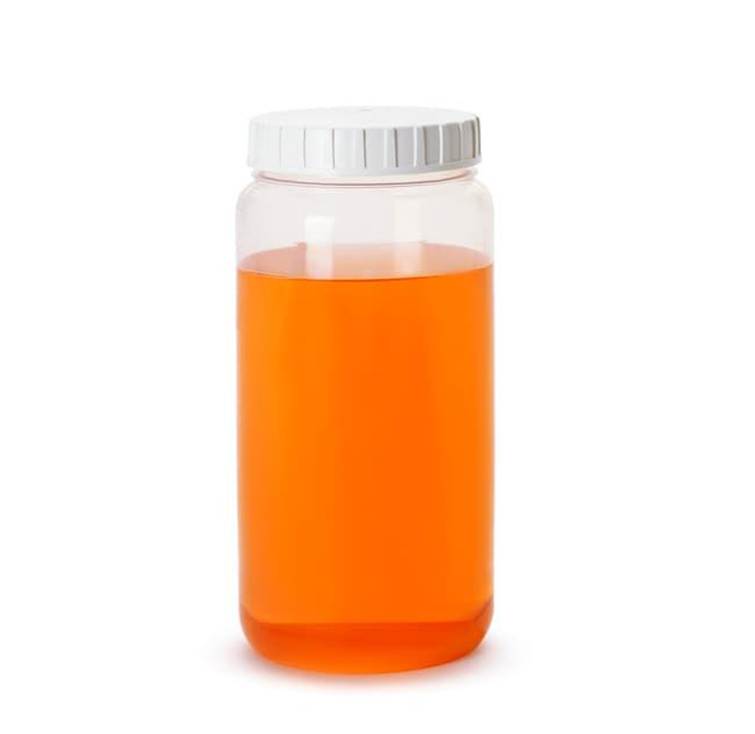
Environmental monitoring samples often travel long distances between collection sites and laboratories.
Leak-proof performance depends on:
- Thread precision
- Sealing ring compression
- Cap torque consistency
- Bottle neck dimensional stability
Common leak testing procedures include:
- Inverted liquid retention testing
- Pressure simulation
- Temperature cycling
- Vibration testing for transport validation
Recommended sealing components:
- TPE sealing rings
- Silicone liners
- Multi-thread closure systems
3. Verify Temperature Resistance
Environmental samples may experience:
- Frozen storage
- Outdoor summer exposure
- Autoclave sterilization
- Rapid temperature transitions
Typical laboratory-grade specifications:
| Material | Temperature Range |
| HDPE | -80°C to 121°C |
| PP | -80°C to 121°C |
Technical Insights:
Poor resin consistency increases brittleness at low temperatures, especially below -20°C.
4. Confirm Structural Stability During Centrifugation
Some environmental workflows require sample concentration or sediment separation before analysis.
Container selection should include Max RCF verification.
| Container Type | Max RCF |
| Standard HDPE sample bottle | 3,000–5,000 × g |
| Reinforced PP centrifuge container | Up to 12,000 × g |
Higher Max RCF tolerance requires:
- Reinforced shoulder geometry
- Uniform wall thickness
- Thickened base design
5. Assess UV and Outdoor Exposure Resistance
Field monitoring projects often involve prolonged outdoor handling.
UV exposure may cause:
- Polymer degradation
- Surface embrittlement
- Reduced sealing integrity
Recommended solutions include:
- Opaque HDPE construction
- Amber-colored containers
- UV-stabilized resin formulations
Technical Specifications Comparison
| Specification | HDPE Environmental Container | PP Environmental Container |
| Material Type | High-Density Polyethylene | Polypropylene |
| Temperature Resistance | -80°C to 121°C | -80°C to 121°C |
| Chemical Resistance | Excellent for inorganic samples | Strong for sterilized workflows |
| Wall Thickness | 1.2–3.5 mm | 0.8–2.5 mm |
| Leak-proof Design | Multi-thread cap + liner | Sealing ring + threaded cap |
| Max RCF | Up to 5,000 × g | Up to 12,000 × g |
| UV Resistance | Good with opaque design | Moderate |
| Typical Applications | Field environmental sampling | Sterile laboratory testing |
Common Problems Seen in Environmental Sampling Projects
Thin-wall bottles cracking during cold storage
Containers with inconsistent molding thickness are more vulnerable during freeze-thaw cycles.
Cap leakage during transportation
Poor cap tolerance control can lead to micro-leakage during vibration exposure.
Adsorption of trace contaminants
Low-quality plastics may interfere with VOC and trace metal testing.
Cross-contamination during repeated use
Reusable containers without validated cleaning protocols increase contamination risk.
From a Supplier’s Perspective: What Laboratories Usually Prioritize
Environmental testing laboratories often evaluate:
- Batch consistency
- Cleanroom production conditions
- Sterility assurance
- Documentation traceability
- Leak testing validation
- Export packaging durability
- Regulatory compatibility
Container consistency across production batches is especially important for long-term environmental monitoring projects.
JSBIO Lab Tips for Environmental Monitoring
Recommended for Field Water Sampling
- HDPE thick-wall bottles
- Leak-proof threaded closures
- UV-resistant opaque designs
- Tamper-evident cap options
Recommended for Sterile Environmental Analysis
- PP autoclavable containers
- Reinforced sealing ring systems
- Individually sterile-packed formats
- DNase/RNase-free options if required
Recommended for Cold-Chain Transportation
- Uniform wall thickness structure
- Impact-resistant base reinforcement
- Low-temperature validated resin materials
Request Samples or Technical Support
Environmental monitoring projects often require container validation before large-volume procurement.
Option A — Request free samples for validation
Laboratories can evaluate:
- Leak-proof performance
- Freeze-thaw resistance
- UV exposure stability
- Chemical compatibility
- Centrifugation tolerance
Option B — Get a bulk quote and customization details
Customization options may include:
- Bottle volume selection
- Cap color coding
- Printed graduation marks
- Sterile packaging
- OEM labeling
- Export carton optimization
- Custom wall thickness specifications