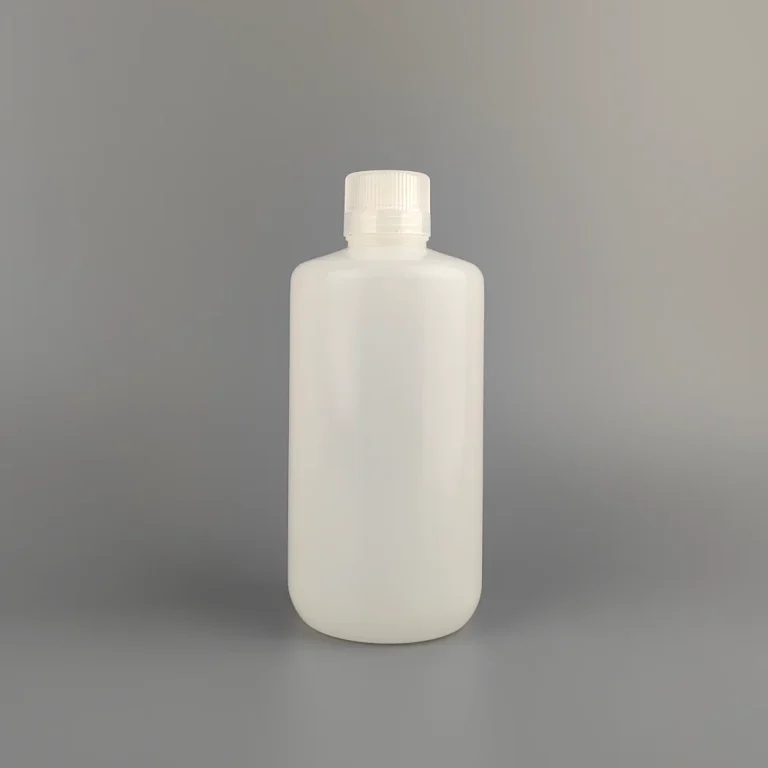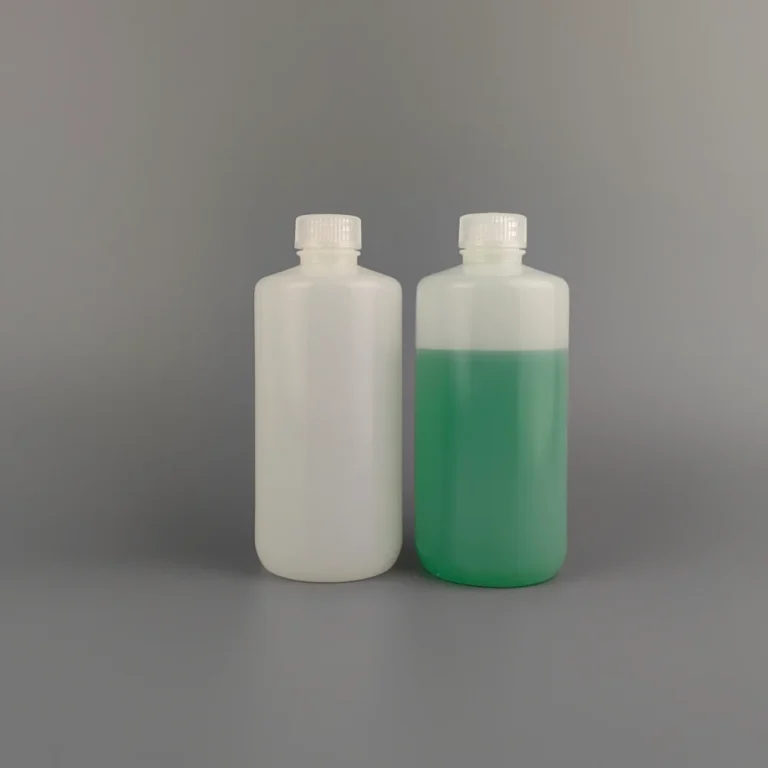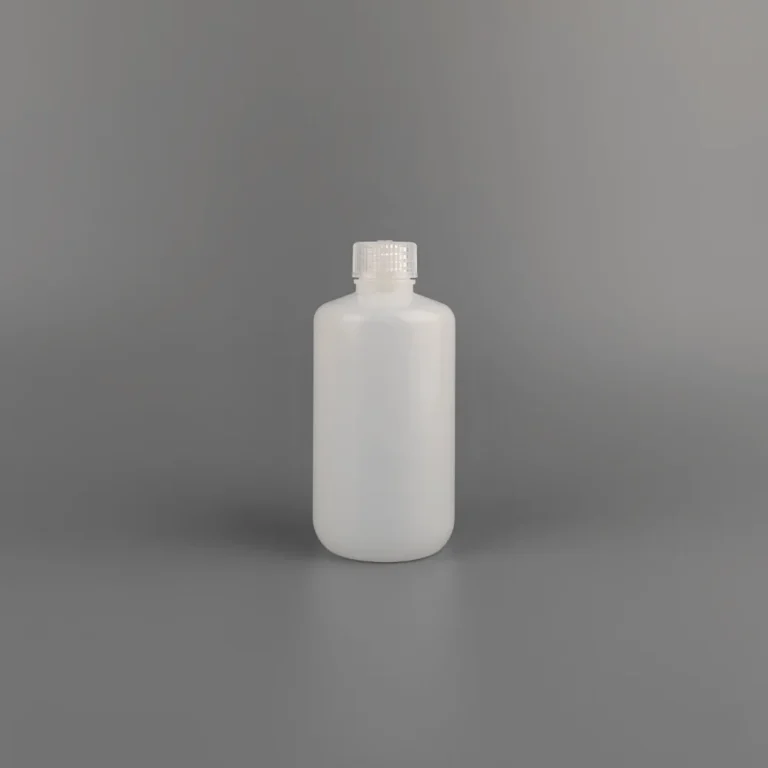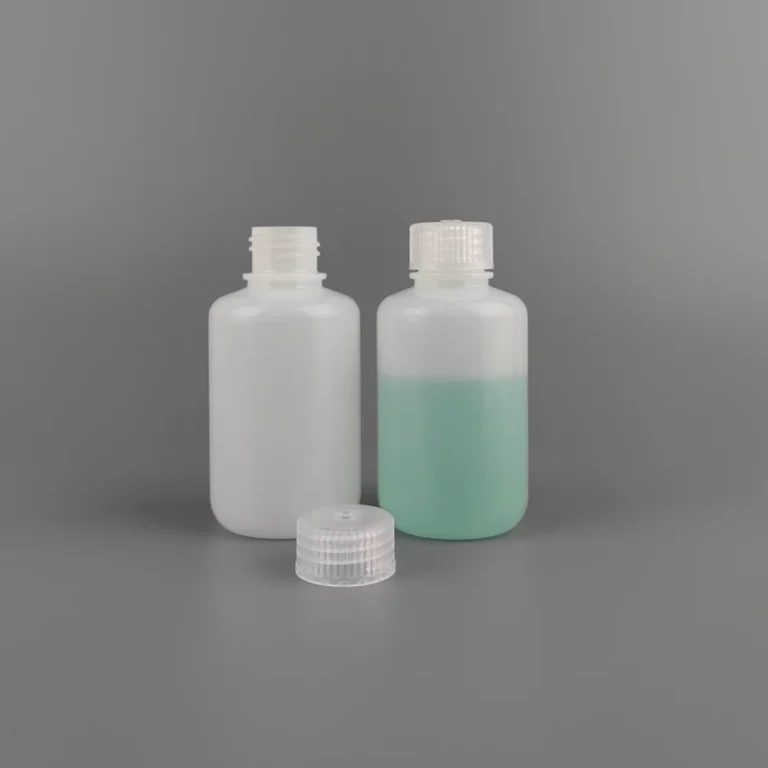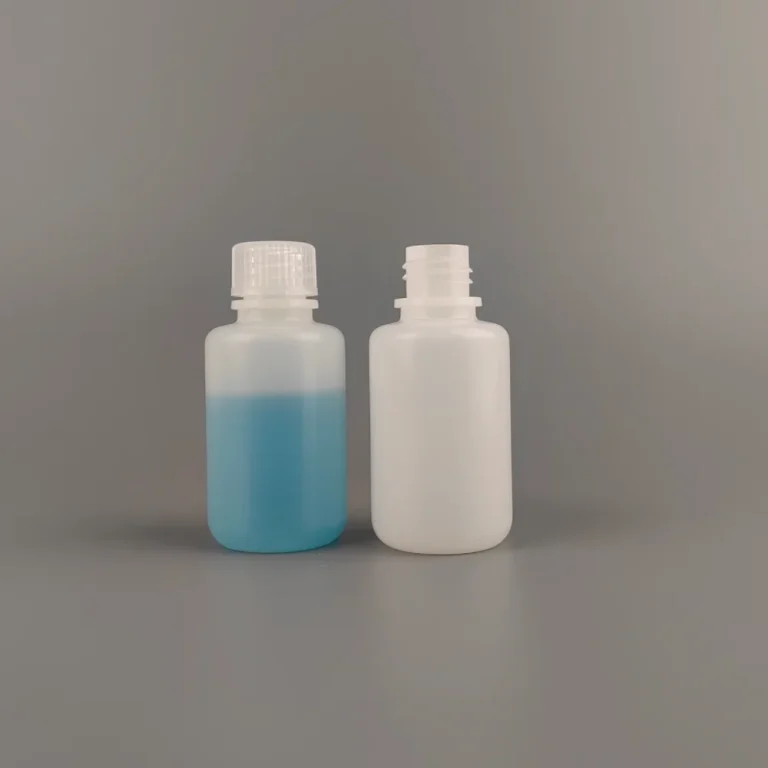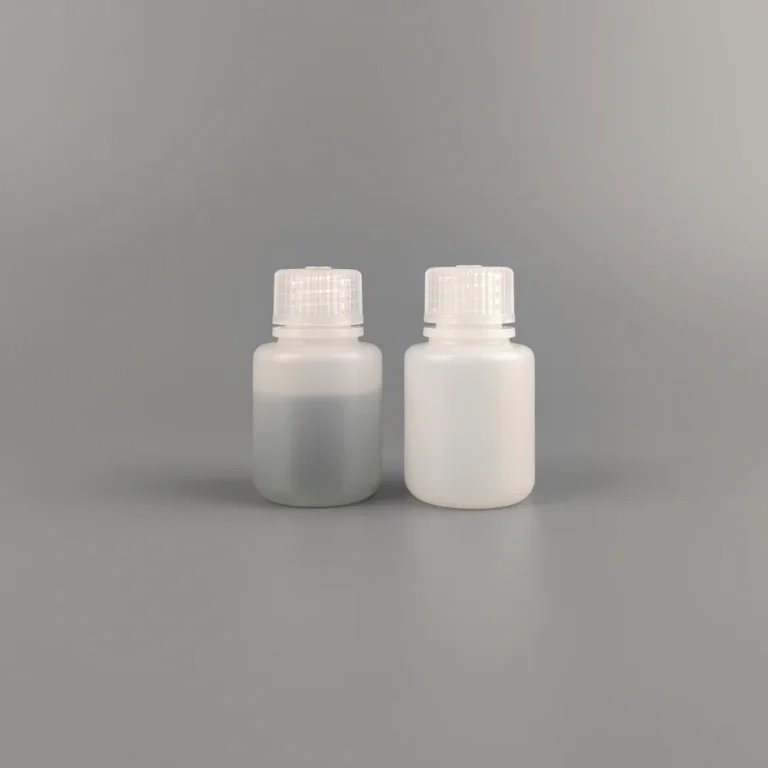
If a stability sample shows unexpected degradation at the 3-month checkpoint, the root cause is often not the formulation—it’s the container. A cap that relaxes after autoclaving can allow micro-evaporation. A bottle with uneven wall thickness can deform under temperature cycling, altering headspace and concentration. In regulated environments, that means failed studies and repeated batches.
From 15 years at JSBIO, pharmaceutical storage reliability comes down to material selection (PP/HDPE), wall thickness control, sealing design, temperature tolerance (-80°C to 121°C), and mechanical limits (Max RCF)—working together across the full workflow.
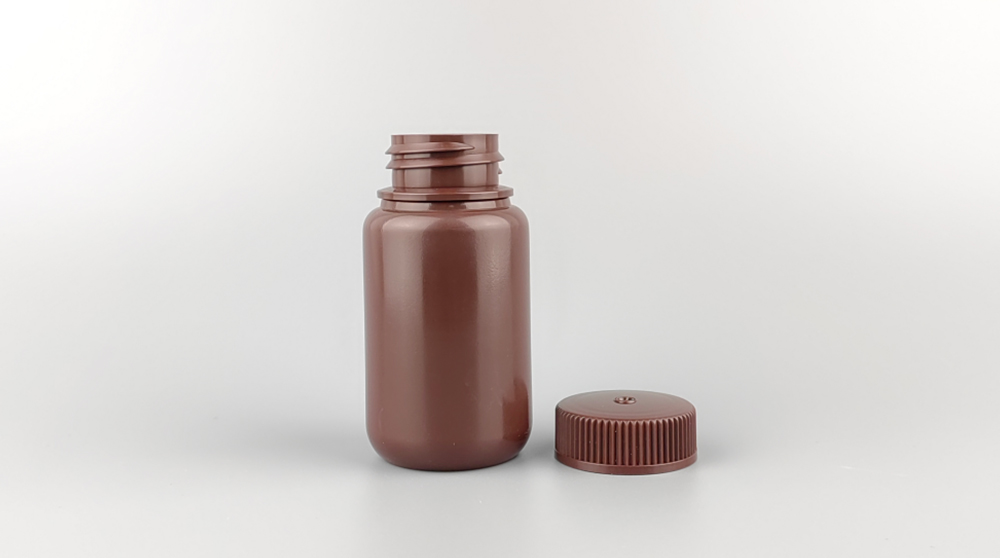
Technical Insights: What “Pharma Sample Storage” Requires
Pharmaceutical samples include APIs, intermediates, finished products, and stability samples. Storage systems must control:
- Chemical compatibility (PP vs HDPE vs formulation)
- Temperature exposure (refrigerated, frozen, autoclaved)
- Moisture and oxygen ingress (seal integrity)
- Mechanical stress (transport, centrifugation where applicable)
- Batch consistency (container-to-container variability)
A container that passes short-term checks can still fail under long-term stability conditions.
Core Container Materials
Polypropylene (PP)
Typical parameters:
- Temperature Range: -80°C to 121°C
- Max RCF: up to 15,000–20,000 × g (structure-dependent)
- Wall Thickness: high precision, uniform
- Sealing: multi-thread + leak-proof gasket
Performance profile:
- Stable across freeze–thaw and autoclave cycles
- Low extractables for aqueous systems
- Suitable for sampling, aliquoting, and some stability workflows
High-Density Polyethylene (HDPE)
Typical parameters:
- Temperature Range: -50°C to 110°C
- Max RCF: low (not designed for high-speed centrifugation)
- Wall Thickness: moderate consistency
- Sealing: standard threaded cap
Performance profile:
- Strong resistance to acids/bases
- Common for bulk storage of intermediates and reagents
- Limited for high-temperature sterilization cycles
Storage Conditions by Scenario
1. Stability Testing (ICH Conditions)
Typical environments:
- 25°C / 60% RH
- 30°C / 65% RH
- 40°C / 75% RH
Container requirements:
- Low moisture permeability
- Stable sealing over months
- Consistent wall thickness to avoid deformation
PP is often used for small-volume stability samples; HDPE for bulk storage depending on formulation.
2. Cold and Frozen Storage
- 2–8°C: short-term storage
- -20°C to -80°C: long-term storage
Risks:
- Brittleness at low temperature
- Seal contraction
Controls:
- PP containers with validated -80°C performance
- Uniform wall thickness to prevent cracking
- Leak-proof gasket maintaining seal under contraction
3. Sterile and Aseptic Storage
Requirements:
- Autoclavable containers (121°C)
- Seal integrity post-sterilization
- Low contamination risk
PP supports repeated autoclaving; HDPE is limited in this scenario.
4. Transport and Handling
Risks:
- Mechanical shock
- Pressure changes
- Leakage
Controls:
- Reinforced base and shoulder
- Multi-thread cap with leak-proof gasket design
- Verified torque range
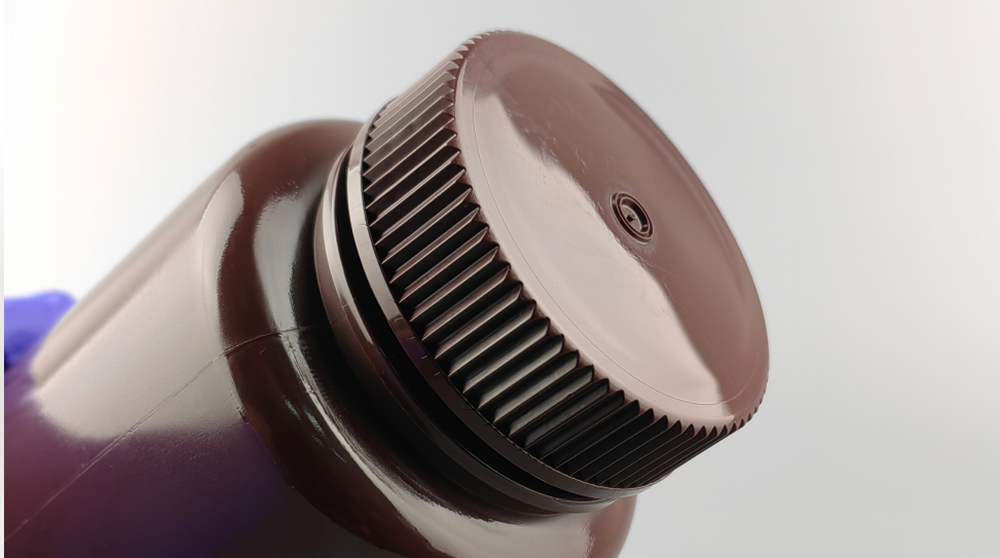
Role of Wall Thickness in Stability Studies
Wall thickness directly affects:
- Permeation rate (moisture, gases)
- Thermal deformation
- Mechanical durability
Failure patterns:
- Thin zones → deformation at elevated temperature
- Uneven thickness → stress concentration
JSBIO control approach:
- Uniform wall thickness distribution
- Reinforced stress zones (base, thread)
This reduces variability across batches—critical for regulated testing.
Sealing System and Sample Integrity
Sealing performance is a primary control point.
Design elements:
- Multi-thread closure for even load
- Integrated leak-proof gasket
- Torque-controlled sealing
Observed results:
- No leakage in inversion tests
- Stable sealing after temperature cycling
- Reduced evaporation in long-term storage
Centrifugation Considerations (Max RCF)
While not all pharma samples require centrifugation, many workflows include:
- Phase separation
- Clarification
- QC testing
Typical PP capability:
- Max RCF: up to 15,000 × g
Using containers below required RCF can lead to:
- Deformation
- Seal failure
- Sample loss
Technical Specifications Comparison
| Parameter | Polypropylene (PP) | HDPE |
| Temperature Range | -80°C to 121°C | -50°C to 110°C |
| Autoclavable | Yes | Limited |
| Max RCF | Up to 20,000 × g | Low |
| Chemical Resistance | High (general) | Very High (acids/bases) |
| Moisture Barrier | Moderate | Good |
| Wall Thickness Control | High precision | Medium |
| Leak-proof Design | Advanced (gasket + thread) | Standard |
| Suitability for Pharma Samples | High (multi-use) | Moderate (bulk focus) |
Lab Tips: Selecting Containers for Pharmaceutical Samples
✔ Match material (PP/HDPE) to formulation chemistry
✔ Confirm temperature range (-80°C to 121°C if needed)
✔ Verify sealing system (leak-proof gasket required)
✔ Check wall thickness consistency for stability studies
✔ Validate Max RCF if centrifugation is involved
✔ Avoid long-term storage in marginally compatible materials
Common Storage Failures Observed
- Using HDPE in repeated autoclave cycles → deformation
- Inconsistent wall thickness → variability in stability data
- Poor sealing → evaporation and concentration shift
- Ignoring temperature cycling effects
- Selecting containers based on cost only
These issues often appear after weeks or months.
From a Supplier’s Perspective
For pharmaceutical applications, container design is typically adjusted based on:
- Formulation type (aqueous, solvent-based)
- Storage duration (weeks vs months)
- Temperature profile (ambient, cold, autoclave)
OEM optimization includes:
- Material grade selection (PP variants)
- Wall thickness tuning
- Gasket material compatibility
- Thread geometry for long-term sealing
Two containers with similar specs can perform differently under stability conditions.
Practical Selection Checklist
Before selecting containers:
✔ Is the material compatible with the formulation?
✔ Does it support required temperature range (-80°C to 121°C)?
✔ Is wall thickness uniform and controlled?
✔ Does it include a leak-proof gasket?
✔ Is sealing stable after thermal cycling?
✔ Is Max RCF sufficient for QC workflows?
CTA (For Procurement Decision)
If you are sourcing containers for pharmaceutical sample storage:
A. Request free samples for validation
→ Test stability, sealing, and temperature performance under your protocols
B. Get a bulk quote and customization details
→ Define wall thickness, sealing design, and material selection for your application
If you can share your formulation type, storage duration, and temperature profile, I can map them to specific container specifications and validation points.