
DNA and RNA samples are among the most sensitive biological materials handled in modern laboratories. From genetic research and molecular diagnostics to biotechnology and pharmaceutical development, preserving nucleic acids in stable conditions is essential for accurate and reproducible results.
Improper storage can lead to degradation, contamination, and loss of valuable data. Therefore, selecting the right containers for DNA and RNA storage is just as important as controlling temperature and handling procedures.
In this guide, we explore the best containers for DNA and RNA storage, key selection criteria, and best practices to ensure sample integrity.
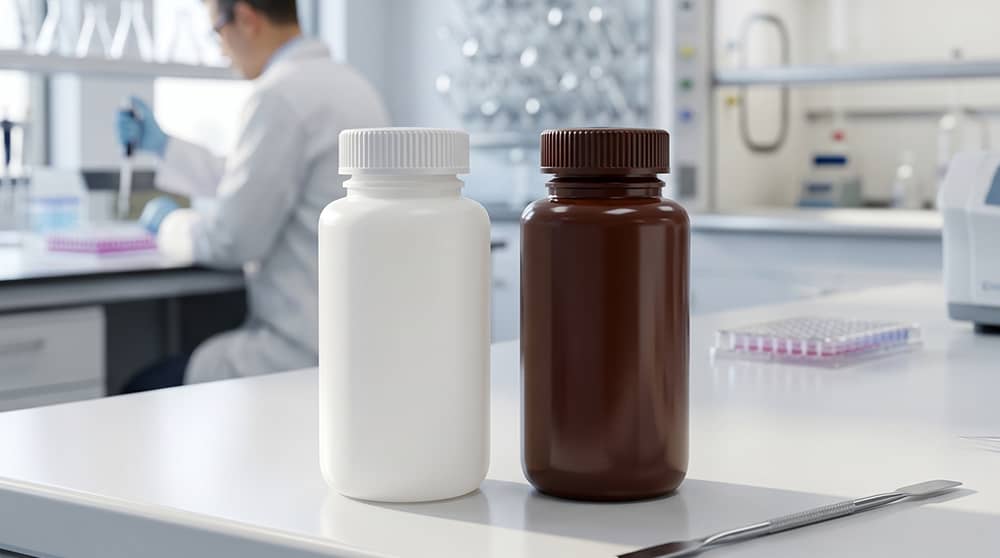
Why DNA and RNA Storage Is Challenging
Unlike many other laboratory samples, nucleic acids are highly susceptible to degradation.
Key Risks:
- RNA degradation: RNA is extremely unstable and easily broken down by RNases
- DNA shearing: Improper handling or storage can damage DNA structure
- Contamination: Even minor contamination can affect experimental results
- Temperature sensitivity: Requires strict cold storage conditions
Because of these risks, container selection plays a critical role in preservation.
Key Requirements for DNA and RNA Storage Containers
1. Low Binding Surface
Containers must minimize sample loss.
- Prevents nucleic acids from adhering to container walls
- Ensures maximum sample recovery
Low-binding plastics are preferred for high-precision applications.
2. Sterility and RNase/DNase-Free
For nucleic acid storage:
- Containers must be free from RNases and DNases
- Sterile conditions are essential
This is especially important for RNA samples.
3. Chemical Inertness
Containers should not react with:
- Buffers
- Reagents
- Preservation solutions
Materials like polypropylene are commonly used due to low reactivity.
4. Airtight and Leak-Proof Sealing
- Prevents contamination
- Protects against evaporation
- Maintains sample stability
Secure caps are essential for long-term storage.
5. Temperature Resistance
DNA and RNA samples are often stored at:
- -20°C (short-term storage)
- -80°C (long-term storage)
Containers must withstand freezing without cracking or deformation.
Best Materials for DNA and RNA Storage
Polypropylene (PP)
Most commonly used material
Advantages:
- Low binding properties
- High chemical resistance
- Excellent low-temperature performance
- Autoclavable
PP containers are ideal for both DNA and RNA storage.
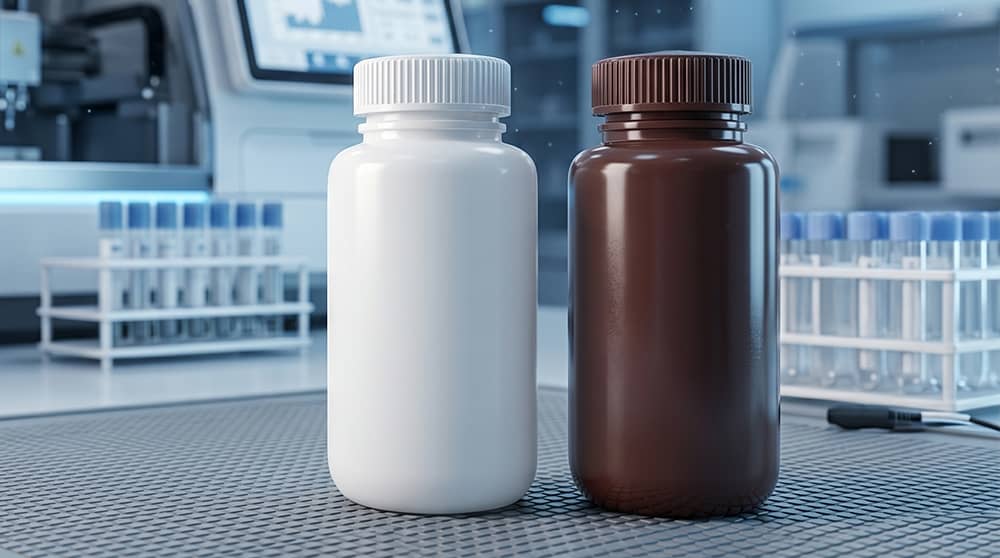
HDPE (High-Density Polyethylene)
Advantages:
- Good chemical resistance
- Durable and cost-effective
Limitations:
- Not as low-binding as PP
- Less commonly used for high-precision molecular work
Specialty Low-Binding Plastics
For advanced applications:
- Ultra-low retention surfaces
- Designed specifically for nucleic acid storage
Types of Containers for DNA and RNA Storage
1. Microcentrifuge Tubes
- Small volume (0.5–2 mL)
- Widely used in molecular biology
- Ideal for DNA/RNA extraction and storage
2. Cryogenic Vials
- Designed for ultra-low temperatures
- Suitable for long-term storage
- Leak-proof and durable
3. Sample Storage Bottles
- Used for larger volume samples
- Suitable for buffer solutions and bulk storage
Best Practices for DNA and RNA Storage
Maintain Proper Temperature
- Store DNA at -20°C or lower
- Store RNA at -80°C for long-term stability
Avoid Freeze-Thaw Cycles
Repeated freezing and thawing can degrade samples.
- Use aliquots to minimize exposure
Use RNase-Free Handling Procedures
- Wear gloves
- Use clean tools and surfaces
- Avoid contamination
Label and Organize Samples
- Use clear labeling systems
- Track storage dates and conditions
Common Mistakes to Avoid
Using Non-Sterile Containers
Leads to contamination
Choosing High-Binding Materials
Causes sample loss
Improper Sealing
Results in evaporation or contamination
Inadequate Temperature Control
Leads to degradation
Applications of DNA and RNA Storage Containers
These containers are essential in:
- Genetic research laboratories
- Molecular diagnostics
- Biotechnology companies
- Pharmaceutical R&D
- Academic research institutions
Custom Container Solutions for Biotech Applications
Different labs may require customized solutions.
Available Options:
- RNase/DNase-free certified containers
- Custom sizes and volumes
- Pre-sterilized packaging
- Bulk supply for large-scale labs
Custom solutions improve workflow efficiency and reliability.
Why Choosing the Right Container Matters
Using the correct container ensures:
- Sample integrity
- Accurate experimental results
- Reduced risk of contamination
- Long-term stability
In molecular biology, even small errors can lead to significant data loss—making container selection critical.
Conclusion
DNA and RNA storage requires careful consideration of container materials, sterility, sealing, and temperature resistance. Polypropylene containers, especially low-binding and RNase-free options, are the preferred choice for most applications.
By following best practices and selecting high-quality containers, laboratories can ensure the stability and integrity of valuable nucleic acid samples.
Looking for reliable containers for DNA and RNA storage?
We offer high-quality polypropylene laboratory containers designed for biotechnology and molecular biology applications.
RNase/DNase-free options available
Low-binding surfaces for maximum recovery
Suitable for ultra-low temperature storage
Contact us today to get customized solutions for your lab.