
As laboratories, pharmaceutical companies, and research institutions continue to demand specialized containers, OEM (Original Equipment Manufacturer) laboratory bottle manufacturing has become increasingly important.
Standard, off-the-shelf bottles often fail to meet specific requirements such as material compatibility, sterility, branding, or regulatory compliance. This is where OEM manufacturing provides a competitive advantage.
In this article, we explain what OEM laboratory bottle manufacturing is, how it works, and why it is essential for modern scientific applications.
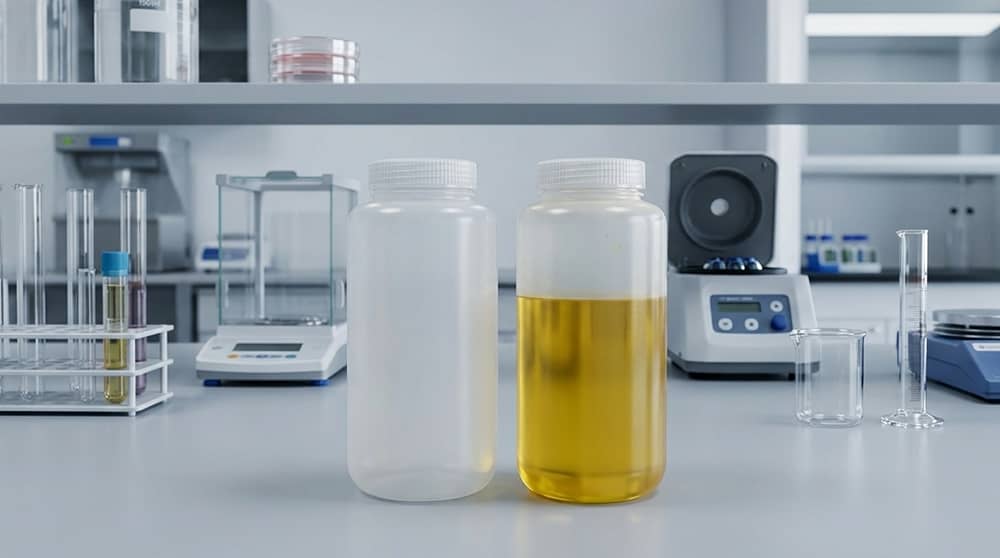
What Is OEM Laboratory Bottle Manufacturing?
OEM laboratory bottle manufacturing refers to the process of producing customized bottles based on a client’s specifications, rather than selling standard products.
These specifications may include:
- Bottle size and shape
- Material selection (PP, HDPE, etc.)
- Cap and sealing design
- Sterility requirements
- Branding and labeling
OEM manufacturing allows laboratories and distributors to create products tailored to their exact operational and market needs.
Why OEM Manufacturing Matters in Laboratory Applications
1. Customization for Specific Use Cases
Different laboratories have different requirements:
- Biotechnology labs need sterile containers
- Pharmaceutical companies require GMP-compliant packaging
- Environmental labs need chemical-resistant bottles
OEM manufacturing ensures the product fits the application perfectly.
2. Improved Brand Identity
OEM services allow businesses to:
- Add logos and private labels
- Customize packaging
- Build a recognizable brand
This is especially valuable for distributors and resellers.
3. Compliance with Industry Standards
Customized manufacturing helps ensure compliance with:
- Good Manufacturing Practice (GMP)
- Good Laboratory Practice (GLP)
- International safety standards
Standard products may not always meet these strict requirements.
4. Cost Efficiency at Scale
While custom manufacturing may seem expensive, it becomes highly cost-effective for bulk orders.
Benefits include:
- Reduced per-unit cost
- Optimized packaging
- Lower logistics expenses
Key Materials Used in OEM Laboratory Bottles
Polypropylene (PP)
- High temperature resistance (autoclavable)
- Suitable for biological samples
- Low chemical reactivity
High-Density Polyethylene (HDPE)
- Excellent chemical resistance
- Ideal for acids and solvents
- Durable and cost-effective
Other Material Options
Depending on requirements, manufacturers may also offer:
- PET for transparency
- Specialty plastics for advanced applications
Material selection is a critical part of the OEM process.
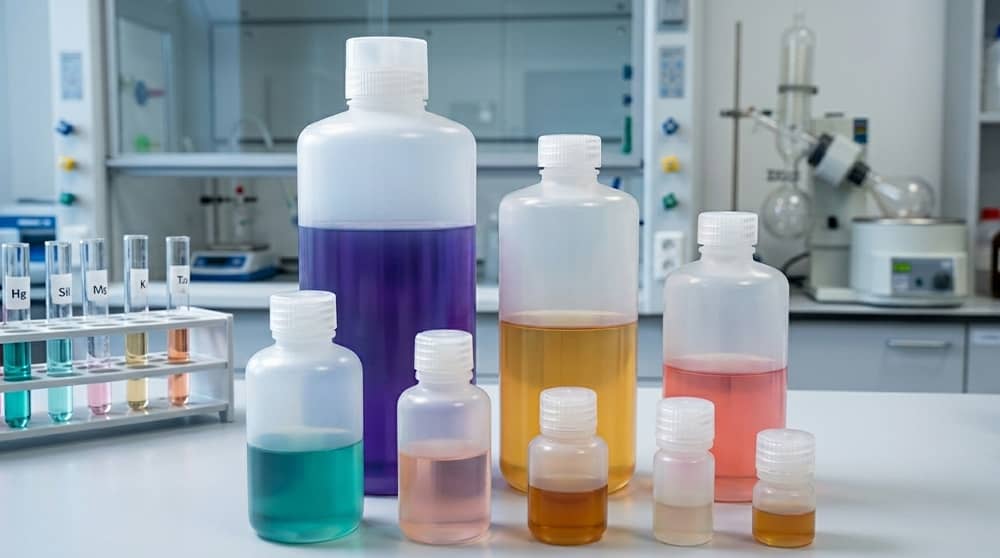
The OEM Manufacturing Process
Understanding the OEM workflow helps buyers make better decisions.
Step 1: Requirement Analysis
The process begins with understanding client needs:
- Application type
- Sample characteristics
- Storage conditions
- Regulatory requirements
Step 2: Design and Prototyping
Manufacturers create:
- Bottle design drawings
- 3D models
- Sample prototypes
This stage ensures the final product meets expectations.
Step 3: Material Selection
Based on application:
- Chemical compatibility
- Temperature resistance
- Sterility needs
Choosing the right material ensures product performance.
Step 4: Mold Development
Custom molds are created for production.
- High precision required
- Initial investment but long-term benefit
Step 5: Mass Production
Production includes:
- Injection or blow molding
- Quality control checks
- Consistency assurance
Step 6: Quality Inspection
Strict testing ensures:
- Leak-proof performance
- Material integrity
- Compliance with standards
Step 7: Packaging and Delivery
Final products are:
- Packed according to client requirements
- Prepared for global shipping
OEM vs ODM: What’s the Difference?
Many buyers confuse OEM with ODM.
- OEM: Product made based on your design
- ODM: Manufacturer provides design, you brand it
OEM offers more control, while ODM is faster to market.
Common Applications of OEM Laboratory Bottles
OEM bottles are widely used in:
- Biotechnology laboratories
- Pharmaceutical manufacturing
- Chemical testing labs
- Environmental sampling
- Academic research institutions
Each application may require different specifications.
How to Choose the Right OEM Manufacturer
Selecting the right partner is critical.
Key Factors to Consider:
- Experience in laboratory container manufacturing
- Material quality and certification
- Customization capabilities
- Quality control processes
- Production capacity
- Global export experience
A reliable manufacturer ensures long-term business success.
Common Mistakes to Avoid
Choosing Based on Price Alone
Low-cost suppliers may compromise quality
Ignoring Compliance Requirements
Can lead to regulatory issues
Poor Communication
Results in incorrect specifications
Skipping Prototyping
Increases risk of production errors
Benefits of Working with a Professional OEM Supplier
- Tailored solutions for your application
- Consistent product quality
- Scalable production
- Strong technical support
- Faster time to market
Conclusion
OEM laboratory bottle manufacturing provides the flexibility, quality, and scalability that modern laboratories and distributors need. From material selection to final production, every step can be customized to meet specific requirements.
By partnering with an experienced OEM manufacturer, businesses can improve product performance, ensure compliance, and strengthen their market competitiveness.
Looking for a reliable OEM laboratory bottle manufacturer?
We provide custom PP and HDPE laboratory bottles, designed for biotechnology, pharmaceutical, and research applications.
Custom sizes, shapes, and branding
GMP-compliant production
Bulk orders with global shipping
Contact us today to start your OEM project.