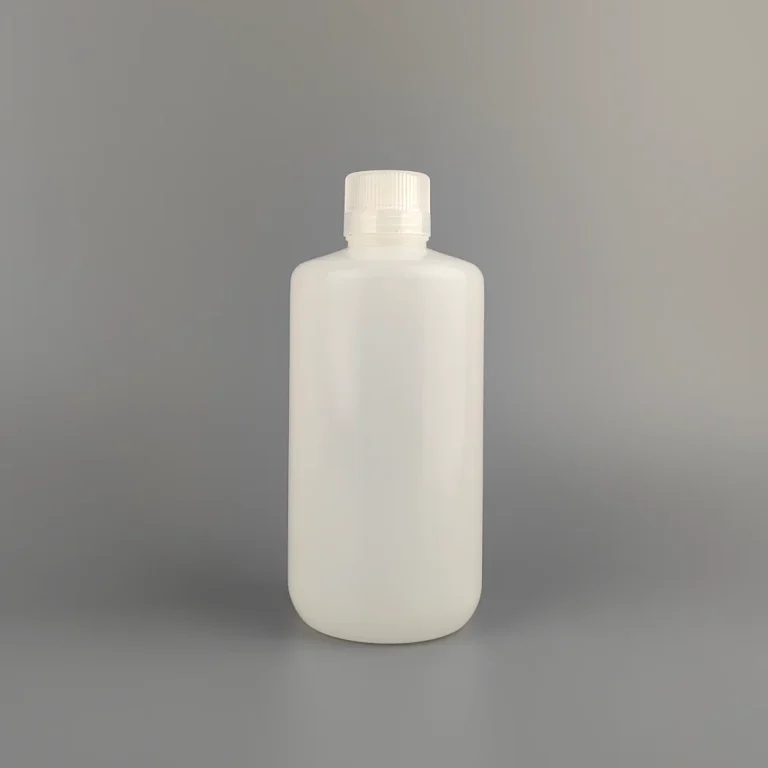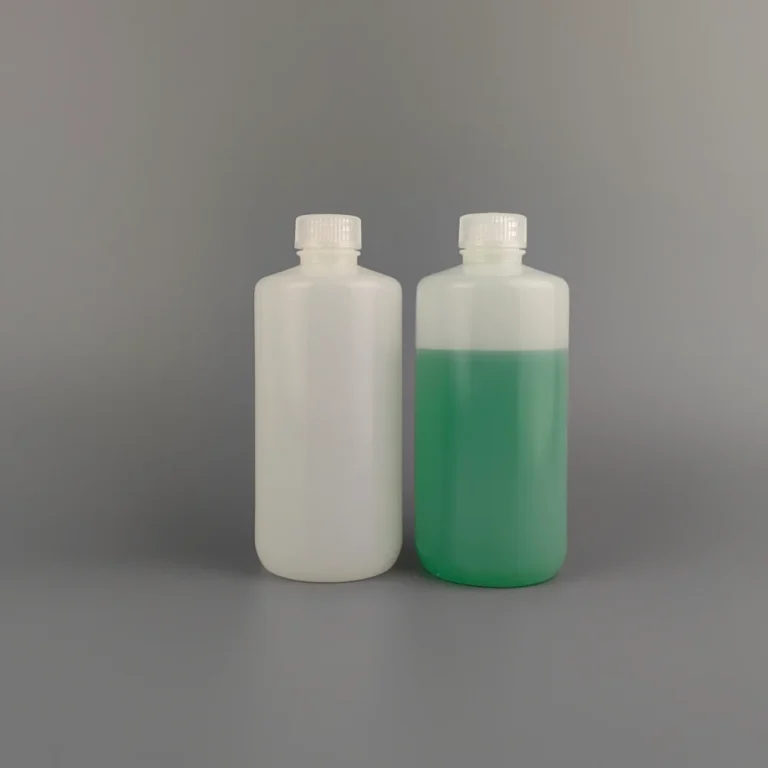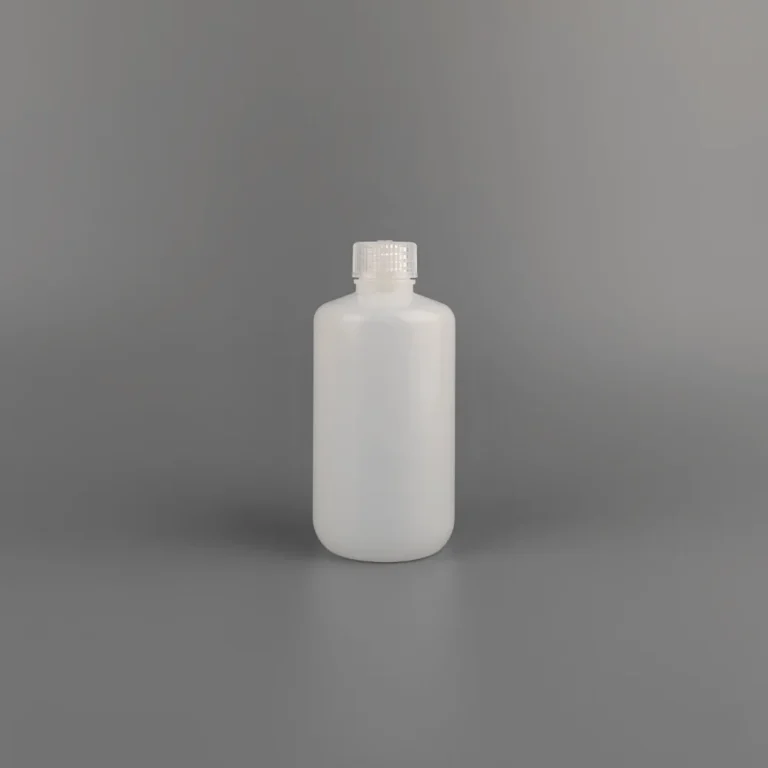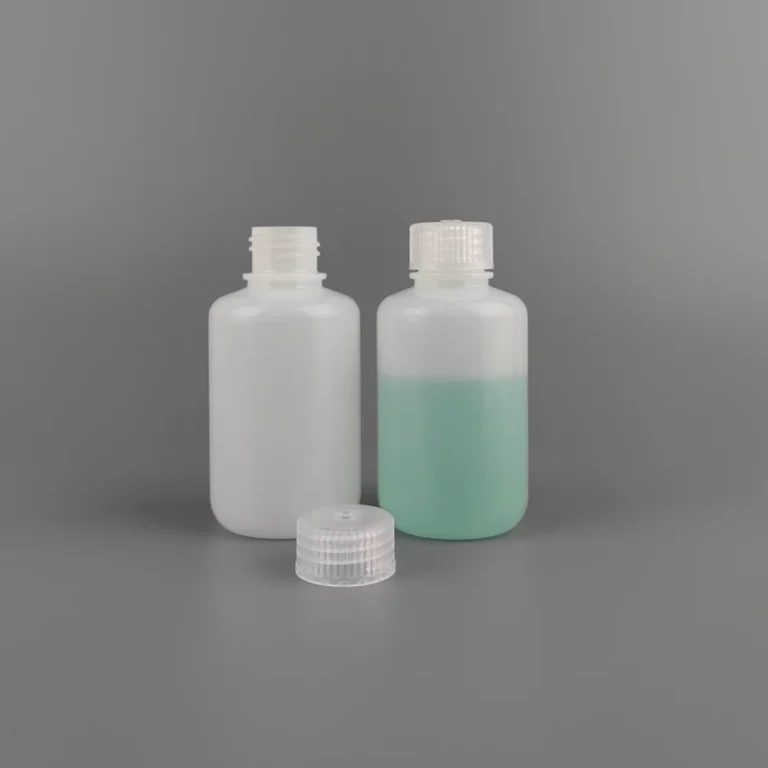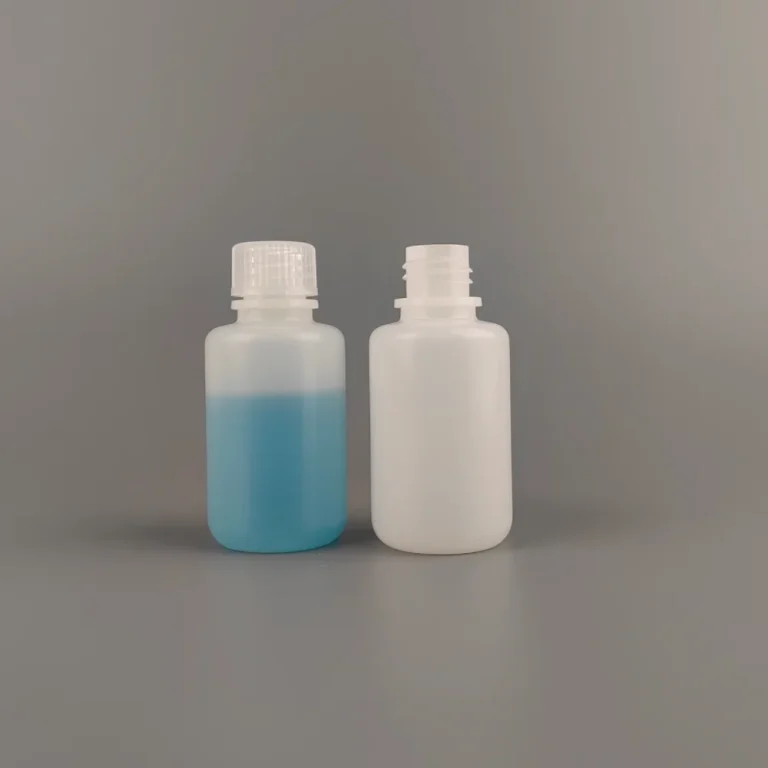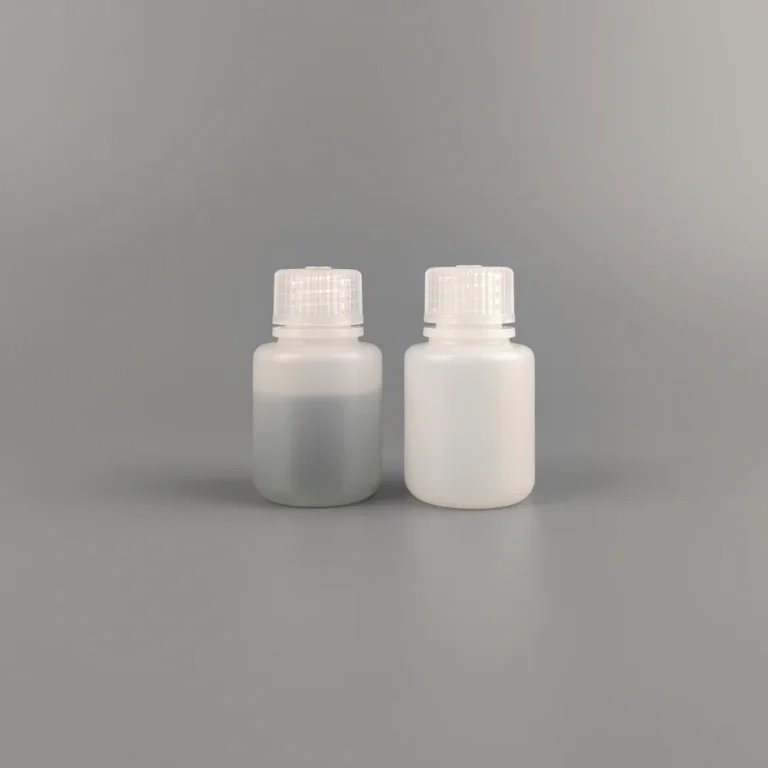
Conclusion: Proper laboratory sample storage is the cornerstone of research efficiency. Using the correct lab container material—such as high-quality [Polypropylene (PP)] or [HDPE]—is essential to prevent sample contamination and degradation. By selecting application-specific containers, you ensure data accuracy, enhance laboratory workflow safety, and maintain the long-term integrity of your research samples.
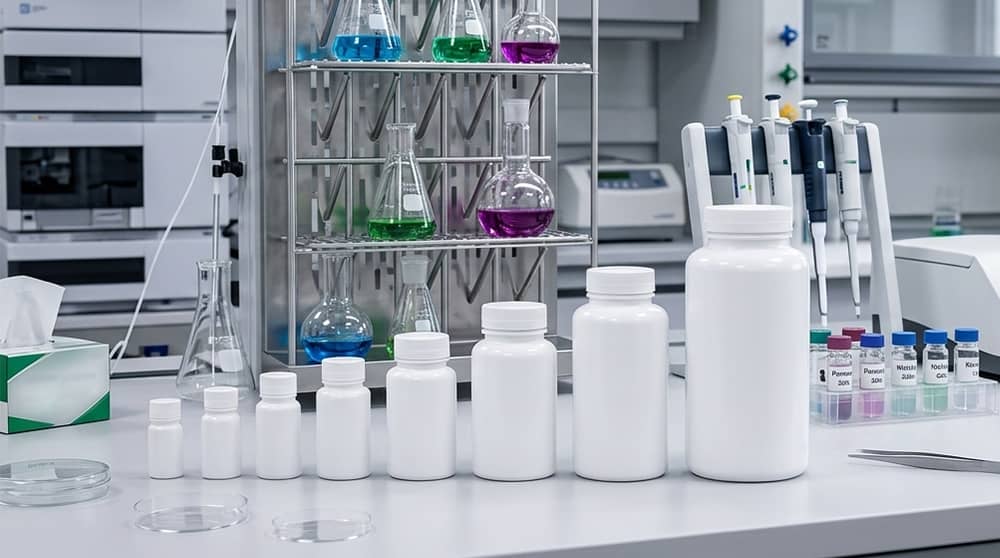
Why Laboratory Storage Guidelines Are Important
Research laboratories handle a wide variety of samples. Without standardized storage protocols, labs may face:
- Sample contamination
- Data inconsistency
- Regulatory non-compliance
Following structured storage protocols ensures consistency and reliability across experiments.
Choosing the Right Laboratory Containers
Selecting the correct container is the first step in proper laboratory sample storage.
Material Selection
The material should match the properties of your samples:
- [Polypropylene (PP)]: Excellent for general laboratory research; autoclavable and highly temperature-resistant.
- [HDPE]: Ideal for long-term storage and environmental samples, providing superior impact resistance.
- Amber Containers: Used for light-sensitive samples to prevent photo-degradation.
Container Design and Sealing
To maintain sample integrity, ensure your containers provide:
Containers should provide:
- [Leak-proof sealing] for liquid samples.
- Airtight closure to prevent oxidation.
- Chemical resistance suitable for your specific laboratory reagents.
Essential Best Practices for Laboratories
- Temperature Control: Maintain consistent conditions (Room temperature, Refrigeration, or Freezing) to prevent sample degradation.
- Contamination Prevention: Work in clean environments and seal containers immediately after use.
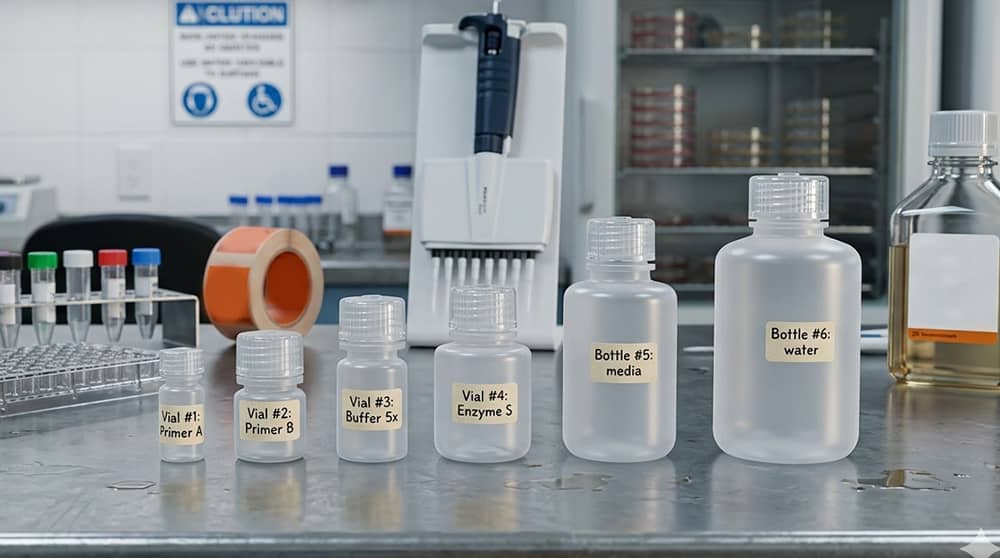
- Labeling and Documentation: Ensure every container is marked with a Sample ID, date, and storage conditions for full traceability.
- Organization: Use racks and secondary containment to keep your laboratory workspace organized and reduce handling errors.
Avoiding Common Laboratory Mistakes
- Using Incorrect Containers: Leads to material degradation or reaction.
- Improper Temperature Control: Compromises sensitive research samples.
- Poor Labeling: Results in sample misidentification and data loss.
- Lack of Organization: Increases the risk of accidents in the laboratory.
Need Reliable Laboratory Storage Solutions?
We provide high-quality PP and HDPE laboratory containers designed to meet the rigorous demands of modern research.
Take the next step in professionalizing your laboratory storage: