
Environmental Testing Bottles for Reliable Sample Collection and Analysis
Accurate environmental analysis begins with proper sample collection and dependable storage.
Plastibottles manufactures HDPE and PP environmental testing bottles designed for collecting, transporting and storing environmental samples across laboratory, industrial and field applications.
Our leak-proof laboratory containers are widely used for environmental monitoring, water quality analysis, wastewater testing, soil investigations and industrial compliance programs. Available in multiple bottle sizes and configurations, our products help laboratories maintain sample integrity from field collection to final laboratory analysis.
- HDPE & PP High-Purity Polymer Materials
- Integrated Leak-Proof Closure Design
- Water Quality & Wastewater Testing Ready
- Amber Options for Light-Sensitive Samples
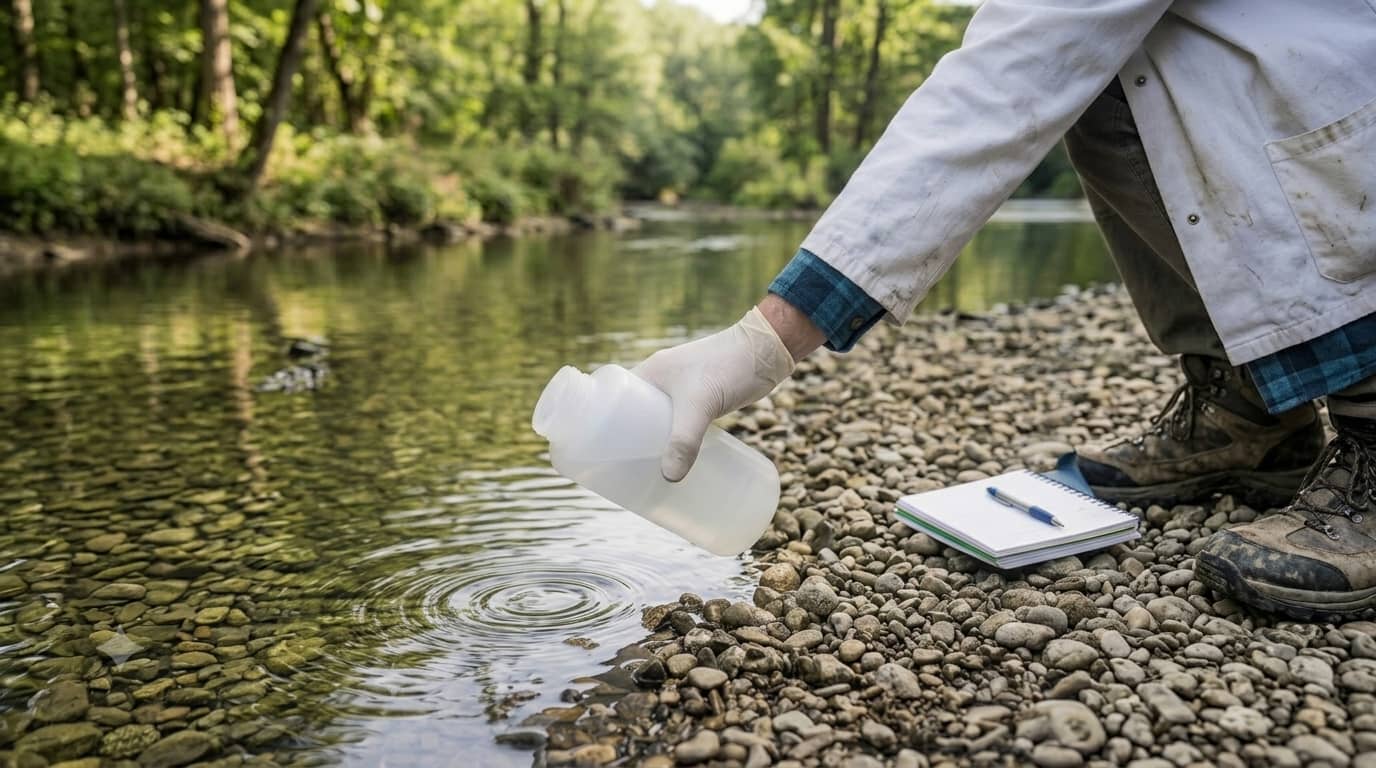
Why Reliable Environmental Sample Containers Matter
Environmental testing depends heavily on the quality of collected samples. Selecting an appropriate sample container is an essential foundation for every successful testing program.
Prevent Sample Contamination
Improper sampling containers may introduce leaching contamination, compromise analytical accuracy, or alter critical chemical and biological characteristics before laboratory testing even begins.
Preserve Full Sample Integrity
Reliable HDPE sample bottles ensure zero leakage or leaching, fully preserving sample integrity throughout initial field collection, rough transportation, and prolonged laboratory storage.
Ensure Consistent Analytical Data
High-purity laboratory containers prevent sample loss and absorption, supporting consistent, repeatable, and compliant laboratory results for strict environmental audits.
Broad Scope of Applications
Whether monitoring municipal drinking water, industrial wastewater, agricultural soil quality, or environmental pollution, our specialized bottles meet rigorous testing standards.
Reliable HDPE sample bottles safeguard your data accuracy from field to lab, ensuring compliance with strict environmental regulations.
Environmental Testing Applications
Our HDPE and PP sampling bottles are engineered to support a wide range of critical environmental testing programs across industries and research disciplines.
Water Quality Monitoring
Environmental agencies monitor rivers, lakes, groundwater, and reservoirs to evaluate ecosystem health and drinking water safety.
Wastewater Analysis
Industrial facilities and municipal treatment plants routinely analyze wastewater discharge to verify strict regulatory compliance.
Soil & Sediment Testing
Environmental laboratories collect soil and sediment samples to assess potential contamination and land remediation quality.
Industrial Environmental Monitoring
Manufacturers and chemical processing plants perform continuous environmental monitoring around production facilities.
Agricultural Testing
Agricultural laboratories evaluate irrigation water, fertilizers, and environmental runoff that affect crop yields and safety.
Environmental Research
Universities, oceanographic institutes, and research organizations execute long-term environmental study programs.
Types of Environmental Samples & Recommended Containers
Select the appropriate high-purity polymer bottle configuration based on your specific environmental sampling medium and testing requirements.
| Sample Type | Recommended Container | Primary Material | Key Feature |
|---|---|---|---|
| Drinking Water | Narrow Mouth Bottle | HDPE | High purity, leak-proof closure, zero contamination |
| River Water | Narrow Mouth Bottle | HDPE | Durable for field transport, chem-resistant |
| Groundwater | Narrow Mouth Bottle | HDPE | Integrated leak-proof linerless seal |
| Wastewater | Narrow / Wide Mouth Bottle | HDPE | Heavy-duty wall construction, impact resistant |
| Surface Water | Narrow Mouth Bottle | HDPE | Optimum sample preservation during storage |
| Industrial Water | Narrow Mouth / Amber Bottle | HDPE | Excellent chemical compatibility |
| Agricultural Water | Narrow Mouth Bottle | HDPE | Ideal for nutrient & runoff analysis |
| Soil Slurry | Wide Mouth HDPE Bottle | HDPE | Easy filling & emptying for semi-solid media |
| Sediment Samples | Wide Mouth HDPE Bottle | HDPE | Wide opening for solid/viscous extraction |
| Chemical Reagents | Reagent Bottle (Clear / Amber) | PP / HDPE | Autoclavable options (PP), light protection (Amber) |
Why Choose Plastibottles
Engineered for environmental compliance, leak-proof security, and laboratory sample integrity worldwide.
Leak-Proof Design
Precision-engineered screw closures with an integrated linerless sealing structure completely prevent sample leakage and evaporation during field transport.
Premium HDPE Materials
Manufactured from virgin, high-purity HDPE and PP polymers, offering exceptional chemical resistance, heavy-duty durability, and non-leaching properties.
Complete Capacity Range
Available in standard sampling volumes:
OEM & ODM Customization
Tailored laboratory packaging solutions featuring:
- Private Label & Branding
- Custom Bottle Colors (Amber / Natural)
- Precision Molded Graduations
- Custom Bulk / Kit Packaging
Trusted Global Supply Partner
Proudly supplying high-performance environmental sample containers and laboratory consumables to certified testing facilities in over 60 countries.
Recommended Environmental Testing Bottles
Environmental testing covers a wide range of sample types—from pristine groundwater to industrial effluent and soil suspensions. Selecting the appropriate container ensures reliable sample preservation throughout field transportation and lab analysis.
HDPE Narrow Mouth Sample Bottles
Best for Water & Liquid Environmental Samples
The smaller neck reduces contamination risks and allows controlled pouring during lab procedures.
- Drinking & River Water
- Groundwater & Surface Water
- Wastewater & Industrial Water
- Environmental Monitoring
- Leak-proof screw cap
- Excellent chemical resistance
- Lightweight for field sampling
HDPE Wide Mouth Sample Bottles
Ideal for Soil, Sediment & Mixed Samples
Wide opening simplifies filling, transferring, and cleaning for samples containing suspended solids or viscous slurries.
- Soil Slurry & Sediment
- Agricultural Runoff
- Wastewater Sludge
- Environmental Research
- Easy filling & quick scoop access
- Suitable for powders & solids
- Durable HDPE construction
PP Sample Bottles
For Lab Processing & Sterilization
Polypropylene provides higher heat resistance than HDPE, making it ideal for procedures requiring high-temperature sterilization.
- Laboratory Preparation
- Biological Environmental Testing
- High-Temp Sample Storage
- Microbiological Testing
- Autoclavable & high thermal tolerance
- High clarity & rigid structure
- Resistant to strong chemicals
Amber Sample Bottles
Protect Light-Sensitive Samples
Amber pigmentation reduces UV transmission, safeguarding photosensitive organic compounds from degradation during transport.
- Organic Pollutant Analysis
- Nutrient & Vitamin Testing
- Photosensitive Chemical Storage
- Specialty Environmental Research
- Superior UV light blocking
- Prevents photodegradation
- HDPE or PP material options
How to Choose the Right Environmental Sample Bottle
Selecting the correct sample container improves analytical accuracy and reduces contamination risks. Evaluate these 6 critical factors before finalizing your environmental testing bottles.
Identify the Sample Type
Different sample matrices have varying viscosity and solids content, requiring specific bottle configurations:
Select the Correct Material
Matching polymer properties to field exposure conditions guarantees sample integrity:
Best for standard environmental sampling. Offers excellent impact strength, lightness, and broad chemical resistance.
Recommended when higher thermal resistance, autoclavability, or autoclave sterilization is required.
Choose Neck Design
Select opening diameter based on filling method and physical sample consistency:
- Liquid samples & water
- Routine environmental monitoring
- Controlled lab pouring
- Minimized splash risk
- Soil & sediment slurries
- Suspended solids / Sludge
- Powders & granular materials
- Easy scoop access & cleaning
Select Bottle Capacity
Ensure container volume aligns with standard analytical testing protocols and replicate requirements:
| Laboratory Requirement | Suggested Capacity |
|---|---|
| Routine Analysis | 100 ml |
| Multi-Parameter Testing | 250 ml |
| Environmental Monitoring | 500 ml |
| Comprehensive Testing | 1000 ml |
Consider Transportation Conditions
Environmental samples frequently travel from remote field locations to centralized testing labs. Ensure zero leakage under physical vibration and thermal fluctuations.
- Long-distance Transit: Requires leak-proof thread structure and impact resilience.
- Cold Chain Storage: Materials must maintain crack-resistance under chilled transport.
- Rough Handling: Durable wall thickness protects integrity across multiple transfers.
Evaluate Custom & OEM Requirements
Plastibottles provides end-to-end OEM and private-label manufacturing services for distributors, environmental laboratories, and analytical equipment suppliers:
HDPE vs PP Bottles for Environmental Testing
HDPE and PP are both widely used materials for environmental sample containers. Choosing the appropriate material depends on laboratory procedures, temperature requirements, and sampling conditions.
Material Feature Comparison
| Feature | HDPE | PP |
|---|---|---|
| Chemical Resistance | Excellent | Excellent |
| Impact Strength | Excellent | Very Good |
| Heat Resistance | Good | Excellent |
| Autoclavable | No | Yes |
| Field Sampling | Excellent | Good |
| Cost Efficiency | Excellent | Good |
| Environmental Monitoring | Excellent | Excellent |
Why HDPE Is Preferred
HDPE bottles are commonly selected because they offer outstanding durability, excellent chemical compatibility, lightweight construction, reliable leak resistance, and cost-effective sampling solutions.
When PP Bottles Are Recommended
PP (Polypropylene) bottles are the preferred option when laboratory procedures require thermal endurance or autoclaving, ensuring material stability without deformation.
- Autoclave Sterilization Required: Can withstand standard steam sterilization cycles.
- Higher Temperatures: Processing samples at elevated temperature ranges.
- Strict Protocols: Laboratory testing SOPs explicitly specify polypropylene containers.
Best Practices for Environmental Sample Collection
Accurate laboratory analysis depends on proper sample collection, handling, and storage. Following standardized sampling procedures helps reduce contamination and improve data reliability.
Before Sampling
Prepare all required equipment before arriving at the sampling location. Inspect every bottle to ensure the cap seals correctly and the container is free from visible damage.
- Clean, inspection-ready bottles
- Waterproof labels & marker pens
- Sampling logs & Chain of Custody forms
- Insulated cooler boxes & ice packs
- Personal protective equipment (PPE)
During Sample Collection
Collect representative samples strictly following project protocol to prevent cross-contamination and volatile loss.
- Avoid Internal Touch: Never touch the interior of the bottle threads or cap.
- Minimize Air Exposure: Shield open containers from airborne dust and emissions.
- Follow Fill Limits: Fill bottles exactly according to specific testing SOPs.
- Immediate Sealing: Close screw caps tightly immediately after sampling.
- Field Logging: Record exact location, date, time, and ambient conditions.
Sample Transportation
Transport samples from field sites to analytical laboratories as quickly as possible to maintain chemical stability.
Keep containers strictly upright to prevent liquid contact with neck threads.
Protect against direct sunlight; use insulated coolers with gel packs if required.
Secure bottles snugly within transit racks to eliminate movement and leakage risks.
Laboratory Storage
Maintaining proper storage conditions preserved sample integrity prior to final instrument analysis.
- Intake Verification: Re-check bottle barcodes and sample labels upon arrival.
- Integrity Check: Inspect for physical leakage, pressure expansion, or cracks.
- Controlled Environment: Store samples under recommended temperature protocols.
- Holding Times: Execute laboratory processing strictly within designated holding limits.
Why Environmental Laboratories Choose Plastibottles
Environmental professionals require sample containers they can trust under demanding field and laboratory conditions. Plastibottles supports environmental testing programs worldwide with precision-engineered bottles built for consistency, reliability, and leak-proof performance.
Premium HDPE & PP Materials
Manufactured from high-grade virgin polymers under strict ISO quality standards, providing dependable chemical resistance and high mechanical impact strength.
Precision Leak-Proof Closure
Features an integrated inverted-triangle self-sealing cap structure. Provides a 100% linerless seal that eliminates sample leakage and chemical volatilization during long-distance transit.
Versatile Specifications
Comprehensive selection including narrow mouth, wide mouth, and UV-blocking amber bottles with capacity ranges spanning from 30ml up to 1000ml.
OEM & Private Label Solutions
Customized bottle colors, molded/printed graduations, barcode labeling, cap branding, and custom packaging tailored for distributors and testing suppliers.
Global Supply Capability
Trusted by environmental testing laboratories, government regulatory agencies, university research institutes, and industrial organizations across more than 60 countries.
Ready to Upgrade Your Environmental Sampling Supplies?
Contact our technical support team for free product samples, custom OEM quotes, or bulk wholesale pricing.
Industries That Rely on Environmental Testing Bottles
Environmental testing plays a critical role in protecting public health, ensuring regulatory compliance, and supporting sustainable industrial development. Plastibottles supplies premium HDPE and PP containers engineered to preserve sample integrity across diverse field and laboratory applications worldwide.
Environmental Monitoring Agencies
Government regulatory bodies and ecological organizations collecting field samples to evaluate surface water quality, pollution indices, and ecosystem safety.
- River, lake & reservoir monitoring
- Wetland protection & coastal water surveys
- Environmental regulatory compliance
Water Quality Laboratories
Public and commercial analytical labs performing routine testing of drinking water, groundwater, and industrial water to ensure safety standards.
- pH & Conductivity testing
- Heavy metals & nutrient trace analysis
- Organic contaminants screening
Wastewater Treatment Facilities
Municipal and industrial treatment plants monitoring water purification processes and controlling effluent discharge compliance.
- Influent testing & effluent monitoring
- Sludge analysis & process optimization
- Environmental discharge compliance
Industrial Manufacturing
Manufacturing facilities monitoring production process liquids, cooling towers, and industrial discharge streams to prevent environmental contamination.
- Chemical & Petrochemical plants
- Mining operations & Electronics manufacturing
- Food processing & pharmaceutical utilities
Agriculture & Environmental Science
Agricultural research labs and farms testing irrigation sources, soil runoffs, and fertilizer concentrations to maximize yield while protecting ecosystems.
- Irrigation water testing & runoff monitoring
- Fertilizer analysis & aquaculture water quality
- Soil suspension sampling
Universities & Research Institutions
Academic and government-funded laboratories utilizing standardized sampling containers for chemistry, biology, marine, and ecological research projects.
- Environmental Science & Ecology labs
- Marine research centers & Oceanography
- Climate change & Earth science institutes
Related Technical Resources
Learn more about environmental sample collection, material selection, and laboratory best practices through our technical resource hub.
Water Sampling Bottles Guide
Learn how to choose suitable containers for environmental water sampling and laboratory analysis.
Chemical Storage Solutions
Explore HDPE and PP bottles designed for chemical compatibility with laboratory reagents and solvents.
HDPE vs PP Bottle Guide
Compare physical properties and understand which material fits thermal and autoclaving requirements.
Chemical Compatibility Guide
Review general polymer compatibility matrices across common industrial and laboratory chemicals.
Laboratory Sample Storage Guide
Proven SOPs for safeguarding sample integrity and preventing volatile loss during field transit.
Choosing the Right Sample Bottle
Understand how bottle neck geometry, seal designs, and capacity impact sampling efficiency.
Frequently Asked Questions
Find clear answers regarding environmental sample bottle selection, material specifications, chemical compatibility, and custom OEM manufacturing options.
What are environmental testing bottles used for?
Environmental testing bottles are specifically designed to collect, transport, and store liquid and solid samples—including drinking water, municipal wastewater, groundwater, surface water, and industrial chemical effluents—for accurate analytical testing.
Why are HDPE bottles commonly used for environmental sampling?
High-Density Polyethylene (HDPE) provides superior chemical resistance, exceptional impact durability at low temperatures, and outstanding leak resistance, making it ideal for rough field conditions and long-distance laboratory transport.
Can these bottles be used for wastewater analysis?
Yes. HDPE and PP bottles are extensively used for influent, effluent, and municipal wastewater collection. Container selection should always align with specific analytical testing standards (e.g., pH, metals, or organics) and sample acidity.
Are wide mouth bottles suitable for environmental testing?
Yes. Wide mouth bottles feature a broader opening, making them highly recommended for samples containing high suspended solids, heavy sediment, viscous liquids, or sludge, as they simplify filling and thoroughly facilitate cleaning.
Do you offer amber bottles for environmental samples?
Yes. Amber HDPE and PP bottles are specifically engineered to block harmful UV radiation, protecting light-sensitive compounds, photochemical reactants, and organic analytes from degradation during sampling and storage.
What bottle sizes and capacities are available?
Our standard production line includes versatile capacity ranges:
Custom sizes and volumetric calibrations are available for high-volume OEM projects.
Can Plastibottles customize sample containers for my brand?
Yes. We provide complete OEM and Private Label capabilities, including custom bottle/cap colors, molded or printed graduations, custom barcode/QR labeling, and specialized protective packaging for global distributors.
Which industries rely on these environmental testing bottles?
Our containers are widely deployed across government environmental monitoring agencies, accredited water testing laboratories, municipal wastewater plants, chemical manufacturing, agricultural science, and university research centers worldwide.
How should environmental samples be safely transported?
Samples should be secured in leak-proof bottles featuring integrated inverted-triangle self-sealing caps to prevent volatilization. Keep bottles upright in temperature-controlled cooler boxes and process them within designated protocol holding times.
How can I choose the right bottle for my specific application?
Selecting the right bottle depends on chemical compatibility, light sensitivity, required capacity, and neck geometry. Our technical engineers can evaluate your testing SOPs and recommend the optimal material and cap configuration.
Recommended Product Categories
Quickly explore our comprehensive range of high-grade plastic laboratory containers and sample storage solutions engineered for precision analysis.
HDPE Reagent Bottles
Offers excellent chemical resistance and high structural durability for environmental testing and chemical reagents.
Water Sampling Bottles
Specifically designed for field environmental monitoring, groundwater collection, and drinking water quality testing.
Wide Mouth Bottles
Featuring an expanded neck opening ideal for viscous liquids, soil suspensions, sediments, and sludge sampling.
Narrow Mouth Bottles
Equipped with integrated inverted-triangle self-sealing caps, preventing volatile leaks during liquid transit.
Amber UV-Blocking Bottles
Provides maximum light transmission protection to safeguard light-sensitive reagents and organic compounds.
Microcentrifuge Tubes
Precision micro-volume PP tubes engineered for high-speed centrifugation, molecular biology, and assay preparation.
Partner with a Trusted Environmental Sample Bottle Manufacturer
Reliable environmental testing begins with reliable sample containers. Plastibottles manufactures high-grade HDPE and PP bottles engineered to support accurate field collection, secure transportation, and dependable laboratory workflows worldwide.
Request a Free Quote
Receive volume pricing, detailed specification sheets, and OEM customization support tailored directly to your project requirements.
Speak with Our Technical Team
Need assistance matching bottle geometries, polymers, or light-blocking protection to your specific testing SOPs?